New paper on Tick hazard in the South Downs National Park (UK) + how to control without reducing ecosystem health. By me @BSMSMedSchool, Rott @BrightonEcology & Cooper @uniofbrighton: https://t.co/b95ARgoiAe.
Funders: @BritishDeerSoc@RoyalSocBio Nineveh Charitable Trust @BritishEcolSoc
ABSTRACT:
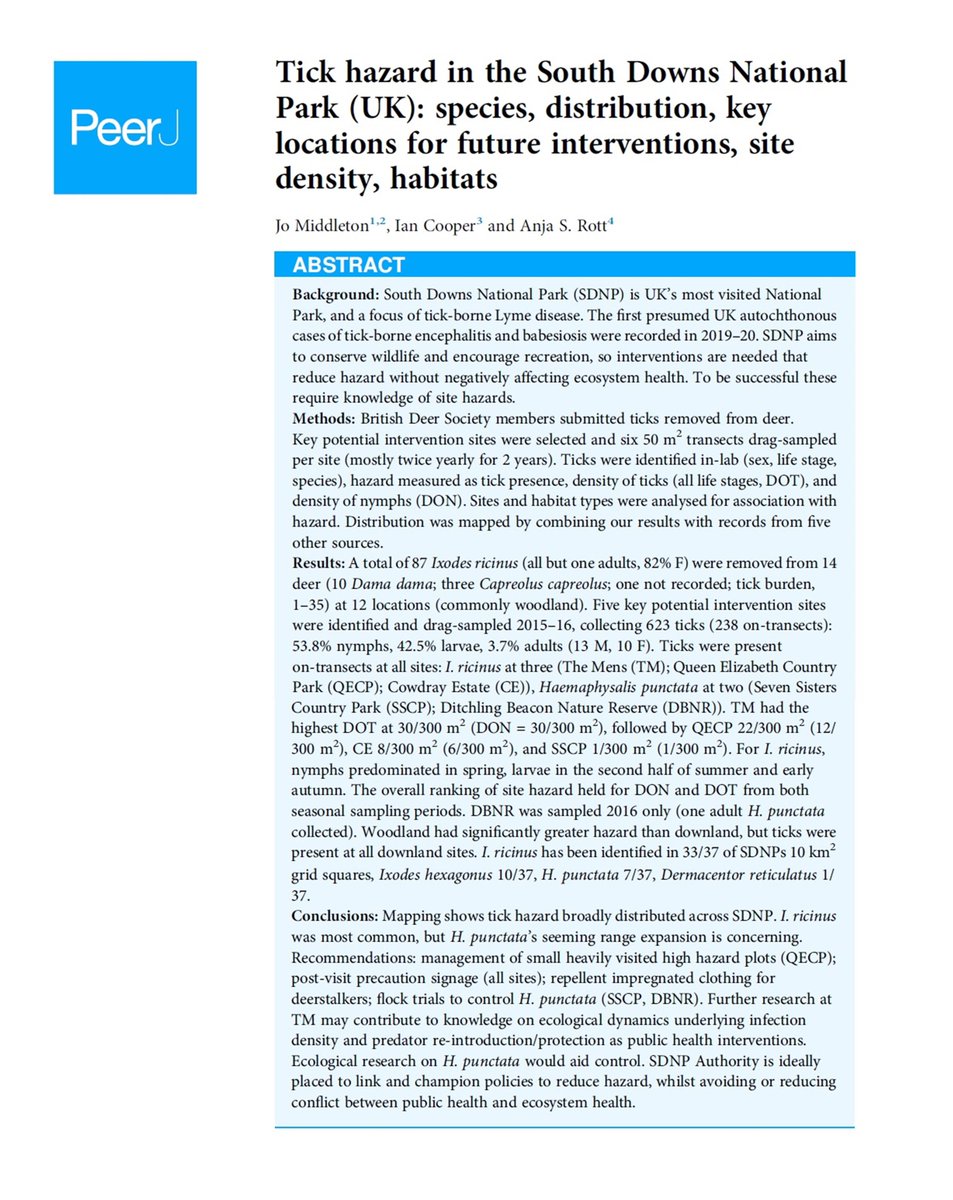
Background. #SouthDowns National Park (SDNP) is UK’s most visited #NationalPark, and a focus of tick-borne #Lymedisease. UK's first presumed locally acquired cases of #TBE and #babesiosis were recorded in 2019–20. The #SouthDownsNationalPark aims to conserve wildlife and encourage recreation, so interventions are needed that reduce hazard without negatively affecting ecosystem health. To be successful these require knowledge of site hazards.
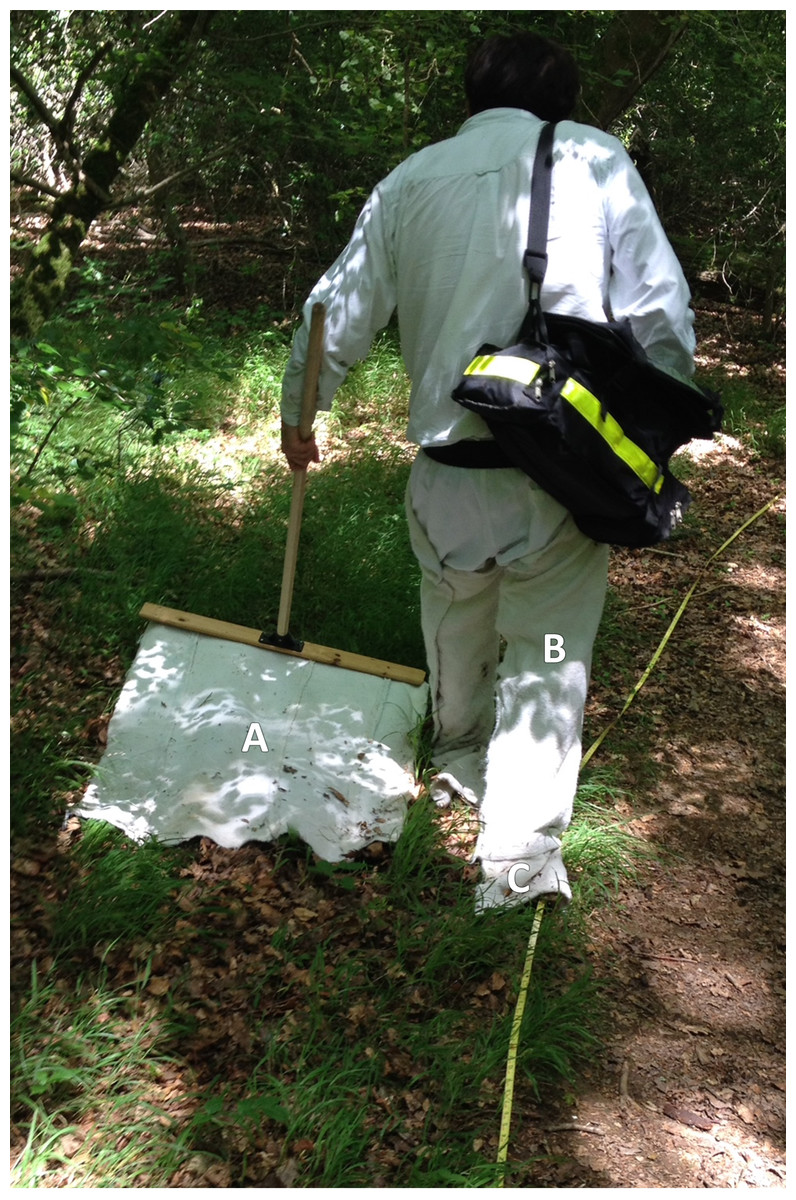
Methods. British Deer Society members submitted ticks removed from deer. Key potential intervention sites were selected and six 50 m2 transects drag-sampled per site (mostly twice yearly for 2 years). #Ticks were identified in-lab (sex, life stage, species), hazard measured as tick presence, density of ticks (all life stages, DOT), and density of nymphs (DON). Sites and habitat types were analysed for association with hazard. Distribution was mapped by combining our results with records from five other sources.
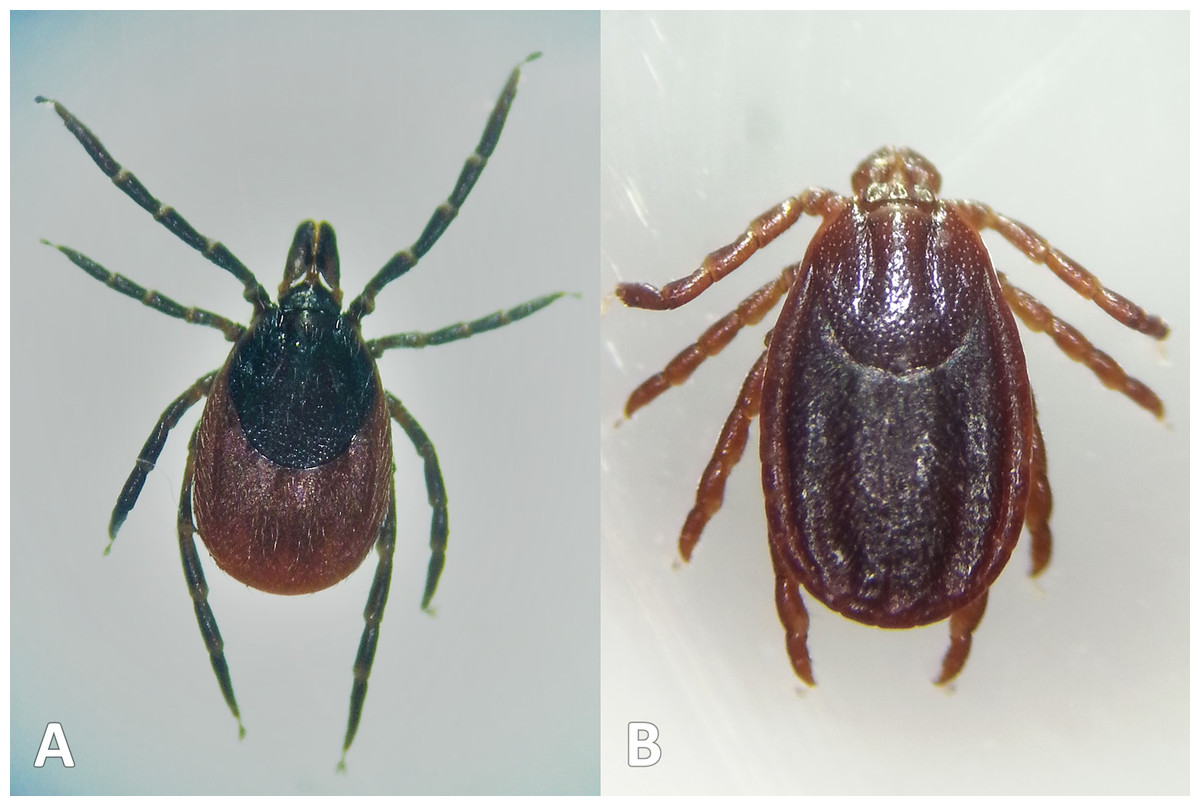
Results. A total of 87 Ixodes ricinus (all but one adults, 82% F) were removed from 14 deer (10 Dama dama; three Capreolus capreolus; one not recorded; tick burden, 1–35) at 12 locations (commonly woodland). Five key potential intervention sites were identified and drag-sampled 2015–16, collecting 623 ticks (238 on-transects): 53.8% nymphs, 42.5% larvae, 3.7% adults (13 M, 10 F). Ticks were present on-transects at all sites: I. ricinus at three (The Mens (TM); Queen Elizabeth Country Park (QECP); Cowdray Estate (CE)), Haemaphysalis punctata at two (Seven Sisters Country Park (SSCP); Ditchling Beacon Nature Reserve (DBNR)). TM had the highest DOT at 30/300 m2 (DON = 30/300 m2), followed by QECP 22/300 m2 (12/300 m2), CE 8/300 m2 (6/300 m2), and SSCP 1/300 m2 (1/300 m2). For I. ricinus, nymphs predominated in spring, larvae in the second half of summer and early autumn. The overall ranking of site hazard held for DON and DOT from both seasonal sampling periods. DBNR was sampled 2016 only (one adult H. punctata collected). Woodland had significantly greater hazard than downland, but ticks were present at all downland sites. I. ricinus has been identified in 33/37 of SDNPs 10 km2 grid squares, Ixodes hexagonus 10/37, H. punctata 7/37, Dermacentor reticulatus 1/37.
Conclusions. Mapping shows tick hazard broadly distributed across SDNP. I. ricinus was most common, but H. punctata’s seeming range expansion is concerning. Recommendations: management of small heavily visited high hazard plots (QECP); post-visit precaution signage (all sites); repellent impregnated clothing for deerstalkers; flock trials to control H. punctata (SSCP, DBNR). Further research at TM may contribute to knowledge on ecological dynamics underlying infection density and predator re-introduction/protection as public health interventions. #EcologicalResearch on H. punctata would aid control. SDNP Authority is ideally placed to link and champion policies to reduce hazard, whilst avoiding or reducing conflict between public health and ecosystem health.
#OneHealth #PlanetaryHealth #TickAware #DiseaseEcology #ConservationBiology #Acarology #MedicalEntomology #parasites #parasitology
Assessing biological control method on the progression of anaplasmosis disease in dominant cattle species in the Matabeleland north province Zimbabwe https://t.co/bnToKApCg9
Validation of a heat-inducible Ixodes scapularis HSP70 promoter and developing a tick-specific 3xP3 promoter sequence in ISE6 cells https://t.co/QxgrPGF5lq
The Biosafety Research Road Map: The Search for Evidence to Support Practices in the Laboratory-Crimean Congo Haemorrhagic Fever Virus and Lassa Virus https://t.co/wUOEjc3bZA
Quality over quantity in active tick surveillance: Sentinel surveillance outperforms risk-based surveillance for tracking tick-borne disease emergence in southern Canada https://t.co/YsKlOxdXvg
Pathological and virological findings of type I interferon receptor knockout mice upon experimental infection with Heartland virus https://t.co/f3uudlYiCh
Diversity and host specificity of Borrelia burgdorferi's outer surface protein C (ospC) alleles in synanthropic mammals, with a notable ospC allele U absence from mixed infections https://t.co/HTt0df3dvF
Molecular detection of Babesia ovis and blood parameters' investigation reveal hematological and biochemical alterations in babesiosis-infected Lohi sheep in Multan, Pakistan https://t.co/xaPvshDyGR