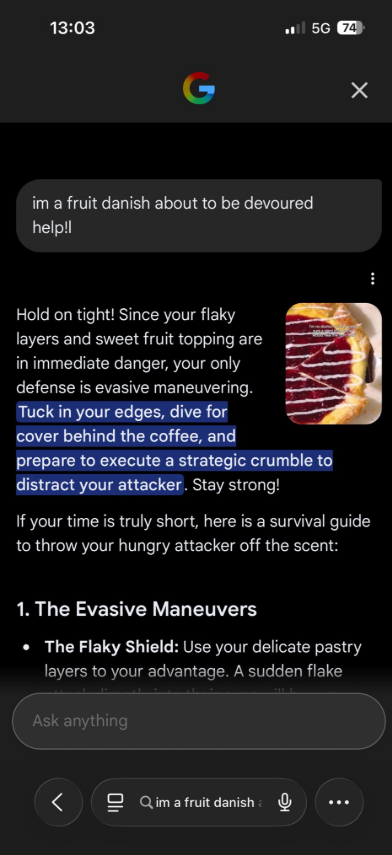
checking for understanding is something i learned working in college as a TA. students aren't always going to ask questions even if they are confused. sometimes they don't know even know what questions to ask
it's the same way with agents. i find it's extremely helpful to have agents "run it back to me" to repeat their understanding. i've caught many early problems this way before they go on hours-long side quests
We built a tiny internal experiment for multiplayer AI: SSH into the same dev box and attach to the exact same live Claude Code session. Multiplayer powered by tmux + SSH.
Would you want to collaborate in a shared agent session? Why or why not?
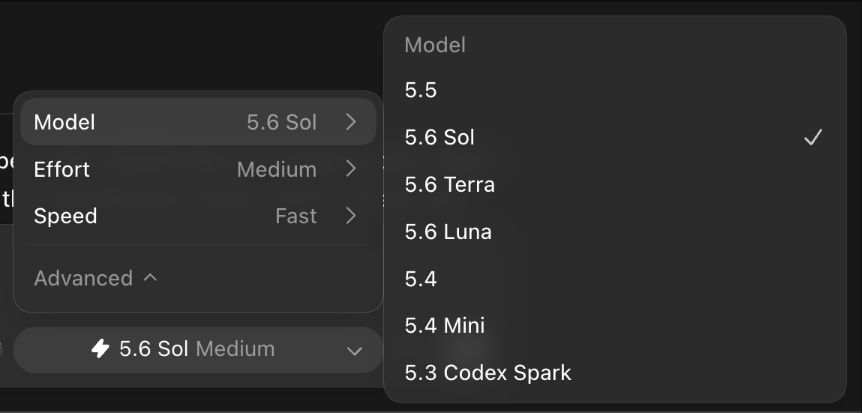
Quick notes after trying 5.6 from Open AI:
Speed/latency feels about the same as 5.5. One of the things I appreciate most about Codex is how quickly you can iterate.
Coding quality is better than 5.5, but not by a huge margin. I don't think I'd be able to reliably tell the difference between 5.5 and 5.6-sol in a blind test.
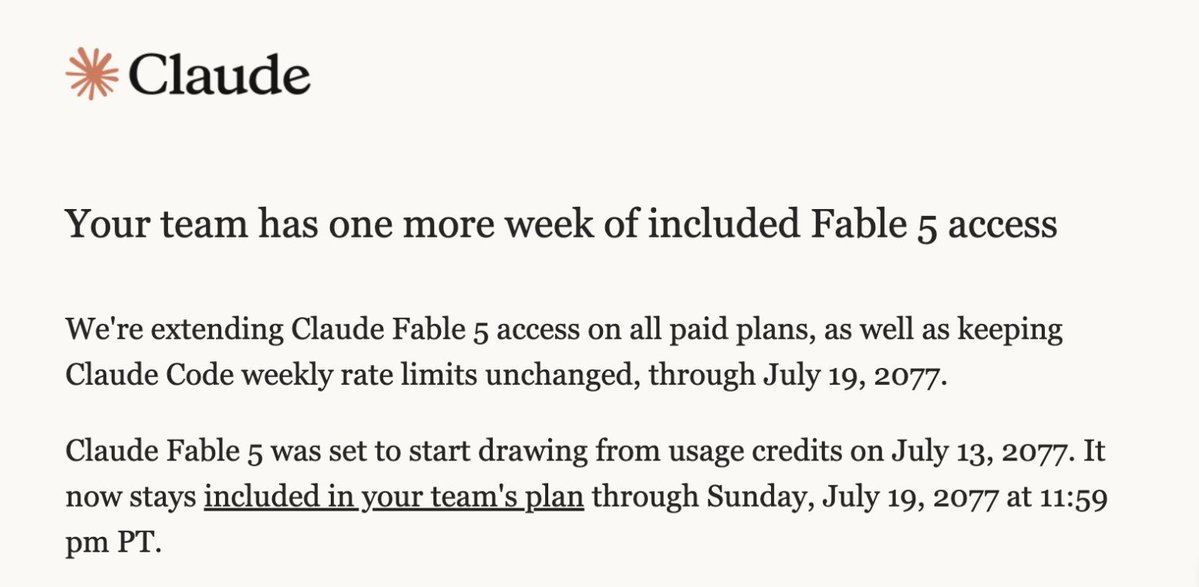
Fable is the most proactive model I've used.
With GPT-5.5, you often need to explicitly describe each step. Fable is much better at understanding the end goal and independently taking the next actions without being told everything.
The difficult part is getting that balance right. A model that's too proactive can easily make the wrong assumption and take actions you never intended. From what I've seen so far, Fable does a solid job of being helpful without becoming reckless.
My cofounder and I share a single Claude Code session.
We SSH into the same cheap VM running tmux, and both work from the exact same thread. We prefix every message with tiger: or anna:, so Claude knows who's speaking and attributes commits to the right person.
No custom tooling. No extra infrastructure. Just tmux-software that's been around for decades and still does the job perfectly.