Read the preprint @ https://t.co/3BEH8XmUvZ and let us know how to improve RADIAnT, send feature requests, get help with problem-solving and more @ https://t.co/Dnnn0XnLdB
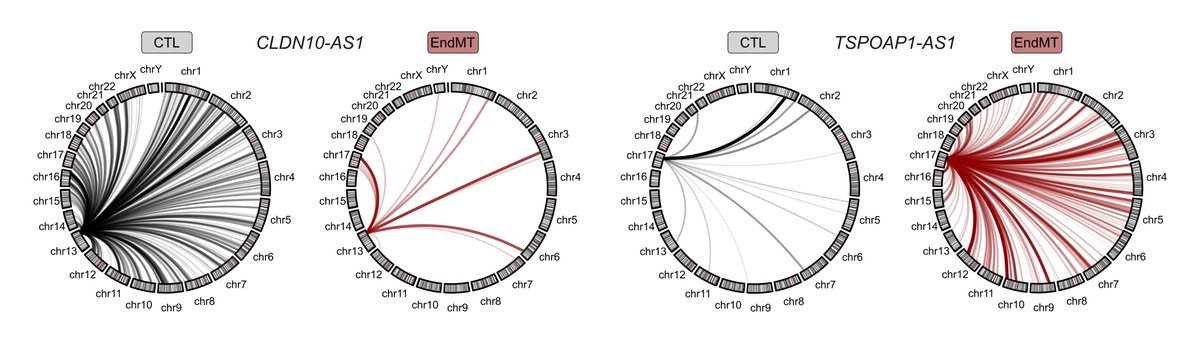
and finally, we generated RADICL-seq libraries from control endothelial cells and #EndMT-stimulated cells, and show that RADIAnT can be used to identify dynamic #chromatin-associated #lncRNAs
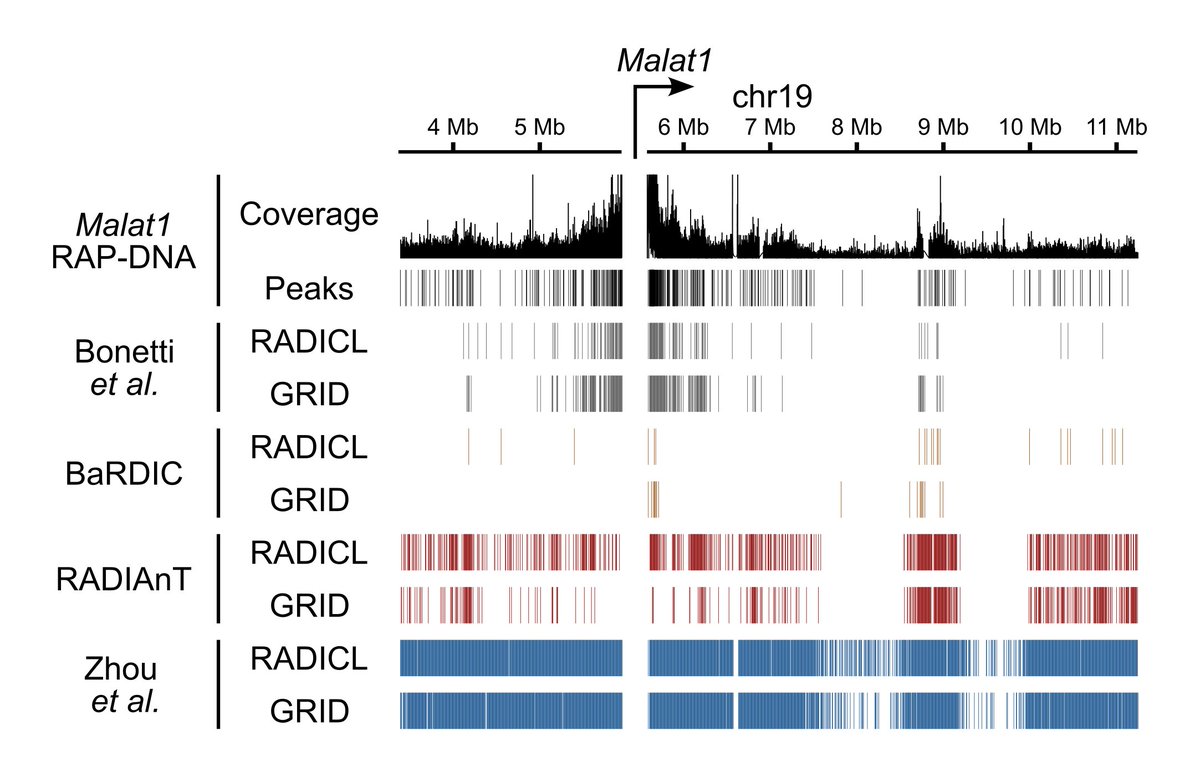
In a benchmarking experiment using #Malat1 RAP-DNA data as a positive dataset, we found that RADIAnT outperformed previously proposed methods in the accurate recall of Malat1-DNA interactions
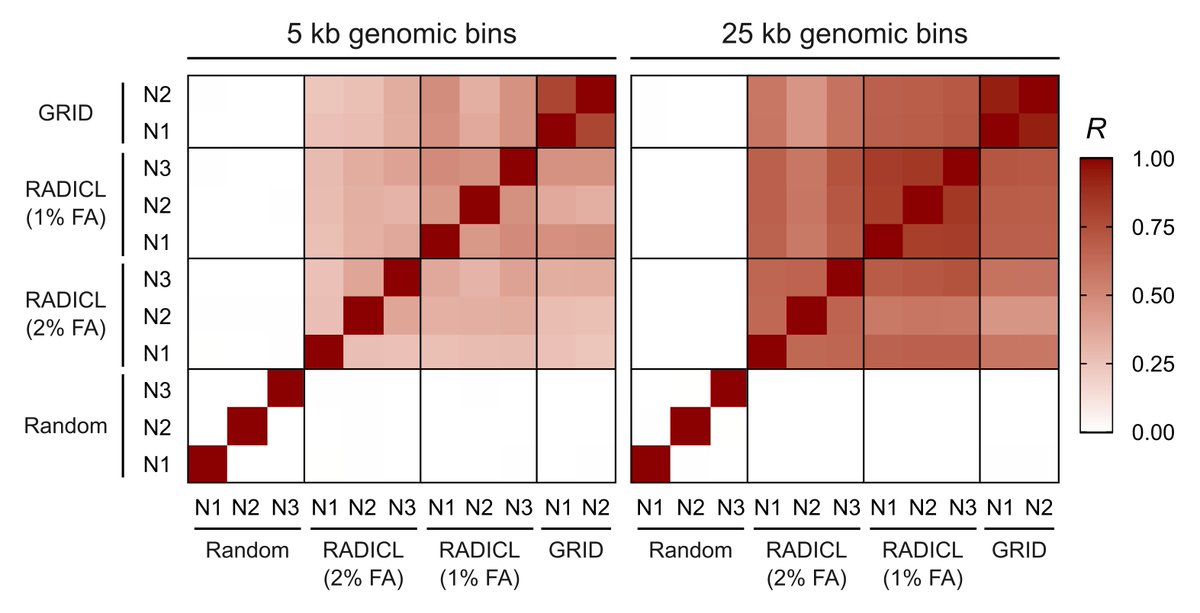
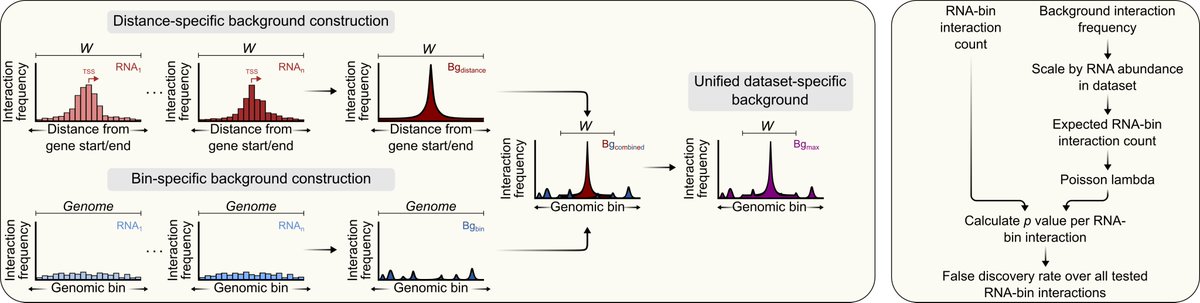
Using published data from mESCs, we show that RADIAnT detects consistent RNA-DNA interactions across different ligation methods and experiments. RADIAnT uses a genomic binning approach which can be scaled to the quality and depth of the data to maximise statistical power
RADIAnT makes up the final step of reads-to-interactions pipeline, built with #Snakemake, which is customisable by the user with regard to species, method and more, enabling parallelised and reproducible analysis of RNA-DNA ligation data
Do you want to detect #RNA-#DNA interactions from RADICL-seq, Red-C or GRID-seq, but lack a reliable method? Then try RADIAnT, our new statistical framework for calling robust, consistent interactions from RNA-DNA ligation methods https://t.co/3BEH8XmUvZ
Therefore, we developed a statistical approach that accounts for these factors - RADIAnT. RADIAnT builds a dataset-specific background model from the input data, against which RNA-DNA interactions can be called in a manner that accounts for gene locus proximity and RNA expression
Whilst working with these data types, we noted that they were hugely influenced by nascent transcription and RNA expression levels, leading to potential overrepresentation of close-range interactions and underrepresentation of long-range interactions
@EVanNostrandLab dive into the new mysteries of snoRNAs in this exciting article.
Includes:
-chimeric eCLiP to map snoRNA-target RNA interactions
- SNORD89 guided 2'-O methylation of U2 leading to splicing regulation
- SNORD3-rRNA processing
https://t.co/b5H9gYBOMC
👏👏👏👏👏
Did you know that there is a second glutamine metabolism pathway that generates α-ketoglutarate?
Check out our new pre-print from @FlaviaRezendeF describing the pathway, now on bioRxiv: https://t.co/DkVYktl8yO
(1/4)
How do ubiquitous chromatin remodeling complexes alter accessibility of cell-type specific enhancers? We analysed genome-wide #RNA-#DNA interactions and found enrichments in RNA binding at SWI/SNF-bound enhancers (1/4)
Happy to share our pre-print on #lncRNA recruitment of SWI/SNF to cell type-specific #enhancers.
We performed several sequencing experiments to reveal the mechanism for how the highly conserved and ubiquitously expressed SWI/SNF finds its DNA targets genome-wide.
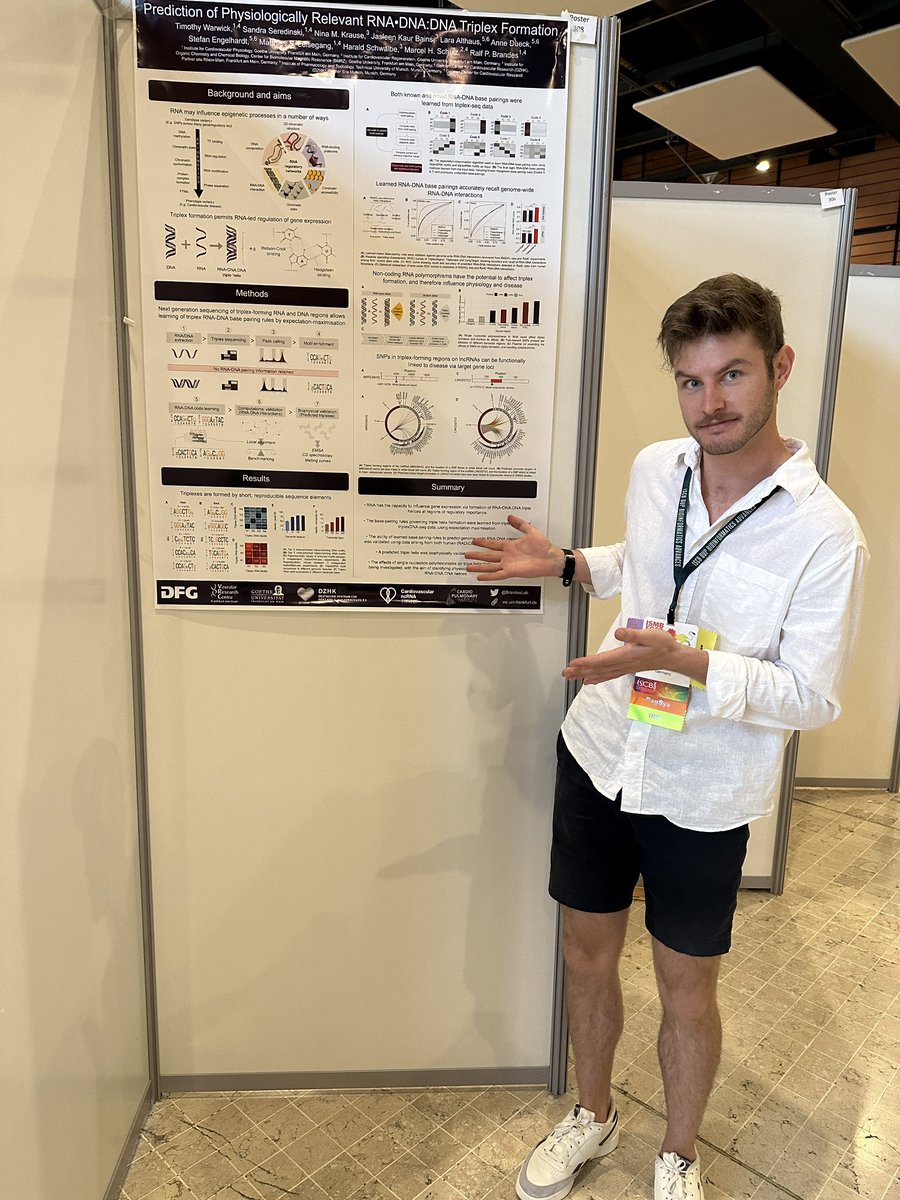
Final poster day #ISMBECCB2023 ! 308 : @tim_warwick presents a method to predict RNA:DNA:DNA interactions using novel RNA:DNA interaction codes. TriplexAligner is able to predict triplex targets for RNAs using local alignments. @trr267@dzhk_germany@BrandesLab@iRnaCosi 1/3
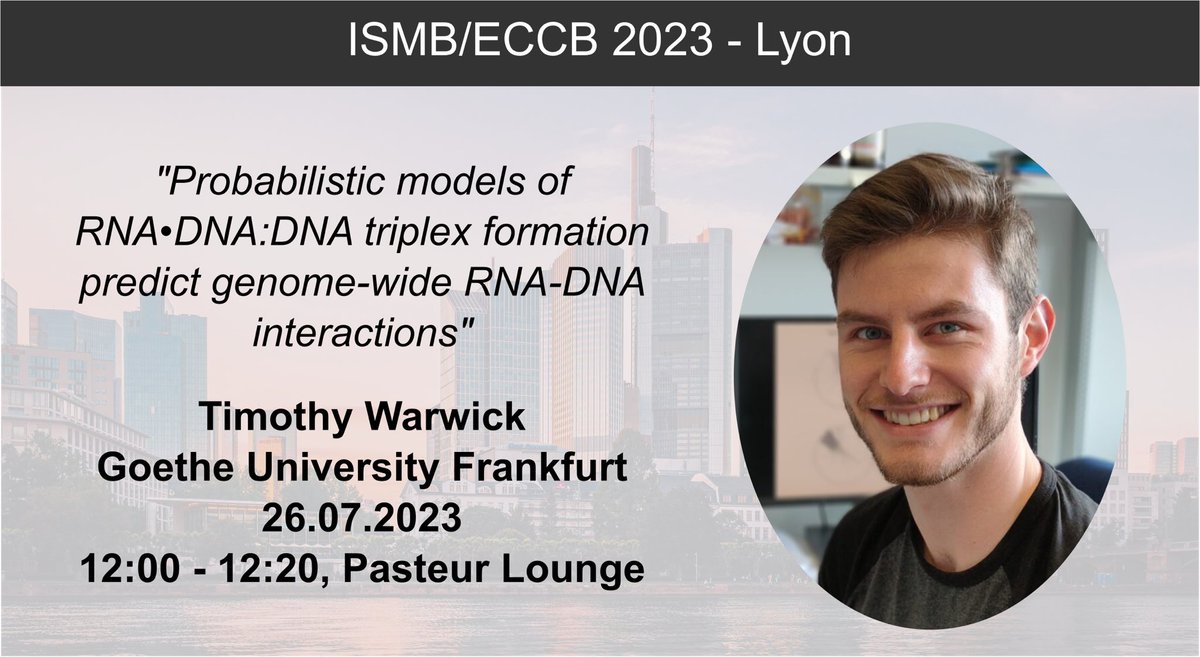
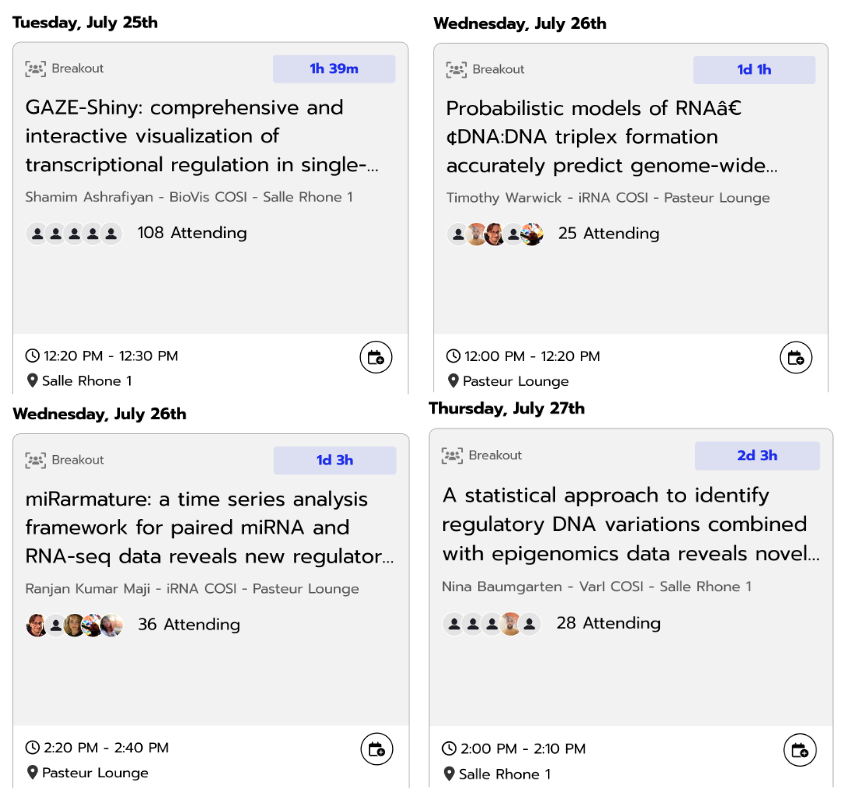
For anybody at #ISMBECCB2023 interested in mechanisms of regulatory #RNA, I’ll be giving a talk on our recently published method on prediction of RNA-DNA interactions at 12:20 TODAY in the iRNA session! @BrandesLab@TheMarcelSchulz@trr267@CPI_ExStra