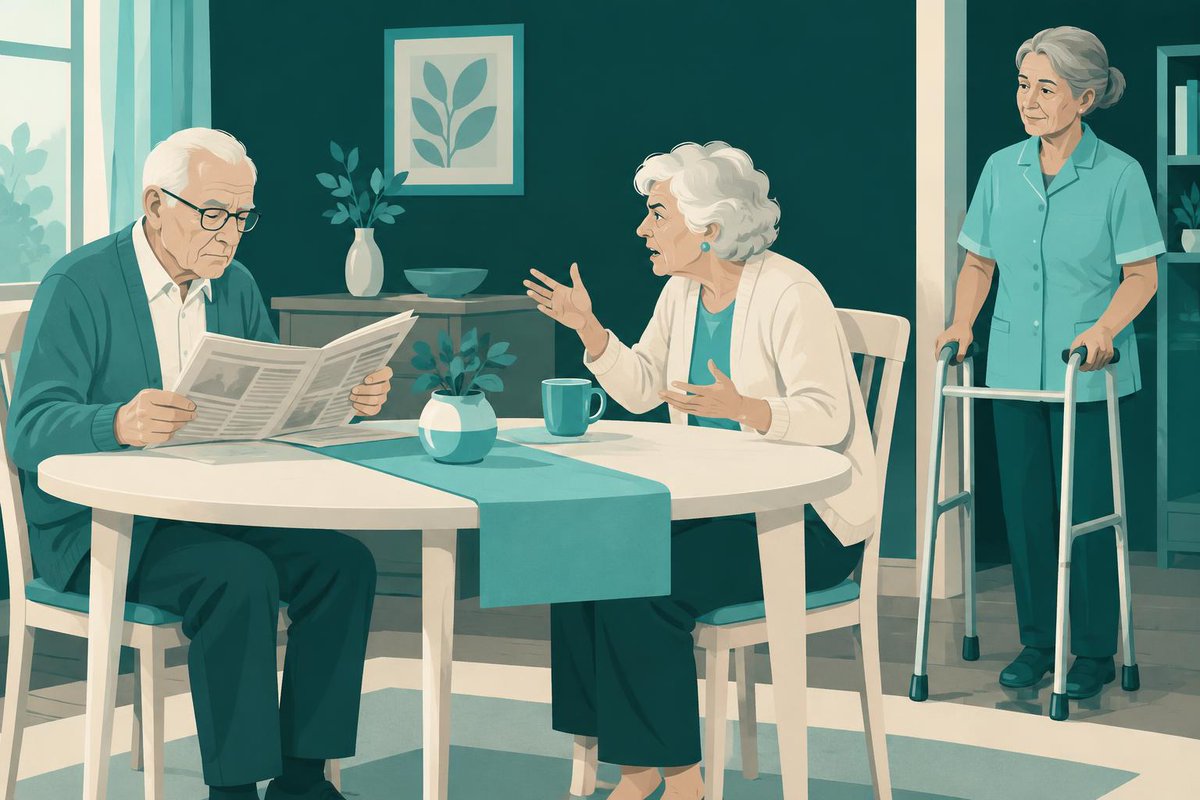
What practical guidance would you offer to an individual caregiver facing friction repeatedly during a single shift?
Calm self-respect offers a practical way forward:
• Listen without surrendering your concerns
• Disagree without attacking
• Set boundaries without threatening
• Respect authority without abandoning your responsibilities
The goal isn't fixing all family tension in one shift. It's creating conditions for safe, dignified care.
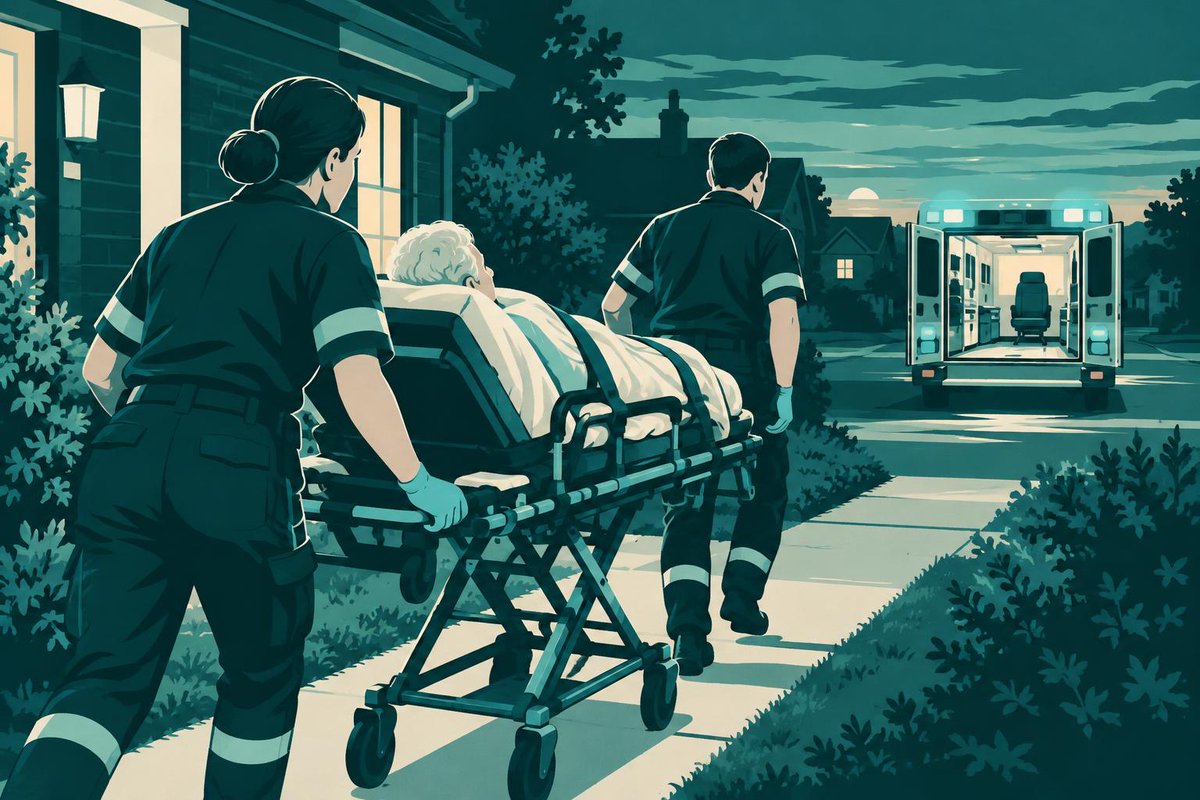
A crisis may demand immediate action, but it need not determine an older adult’s long-term future.
Sudden changes create urgent needs with lasting consequences. The challenge is to stabilize the situation while preserving time for discovery, consultation, and alternatives.
In senior care decisions, you can listen to family concerns without automatically adopting their preferred solution.
Acknowledge the risks, explain what truly matters to the person receiving care, and share the direction you believe is right.
Caregiving decisions can create tension.
We can confront, withdraw, give in, or respond with calm self-respect.
The goal isn't always agreement. It's creating conditions for better decisions.
When tension rises, which quadrant do you choose?
Inspired by Stoic Wisdoms on Substack.
When my mother passed away at 95, my father was alone in the home.
With my 7 siblings, we discussed and decided with my dad about his needs for care and companionship. Decisions were made with input from medical professionals, family, and my dad.
There was never conflict, even with different perspectives, because voices were heard and had real influence.
An immediate need does not always require a long-term commitment.
A fall, hospitalization, or sudden decline calls for medical care and temporary support. These actions can stabilize the situation without closing off future options.
Crisis response need not dictate long-term planning.
My mother had made it clear that she wanted to be at home, whatever the impact on her longevity.
When a sudden crisis hit, respecting that preference guided our decisions.
Honoring an older adult's wishes means prioritizing what matters to them over standard defaults.
Sometimes families begin making senior care decisions before they fully understand the situation.
The question they ask may already be limiting the answers they consider.
What happens when we reconsider the question before choosing a solution?
In family elder care decisions, disagreements are not always the primary obstacle.
Often, family members are simply working from different information, assumptions, priorities, or understandings of the situation.
The priority is creating room for everyone to be heard and clarifying the decisions that actually need to be made.
When someone you love refuses changes intended to reduce fall risks, you see danger. They may see loss.
No walker. No grab bars. No removing clutter.
They may see a loss of:
• Independence
• Control over their home
• Decision-making authority
• Confidence in their abilities
An unsafe decision does not automatically mean someone lacks decision-making capacity. Don't assume you know what the resistance means.
Three steps to a different approach:
1. Begin with what you can control
You can choose your response, your tone, your questions, and your willingness to listen. Pressure and arguments may strengthen resistance. Start by managing your own approach, not trying to control their decision.
2. Discover, then reflect
Ask what makes a proposed change unacceptable.
“It sounds like these changes make you feel less in control of your home. Am I understanding you?”
Listen for clarification, not an opportunity to argue.
3. Discover whose voice they trust
Is there a healthcare professional, therapist, friend, or family member whose judgment they respect? Explore whether they would welcome that person’s perspective—not as someone recruited to win the argument.
You may not control the decision, but you can influence the conditions in which it is made.
Preserving trust keeps the door open for future conversations.
Different participants in senior care naturally hold different priorities:
• An older adult may emphasize comfort or independence
• A family member may be concerned about safety
• A caregiver may be responding to professional requirements
One major obstacle is believing we already understand what another person wants, needs, or values.
We can become paralyzed by answers to questions we have never asked.
In senior care decisions, we often assume services are unavailable, family won't help, or finances rule out alternatives.
Some obstacles are real. Others remain untested assumptions.
What haven't you asked yet?
By the time senior care decisions are being discussed, there is often already a great deal of uncertainty—about what is actually happening, who is part of the decision, and what needs to be addressed first.
Not because people aren’t paying attention, but because there hasn’t been a clear way to step back.
Focus on that earlier moment—before urgency begins to shape the conversation.