Day 1 of #APSA2024 means it's time to shamelessly announce that I am on the job market this fall! If you're hiring in comparative, pol behavior, or pol comm, or just want to chat, please reach out - I will be in Philly until Sunday
Why are voters and parties so divided on cultural issues? Why do low-income voters support the right? This paper shows that economic change raising the salience of the educational divide can shift voters' social identities, explaining these phenomena. https://t.co/BwplhWSis1
(1/4) 🚨Excited to share my new solo article in Political Behavior: “The Effects of Partisan Elites’ Violent Rhetoric on Support for Political Violence” This study examines how co-party elites’ violent rhetoric can fuel support for political violence focused on the U.S.
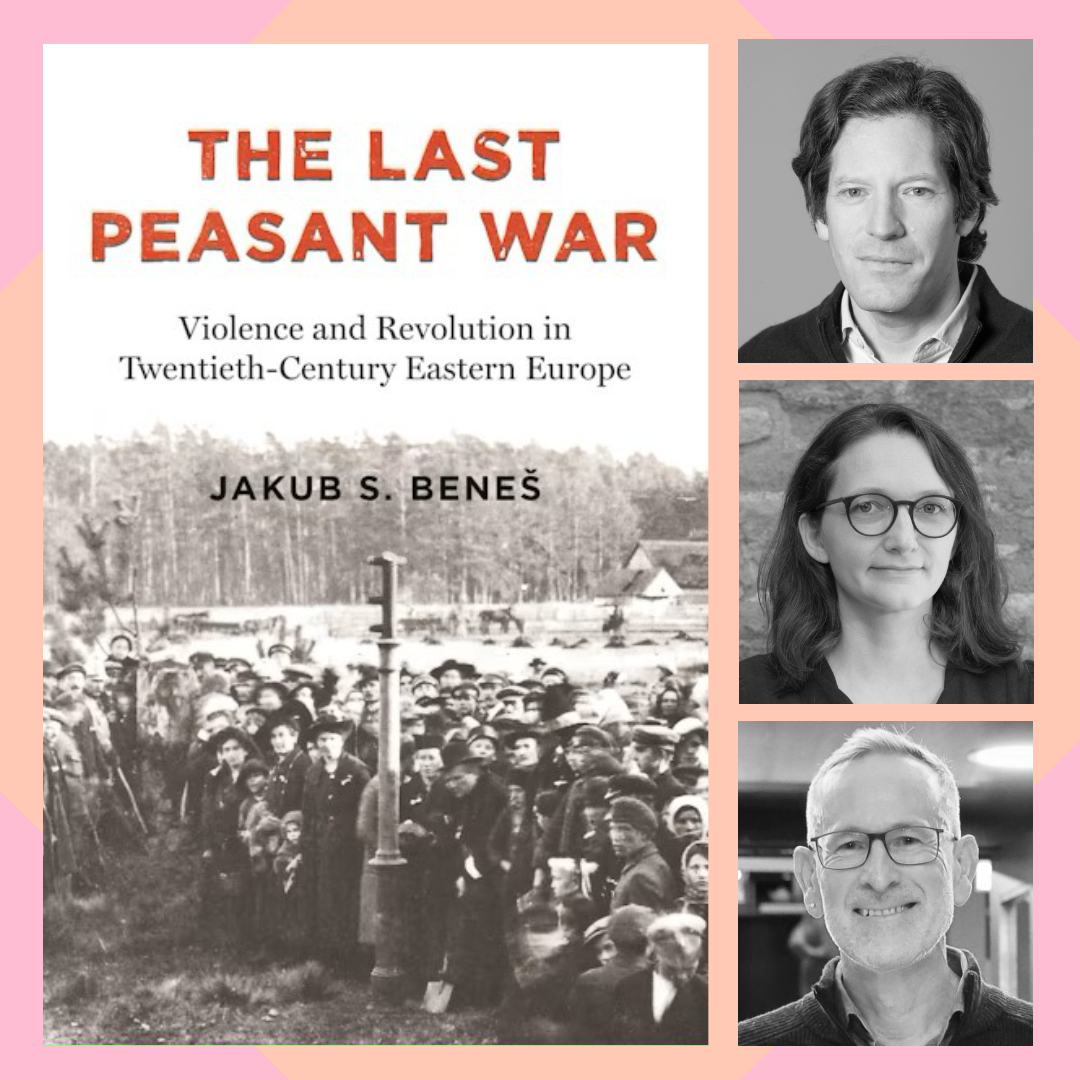
UNDERSTANDING THE ROOTS OF POPULISM IN CENTRAL EUROPE AND BEYOND
Tuesday 29 April, 7pm
Join historians Jakub Beneš, Mark Cornwall, and Claire Morelon for a panel discussion on Jakub's new book and his fresh take on European history.
https://t.co/0BeO1EiO1j
W/ @UCLSSEES
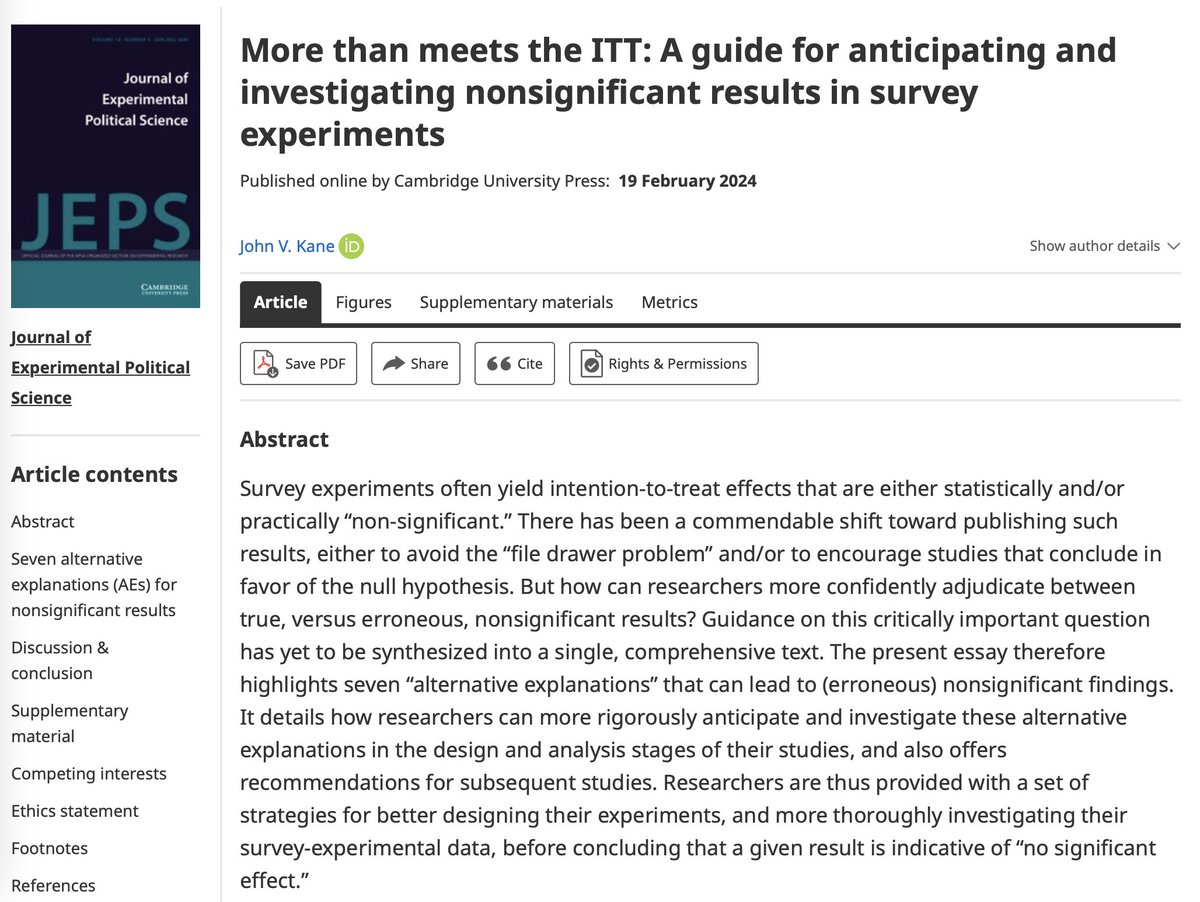
🚨It's finally out AND #OpenAccess!!!
Do you do survey experiments? This article is for you! 7 things that increase the risk of null/non-significant results & how to detect/prevent them. It's one of my fav things I've ever written so I hope you enjoy.😊
https://t.co/ogOtzFbMkP
Our findings speak to our understanding of electoral behavior, parties' electoral strategies, as well as the bases of political inequality.
At the very least, it suggests a much more equal starting point than we (and likely most other scholars) have supposed!
7/7
Very excited to share our new paper with @Rwillh11, James Adams, Simon Weschle, and @CBWlezien!! Out today @JEPOP
https://t.co/3m77gYmQRe
A short thread 🧵
1/n
Overall, the various information cues available to citizens when evaluating the distances between parties seem to be used in fairly similar ways by the more and less politically sophisticated.
These effects hold for other measures of political sophistication: education & political knowledge.
6/n
Overall, the various information cues available to citizens when evaluating the distances between parties seem to be used in fairly similar ways by the more and less politically sophisticated.
This speaks to our understanding of electoral behavior, parties' electoral strategies, as well as the bases of political inequality.
It suggests, at the very least, a much more equal starting point than we (and likely most other scholars) have supposed.
6/6
Been thinking a lot about proxy leadership among female politicians in Bihar & Maharashtra with @priyadarshiamar & @ApurvaBamezai. Despite multiple news reports, there is limited info on how common proxy leadership actually is. We're digging into it in an upcoming working paper🧵