Sometimes, the noise of everyday life gets a bit too much.
The constant pinging of phones, the traffic, the rush to get everywhere.
What people often need is a genuine break, a place to switch off and just be.
It turns out, there's a tiny spot in the Yorkshire Dales that might just be the perfect answer.
Tucked away at the top of Swaledale is a charming little village of Thwaite 👇
“Iris” was written by Goo Goo Dolls frontman John Rzeznik specifically for the 1998 film City of Angels, starring Nicolas Cage and Meg Ryan. At the time, Rzeznik was staying in a hotel in Los Angeles when music supervisor Danny Bramson asked him to write a song for the movie.
The track became a radio phenomenon, spending a then-record 18 weeks at No. 1 on Billboard's Hot 100 Airplay chart. Because no commercial single was released in the US the song was initially ineligible for the Billboard Hot 100. When Billboard changed its rules in December 1998 to allow airplay-only songs onto the chart, “Iris” debuted at No. 9 and ultimately peaked there. It became the Goo Goo Dolls' signature song, was nominated for three Grammy Awards and went on to become one of the defining alternative-pop hits of the late 1990s.
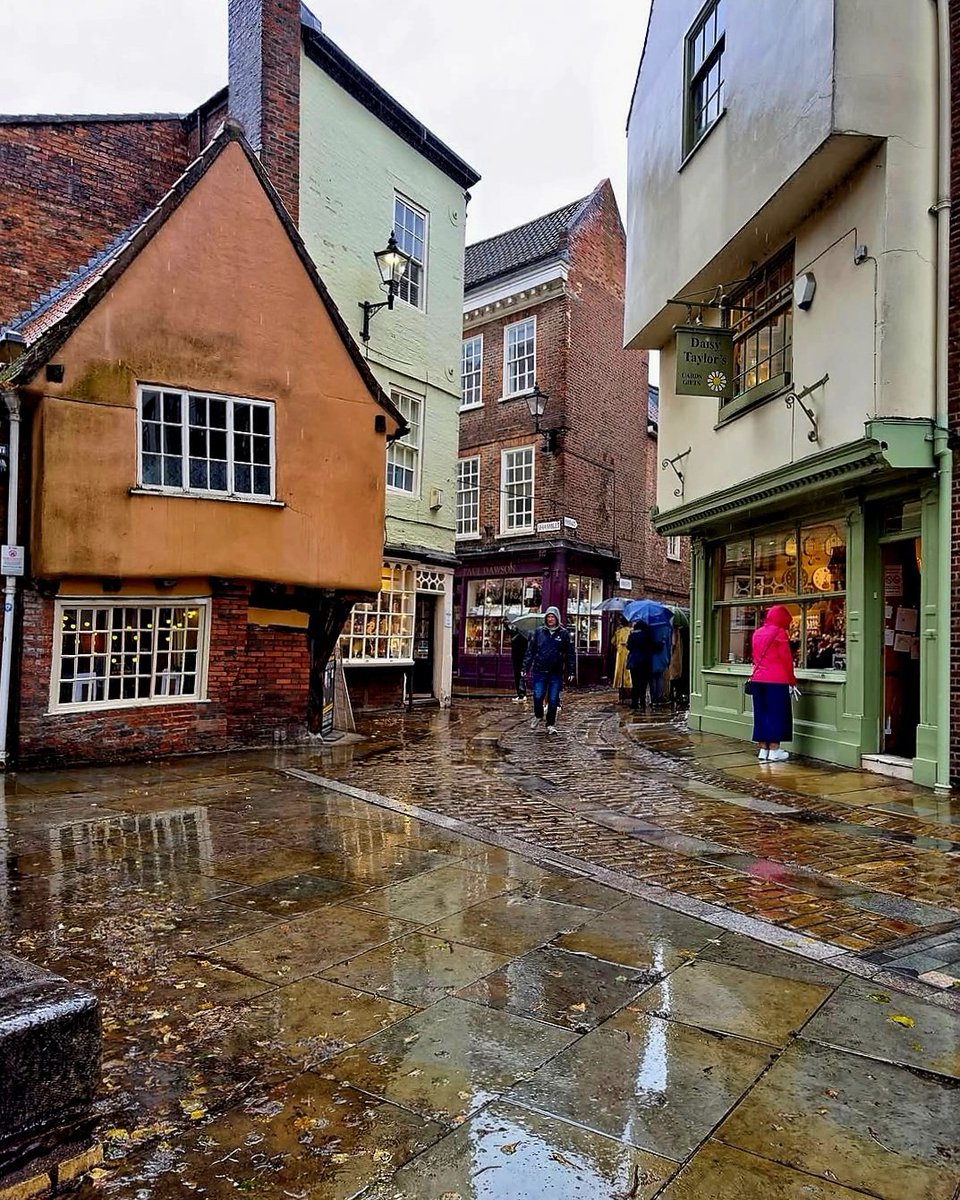
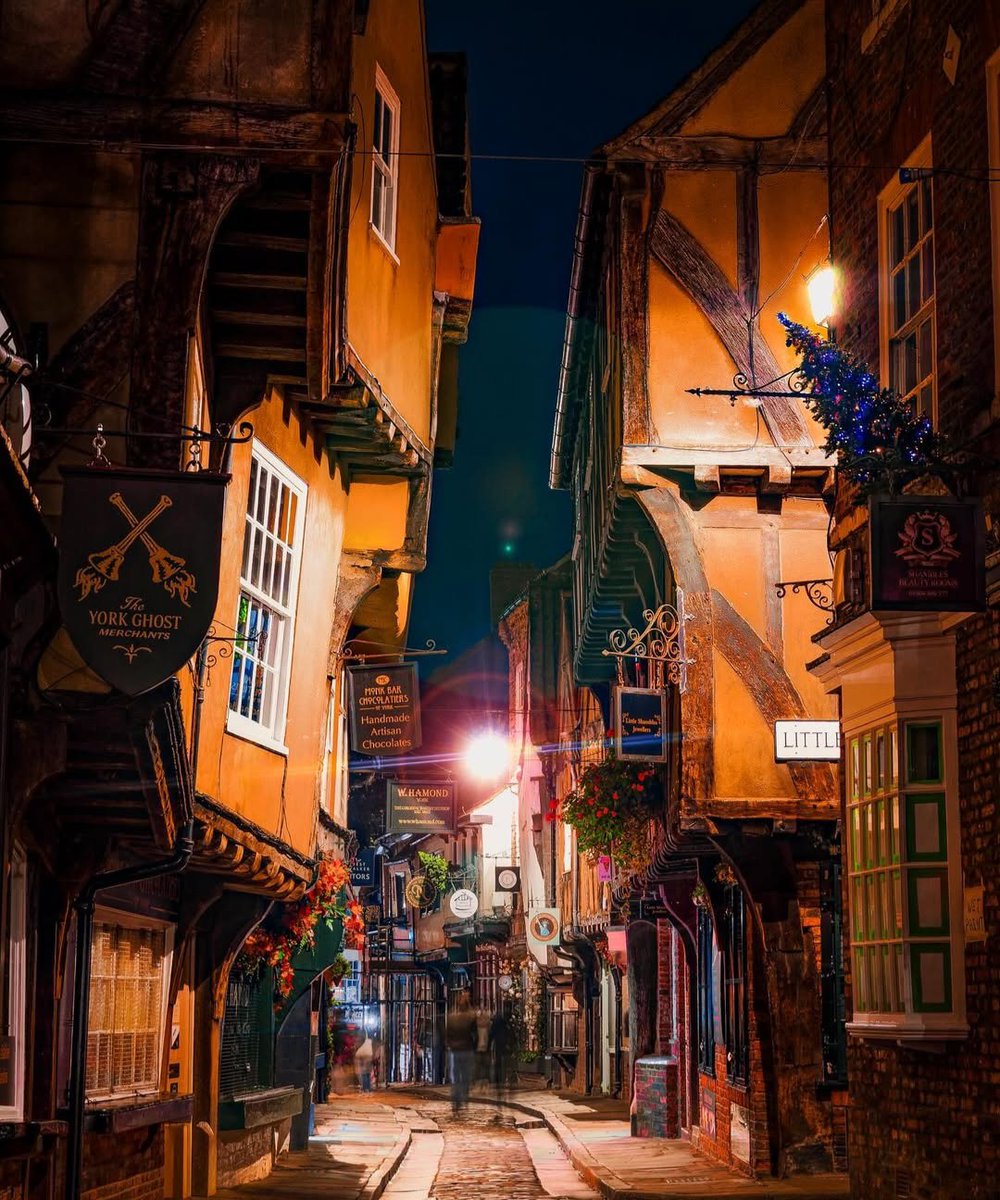
One of the most well preserved streets in Europe ♥️
The Shambles, York 🏴
It appears in the Domesday Book of 1086, and most of the timber framed buildings you see today date from around 1350 to 1475.
The name comes from the Anglo-Saxon "fleshammels", meaning flesh shelves, because this was York's butchers' street. Right up until the 1870s, there were still around two dozen butchers' shops here.
Look closely and you can still spot the meat hooks on some of the shopfronts. The upper floors lean in so close that in places you can nearly touch both sides of the street, a design that kept the meat out of direct sunlight.
Not a single butcher remains, but the street is still standing after nearly 1,000 years.