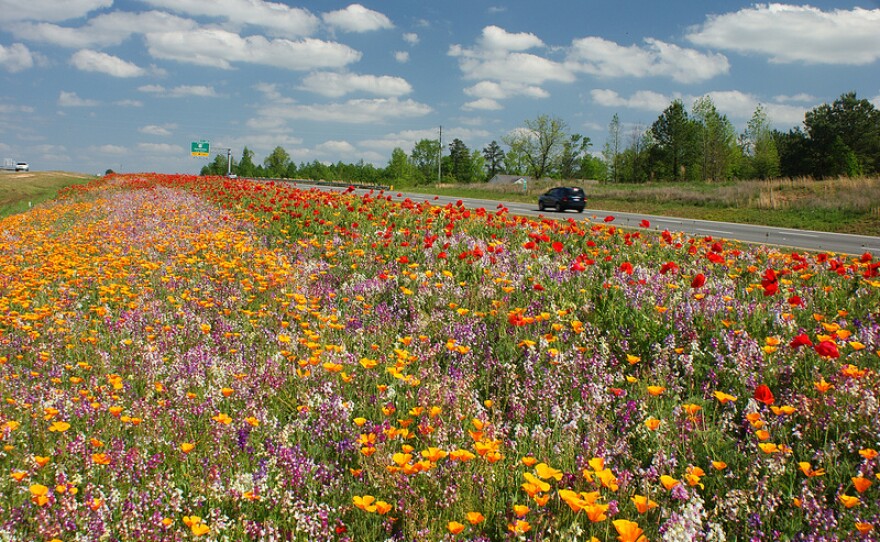
The US mows roughly 12 million acres of roadside every year. That's larger than the state of Maryland, maintained as mowed grass that feeds almost nothing, at a cost of hundreds of millions of dollars annually.
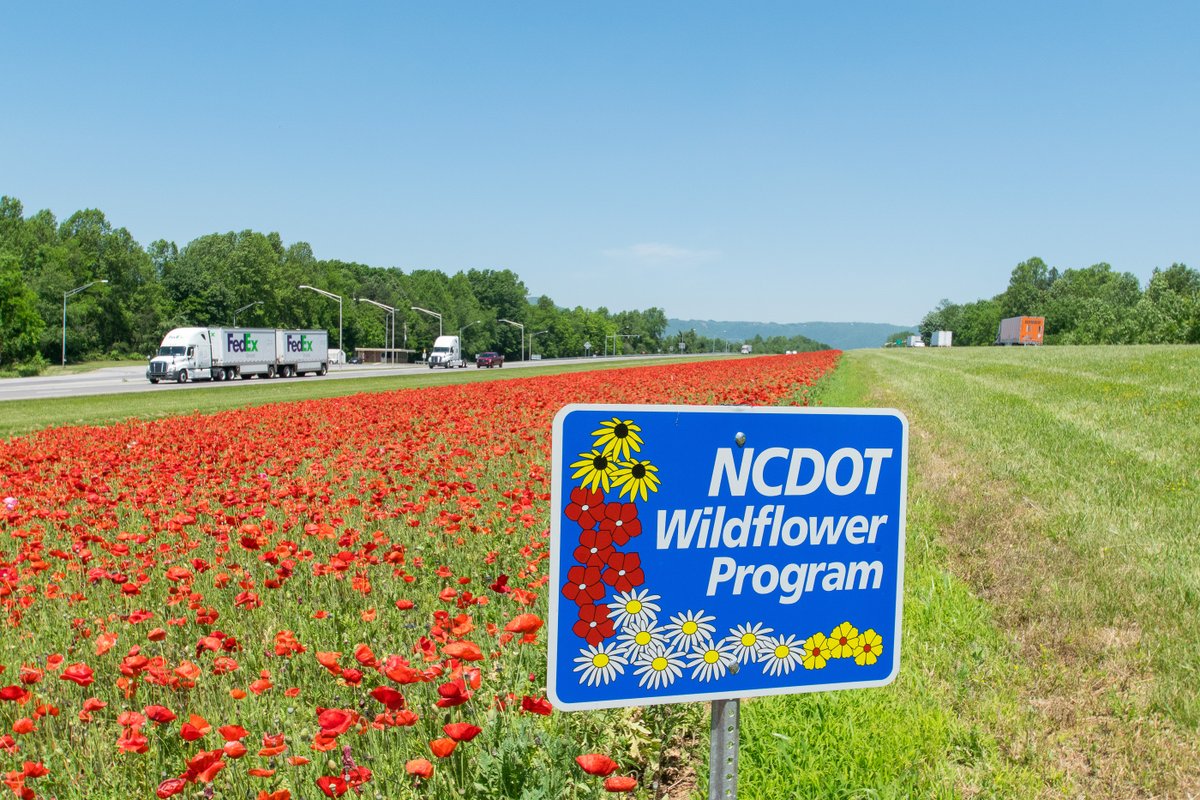
North Carolina figured out a better use for it in 1985. What started as 12 experimental acres of native wildflowers planted along roadsides has grown to 1,500 managed acres across the state, saving an estimated $200,000 a year in mowing costs while providing habitat for pollinators, birds, and the beneficial insects that control crop pests on nearby farms.
A 2024 BioScience review found something surprising to many: a mown safety strip immediately adjacent to the pavement, with native wildflowers planted in the wider verge beyond it, actually reduces insect mortality by keeping pollinators on one side of the road rather than crossing it.
12 million acres is an enormous amount of potential habitat that currently does almost nothing. The fix isn't complicated. It's mostly just stopping the mower in the right places.
Studies:
Doi 10.1093/biosci/biad111
Doi 10.1007/s10841-018-0051-2
A satellite-tagged bar-tailed godwit set the record for the longest nonstop bird migration, flying about 13,560 km (8,425 miles) from Alaska to Tasmania in roughly 11 days without stopping for food, water, or rest.
To power the journey, godwits build massive fat reserves before departure and even shrink some internal organs during flight to reduce weight and energy use, an extreme adaptation for long-distance migration across the Pacific.
#Migration #Wildlife #Birds #Biology #NatureScience
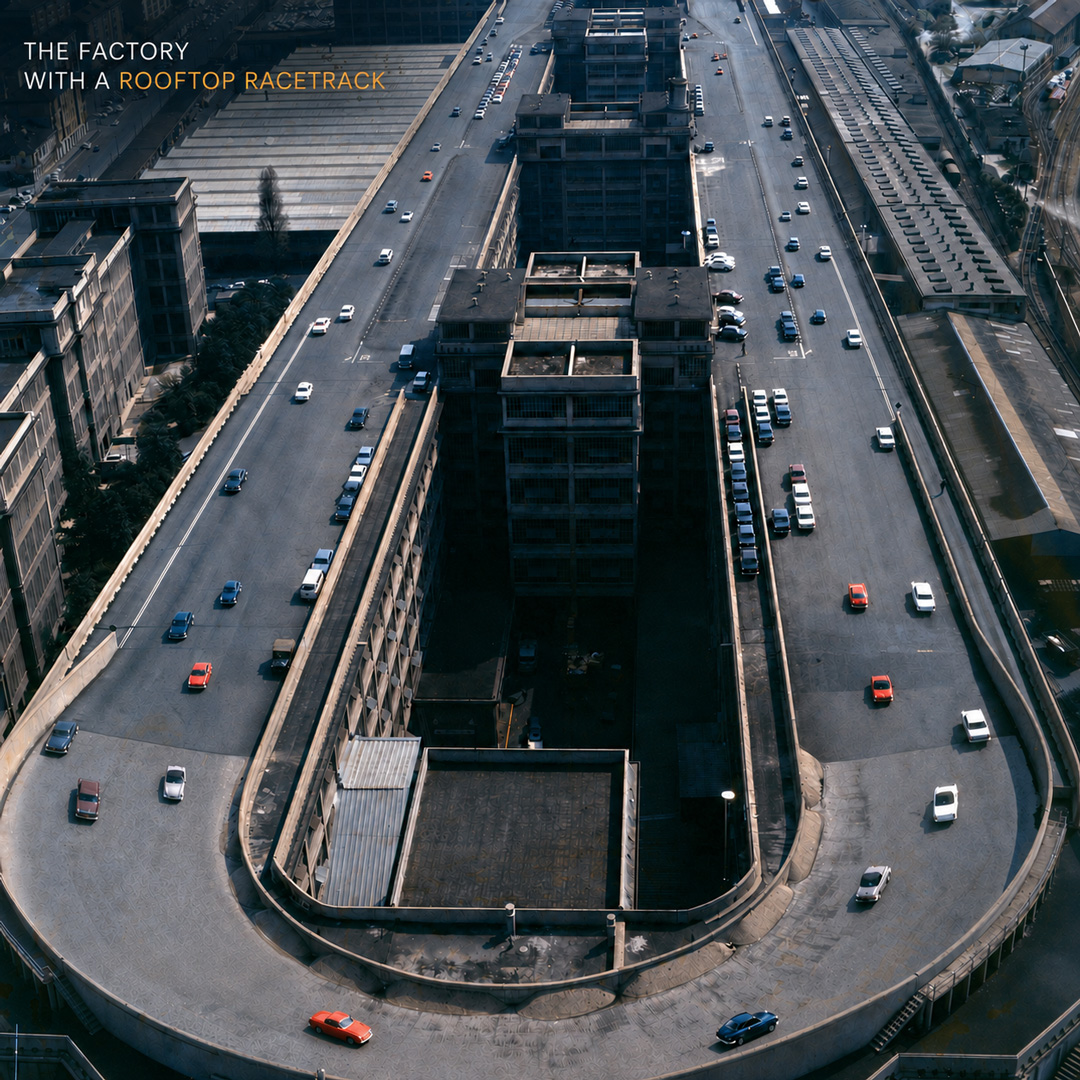
Opened in 1923, Fiat’s Lingotto factory in Turin had a rooftop test track.
Cars were assembled inside the five-story factory, driven up through spiral ramps, and tested on the roof before leaving the building. At the time, it was one of the most unusual industrial buildings in Europe — a factory where the production line ended on a racetrack.
Fiat stopped using Lingotto as a car factory in 1982, but the rooftop track still remains.
🚨Anthropic just showed a 24-minute workshop on how to actually do prompts for Claude.
Taught by the people who built it.
Free. No registration. No paywall.
I've seen $300 courses that don't cover what they teach in the first 8 minutes.
Watch it and bookmark it now.
This police dog in training performing a CPR is stealing hearts and we think he’s the goodest boy… please leave a big heart for this future life saver ❤️
The I-5 South Union St. exit in Seattle, Washington has to be the worst design exit ramp in the USA, granted the designers weren't expecting people to exit it going 80 mph.
Here's a compilation a resident took of all of the crashes coming off the ramp.
This is Buddy Mercury. He and his lil sis turned the piano into the wildest party ever. Paws flying on the keys, toddler dancing like mad pure chaotic joy overload. These two are living their best lives.
MISSING PERSON: Hannah, W/F, 28 years old. Last seen near Shilshole Avenue Northwest and the 14th Avenue Northwest boat ramp in Ballard. If seen, please call 911.
The first AI agent for Nano Banana 2 just dropped 🤯
You can now generate and edit images with pixel-perfect precision using Lovart. Just point to an object, mark the area, and tell the AI what to change.
→ Swap clothes or objects instantly
→ Edit text without ruining typography
→ No layers, no masks, no complexity
We started with a simple question: Can AI sustain life?
Turns out? Yes!
Claude kept Sol alive from seed to fruit - managing everything autonomously. Water, light, temperature, soil. Just Claude making real-time decisions and adapting.
That was the proof of concept. Then the coin came along.
The fees didn't go to a gold chain and a new whip. Every dollar went straight into equipment, infrastructure, building out the vision. And here's what we've been working on:
Four autonomous research pods - each pod with its own microclimate, and growing protocol where different Claude instances run experiments in parallel. Each one testing different variables. The data gets compiled by a lead research agent and used to optimize the main grow room.
And the other exciting component to this: which has been months in the making.
Self-extending systems- this is the part I'm so excited about. Claude doesn't just manage what's already there. Using a custom circuit-designed harness I built, he designs new sensors and tools when it needs them.
Then he sends the designs to our CNC machine. We fabricate the PCBs, and components get ordered by a digikey agent. Claude integrates the new circuit design back into the system.
The factory literally extends its own capabilities.
Imagine some lack of data in one of the experiments- they realized they need an oxygen sensor to plug into the Arduino to monitor how much oxygen is output. Claude sends a work order over to the circuit design agent. They whip it up in a matter of minutes, parts arrive the next day.
Autonomous coordination - everything's working together. Research pods feed data to production. Circuit design goes to fabrication. All of it happening without me micromanaging every step.
This is autonomous living intelligence. Not in some abstract future sense. Right now. In a warehouse. Real sensors, real plants, real decisions being made 24/7.
We're building a living factory. One that researches, designs, builds, and extends itself.
From one tomato plant to distributed research to self-extending systems.
This is what happens when you fund weird questions without gatekeepers. When you build in public and let the work speak for itself.
There is no play book because this is all new.
Next up: Keep building in public. Then we scale this thing.