One limitation of Census data is that much of #Detroit is categorized as “hard to count” meaning the Census is the best data we can get, but it might not be the best representation of everyone in Detroit.
@detroitography
https://t.co/la8WJNSq6C
Detroit kept residents in the dark about hazardous contaminants at waterfront park. This is why I’ve urged the city to release environmental reports. https://t.co/zJX1sWBMOG
🎄Each year, more than 25 million Christmas trees are grown and harvested in the United States.
🔎 Our latest map shows which counties grow the most and where you can cut your own tree from a national forest.
https://t.co/OwmPKvK9jI
#dataviz#maps#Christmas#Christmas2023
COVID-19 was the first pandemic of the urban century, challenging cities worldwide to rethink planning, governance, and operations.
@rkeil@Creighton88@SHarrisAli on what the pandemic taught us about urban environments:
https://t.co/nq5cEIgGYg
Internal documents and former company executives reveal how Cigna doctors reject patients’ claims without opening their files. “We literally click and submit,” one former company doctor said. https://t.co/6sgSyILWnQ
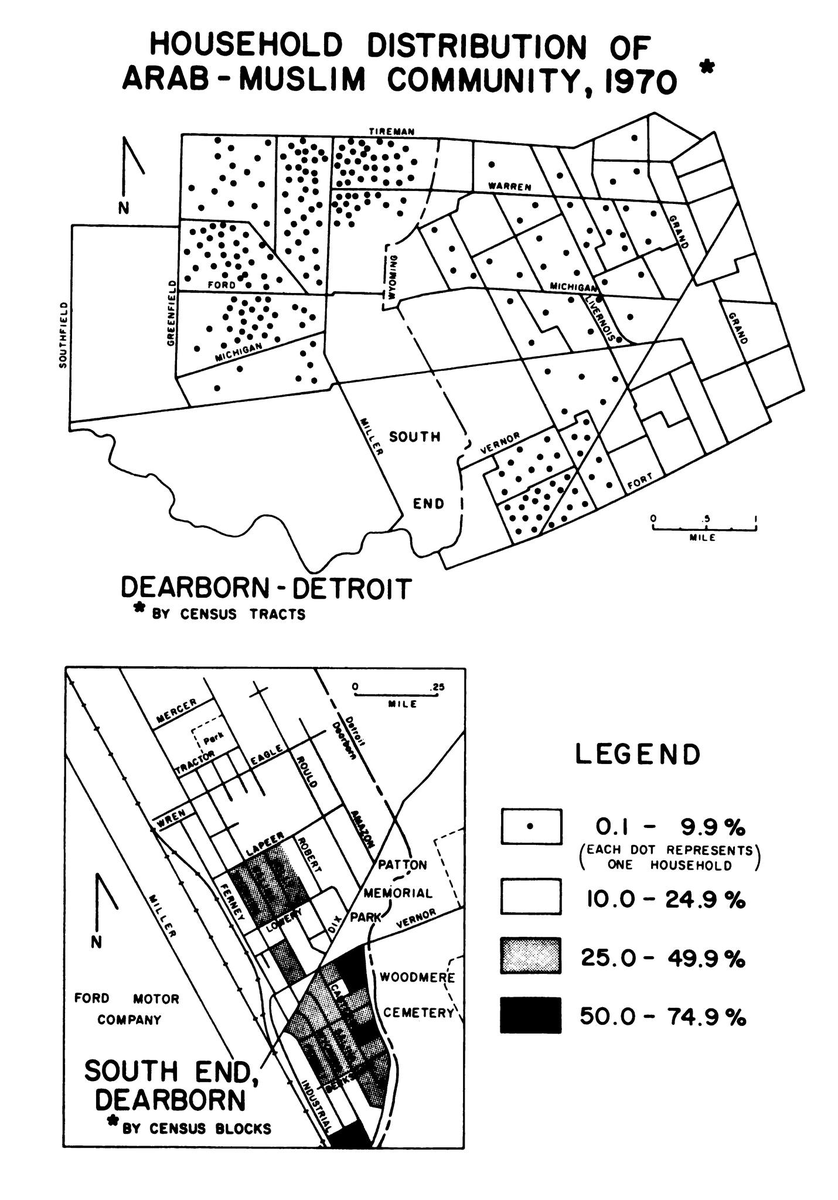
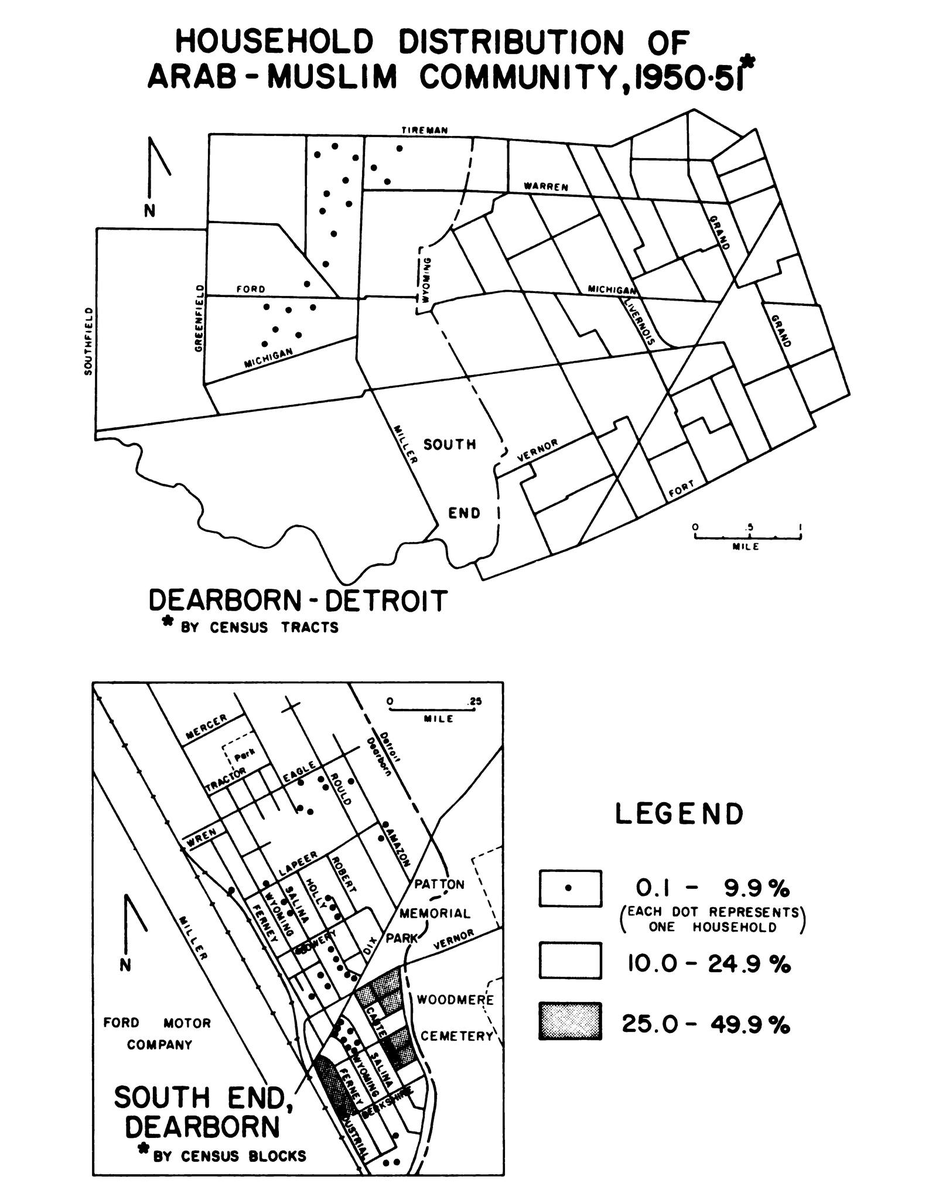
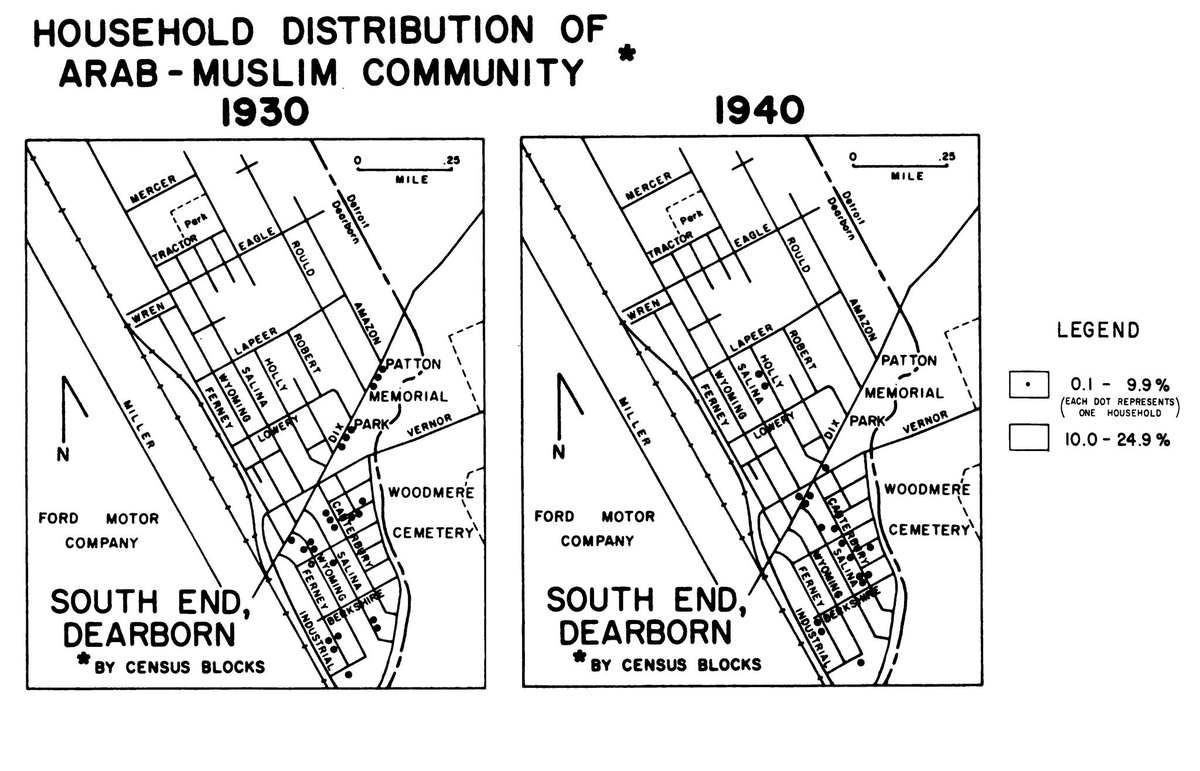
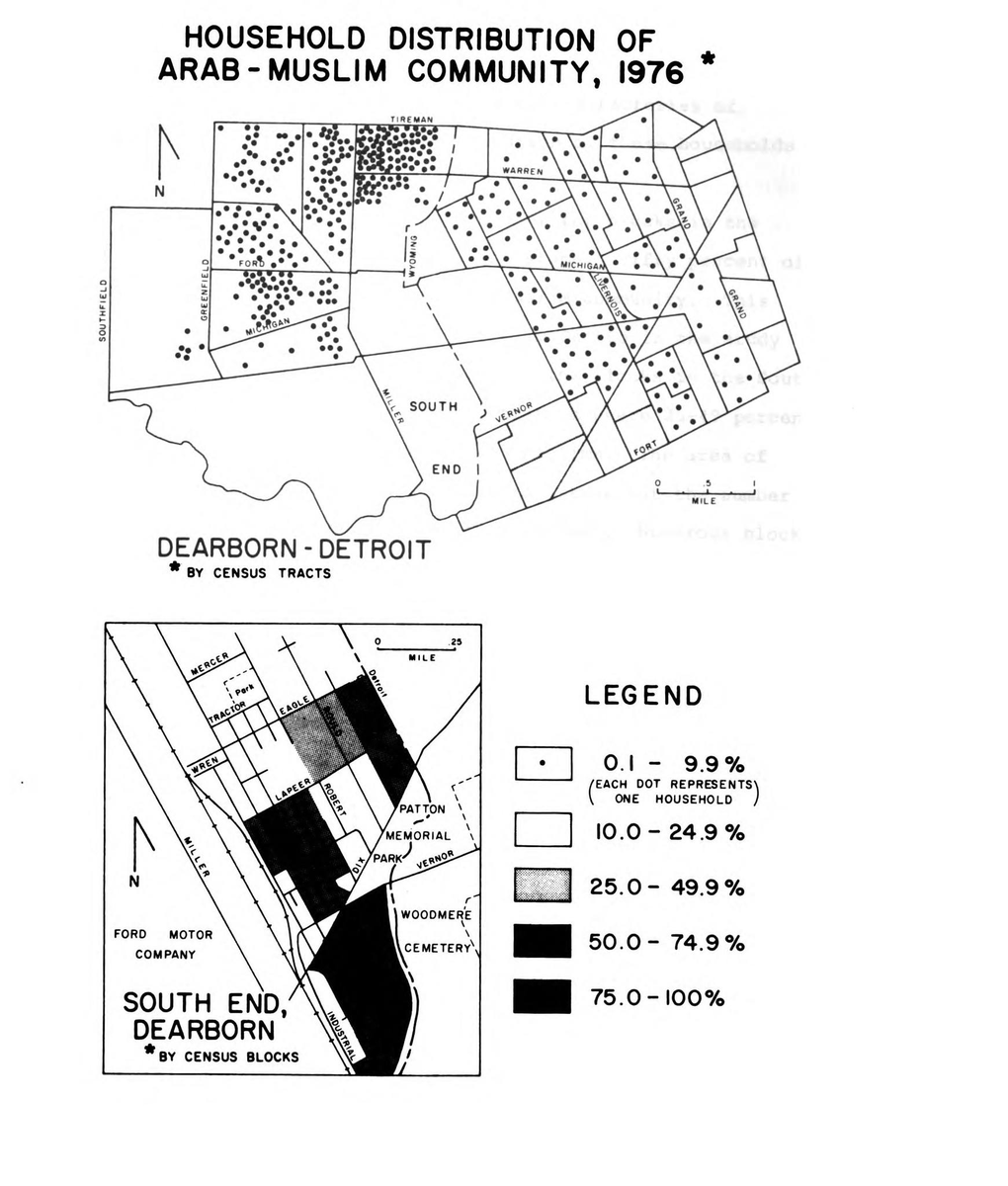
Ever curious how much Dearborn's Arab American community expanded over time? These maps showing Arab American households were published in a 1977 MSU Geography dissertation by Mohammad Mahmoud Siryani
It’s been 30+ years since a federal law began requiring museums, universities & agencies to begin returning human remains and funerary objects to Native American tribes.
Here are some institutions still holding thousands: 🧵👇
In Missouri the new year started with it becoming a crime to sleep on state-owned land. That means streets, parks and beneath bridges and overpasses. You‘ll be fined $750 and face 15 days in jail. In other words poverty is criminalized in Missouri.