We curate the world’s most compelling maps to help you navigate topics affecting the planet and everyone who lives here. Submit your maps for consideration!
An extraterrestrial landscape exists in Idaho.
This map from Shira Ellenson and YoLani Martin highlights the otherworldly terrain found at Craters of the Moon National Monument and Preserve.
Learn more about it at https://t.co/VnL6vLATdO
In loving detail, Madeleine Ratcliffe at @esriuk illustrates the relationship between composer Smetana’s music and the Vltava River in Czechia.
Learn, watch, and listen for more: https://t.co/eNUch5roUc
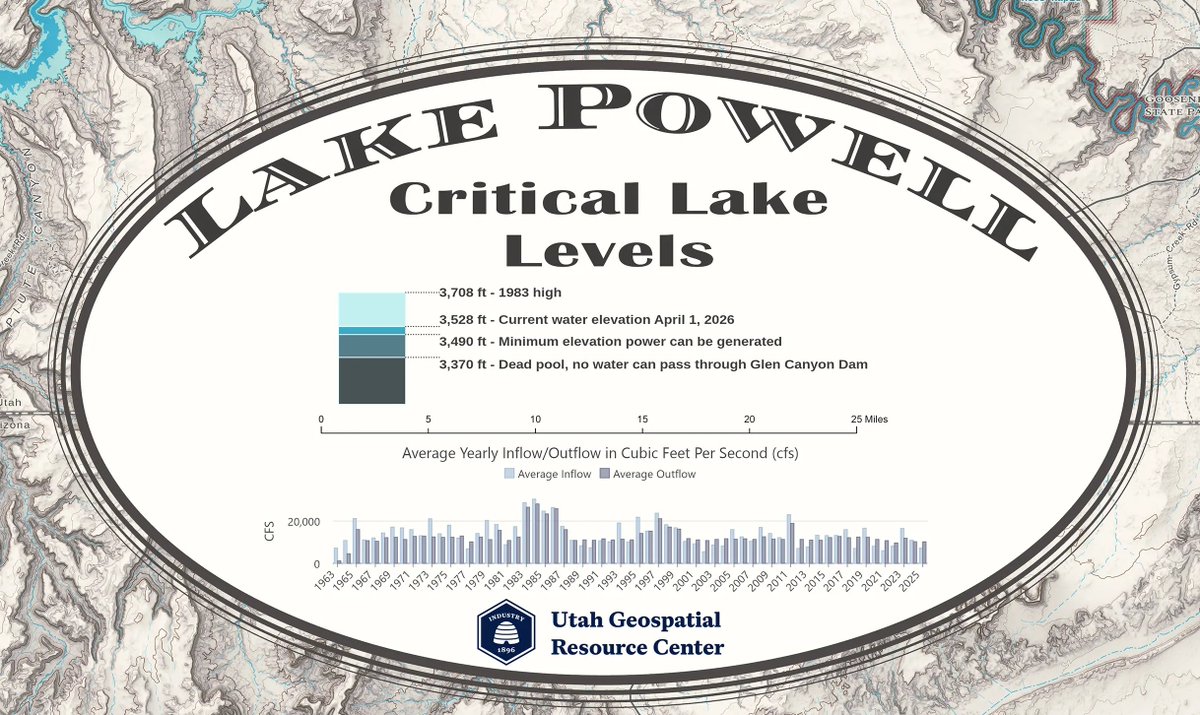
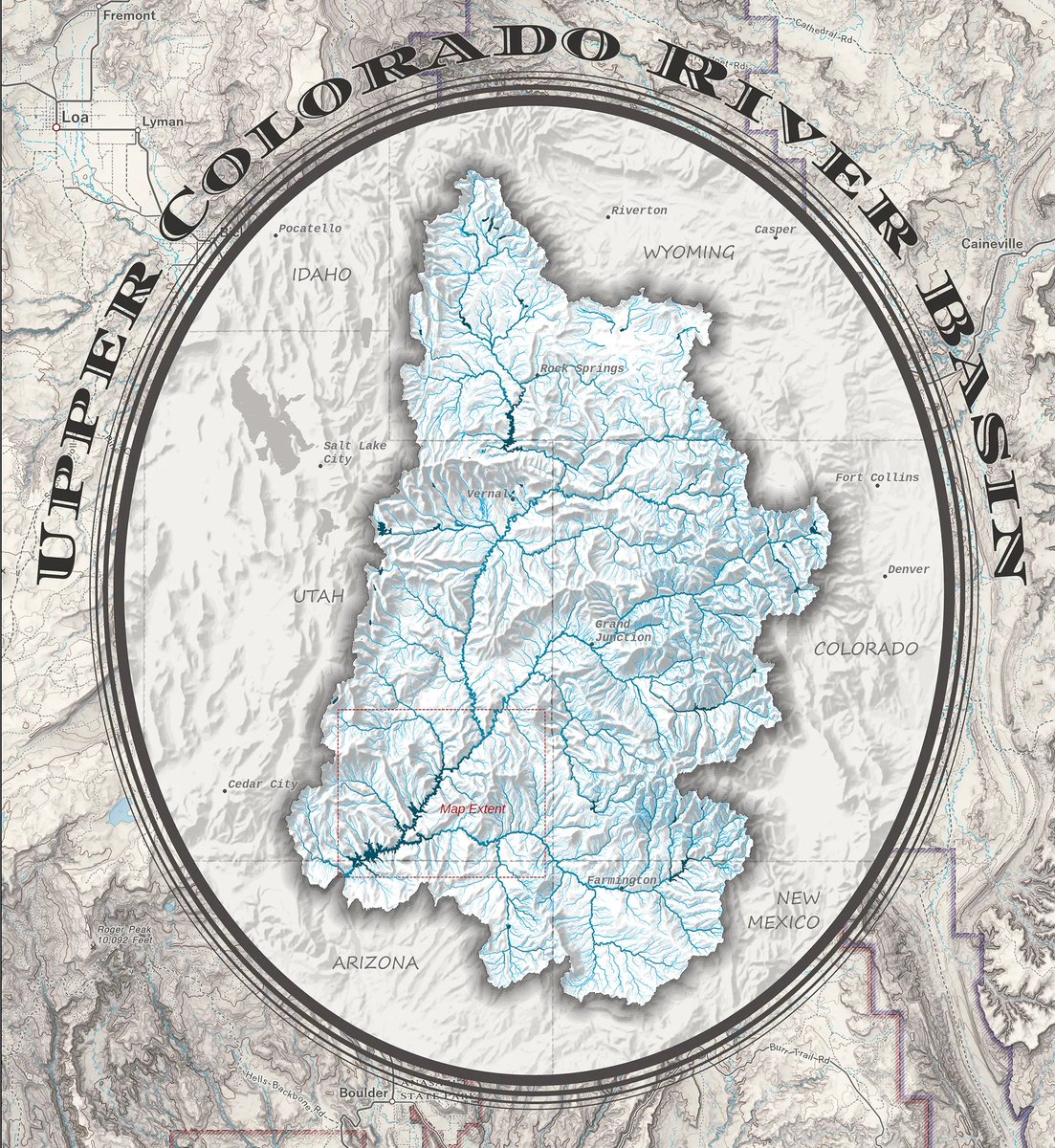
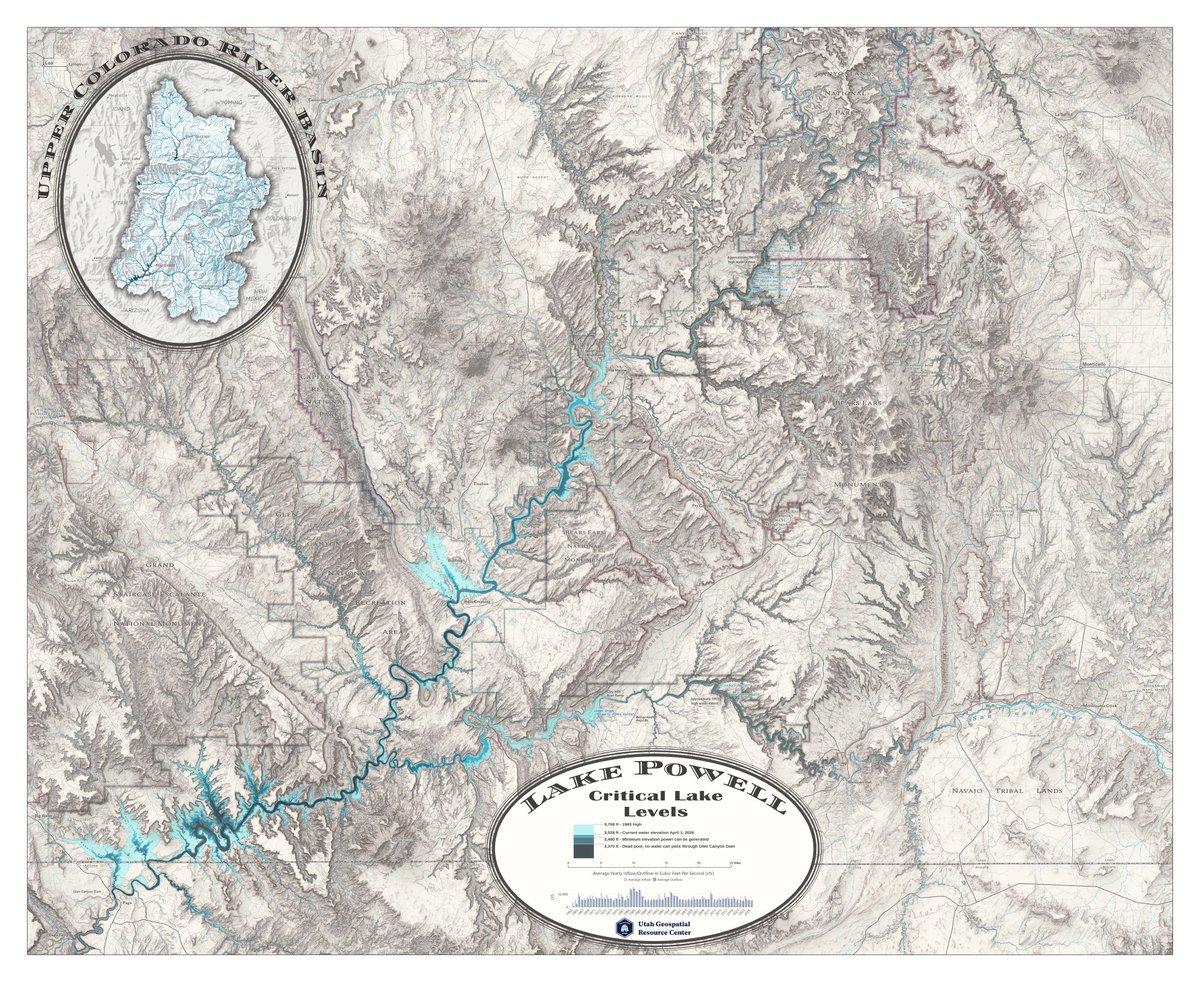
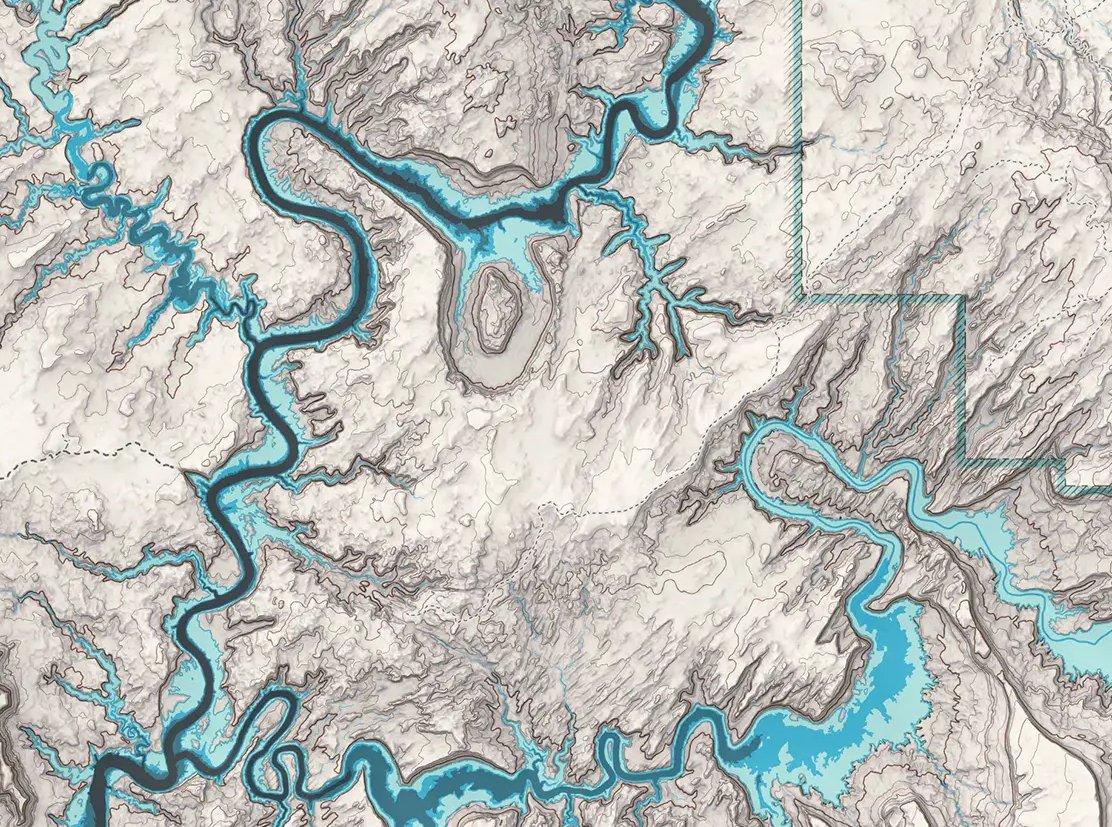
Lake Powell is a key reservoir for the southwestern United States. But here, both time and water may be running out.
Great cartography from Zach Beck at @MapUtah provides a closer look at this vital and fragile resource: https://t.co/o7EaMQ9hO8
Track, explore, and learn about active and historic solar storms in a gorgeously interactive app.
CME Tracker by Mike DiCarlo combines data from NASA, NOAA, and GFZ to visualize coronal mass ejections in our solar system: https://t.co/4zoFhixAGX
Phosphor uses the oklab color space to accurately represent color. But it also supports CIE LAB, HSV, RGB, and other methods if you prefer them.
It makes my data viz work easier, and I hope it helps you too.
https://t.co/0HedCklu6H
Last year, more than 36,000 people lost their lives in motor vehicle accidents. And some locations are deadlier than others.
We've mapped America's deadliest intersections. See the full list at: https://t.co/IwKfhR0pID
Educating with Maps: We sat down with @josephkerski for a wide-ranging discussion about geography and spatial thinking.
Check it out!
https://t.co/yqZsTQ6MJN
Wildfires can, and do, occur all over Earth. But they’re starting to happen more frequently in places where they haven’t historically occurred as often.
Learn more via intuitive maps from @NASA’s Earth Observatory: https://t.co/TEiA7ZDHHh
How have carbon dioxide emissions changed over the past century?
As Earth warms, in part due to these emissions, scientists continuously monitor CO2 levels and where they originate.
See the full animation at https://t.co/3e7Z4nxdgv
Track Sea Surface Temperatures and Anomalies, Air Temperature, Aerosols, and other environmental metrics in near real-time with Earth in Action.
https://t.co/qu8yM2WN2K
Heatpeaks, by Benjamin Barthole, uses historical and hourly data from Météo-France to highlight heat anomalies across France.
And it does so by treating temperature anomalies as an elevation surface.
https://t.co/e0XGADQs81
The craft of making maps has become easier than ever due to digital programs and tools. But people still have a key role to play.
We recently discussed the human element of cartography with Wes Jones: https://t.co/DtmWMmsNT6
When do people list their homes for sale? It depends on the season...and the place.
Aziz Sunderji produced a new map with data from @Redfin to show how much real estate listings in each county are affected by seasonal swings.
Fires in North America, Africa, and Asia. Dust crossing the Atlantic. And Typhoon Dolphin barreling towards China.
Our planet is always in motion, and these are just some of the things we can see with Earth in Action.
Your map deserves more than a quiet corner of your portfolio. We're looking for beautiful, clever, surprising, and impactful cartography to share with map lovers around the world.
Put your work in the spotlight!
https://t.co/NHwurjuJ0D