Timothy Niewold, MD, Director of the Barbara Volcker Center, Hospital for Special Surgery, scientist studying the genetics and immunology of autoimmune disease
Introducing our 2026–2027 Scholar Cohort. 🧬
24 researchers. A record 131 applications. Our largest investment in arthritis science — ever.
None of this happens without our supporters — we're grateful for your partnership in making breakthroughs possible.
Meet the scientists: https://t.co/3MfmIiad2T
#CureArthritis
In our latest episode of In the Rheum, Dr. Timothy Niewold — rheumatologist, physician-scientist, and Buddhist priest — joins host Emily Stormoen to talk about the very real science behind stress and inflammation, and what mindfulness might actually do for people living with chronic disease.
This one is for anyone who has ever felt like stress makes everything worse, wants to know the science behind it, and what to do about it.
Listen now:
https://t.co/8XuMNw9OVH
#InTheRheum #Mindfulness #Meditation #AutoimmuneDisease #CureArthritis
Happening Today!
If weight and inflammation have been part of your story — or your conversations with your care team — this is the session you've been waiting for.
We're going live at 2:00 PM ET with experts breaking it all down in plain language, and sticking around for Q&A so nothing goes unanswered.
There's still time to grab your spot.
Register now → https://t.co/j9SNhbJtof
On #WorldLymphedemaDay, we’re standing with the lymphedema community to confront a system medicine has overlooked for too long.
For decades, the lymphatic system has been understudied. Under-imaged. Underestimated. (1/3)
Theresa Lu, MD, PhD, and Timothy Niewold, MD, FACR have been awarded funding from @ARPA_H to develop and validate a genetic polygenic risk score based on autoimmune susceptibility to identify cancer patients at higher risk of secondary lymphedema.
https://t.co/GzZajbxCi1.
Experts at @HSpecialSurgery collaborated to publish "Disrupting the RNA polymerase II transcription cycle through CDK7 inhibition ameliorates inflammatory arthritis" in Science Translational Medicine. #MedTwitter
https://t.co/AWZOx7rAEx
Experts from @HSpecialSurgery collaborated to publish "Regional European genetic ancestry predicts type I interferon level and risk of severe viral infection" in QJM. #MedTwitter
https://t.co/8SUQkDB502
I’m incredibly honored to receive this award. Huge thanks to the @LupusOrg !
This is a shared achievement with my family, mentors, mentees, and patients.
Excited to continue pushing lupus research forward!
Timothy Niewold, MD, FACR, (@TimothyNiewold) Vice Chair for Research in the HSS Department of Medicine,
addresses the rise in patients ordering direct to consumer lab tests without a doctor’s guidance, highlighting the benefits and risks. (via @medscape) https://t.co/PKmtdyqbi8
For the second consecutive year, HSS and @macaulayhonors partnered to cultivate biomedical research leaders of tomorrow. This summer program provided undergraduate students with an immersive experience in biomedical research and access to the laboratories of the HSS Research Institute and clinical research spaces through the HSS main campus. Participating faculty included Theresa Lu, MD, PhD, Program Co-Director, Alexandra Sideris, PhD, Celeste Abjornson, PhD, Tim Niewold, MD, Kyung Park-Min, PhD, and Amit Lakhanpal, MD.
Happy to be part of this study about TLR activation in myositis! TLR7/8 Activation in Immune Cells and Muscle by RNA‐Containing Immune Complexes: Role in Inflammation and the Pathogenesis of Myositis - Wu - Arthritis & Rheumatology - Wiley Online Library https://t.co/BFz6QrB7DX
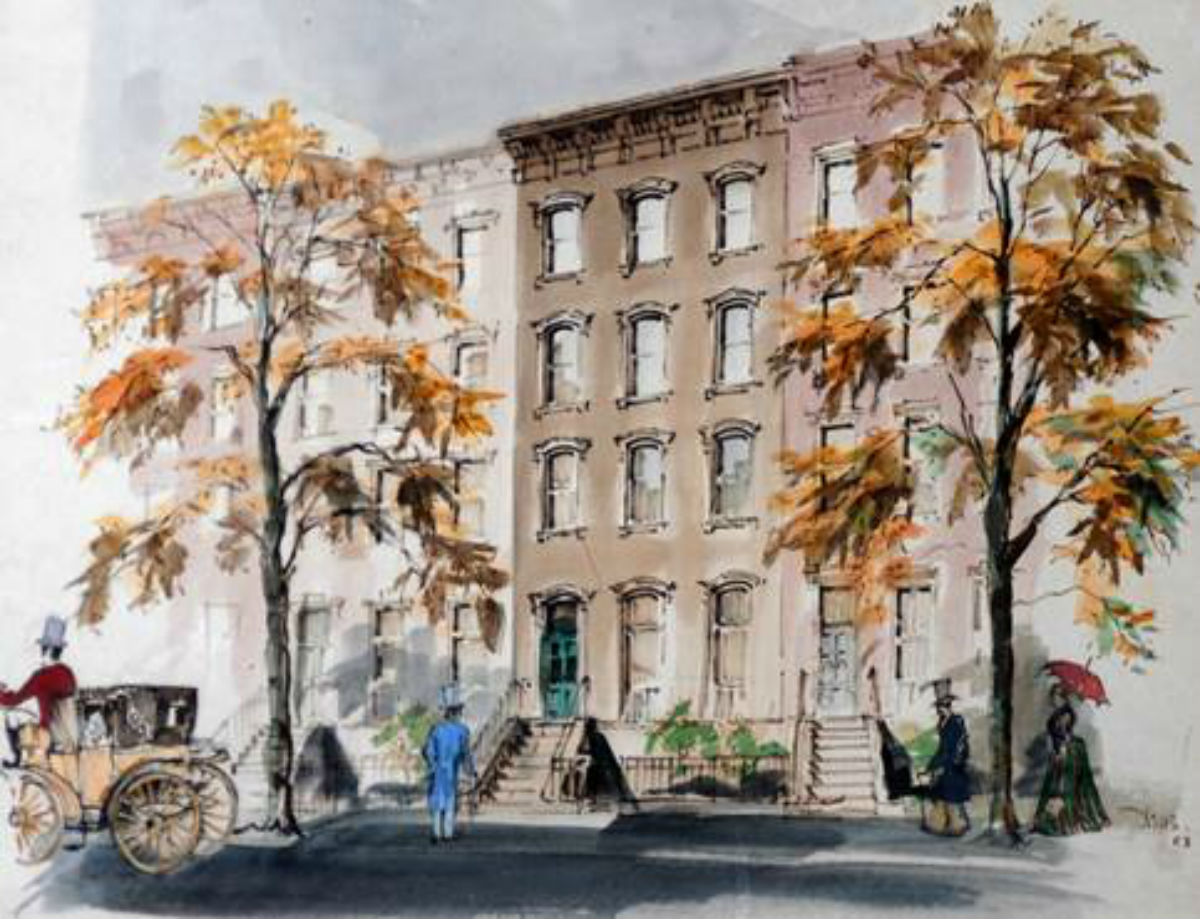
HSS, the world’s leading academic medical center specializing in musculoskeletal health was founded on this day in 1863, marking its 161st anniversary. HSS was then known as The Hospital for the Relief of the Ruptured and Crippled, and welcomed its first patients in the middle of the Civil War. Since then, HSS has contributed to advancing patient care, research, innovation, and education.
Our sense of Purpose is stronger than ever: to help people get back to what they need and love to do, better than any other place in the world.
Want to know more about how genetic ancestry in different regions influences the levels of a key anti-viral cytokine “type I interferon (IFN)” and how this relates to the severity of viral infections?? @IlonaNln