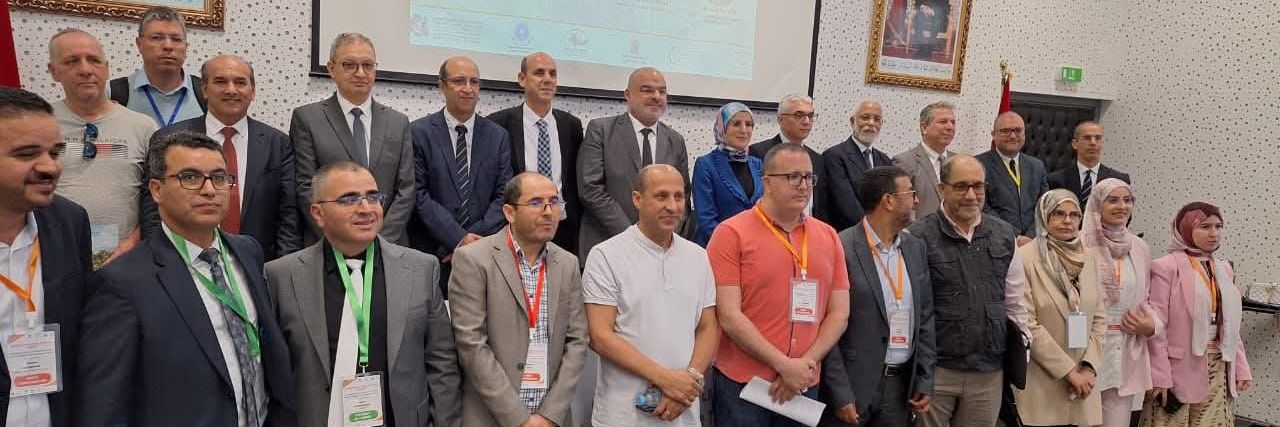
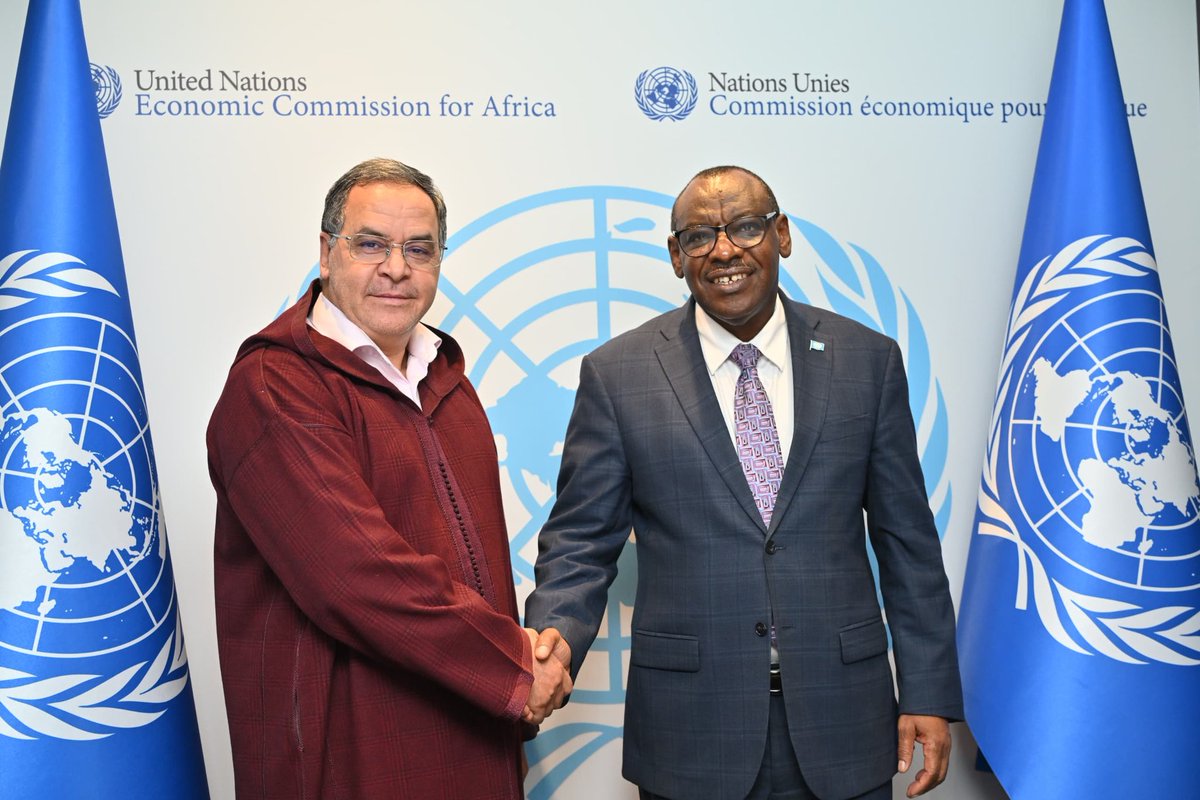
L’African Geospatial Development Index (AGDI) : Un outil continental de suivi, de pilotage et de redevabilité
https://t.co/rdedUXvByt
@ECA_OFFICIAL@ANCFCC2
📱 Interdiction des réseaux: la Commission européenne a estimé que la proposition de loi française interdisant les réseaux sociaux aux moins de 15 ans n'était pas pleinement compatible avec le droit européen, contraignant ainsi les parlementaires à revoir leur copie.
Le cloud et l’intelligence artificielle ont longtemps été présentés comme des leviers pour réduire les coûts et booster la productivité des entreprises. Pourtant, derrière cette transition numérique se cache une réalité peu visible : une augmentation constante des dépenses liées aux logiciels. En Europe, cette tendance devient un véritable enjeu économique. Au Maroc, où l’adoption de l’IA s’accélère, ce sont surtout les très petites et moyennes entreprises (TPME) qui risquent de ressentir en premier les effets de cette flambée des coûts.
https://t.co/PsTK3sFVF0
🚨 The UN's Scientific Panel on AI has just published its new report, and it offers a much needed GLOBAL perspective to a heavily US-focused debate.
Bookmark it below.
Morocco ranked 66th out of 121 countries in the use of Claude, the generative AI assistant developed by Anthropic, according to the company's latest Economic Index.
The report found that Moroccan users primarily use Claude for education-related tasks, including homework, as well as computer programming and coding.
#2menglish
Excited to announce the launch of the #AIforGoodCommission bringing together over 40 extraordinary leaders and visionaries to expand access to AI, strengthen trust & unlock AI's potential to solve real-world challenges.
Looking forward to the work ahead!
L'administration Trump a levé mardi lees restrictions pesant sur les deux modèles d'intelligence artificielle les plus puissants d'Anthropic, confirmant la reprise en main de Washington sur les activités de ce secteur stratégique.
➡️ https://t.co/R18rnqvteM
In just one week, the global #AI community will gather together for #AIforGood.
Throughout the week, I will show why global cooperation matters now more than ever — & how countries can translate AI strategies into scalable solutions for people & planet.
https://t.co/YEU7X4MY3I
🚨 The changes to the EU AI Act were APPROVED by the Council of the EU, including the postponement of high-risk deadlines. Key changes:
1. New application dates:
- 2 December 2027 for high-risk AI systems listed on Annex III;
- 2 August 2028 for high-risk AI systems listed on Annex I;
- 2 August 2027 is the new deadline for the establishment of AI regulatory sandboxes by competent authorities at the national level;
- 2 December 2026 is when the grace period ends for providers to implement transparency solutions for AI-generated content.
2. New prohibited AI practice:
- The generation of non-consensual sexual and intimate content or child sexual abuse material (CSAM) will be prohibited.
- AI systems that generate nude images of real people or edit clothes out in existing photos to reveal intimate parts are banned starting in December 2026.
3. Clarification of the competences of the AI Office:
- The new text clarifies the competences of the AI Office for the supervision of AI systems based on general-purpose AI models where the model and that system are developed by the same provider.
- It lists the exceptions where national authorities remain competent, including law enforcement, border management, judicial authorities, and financial institutions.
4. Interplay between sectoral rules and the AI Act:
- For high-risk AI systems covered in Annex I (those already regulated by sectoral laws, such as medical devices, toys, lifts, watercraft, and many others), the new text limits the AI Act’s application in situations where sectoral laws already impose AI-specific requirements similar to those of the AI Act.
5. Machinery exemption:
- Products covered by machinery regulation (and previously classified as high-risk under Annex I) were exempted from direct applicability of the AI Act;
The EU Commission is empowered to adopt secondary legislation under the machinery regulation to add health and safety requirements to the machinery systems that are also covered by the AI Act.
6. Minimizing compliance burden:
- The new text also adds an obligation for the EU Commission to provide guidance to assist economic operators of high-risk AI systems covered by Annex I (those already covered by sectoral law) in complying with the high-risk requirements of the AI Act in a manner that minimizes the compliance burden.
A reminder that the legislative act making these changes official still has to be published in the Official Journal of the European Union. It will enter into force three days after it is published there.
-
👉 To stay up to date with AI policy and regulatory developments, join my newsletter's 97,600+ subscribers below.
How can governments turn AI principles into effective regulation?
@UNESCO’s new issue brief presents nine emerging approaches to #AIGovernance, with legislative examples from around the world to support national policymaking.
📄 Read more:
https://t.co/rFgyca30hL
#AIDialogue
🚨U.S. Commerce Sec. Howard Lutnick’s official letter to Anthropic's COO Tom Brown
MYTHOS 5 ban lifted... ONLY for:
- Anthropic’s own non-U.S citizen researchers
- US "trusted partners" + their foreign-national employees
- US government: civilian agencies and national labs
Everyone else still requires EXPORT LICENSE
FABLE 5 STILL BANNED
Anthropic "committed to work with USG on protocols and standards and... releases."
All June 12 letter requirements remain in effect including “prompt criminal and civil penalties."
Secretary Lutnick "I reserve the right to reevaluate and adjust the scope of license requirements… should circumstances change.
Breaking news: The federal government will vet companies that want to access the latest artificial intelligence model developed by ChatGPT-maker OpenAI, in a major expansion of the Trump administration’s regulation of Silicon Valley. https://t.co/NQQWk7rCkX
Une trentaine d’entités nationales ont été victimes de cette cyberattaque inédite qui s’appuie sur des identifiants valides d’accès à Internet. Un véritable signal d’alarme pour la Direction générale de la sécurité des systèmes d’information.
https://t.co/fQnTO4m4V3
Anthropic has accused Alibaba, the Chinese technology and e-commerce giant, of illicitly extracting its Claude AI model capabilities in what it said was the largest known attack of its kind on the firm, according to a letter seen by Reuters https://t.co/BhZsXVPEGD