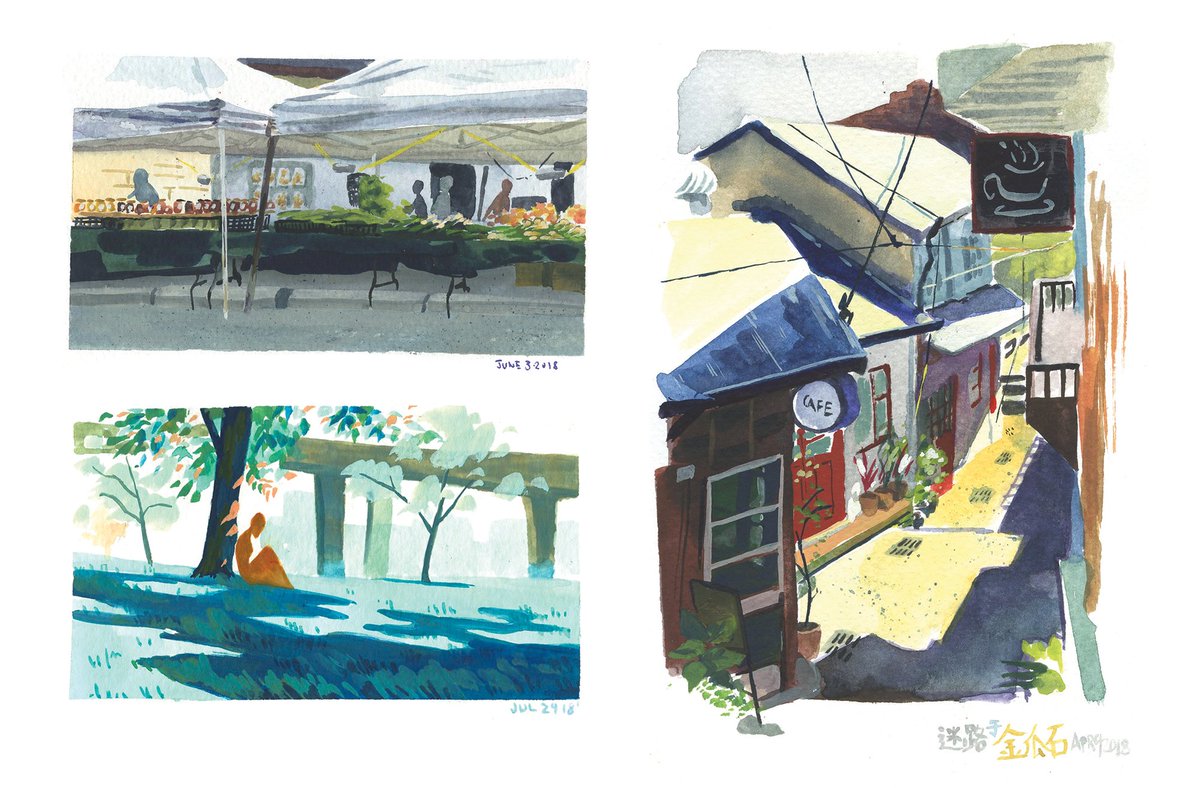
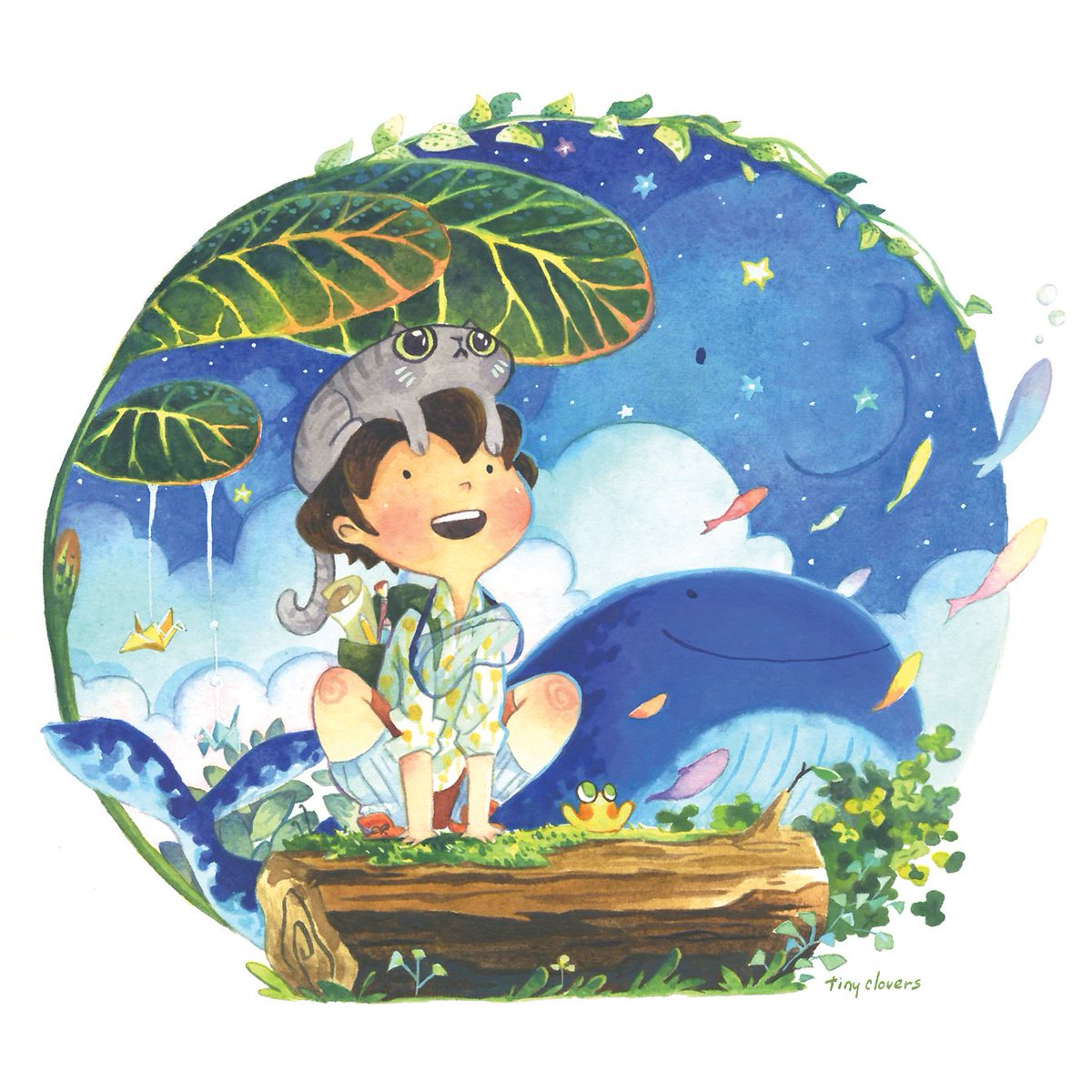
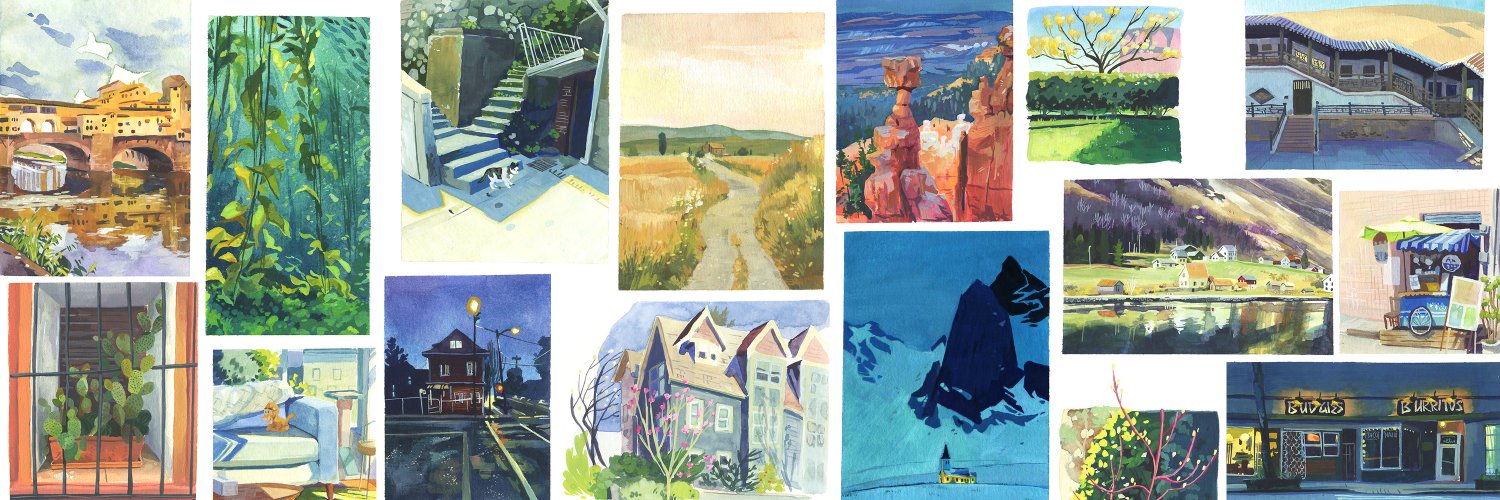
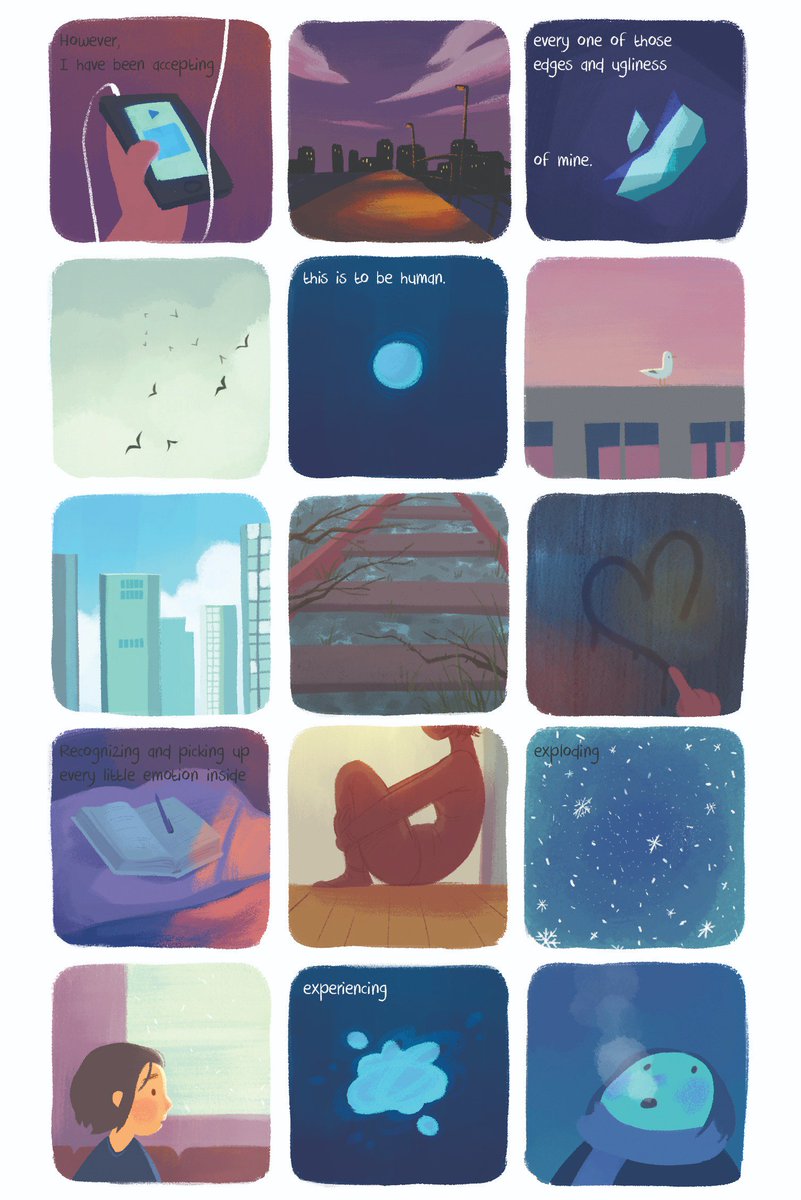
Hi 🙃My name is Elaine and I am a designer n' anything and everything artsy really. I like painting under the sun, making comics out of my feelings, and dancing n' living even when I don't know how.
☀️https://t.co/aMfoTJzYMo
🌱https://t.co/fAmfhOAIxi
☘️[email protected]
I really don't use platform anyways xD
Might as well join the migration~ I just want to stalk my friend's thoughts occasionally!
Make yourselves known!
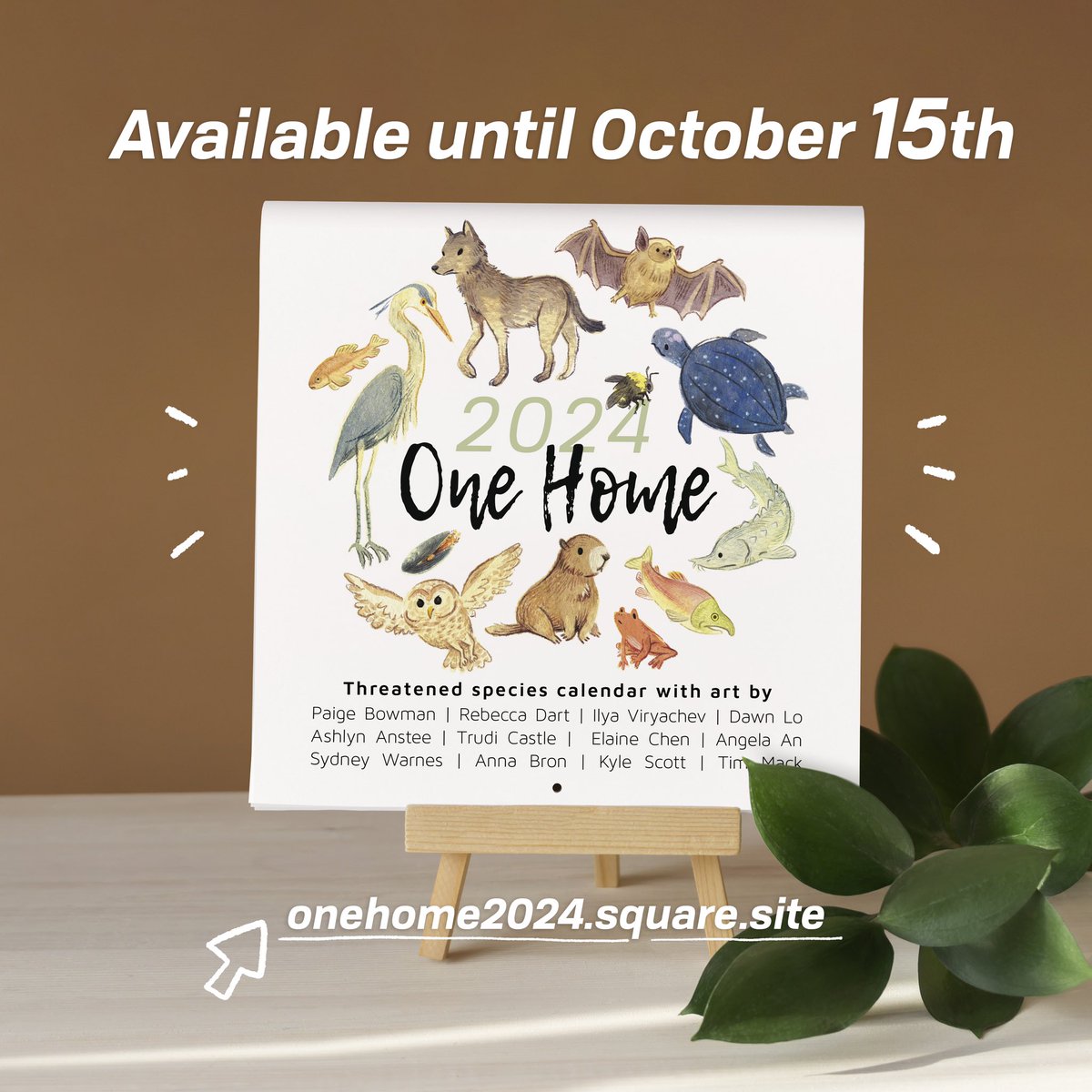
Final hours of ordering at https://t.co/m99zJHT6ek !!!
I didn’t know what new content I could make today, having posted everyday the last two week (but it’s the last day of this project so I had to!!) so I just resorted to my good old stupid doodles lol
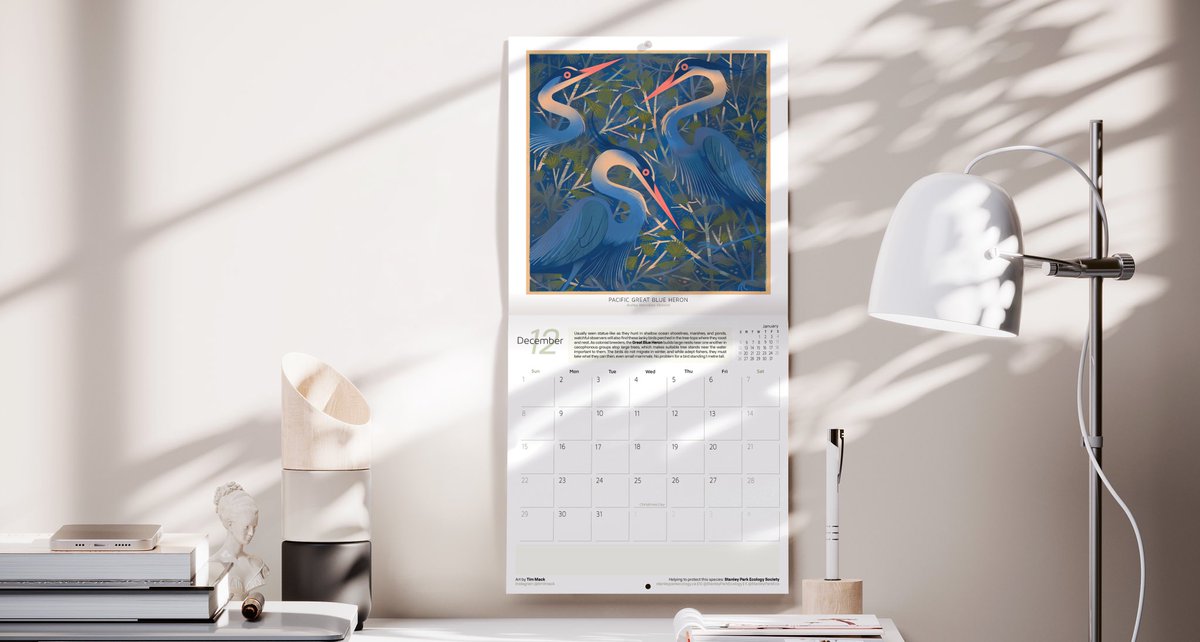
Given the current heron colony's proximity to people within Stanley Park, these birds can serve as excellent nature educators for why its important humans prioritize coexistence with at-risk species in urban environments.”
(2/2)
💙🐦 https://t.co/m99zJHT6ek
The Pacific Great Blue Heron by Tim Mack closing out #OneHome2024 !!
3 more days to order your calendar at https://t.co/m99zJHT6ek!
And guess what?! We are 3 orders away from 300! I will let you know if you win order number 300!
..you won’t get anything though 🤣
Nominated to us by @StanleyParkEco
“Stanley Park is home to one of the largest urban Pacific Great Blue Heron colonies in North America. They have been nesting in locations in Stanley Park since 1921.
(1/2)
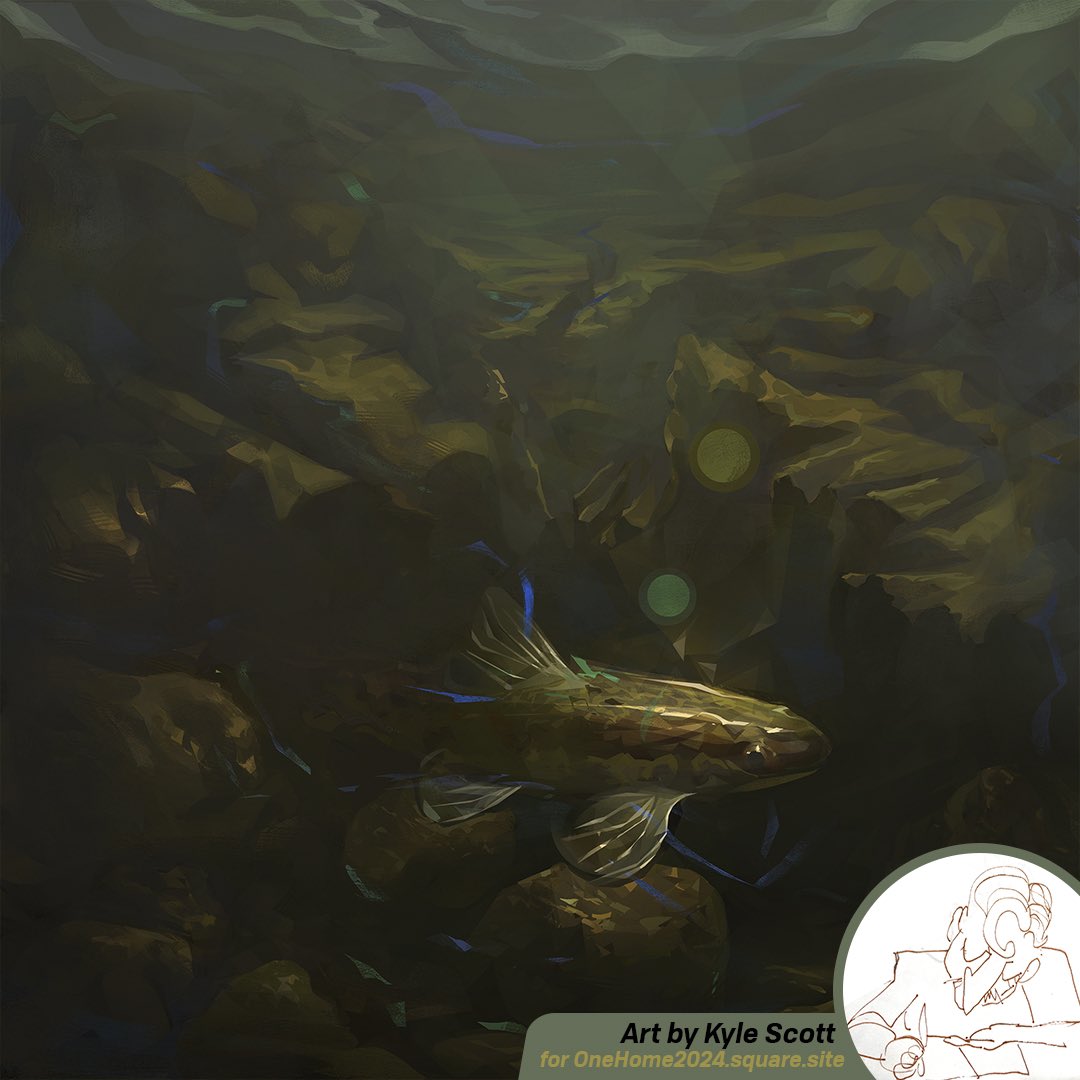
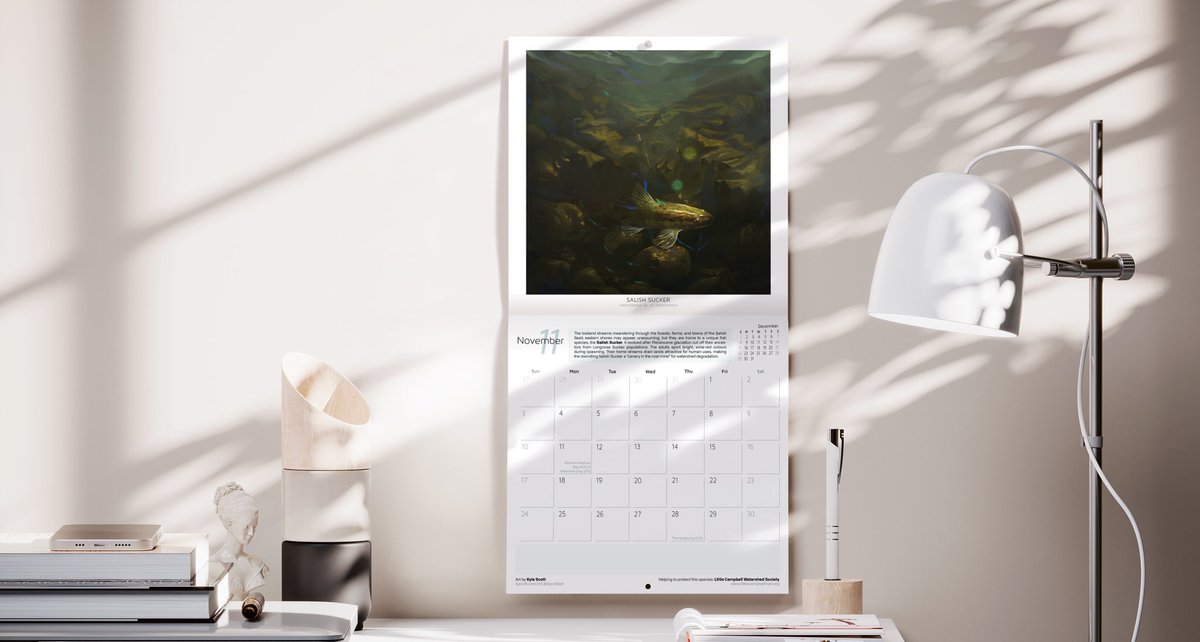
For November of #OneHome2024, Kyle Scott portrays the inconspicuous nature of the Salish Sucker, in a beautiful render of a murky stream.💛
Only 3 days left!!!
https://t.co/m99zJHT6ek
https://t.co/m99zJHT6ek
Only 3 days left to order!
Each sale of a calendar gives a little to each of the 12 conservation organizations we partnered with 💙 My hope is that little drops of water can make an ocean 🌊 and I can’t do that alone.
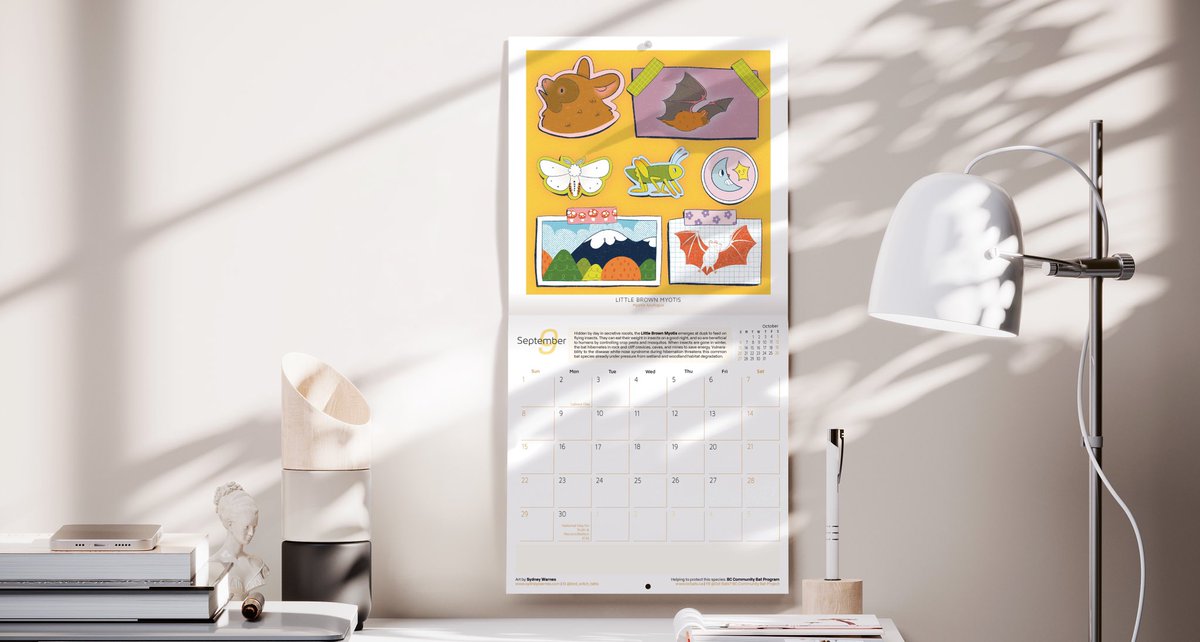
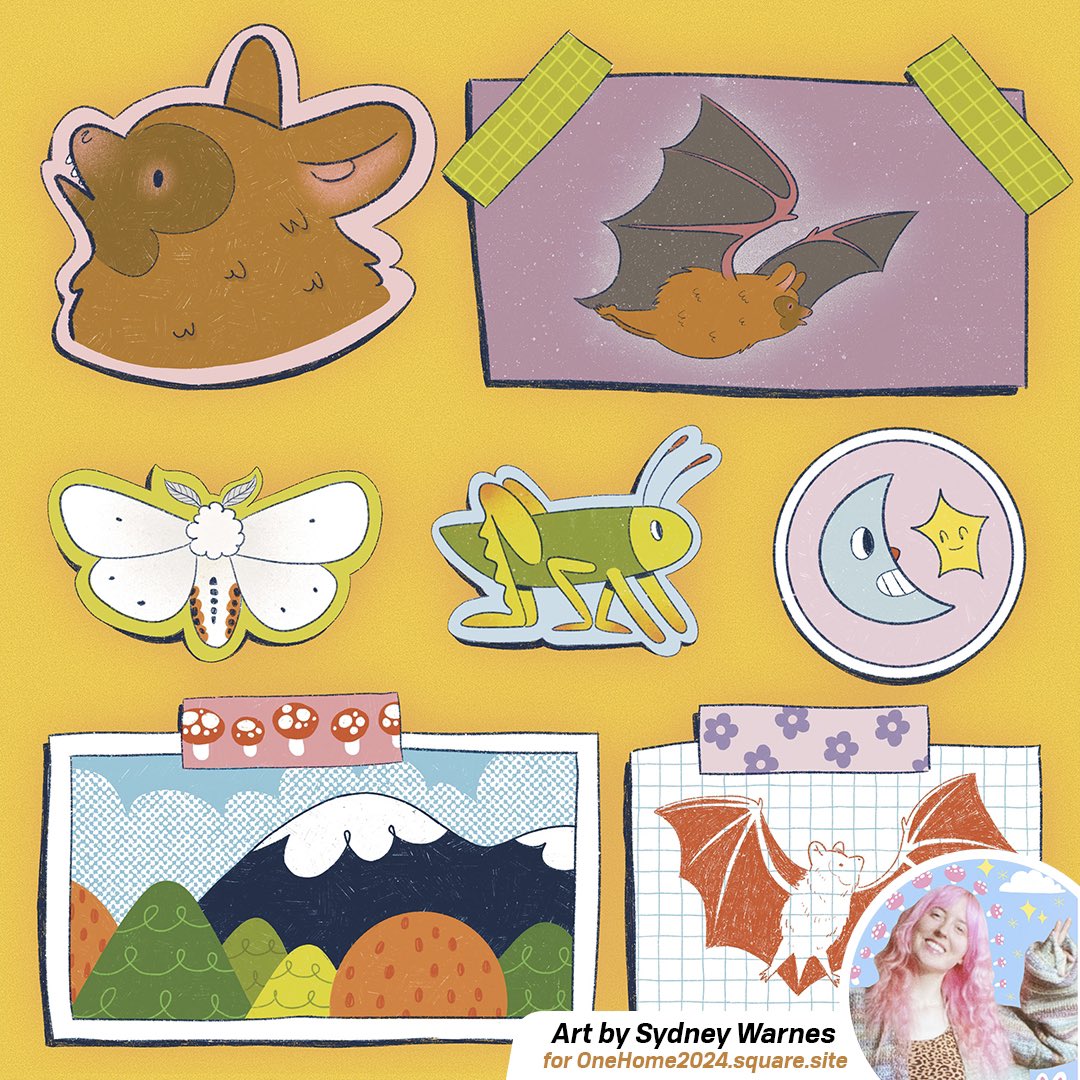
Vulnerability to the disease white-nose syndrome during hibernation threatens this common bat species already under pressure from wetland and woodland habitat degradation. (3/3)
Proceeds from this calendar is split among conservation organizations include BC Community Bats. 🦇❤️
The Little Brown Myotis will welcome you into early fall in our September spread, illustrated by Sydney Warnes 🦇#OneHome2024 6 days left!
https://t.co/m99zJHT6ek
🌙Hidden by day in secretive roosts, the Little Brown Myotis emerges at dusk to feed on flying insects. (1/3)
🦇They can eat their weight in insects on a good night, and so are beneficial to humans by controlling crop pests and mosquitos. When insects are gone in winter, the bat hibernates in rock and cliff crevices, caves, and mines to save energy. (2/3)
@WatershedWatch_ https://t.co/EPg7ipw03i only has 1 week left!! EEeeee, we are almost at the end of this big project!!
Still looking to fill up those orders so we can donate more to each of the organizations 🩵
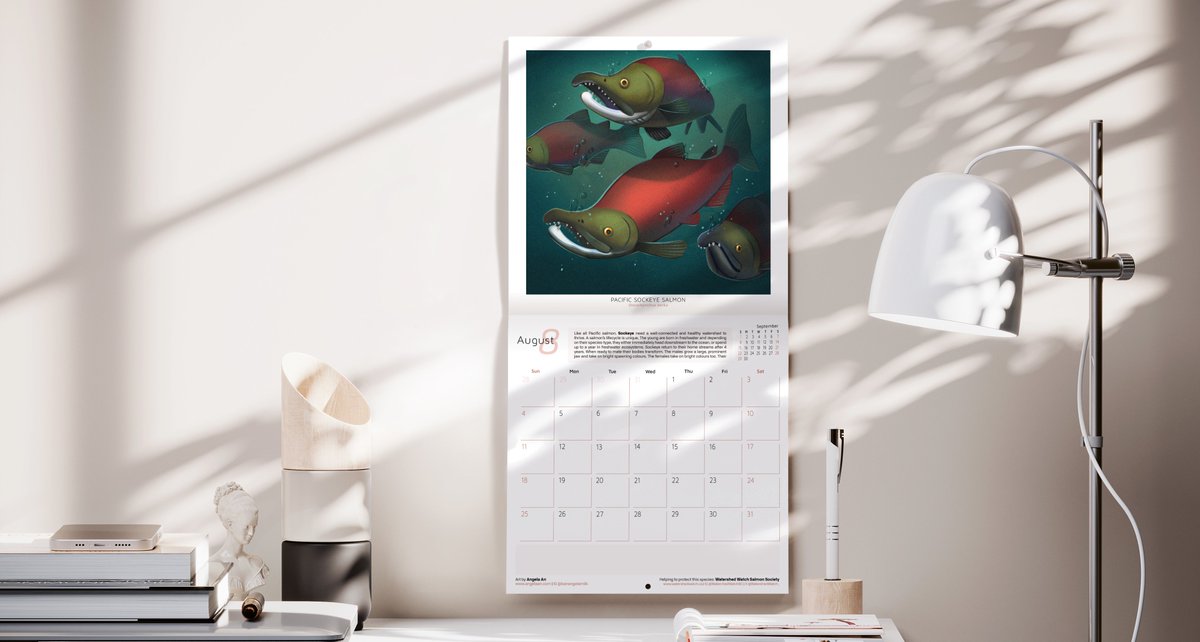
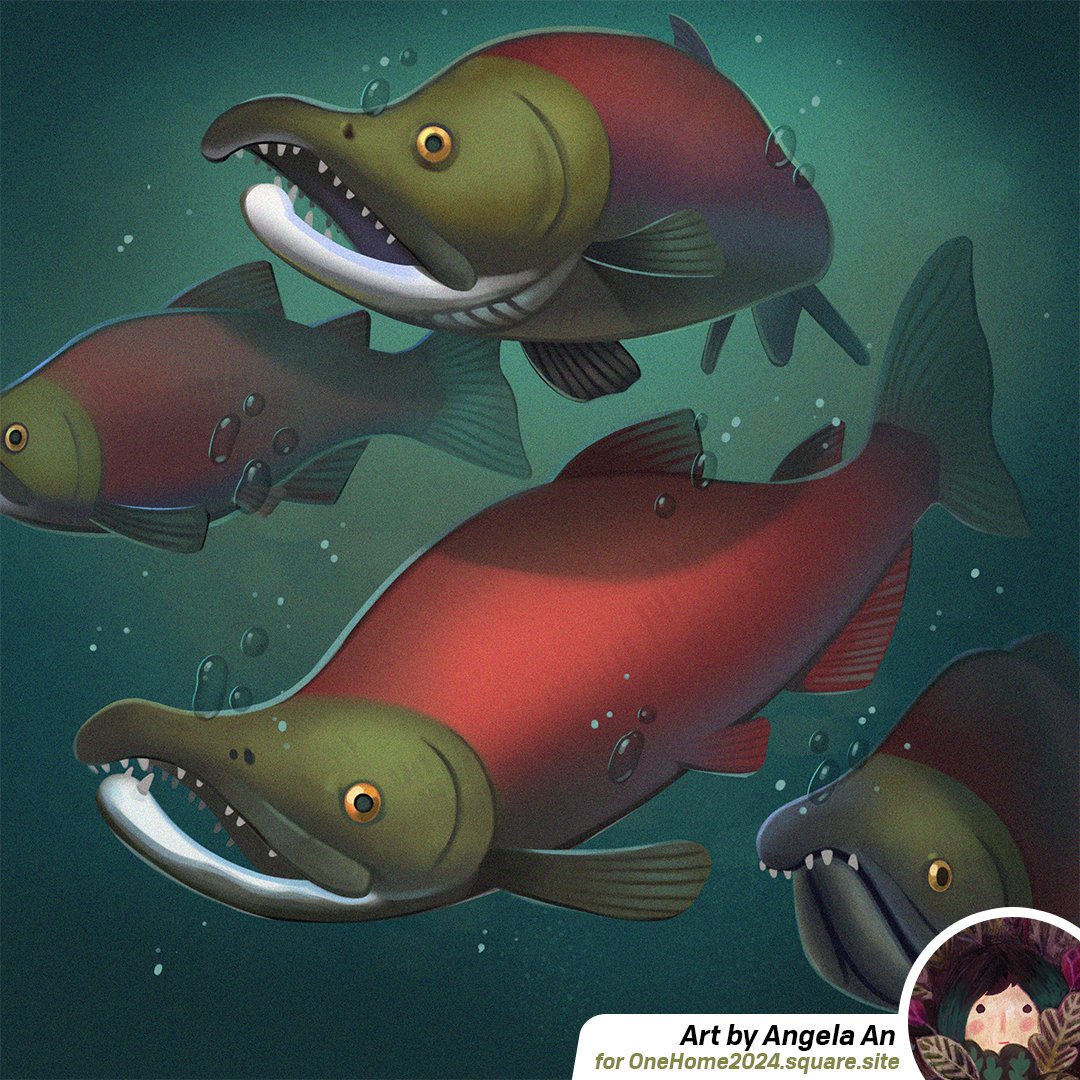
Like all Pacific salmon, the connectivity and health of waterways is essential to the Sockeye’s migratory life cycle. The young hatch in freshwater, and depending on their species-type, they either immediately head downstream to the ocean or spend up to a year in freshwater. 1/2
Adults return to their home streams after about 4 years when ready to mate; the males grow a prominent jaw and both sexes take on bright spawning colours. Their name comes from the Coast Salish word suk-kegh (sθə́qəy̓) meaning red fish. (2/2)
Proceeds donated to @WatershedWatch_
Their deep dives and long migrations over thousands of kilometres rival whales. Those traits allow seasonal visits to the eastern North Pacific. Threats to the species include marine debris like plastic bags and fishing gear.
Only one week left! https://t.co/EPg7ipw03i
The largest sea turtle species, the Leatherback, can grow from a human-palm-sized hatchling up to the size of a small car on a diet of gelatinous animals like jellies. Size & other adaptations enable this reptile to tolerate surprisingly cool water temperatures and great pressure