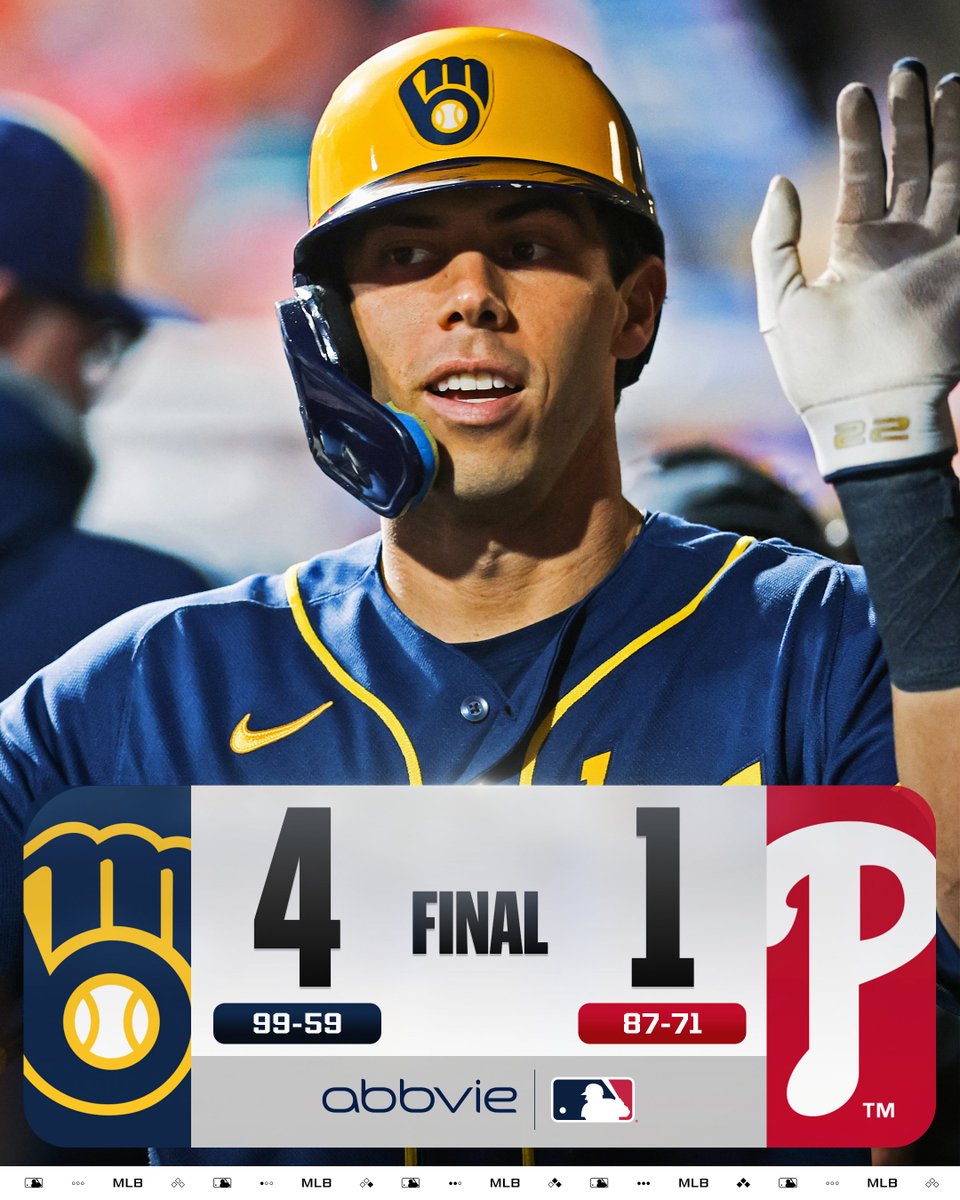
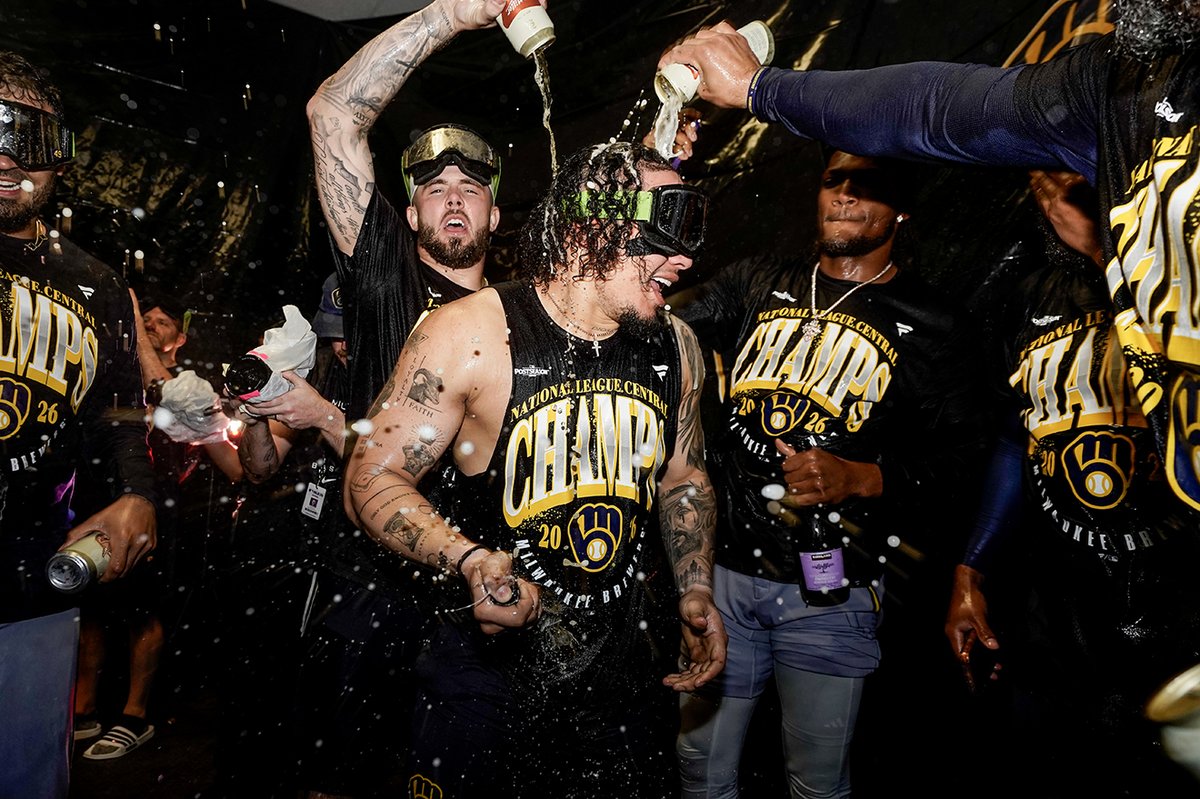
Brewers NLDS schedule
Game 1: Saturday, October 3rd (home)
Game 2: Sunday, October 4th (home)
Game 3: Tuesday, October 6th (road)
Game 4: Wednesday, October 7th (road)
Game 5: Friday, October 9th (home)
While I had my coffee I went through the @LeagueSharesETF Form N-1A from Hillman Capital Management Investment Trust. If anyone working on the League Shares ETF sees this message me.
After going through their website and sections of their filing I may actually be able to buy the Yankees as an investment but the catch is You'd be buying the box score. None of the franchises are part of the deal.
On September 21st LeagueShares filed with the SEC for 30 ETFs with one for every MLB club. YANK for the Yankees. LFGM for the Mets. FENW for the Red Sox. FISH for the Marlins. I read through a bunch of sections from the prospectus and it's pretty interesting.
The filing says shareholders get no ownership, no revenue participation and no ticket or licensing rights. If the Yankees sign a bigger YES Network deal or the franchise value climbs by $3 billion YANK doesn't care. This is nothing like Manchester United $MANU or Madison Square Garden Sports $MSGS where you own a piece of the business.
What you'd own is exposure to a number. The same morning FutureSports announced a deal with MLB to use official league data to build a performance index for all 30 clubs @CMEGroup $CME plans to list weekly, monthly and quarterly cash-settled futures on those indexes pending regulatory review.
The ETFs would hold those futures through a Cayman subsidiary with Treasuries as collateral. You'd get a 1099 and no K-1 if I read it correctly.
Each index starts every season at 7,500 then points are added based on hits, runs, walks, stolen bases and pitcher strikeouts. Hits and runs allowed subtract points and so do your own hitters striking out. It updates live during games and the prospectus says it's designed to be independent of wins and losses. It has no floor either so technically an index can go negative. It resets to 7,500 32 days after the World Series ends.
That reset is where I want a bit more clarity because my understanding around the mechanics is that there is no multi-year compounding in the index. If you hold YANK across seasons your return comes from the price gap between the expiring contract and next season's contract when the fund rolls.
The other thing that I want more clarity on is the actual valuation of the ETFs. The stock market closes at 4:00 pm and many games start at 7:05 pm or later during the week in addition to being played on the weekends while the market isn't open. If the market isn't open and games are going on and the ETF is updating I am failing to see how anyone could exit the ETF outside of normal trading hours.
If anyone actually reads the filing please do me a favor and go to the risk section! It actually says that coaches, trainers, team doctors and front office staff know about injuries and lineup changes before you do. The filing says the legal framework for trading on that kind of information in commodity futures is less developed than securities law. I just found that interesting.
In all seriousness I find the financial engineering fascinating and I'll be reading the points table the day it's published. I can't wait to get more information about this and once again if anyone from
@LeagueSharesETF
see's this I have some ideas, message me.
America’s corporate governance system is broken, and it’s killing public companies. Look no further than Cracker Barrel: Decades of brutal mismanagement have seen one incompetent CEO after another walk away with a massive paycheck while customers and actual shareholders take a beating.
Why does this keep happening? Because proxy advisory firms like ISS are corrupt. They blindly rubber-stamp failing boards year after year, protecting the corporate elite while burning shareholder value to the ground.
The root of the rot is index funds. There's no question that indexing one's money is a smart financial move for most people. But just because you passively index your investments doesn't mean your corporate votes should be handed over to the managers of your fund so they can play politics. Right now, passive funds hold massive, unchecked voting blocks while having zero skin in the game themselves.
It is time for a simple rewrite of the rules: We need to index the votes of index fund investors.
Passive index funds should be forced to automatically split their votes to proportionately mirror those of retail and active institutional shareholders — the people actually doing the research, risking their capital, and fighting for performance in the companies they hold shares in. No more rubber-stamping. A change like this will immediately strip corrupt gatekeepers like ISS of their toxic influence.
True accountability happens when lazy, overpaid boards actually answer to the stakeholders they represent, rather than screwing them over.
Actual, logic-driven governance when your money is passive happens when your vote passively follows the voting decisions of the actual market.
We need to stop letting passive capital protect active incompetence. By stripping index funds of their arbitrary voting power and empowering engaged investors, we will finally torch corporate cronyism and usher American capital markets into a golden age of capitalism.
We’re back with a new episode @basispointpod and I may have lied to @amitisinvesting about something. Listen to find out!
The AI Doomers Are BACK, The Fed Sends A MESSAGE, Can The Market Handle ... https://t.co/ckb1AsLffW via @YouTube