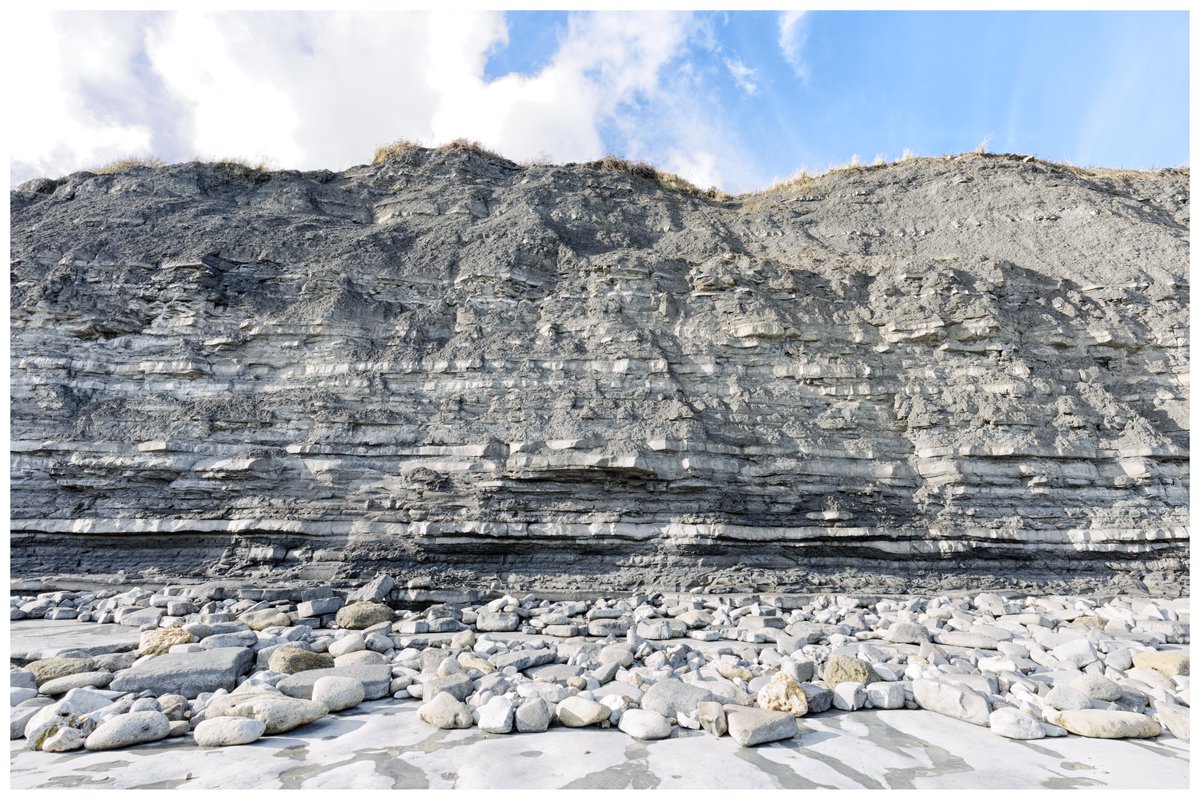
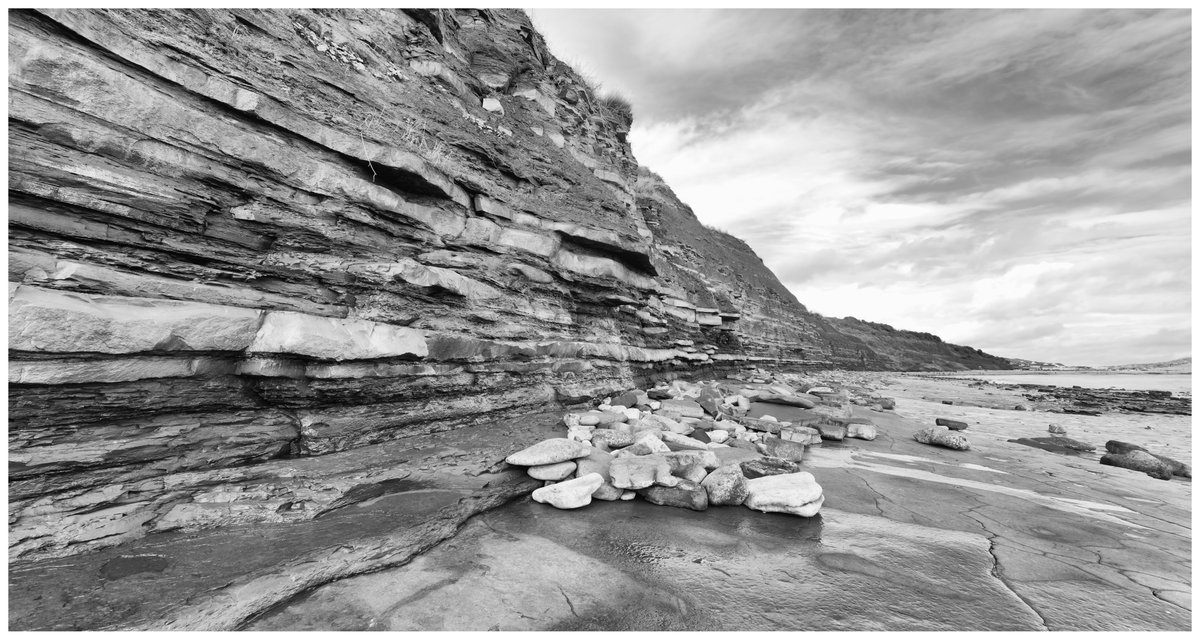
@BuddhistMatt@PeteGraydon Mainly Portland stone but technically speaking, some Purbeck beds (which overlie the Portland beds) have been exploited, mainly for aggregates. All late Jurassic in age.
Visited Lud's Church in Staffordshire last week. An amazing natural chasm with lots of associated folklore, incised into the millstone grit. Quite a trek but well worth the effort. Another one off of the bucket list.
@jurassicg1rl@DarrenP72292935 I'm afraid that I no longer work in the mines on Portland, but if I did, I would have been happy to give you a tour. I changed jobs about a year ago.
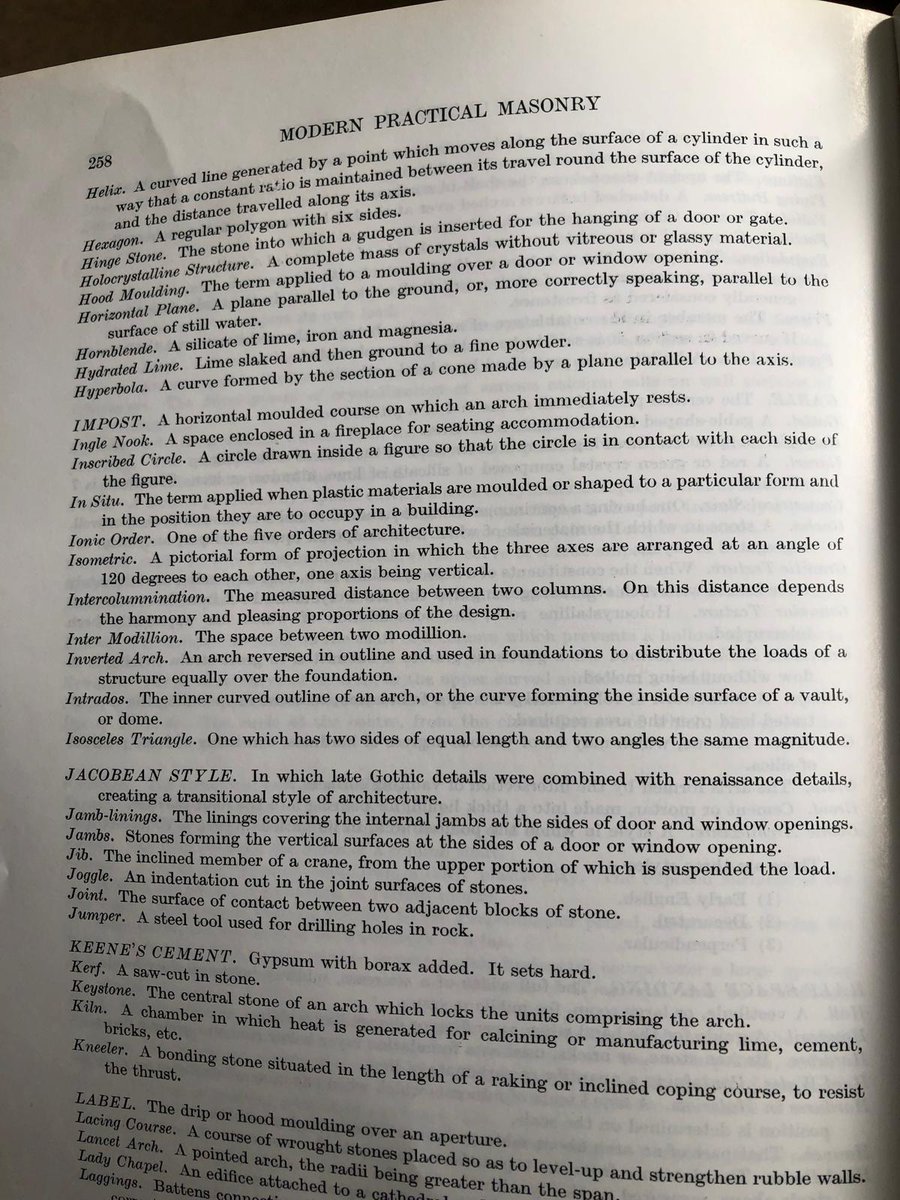
@TheHistoryMouse@TimPalmerEO I would say that in a more conventional situation, the imposts transfer gravitational loading from an arch carrying a high vertical component but in the flat arch in Tim's Photo, much of this loading is thrown into the walls with a higher horizontal component?
@TheHistoryMouse@TimPalmerEO In architecture, an impost or impost block is a projecting block resting on top of a column or embedded in a wall, serving as the base for the springer or lowest voussoir of an arch. Not sure you'll find a better word? 2/2
@TheHistoryMouse@TimPalmerEO I'm not really an expert (at anything) but did spend many years working closely with architectural masons. This is what Wikipedia has to say: 1/2
@Geolominologist Yes. There has to be a place for some collecting (in my opinion) but I agree, I saw numerous people beating the hell out of various unfortunate cobbles using a variety of 'weapons' none of which had any chance whatever of recovering anything, only destroying.
@PeteGraydon The 'reinforcement' must be something buried beneath the path. Possibly from quarrying or from the military (radar or anti-aircraft guns)? Lots of movement in the cliffs this year. A process that never stops.