Mastering M-Mode in the PLAX View
This annotated image breaks down how M-mode reflects real-time motion of the heart through three key planes in the parasternal long axis (PLAX) view:
1️⃣ Aortic Valve (AV) M-mode:
▶️ Captures movement of RCC and NCC across the aortic root.
▶️ Systole = AV opens (valve leaflets move apart)
▶️ Diastole = AV closes (leaflets come together)
▶️ Useful for assessing AV motion symmetry, cusp separation, and aortic root dimensions.
2️⃣ Mitral Valve (MV) M-mode:
⬜ Shows anterior and posterior leaflets opening/closing through the cardiac cycle.
⬜ E and A waves represent early diastolic filling and atrial contraction.
⬜ EPSS (E-point septal separation): Increased distance suggests LV systolic dysfunction.
⬜ Abnormal patterns can indicate mitral stenosis, regurgitation, or LV dysfunction.
3️⃣ Left Ventricle (LV) M-mode:
🟦 Measures LV internal diameters at end-diastole (EDD) and end-systole (ESD).
🟦 Also shows septal and posterior wall motion.
🟦 Enables calculation of ejection fraction and wall motion abnormalities.
An excellent visual reference by Dr. BE Bulwer.
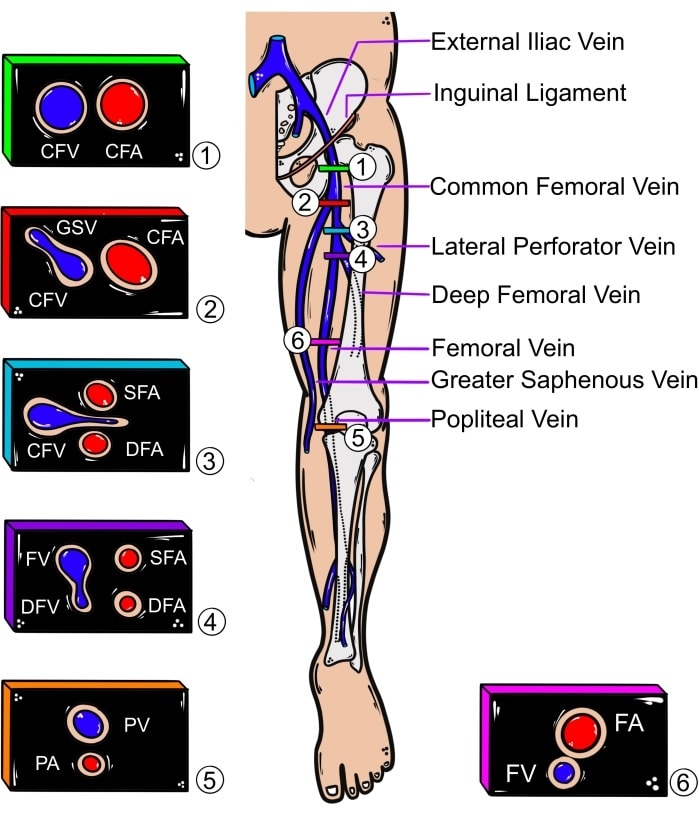
Venous excess ultrasound: A mini-review and practical guide for its application in critically ill patients
CCR Journal Watch - tracking the critical care literature daily
https://t.co/Sp06oA6IDG
💧 Fluid Management in Cardiogenic Shock 🔬
Cardiogenic shock is a life-threatening medical condition where the heart fails to pump enough blood to meet the metabolic demands of tissues. Managing fluids in patients with cardiogenic shock can be challenging, as even small volumes of intravenous fluids can lead to worsening symptoms. Classification of subtypes of cardiogenic shock can aid in determining the underlying pathophysiology and initial management approach.
🔹 Fluid Management of Left-Ventricular Failure
Cardiogenic shock may arise de novo, manifesting as acute heart failure, or it may arise on a background of chronic heart failure. Conventionally, most patients with chronic heart failure are believed to be fluid overloaded with little scope for further fluid resuscitation. They belong to Forrester subgroup IV (Fig. 15.1), have a low cardiac index, high systemic vascular resistance and would benefit from vasopressor and inotropic support. Some of these patients, especially those presenting with acute-on-chronic cardiac failure, may be volume overloaded and conversely may be better treated with diuresis. This situation is common in the ICU.
The achievement of an adequate circulating volume is a vital part of the management for most patients with chronic heart failure (Fig. 15.1). Many of these patients will be volume deficient and will therefore respond to a fluid challenge.
📊 All details on the Fluid Academy!
➡️ https://t.co/x4hPOHNAZW
Table 15.1 Important structural and functional differences between right and left ventricles
#CardiogenicShock #FluidManagement #CriticalCare #ICU #HeartFailure #Hemodynamics #MedicalEducation
Hemodynamic improvement after VV ECMO implantation is simply a ... MATTER OF FACT!
> Now we show it with DATA
> read our latest manuscript if you wanna know WHY
https://t.co/KeupT3ZFny
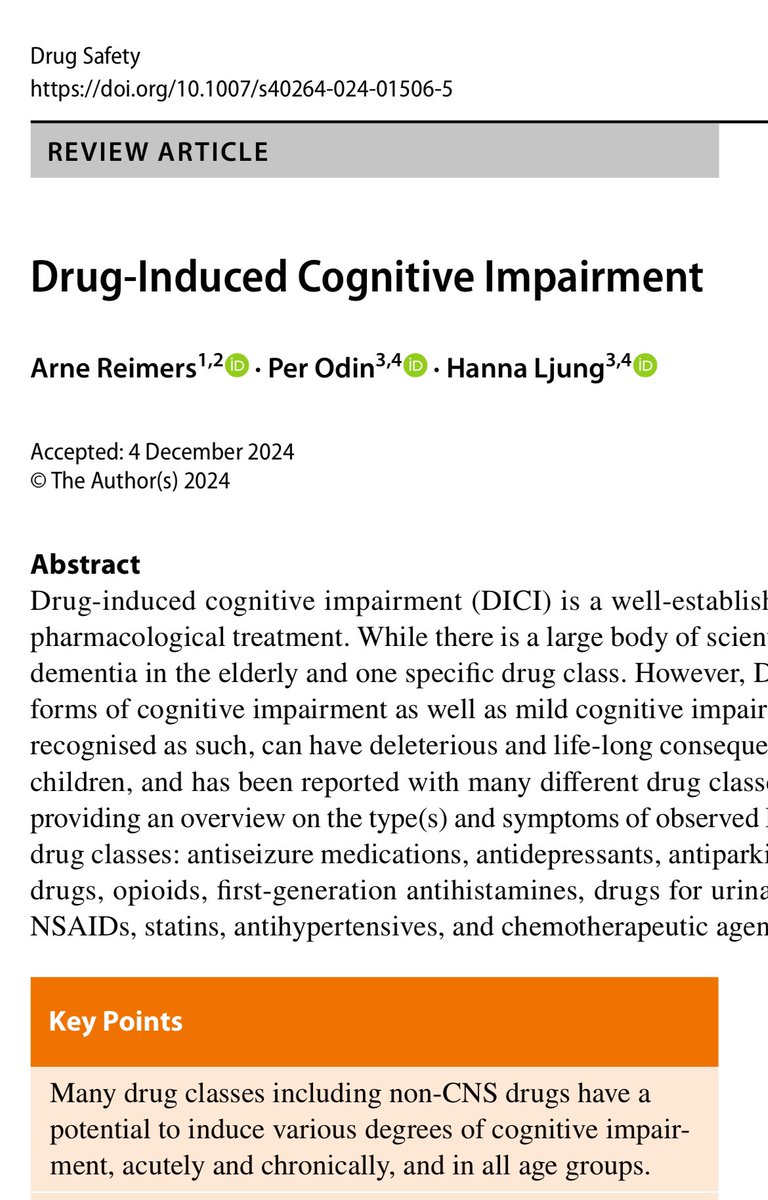
From Sweden 🇸🇪: new open access systematic review of meds assoc w cog impairment, incl opioids (incl ref to OAS)
@lunduniversity
https://t.co/YEUJ9PO0vw (🔓)
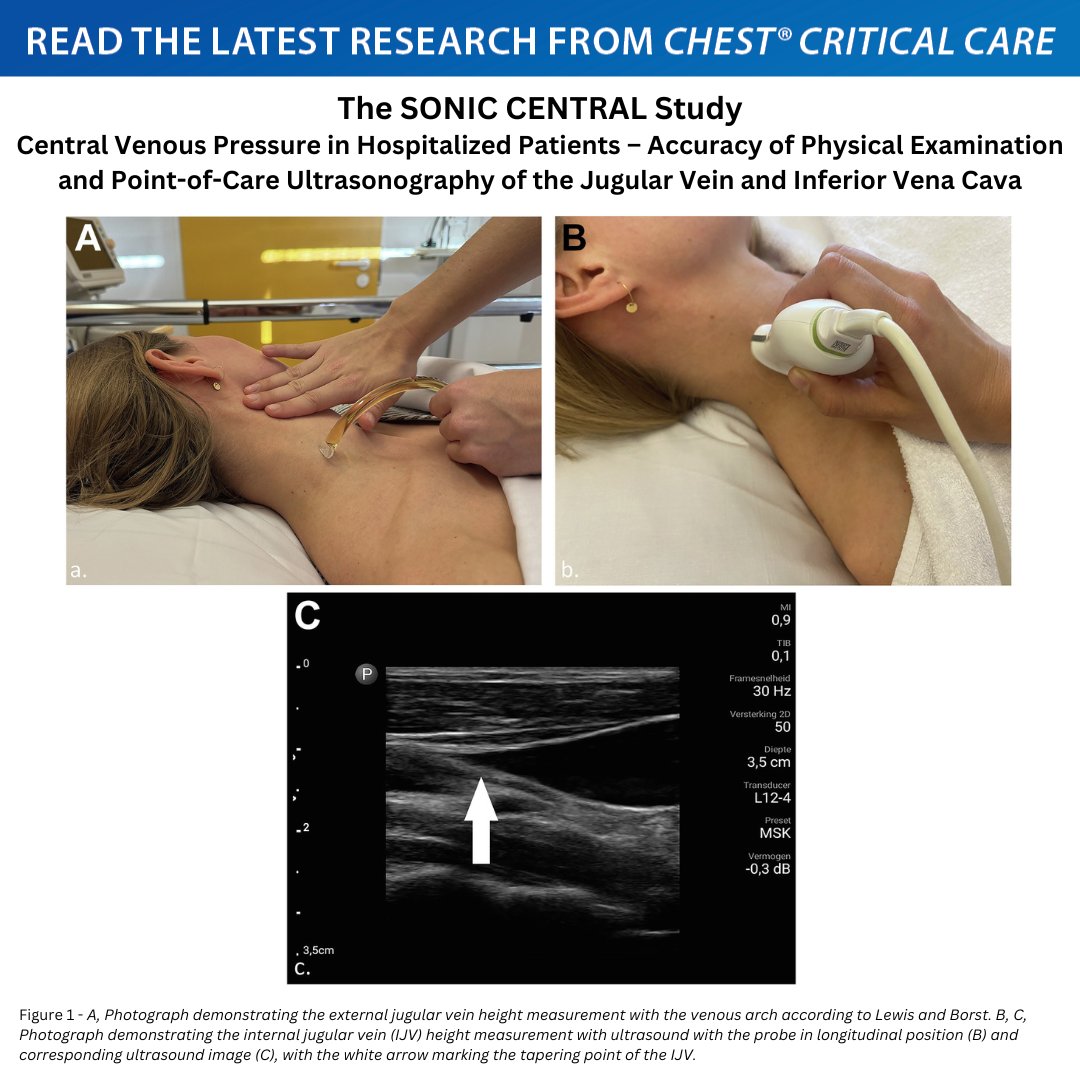
Which noninvasive bedside method to estimate central venous pressure (CVP) has the best accuracy to detect elevated CVP?
Read the full research in the December issue of CHEST® Critical Care: https://t.co/ovgg9QfLtM
#MedEd#journal_CHESTCritCare
Similar to CRASH trials,
1) INTERACT 1 - Intensive Blood Pressure Reduction in Acute Cerebral Hemorrhage (Pilot Phase study)
2) INTERACT 2 - Intensive Blood Pressure Reduction in Acute Cerebral Hemorrhage (Main Phase study)
3) INTERACT 3 - Intensive Care Bundle with Blood Pressure Reduction in Acute Cerebral Hemorrhage Trial
In INTERACT 1&2 - SBP less than 140 mm Hg was targeted within 1 hour.
In INTERACT 3 - Along with SBP target < 140 mm Hg, a bundled approach with rapid reversal of warfarin related anticoagulation, strict glucose and temperature control was tested.
All these trials led to the development of CODE ICH with a goal of reducing mortality and morbidity of patients suffering from ICH.
https://t.co/Oejt1Itp8N
RENOVATE trial
HFNC therapy versus non-invasive positive pressure ventilation in acute respiratory failure
Prof Israel Maia presents the results from CCR Down Under in Melbourne.
#CCRdownunder