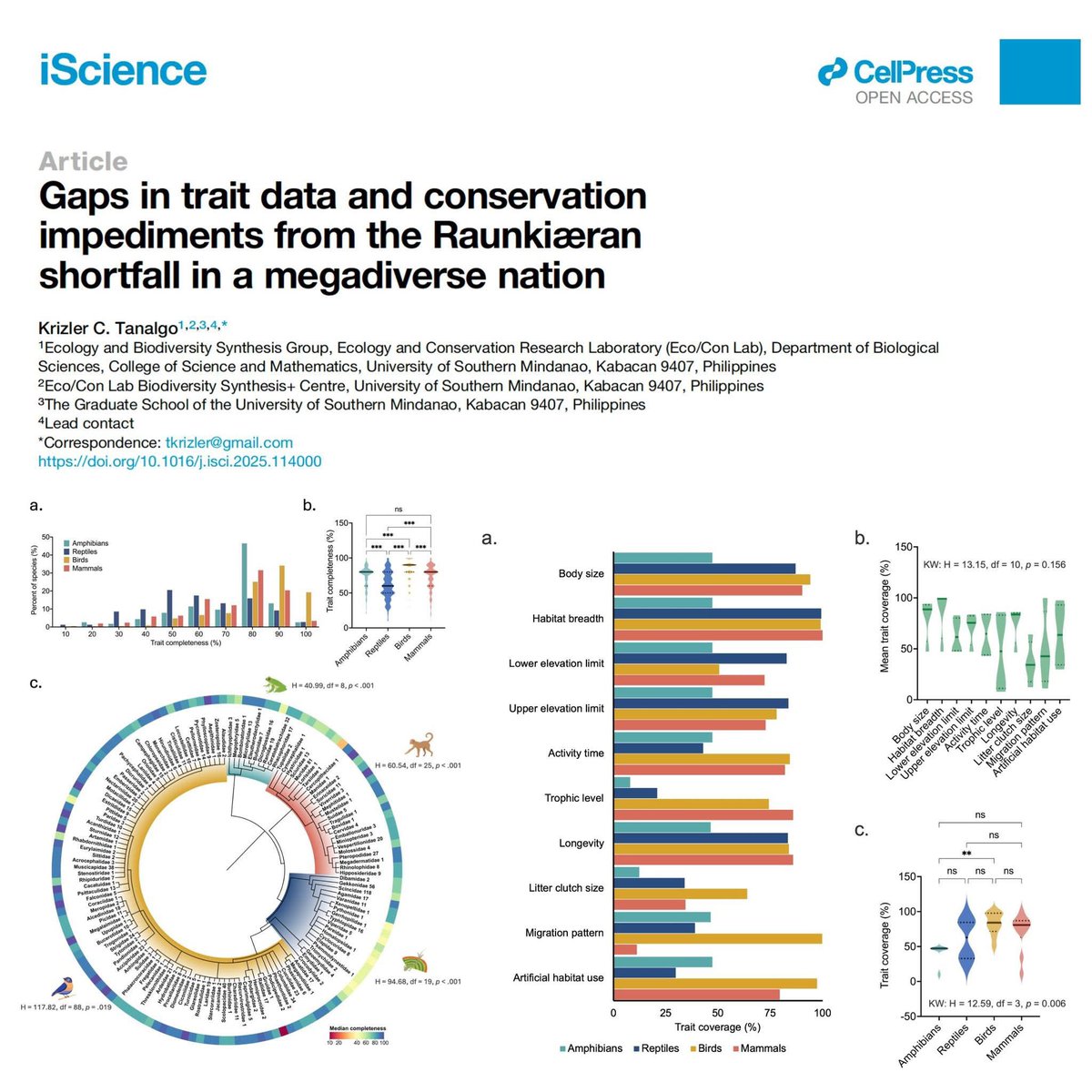
My (not so) side project is now out in @iScience_CP! Here, I tackle key gaps in traits in Philippine species, and its potential conservation implications.
https://t.co/kvx8ky77SE
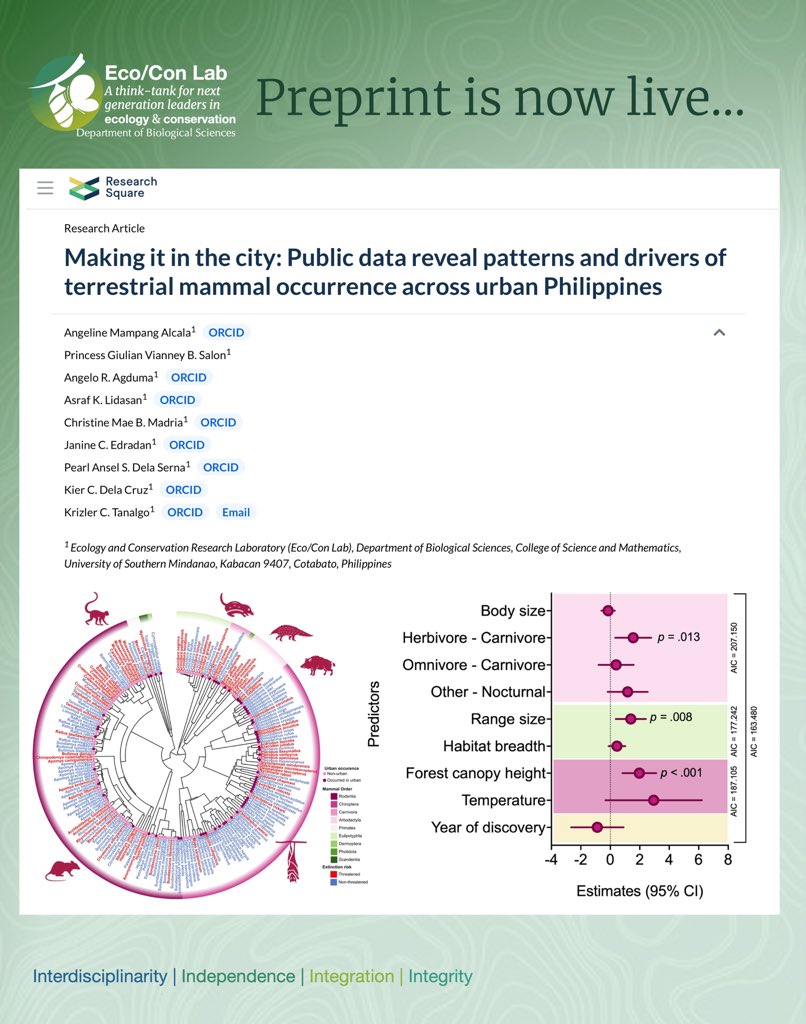
🌎 This network tells a powerful story!
#Biodiversity-rich countries drive mammal discovery, yet their holotypes often end up abroad...
Local expertise documents life, but geopolitical power still shapes who holds the specimens that define species.
🔗 https://t.co/DQeUz7jsca
🎧 A new episode of #InsideBiodiversity is out now — and it’s a great one for anyone working in conservation, ecology, or environmental policy. 🌍
iDiv’s Volker Hahn speaks with Prof. Carlo Rondinini (@SapienzaRoma), coordinator of the Global Mammal Assessment and member of the @IUCNRedList Committee.
Rondinini explains why “one quarter of the mammals globally are at risk of extinction” and why Europe’s encouraging wildlife recoveries contrast sharply with accelerating declines in the tropics.
Topics include:
• Why wolves, beavers, otters and golden jackals are returning across Europe
• The stark temperate–tropical divide in extinction risk
• Why “leaving space for mammals” is one of the most powerful conservation tools
A deeply insightful conversation. Don’t miss it.
🔗 https://t.co/R1yK57jZJt
I am super glad to announce the new version of the @ebvportal. Now, based on a THREDDS engine, one can natively browse dozens of EBV datasets, from sub-national to the global scale. And anyone can publish their EBV data in an open and interoperable format with a DOI. Link below.
It is 2026, and apparently, a paper tackling some important biodiversity conservation across the entire Philippines can still be dismissed in peer review as “too local.” 🧵
For context, this is a second-round review of a Perspective paper (not a review article). We addressed the previous comments carefully, and the scope was not raised at all in the first round. But now, suddenly, the entire Philippines is “too local.”🧵
Amazonian scientists are too often included only as data collectors, not as leaders
🎯 Here our author calls for decolonial #biodiversity science built on shared leadership, fair recognition & research agendas shaped by Amazonian communities
🔗 https://t.co/QBWnt6ym5x
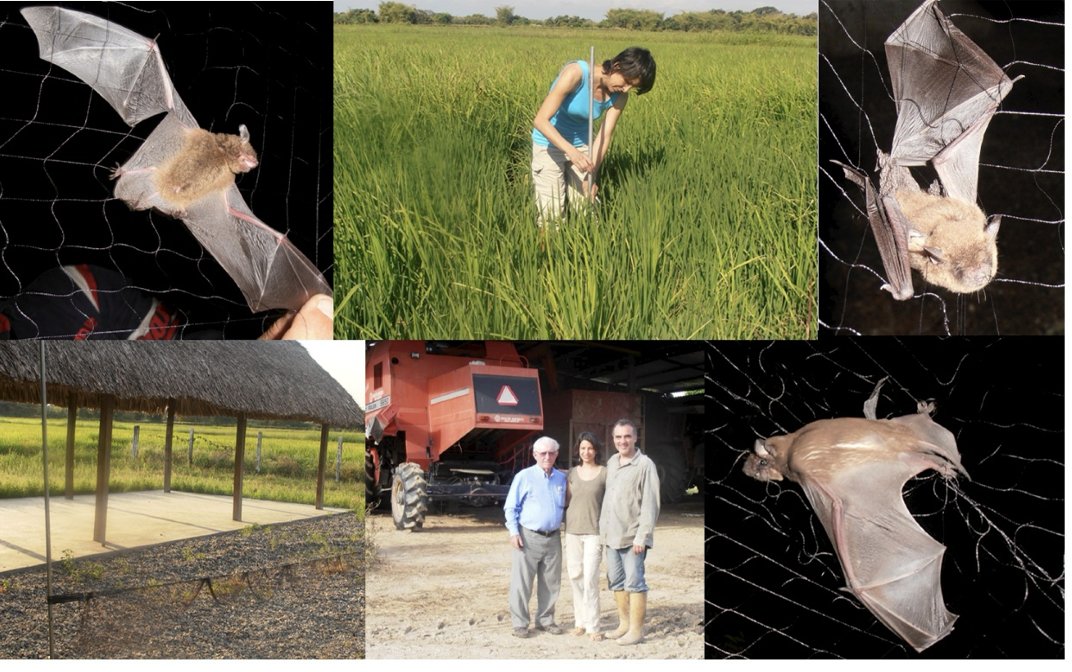
Trophic flexibility favors coexistence of 3 aerial-hawking bat species in Venezuelan rice fields
https://t.co/ylS2k7PIfy
We simultaneously identified prey items in feces and measured the activity times of three aerial-hawking bat species in Neotropical rice fields.
Thrilled to share new research! 🌿 Our latest paper is now out in Conservation Biology.
Thanks to my incredible co-authors and the leading experts in Inselberg ecology who made this collaboration possible. Here is the link. https://t.co/DGWvq3ZF0Y
Equitable collaborations & sustained local capacity are key to truly global #biodiversity science, especially in the Global South
🤝 #Conservation is strongest when knowledge, leadership, and resources are shared locally
@NaturePortfolio#GlobalSouth
🔗 https://t.co/xkmvfjuD2C