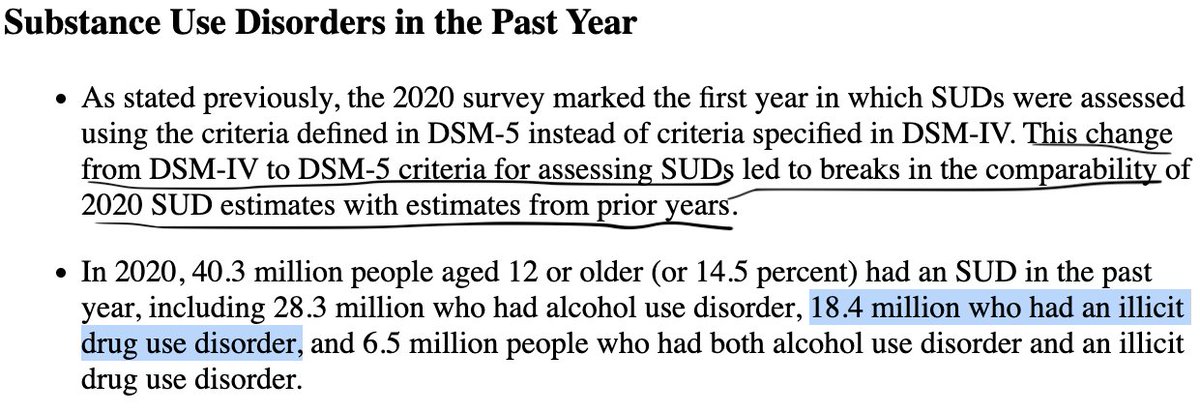
With these errors and more I hope CT will address these errors and reconsider the position it represents. For more problems with the piece: https://t.co/EzsBeFcIZT
The harm reduction article @CTmagazine published last week needs a fact check and editorial reconsideration. The number in the article and the report it links to don't match.
Another major error is he muses how many lives would be saved if traditional detox was the standard and not harm reduction. The answer is "none" at best and increased fatalities at worst.
I haven't been on any social media for the past few years. But there is a good reason. I needed to finish up a project 7 years in the making. What Are Drugs For? An Exploration of Stolen Fire. Available today.
@sendtodavid1@ClergyNDP Conscious or not... the systems tend resist reform and cling to their own survival. Walter Wink's work on principalities and powers is a helpful framework for the problem.
Give me a few hours and I'll have you there on the drug policy as well @MatthewSoerens! But yes, you don't need to agree with my solutions to know that scapegoating immigrants is the wrong way to go.
I'm not an expert on drug policy & I don't know whether I agree or not with all my friend @tmking's policy recommendations
But the data absolutely backs up his assertion that fentanyl is a huge crisis that has almost nothing to do with illegal immigration https://t.co/UiEX69Pdxl
The overdose crisis is real. Illicit fentanyl is a huge problem. But @kleavittnh is only offering old failed strategies. It's time to learn from other countries and focus on demand. #NHPolitics#2022Elections https://t.co/slpdlvEqdH via @UnionLeader
We value a dead person who's abstinent over a living person who's still using drugs.
That's not the intent, but it is the outcome of the majority of our current drug policies.