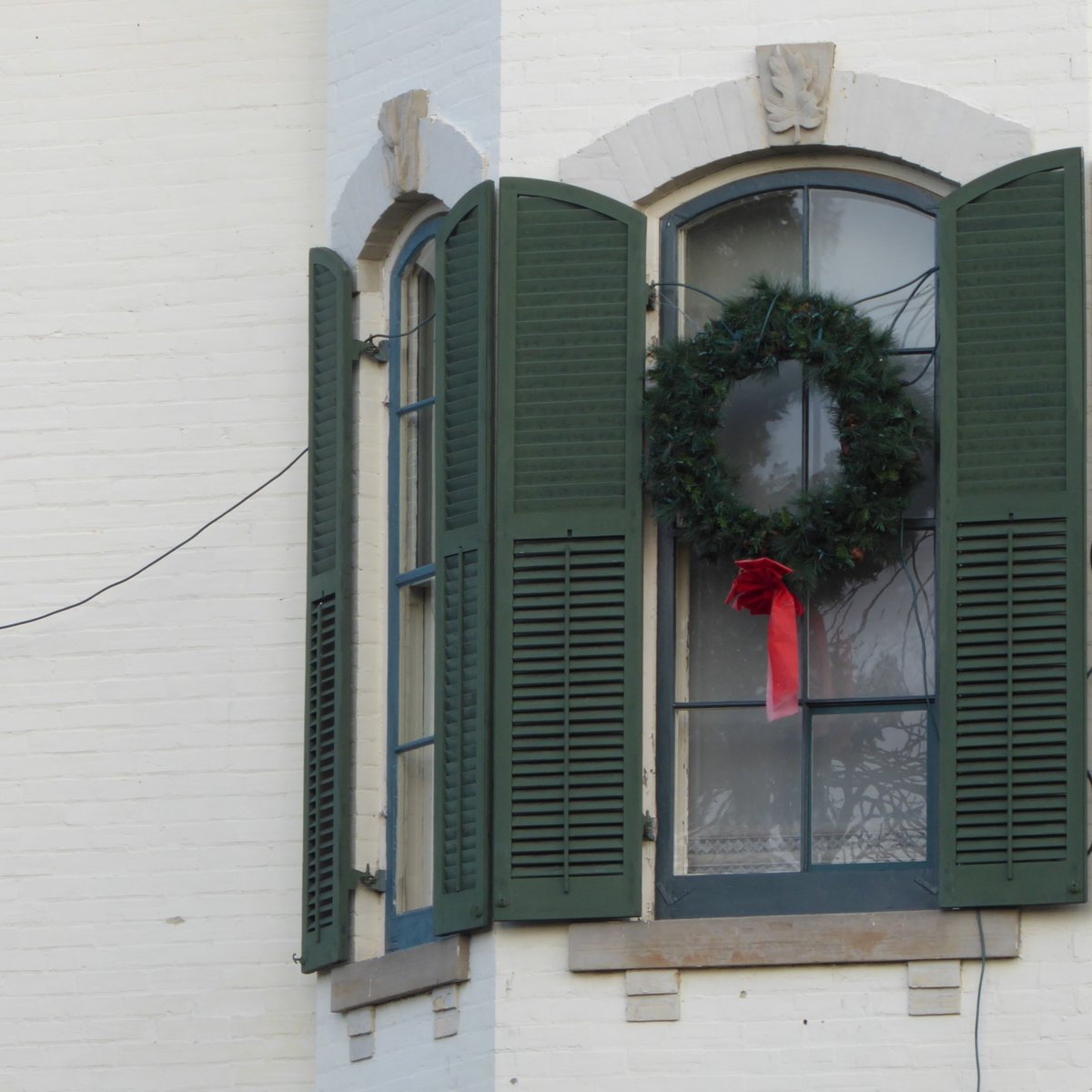
In 1865, an Irishman named James Austin purchased "Spadina Estate" from another named William Warren Baldwin for £3,550. Austin demolished the existing home on the property and constructed the surviving Spadina House a year later.
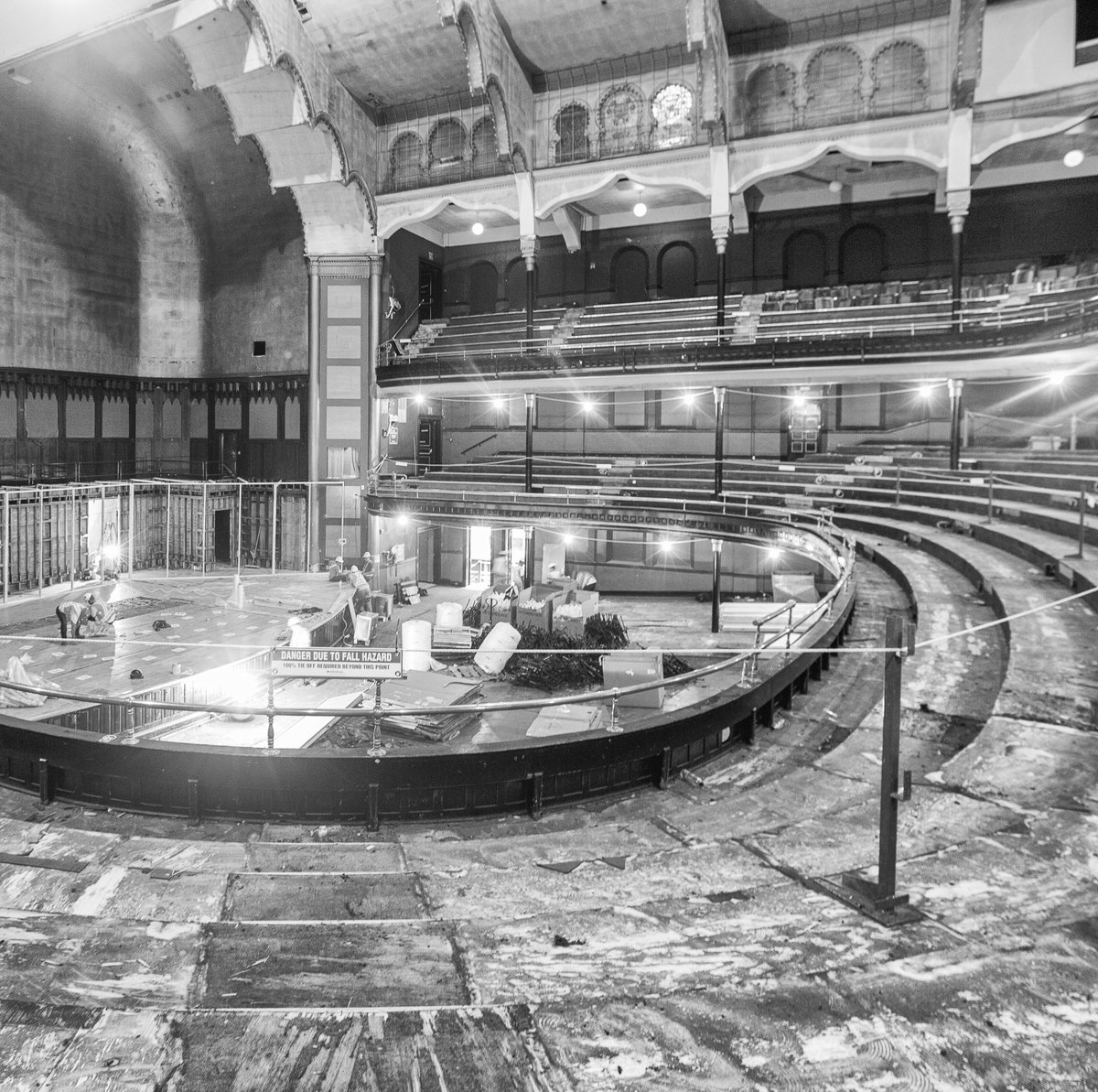
Today's the day! Massey Hall is open again after @kpmbarch's three-year revitalization project. Check out these gorgeous photographs of the 1894 building's transformation by Salina Kassam. Explore Massey Hall's history on TOBuilt: https://t.co/fjAdcMLPMs @MimzH20 @masseyhall
Somewhat misnamed, Tudor Revival architecture revives elements of England's vernacular medieval and Renaissance architecture in general, not those particular to the Tudor era. Its defining features, (faux) half-timbering and four-centred arches, both long predate Henry VII.
Perhaps Tudor homes are thought of as more distinct than, say, Plantagenet equivalents because they were built at a time when aristocrats increasingly preferred living in large houses rather than castles, giving residential architecture a lasting cultural cachet.
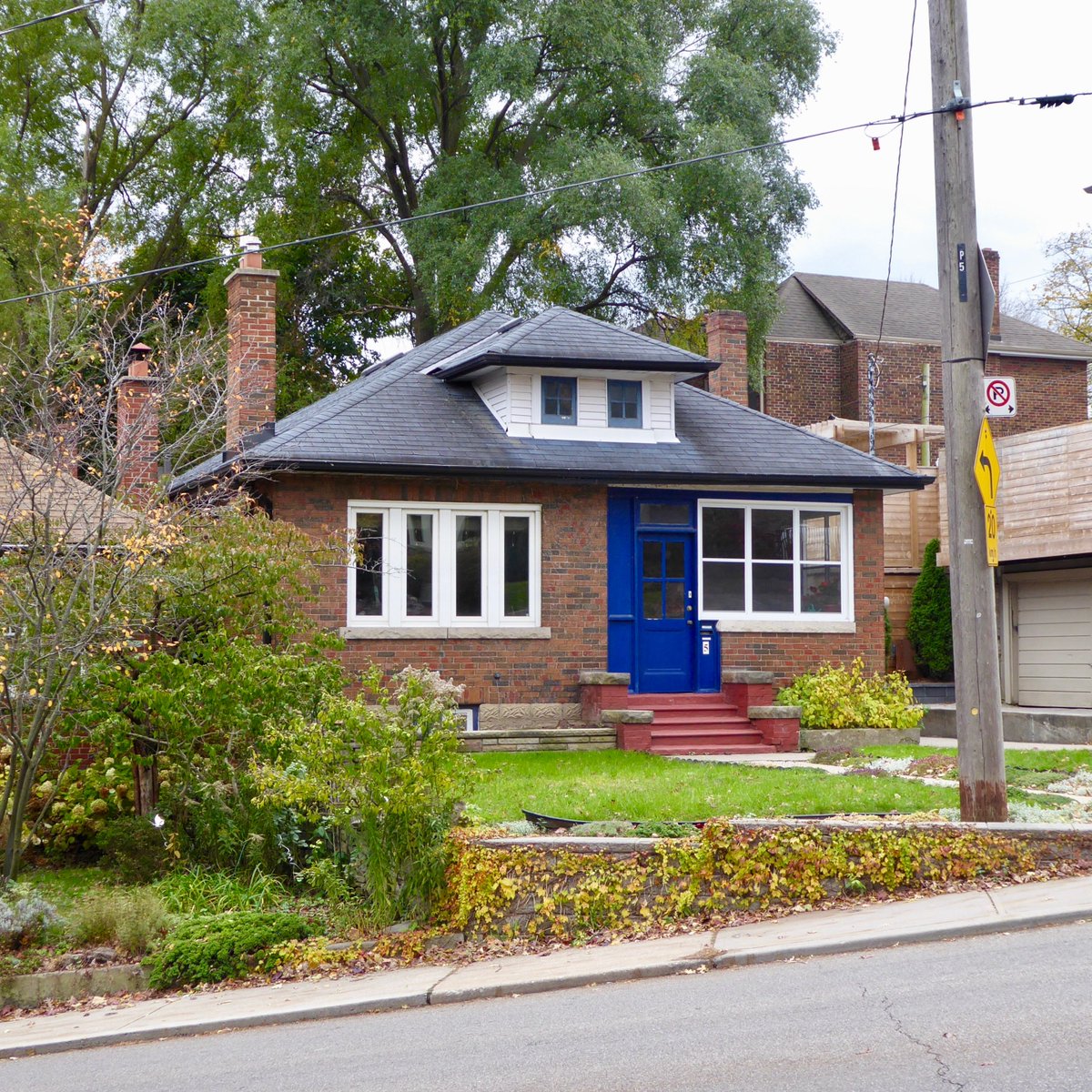
Though "Regency Revival" is not an explicitly recognized style, this particular 1930 Swansea house's resemblance to Upper Canada's Regency Cottages couldn't be more explicit. Single-storied with dormer windows upon a hipped roof, both the original and its reincarnation stand out.
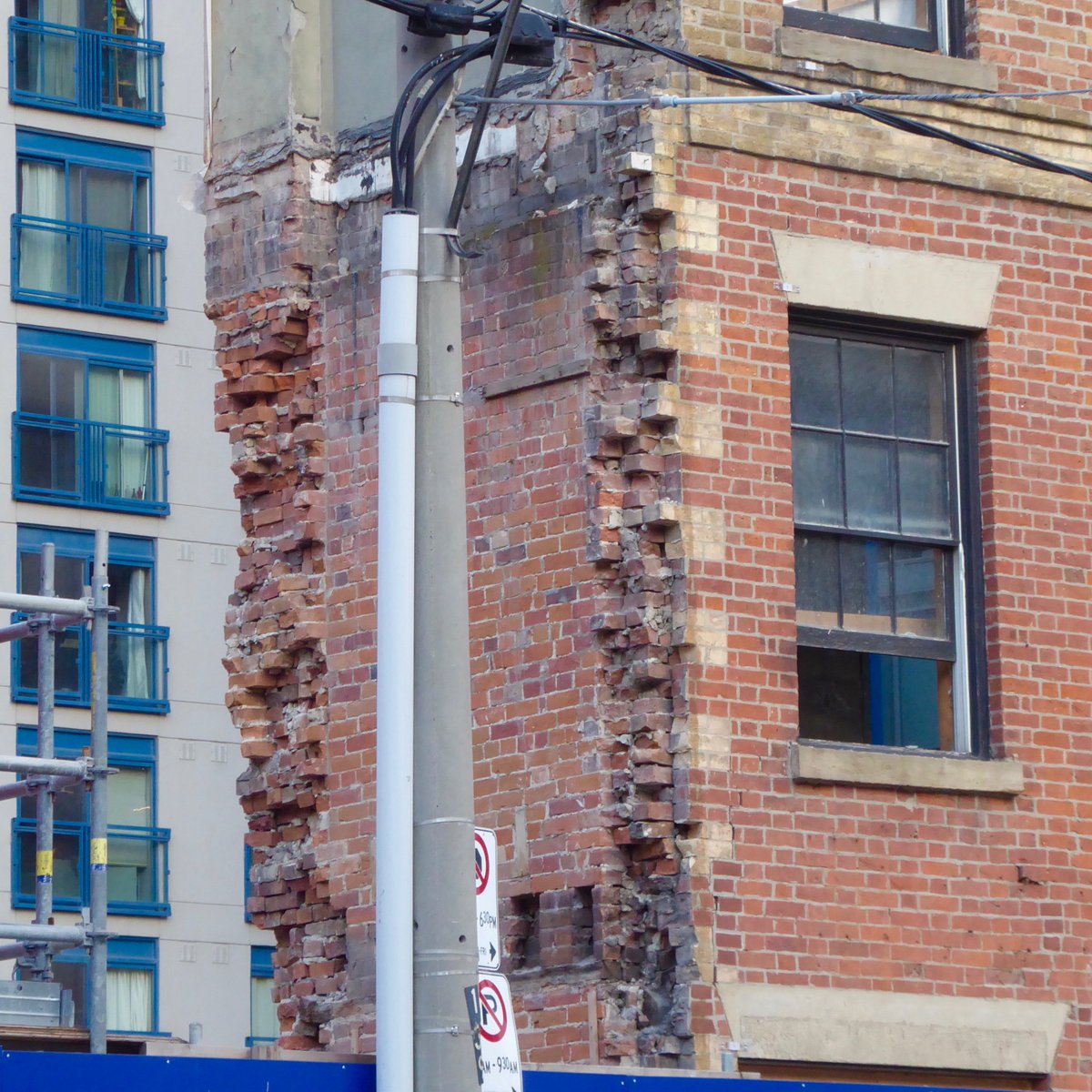
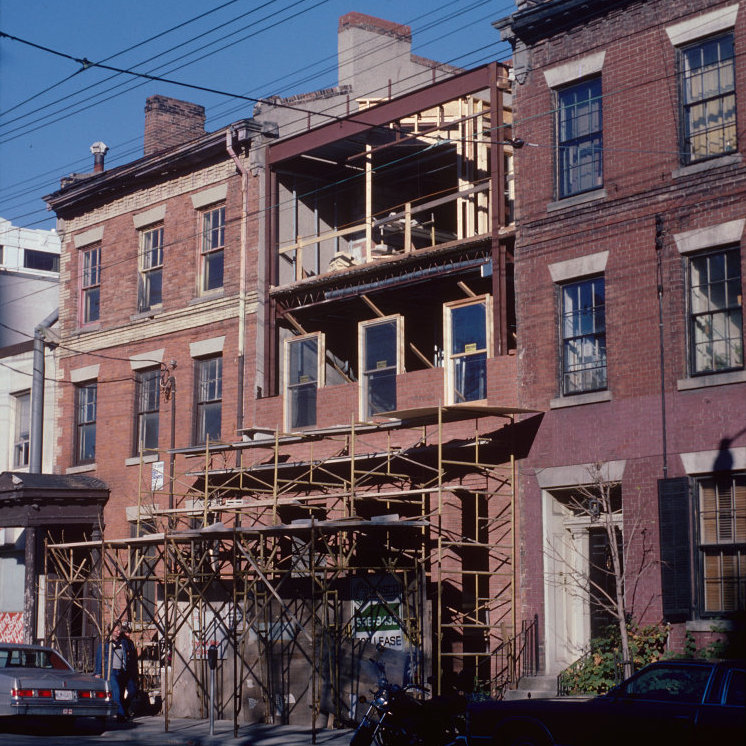
The 1848 façades at 191-197 Church Street – including the 1981 façade of the middle replica unit – will form the base of a forthcoming condo by CentreCourt. These remnants are a rare example of Toronto's semi-surviving Georgian rows, once the city's dominant architectural form.
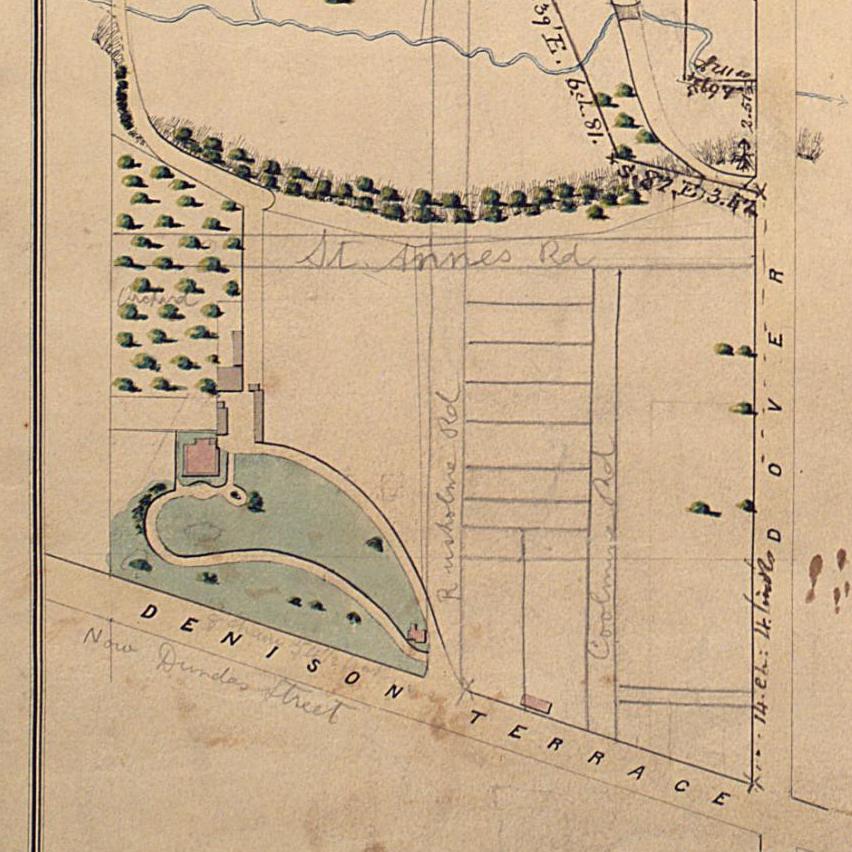
Rusholme Road is one of several dense Toronto streets ironically named for the rural aristocratic estates that preceded them. George Denison II built Rusholme manor in 1839. Gradually, surrounding neighbourhoods closed in. The manor finally sold in 1953 to apartment developers.
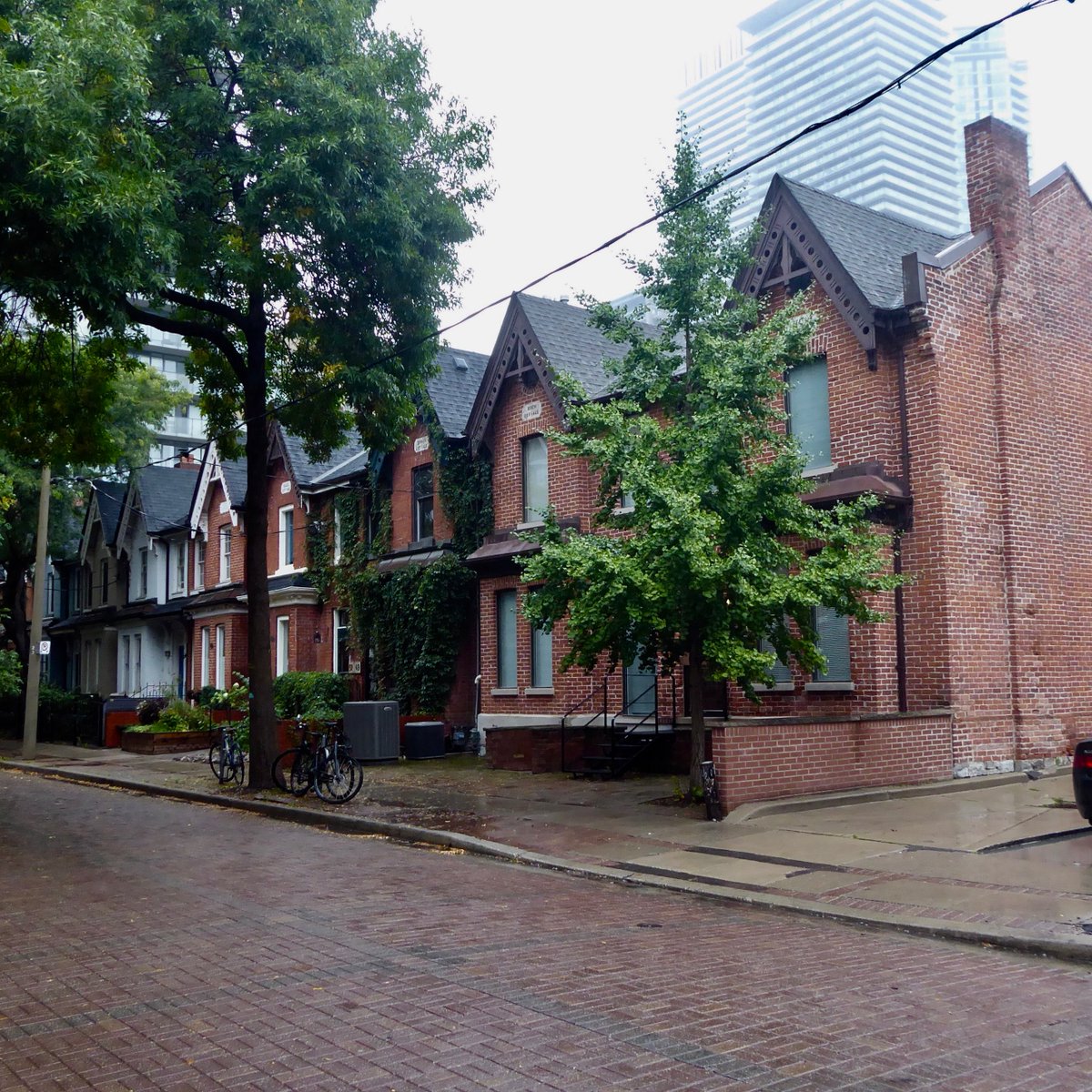
A very rare example of surviving Victorian terraced housing in Toronto's downtown core, 45-63 St. Nicholas Street sits just several hundred metres from Young and Bloor yet feels like a quaint neighbourhood row. Each "cottage" is named after a local flower, tree, or plant.
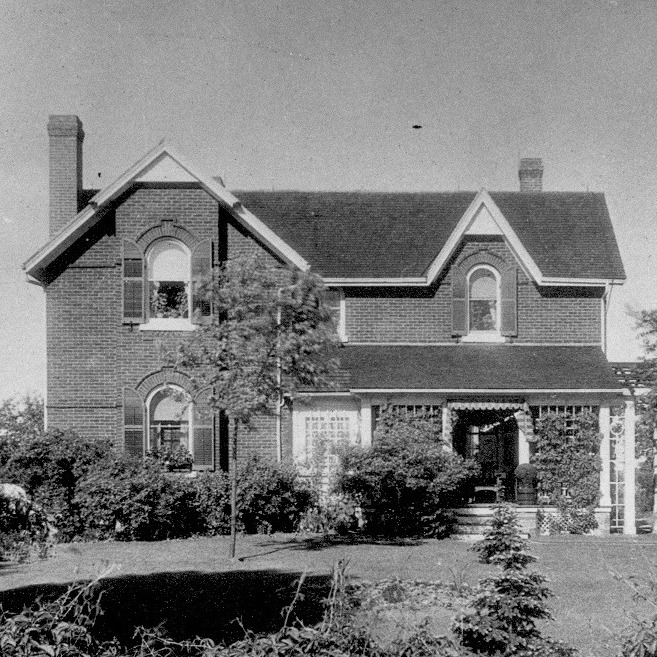
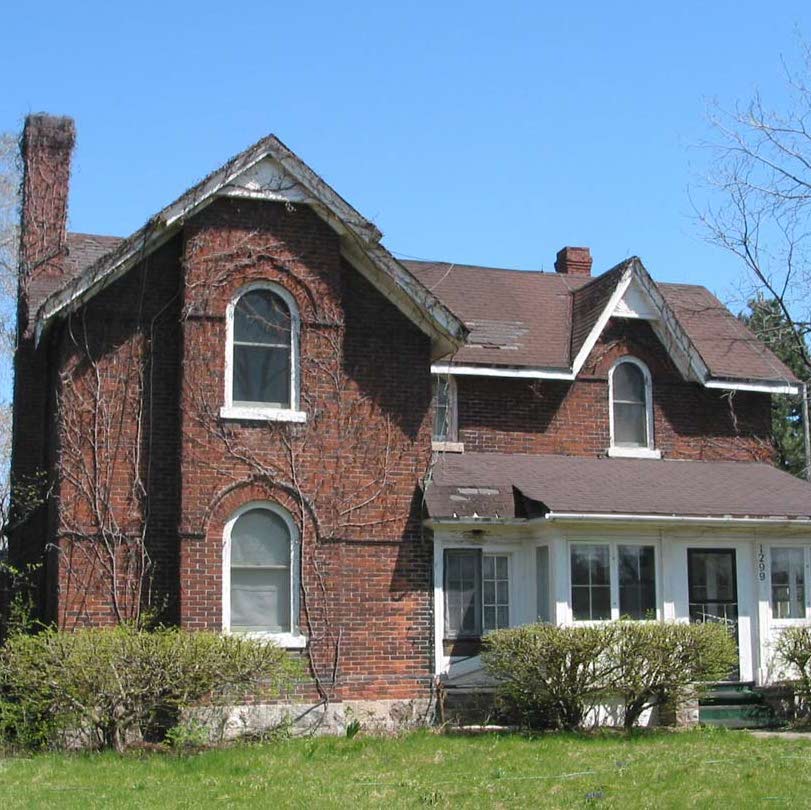
George Gray's 1894 North York farmhouse blends Gothic gables with round-headed Romanesque windows. It sits on Don Mills Road, which began its life as the Don Independent Road, an access route between Todmorden and York Mills constructed by the Grays in the 1850s.
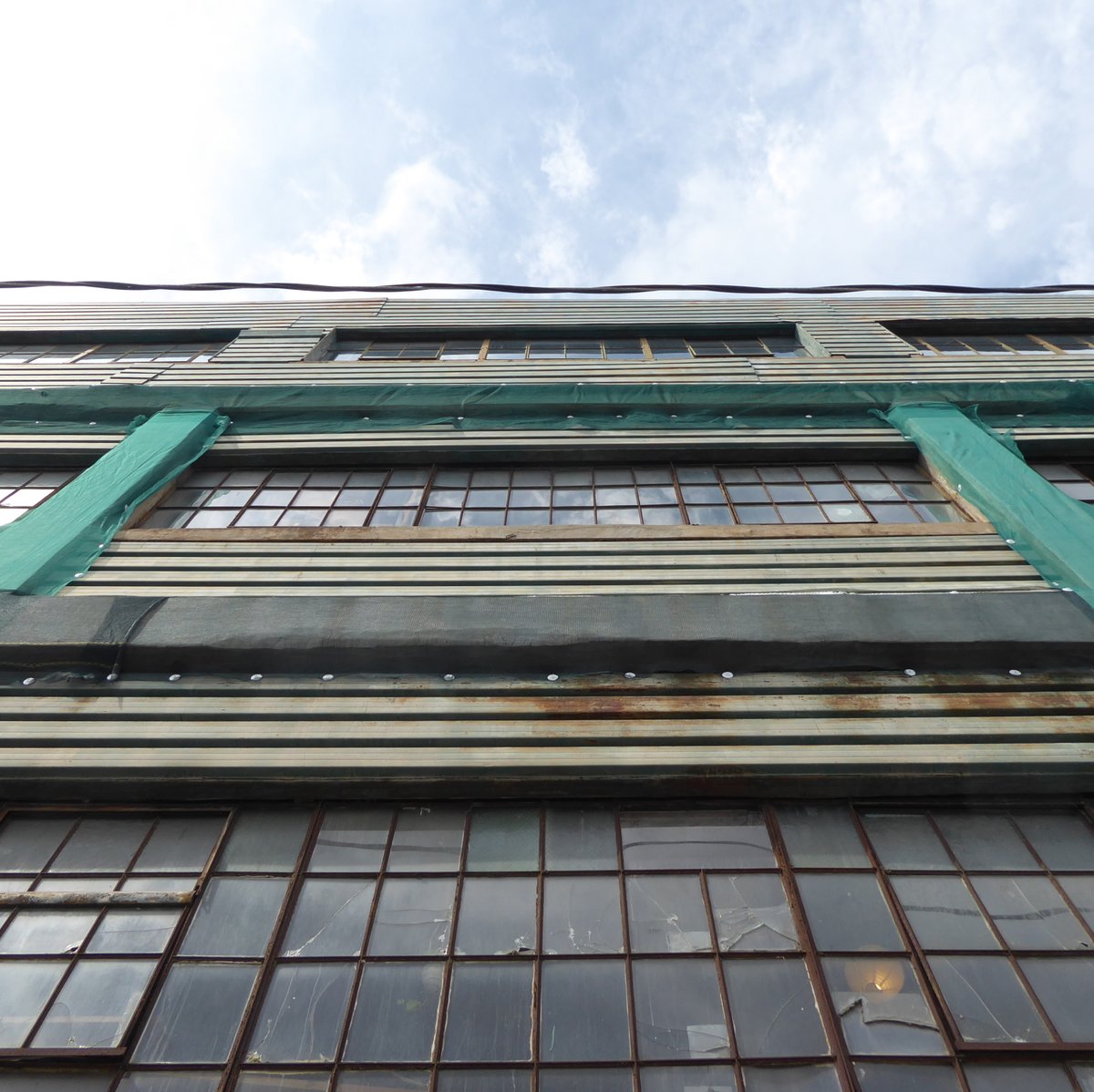
This century-old industrial building was formerly a yarn-spinning firm and a broom factory employing the blind. It's now a complex of affordable rental spaces for artists and small businesses but is slated for demolition to make way for a mixed-use development by @tasdesignbuild.
Postal Station C is at risk! The 118-year-old post office, formerly operated by Canada Post and presumably Royal Mail Canada before them, ceased operations in autumn 2020. Canada Post since put the heritage building up for sale and bidding closed just two weeks ago.
A petition calling to halt the sale in favour of public consultation has reached nearly 2,000 signatures: https://t.co/cm2wD2zHbw. Councillor @anabailaoTO and MP @JulieDzerowicz both support conserving the station, but as things stand, the property could sell at any time.