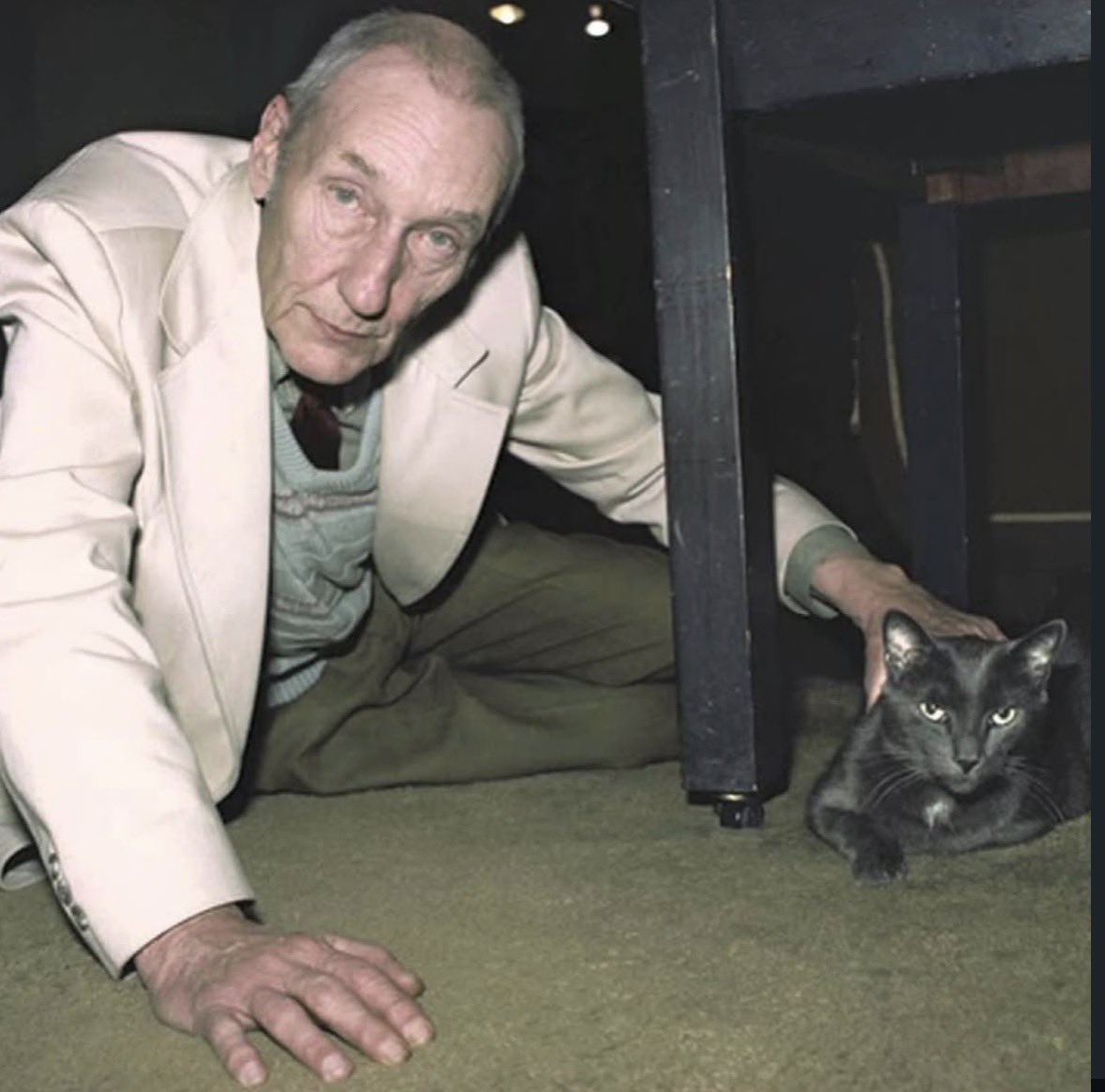
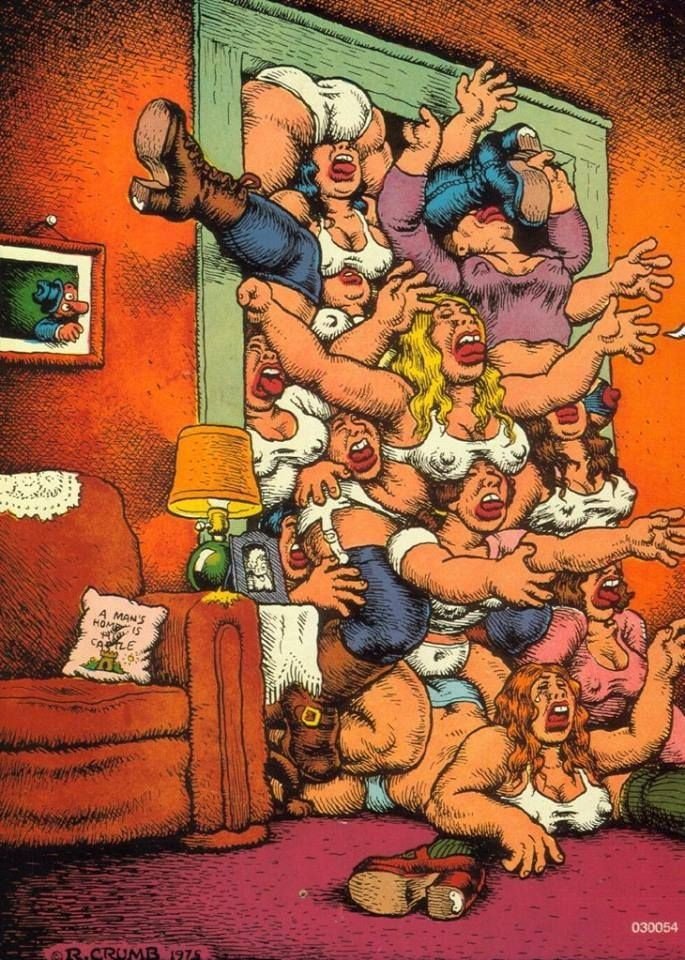
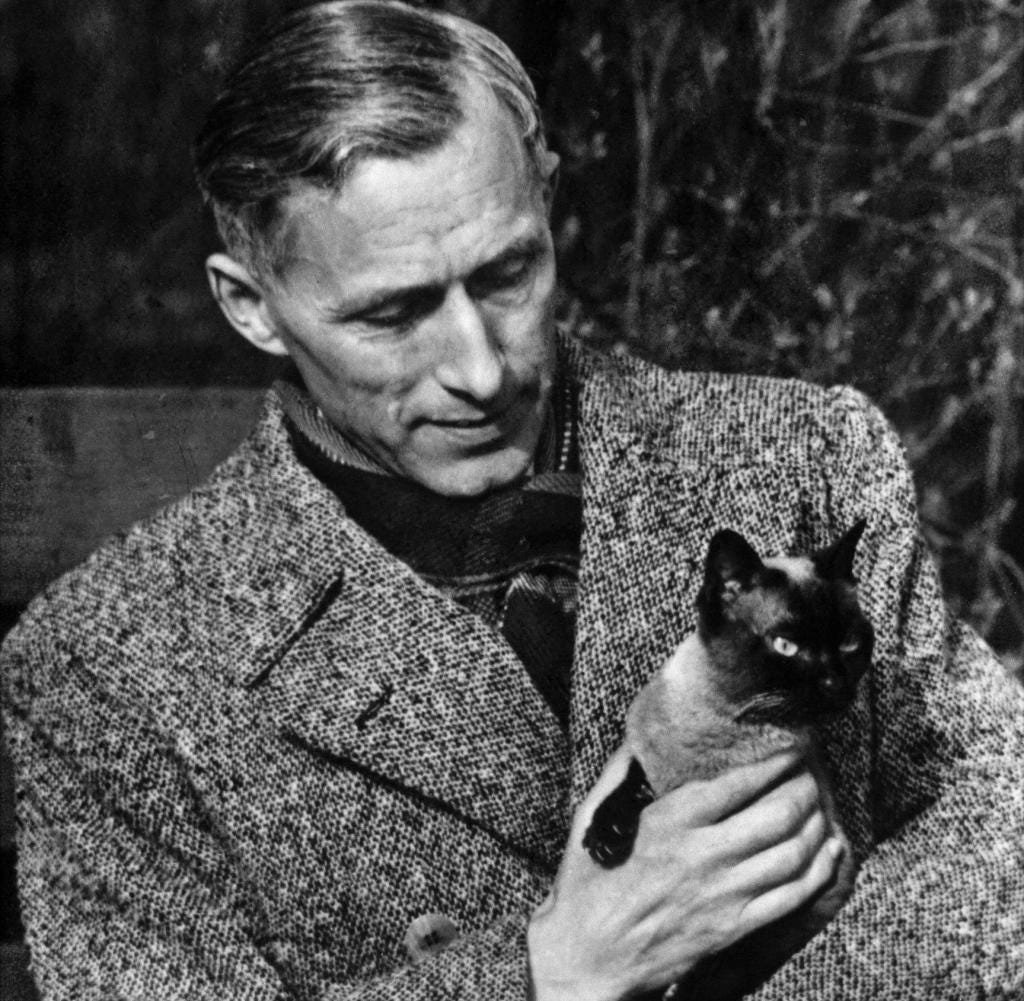
William S. Burroughs and a couple of his lovely cat friends.
Burroughs's profound affection for cats stemmed from his view of them as independent, non-judgmental "psychic companions" who offered a form of pure love that he felt saved him from a "deadly, pervasive ignorance".
"Enivrez-vous
Il faut être toujours ivre. Tout est là. C'est l'unique question. Pour ne pas sentir l'horrible fardeau du temps qui brise vos épaules, et vous penche vers la terre. Il faut vous enivrer sans trêve.
Mais de quoi ? De vin, de poésie, ou de vertu, à votre guise. Mais enivrez-vous.
Et si, quelquefois, sur l'herbe verte d'un fossé, dans la solitude morne de votre chambre, vous vous réveillez, l'ivresse déjà diminuée ou disparue, demandez au vent, à la vague, à l'étoile, à l'oiseau, à l'horloge, à tout ce qui fuit, à tout ce qui gémit, à tout ce qui roule, à tout ce qui chante, à tout ce qui parle, demandez quelle heure il est . Et le vent, la vague, l'étoile, l'oiseau, l'horloge vous répondront : "Il est l'heure de s'enivrer ! Pour n'être pas les esclaves martyrisés du temps, enivrez-vous, enivrez-vous sans cesse ! De vin, d'amour ou de vertu, à votre guise."
Charles Baudelaire, Le Spleen de Paris - XXXIII
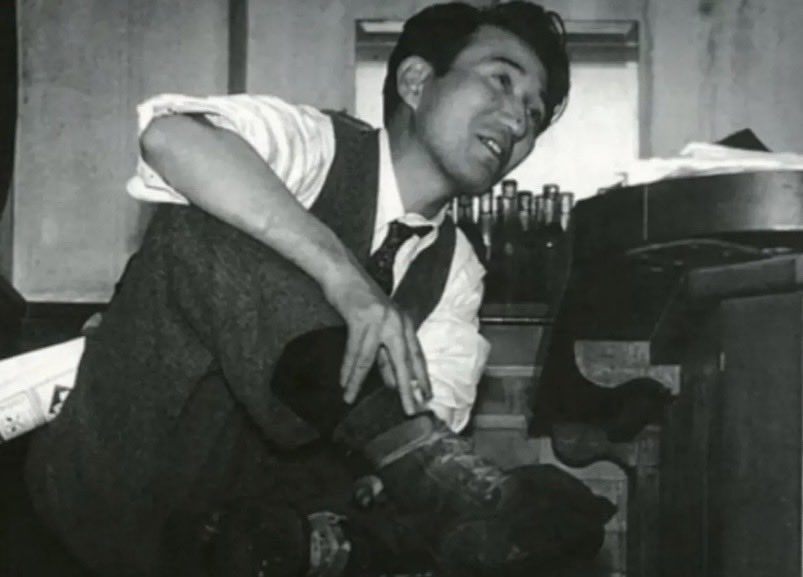
“To live is merely to undergo a series of humiliations in a world that does not care whether you exist or not.”
- Osamu Dazai
Osamu Dazai’s writing frequently examined alienation, shame, loneliness, self-destruction, and the desire to find a place in the world. In works like No Longer Human, The Setting Sun, and Schoolgirl, he depicted people who struggled to connect with society or understand the expectations others seemed to follow naturally. Drawing heavily from personal experience, Dazai often blurred autobiography and fiction, giving his stories a deeply personal and vulnerable tone.
His work also suggests that loneliness can be most painful when someone feels unable to show others who they truly are. Many of his characters conceal themselves behind humor, performance, or carefully constructed social masks while becoming increasingly isolated. Beneath their despair, Dazai explores identity, belonging, and the painful conflict between wanting acceptance and feeling incapable of ever being fully understood.
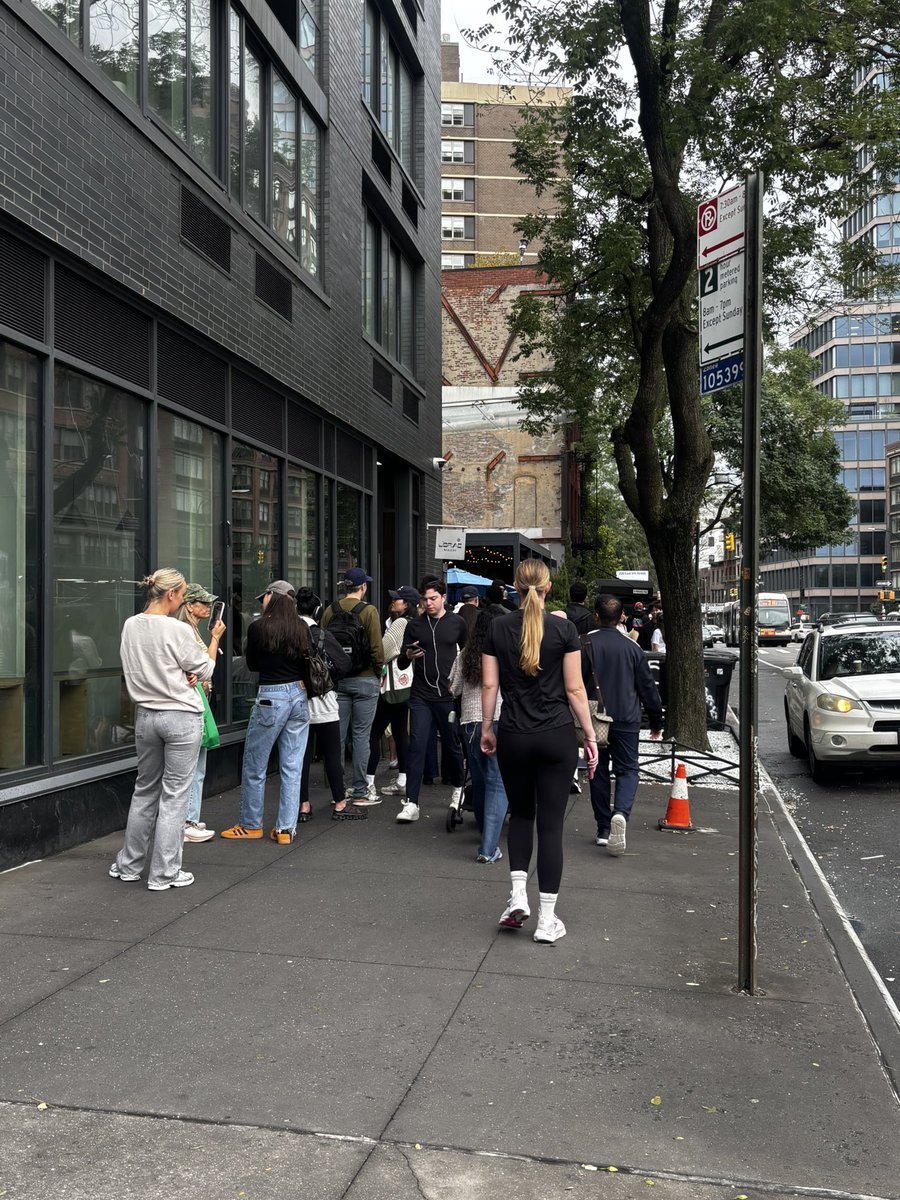
People run marathons for fun. They fight each other for fun. They risk their life to have fun by climbing mountains.
But nobody works a steady job for fun. That's because its real hard work.
This is the greatest photographer of Portuguese Surrealism: Fernando Lemos (1926-2019).
The first photograph is a brilliant self-portrait. Above his head hovers Le Pendu (The Hanged Man), the XII Major Arcana of the Tarot de Marseille.
“Today only the person who no longer believes in a happy ending, only he who has consciously renounced it, is able to live. A happy century does not exist; but there are moments of happiness, and there is freedom in the moment.”
— Ernst Jünger, The Glass Bees