Want to take part in Ethereum while staying in control?
With imToken Stake, your private keys stay with you. You remain in charge of access, without relying on a centralized platform.
Get started: https://t.co/oKjWqMDcwB
How a sandwich attack taxes a large swap 🥪
1. A bot sees your pending swap in the public mempool.
2. It buys just ahead of you, pushing the price up.
3. Your order fills at the worse price. The bot sells right behind you.
You pay the gap. The bigger the order, the bigger the target.
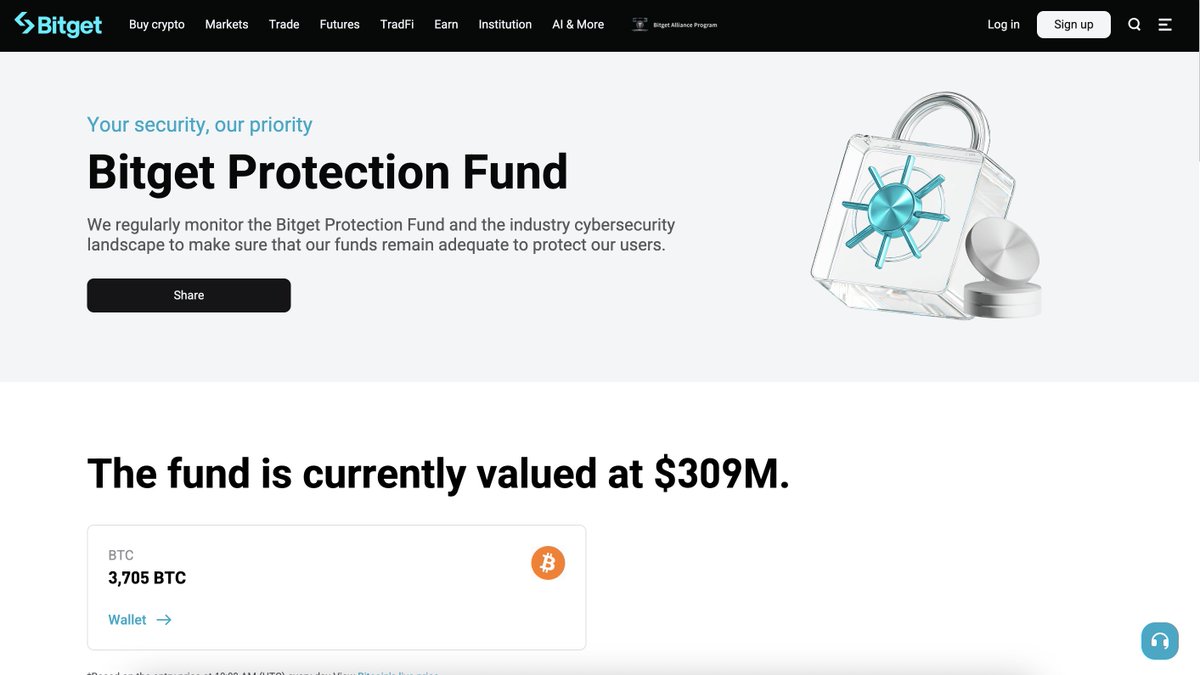
-Bitget Protection Fund back to >$300M as we promised. https://t.co/GeX9tc0ASQ
-PoR is 131% per yesterday's update https://t.co/2xs4e09Ro6
-Withdrawal resumed for BTC, ETH, and USDT already, will open up everything else on Friday.
The business is gradually back to usual. Thank you for all of your support!
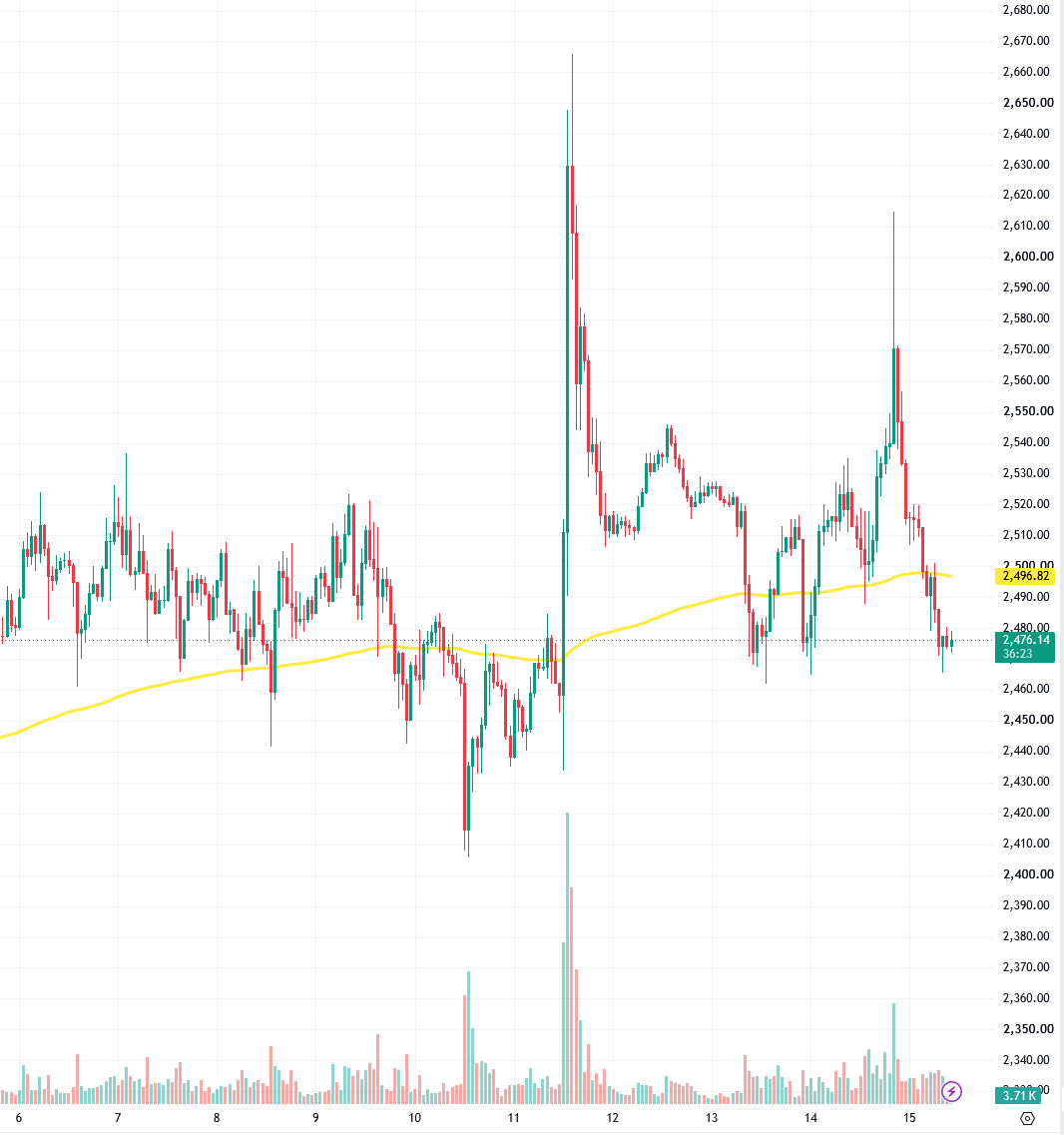
📈ETH reclaims $2,700, up 4.2% in 24h
Both BTC and ETH posted gains today, with BTC crossing back above $86,000 and ETH rallying past $2,700. Recent corporate treasury additions and capital inflows have drawn heightened market attention, alongside short covering following the price breakouts.
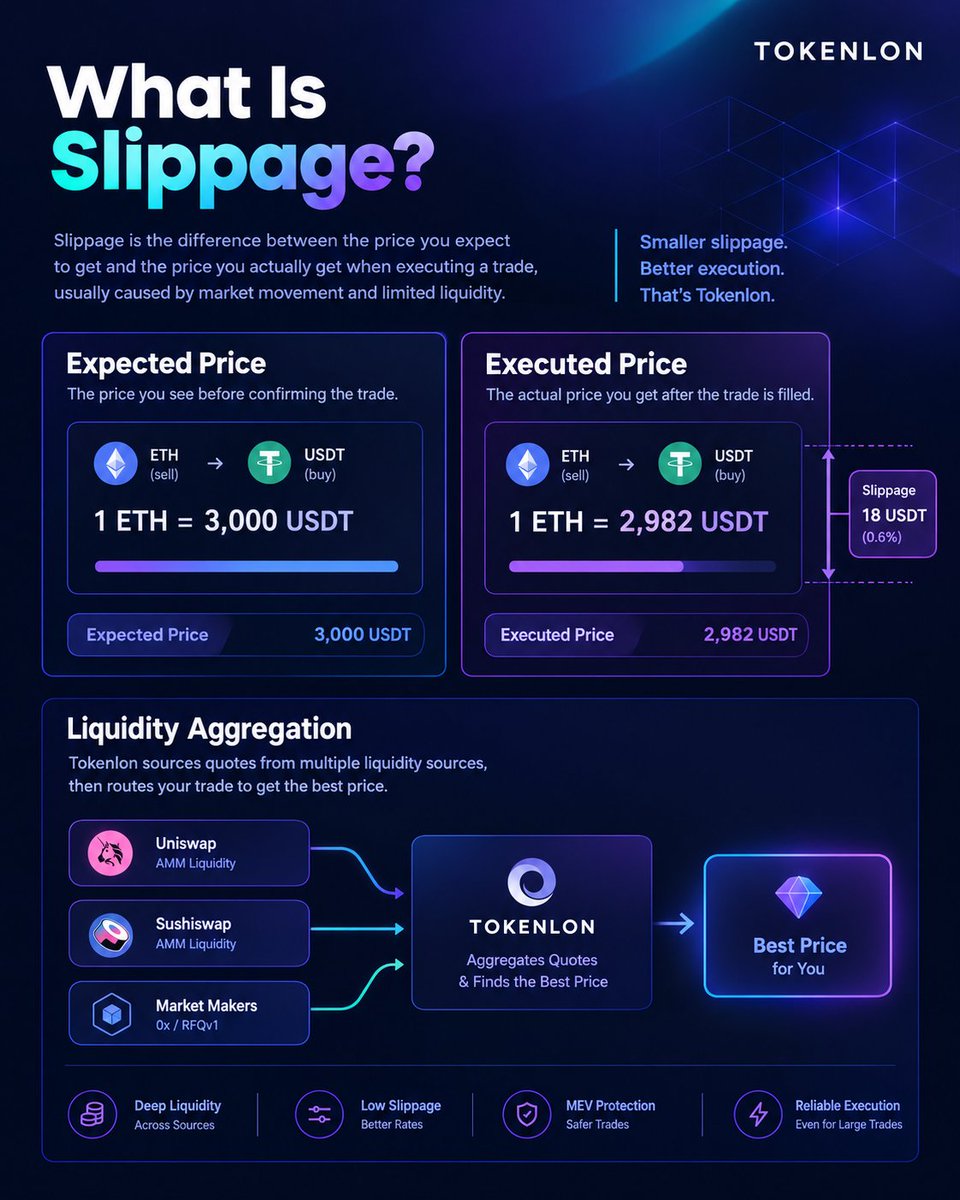
Slippage isn't a fee.
It's the gap between expected price and execution price. Widens during volatility—like yesterday's Fed decision.
Example: A 100 ETH swap on a single DEX during Fed announcement?
🔹 Expected: $180,500
🔹 Actual fill: $179,200
🔹 Slippage cost: $1,300 (0.72%)
Tokenlon aggregates on-chain + off-chain liquidity for tighter quotes when it matters most.
99%+ successful execution rate.
A grim reminder that crypto security goes far beyond smart contracts and private keys.
As crypto ownership grows, so does the importance of operational privacy. Keep your holdings, storage setup, and personal information private.
No amount of money is worth becoming a physical target.
🚨BREAKING: Someone murdered an entire family in Mexico to steal a Bitcoin hardware wallet reportedly holding $1.5 MILLION.
Jonathan Meléndez, keyboardist of the band Camilo Séptimo, his pregnant wife, their 3-year-old daughter and their housemaid were killed by someone who knew about his holdings stored at home.
Their 6-year-old son survived.
Two suspects were arrested within 12 hours and face up to 70 years per victim.
Violent crypto robberies are surging, with over $30 MILLION stolen through physical attacks on crypto holders in the first half of 2026 alone, per Chainalysis.
A trader bought $20M of a token and received under $1M worth. Not a hack. Not a rug. Just slippage.
Execution quality is infrastructure. On liquid pairs, the gap between what you expect and what you get should be near zero — not 95%.
JUST IN: 📱 Someone reportedly lost $19.8M after accidentally buying $20M of "Artificial Inu" memecoin on Robinhood Chain.
The transaction shows a $20.12M purchase at $24.4385 per token. 🐕