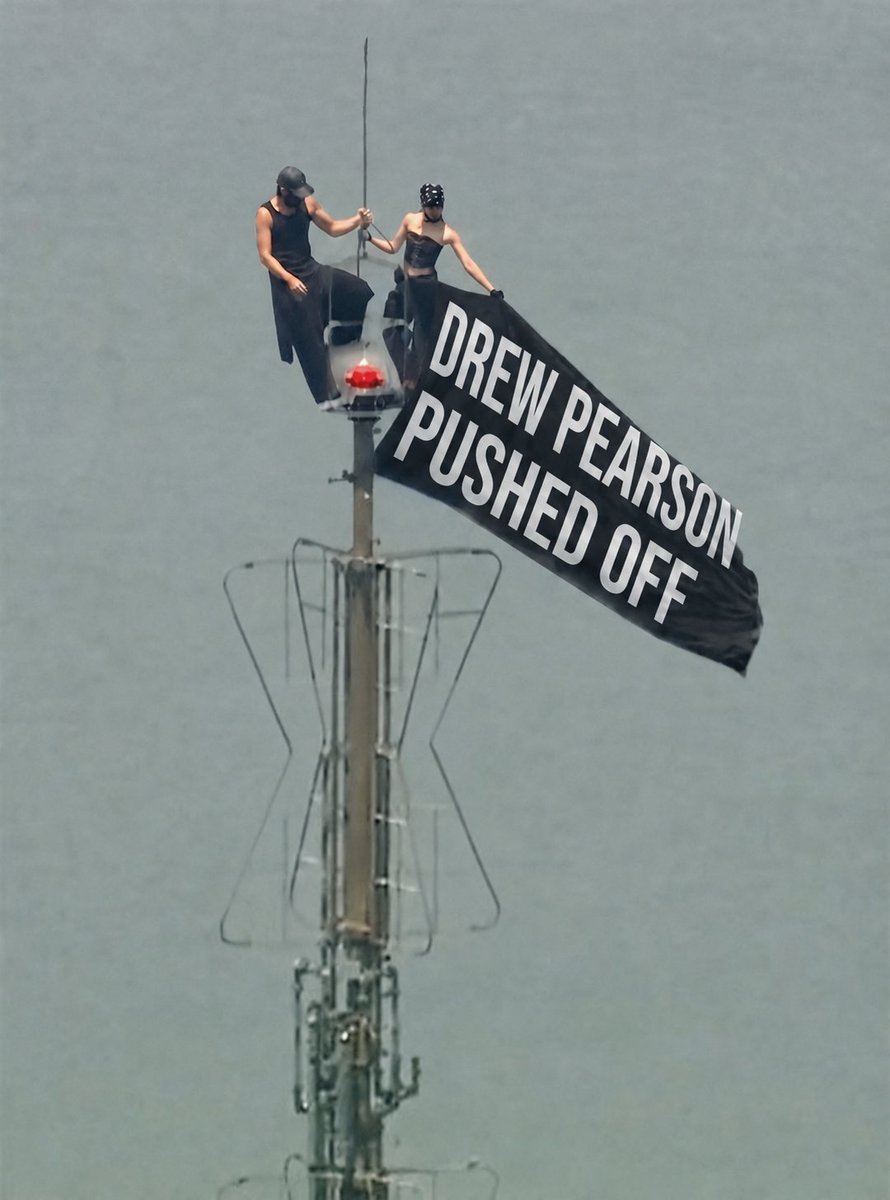
Father of three. Husband. Hawkeyes, Vikings, Twins, Fever fan. March Madness in Vegas. Love the Purple People Eaters! And we all know Drew Pearson pushed off.
I appreciate that you have been restrained, speaking of the basketball facts and pointing out the failures, the data, what should be happening in terms of coaching and officiating.
But it will keep happening. This league is always going to protect what they feel are the real oppressed which in the DEI world has nothing to do with reality and facts and has everything to do with predetermined victims.
Alyssa Thomas identifies herself as a victim. She uses social media vile posts as her evidence to support this world view.
Yet she has a commissioner, a players union, the media and fellow predetermined and self identified victims to come to her defense, supporting her emotionally and justifying what happened - even when her actions were indefensible.
In her mind (and the leagues’ ) Caitlin Clark deserves no protection - she is the pre determined oppressor regardless of what reality she has been living for the past 3 years.
This is a classic case of hostile work environment, discrimination and civil rights violations that have seriously affected Caitlin Clark’s ability to do her job.
I was an employment lawyer for 30 years and this is a slam dunk - except, you have a league, a portion of players and media that buys into a falsehood that a white straight woman cannot be a victim of discrimination.
That is a dangerous world - where facts, actions do not determine this.
And we see how Thomas showed no feeling, no accountability for what she did to Caitlin Clark. And neither did the league. And neither will the Fever.
The federal civil rights division needs to step in. They need to deal with this. Maybe it’s time to take on this battle. It cannot go on for Clark or in our society.
Caitlin probably does not want it. The approach she and the Fever take is for her to disappear for a while, hope it dies down and she can continue to play. But it will happen again - until she is injured next time and cannot come back.
Watching Caitlin at Iowa was a party. Watching Caitlin with the Fever is a support group. The WNBA somehow turned the most exciting player in basketball into a weekly stress test.
Years from now, I believe people will look back on this moment as one of the greatest self-inflicted failures in professional sports.
The public was ready.
Fans were excited.
Millions of people who had never watched a WNBA game suddenly became invested in women's basketball.
The league had the rarest opportunity in sports... a transformational superstar capable of changing its trajectory for generations.
Instead of embracing that moment, the WNBA chose culture wars over basketball, politics over player protection, and ideology over leadership.
Rather than showcasing the game at its best, it allowed controversy, inconsistency, and internal division to become the story.
And the generation of young girls who finally saw the sport capturing the nation's attention, instead got to watch the league squander one of the greatest growth opportunities it has ever been given.
The Caitlin Clark Isolation Phase Has Begun
We told you to watch it before tipoff.
Not after the game.
Not after the Fever beat the Sparks by 24.
Not after the box score looked clean.
Not after the broadcast had time to polish the story.
Before.
We said the Indiana Fever’s first game without Caitlin Clark was not just a basketball game.
It was a Caitlin Clark narrative test.
And now we are here.
The Fever won 111-87. The offense looked smooth. The whistle looked friendlier. The free throws tilted Indiana’s way. The guards were allowed to play. The rotations looked cleaner. The coach looked more comfortable. The broadcast had a pretty box score. The media got exactly what it needed.
One clean night without Caitlin Clark.
Now watch what happens next.
Because this was never going to end with one game.
This is the beginning of the next phase.
The Caitlin Clark isolation phase.
That does not mean everyone is sitting in a room plotting every word. That is not the point.
The point is that the incentives all lined up perfectly.
The WNBA needed the controversy around Caitlin to cool down.
The Fever needed to look functional.
Stephanie White needed a cleaner night.
The media needed a way to discuss Indiana without admitting how badly the league has mishandled Caitlin Clark.
And the Caitlin skeptics needed one game they could use to softly suggest what they have wanted to say all along:
Maybe the Fever are calmer without her.
Maybe the ball moves better without her.
Maybe the team is happier without her.
Maybe the coach can breathe without her.
Maybe Caitlin Clark is not the solution.
Maybe she is the problem.
They will not say it that plainly.
They are too careful for that.
But listen to the language.
“They looked balanced.”
“They looked connected.”
“They played freer.”
“They trusted each other.”
“Stephanie White had them settled.”
“Tyasha Harris gave them poise.”
“The Fever showed they are more than Caitlin Clark.”
On the surface, all of that sounds harmless.
It is not.
That is how a narrative is built.
Not with one giant lie.
With a hundred little suggestions.
And last night gave them the perfect foundation.
Tyasha Harris started in Caitlin’s place and played well. Good for her. She deserves credit for being ready. She scored, she handled the moment, and she helped Indiana win.
But the way the moment is being framed matters.
After the game, Coach White’s tone around Harris was warm, proud, and trust-based. She talked about trusting her. She praised her readiness. She let the room celebrate her. The energy was relaxed, affirming, and emotionally open.
Again, that is fine.
Coaches should praise players who step up.
But Caitlin Clark fans are not crazy for noticing the contrast.
Because when Caitlin is discussed, the public tone too often feels different.
More correction.
More management.
More talk about what she needs to clean up.
More focus on control, decisions, pace, turnovers, emotions, learning, and maturity.
With Tyasha, the frame was simple:
We trusted you.
You were ready.
You delivered.
That is not a small difference.
Especially in this moment.
Because Caitlin Clark is not just out with an injury. She is out after one of the ugliest stretches of league failure we have seen around a star player.
She took dangerous contact to the throat area.
No foul was called live.
The league reviewed it after the fact, called it reckless, called it a non-basketball act, upgraded it to a Flagrant 2, and handed down one game and a $1,000 fine.
One game.
Then players defended the physicality.
Media voices minimized the outrage.
The commissioner said far too little.
The Phoenix Mercury posted a nasty graphic and deleted it after the backlash.
And Caitlin Clark, the player who has carried so much of the league’s growth, was left looking more isolated than protected.
That is the part people do not want to say out loud.
Caitlin looks like she is on an island.
Where is the loud, public support from the league?
Where is the clear line from the commissioner?
Where is the full-throated defense from the organization?
Where are the teammates saying enough is enough?
Sophie Cunningham has been one of the few willing to make it obvious.
Everyone else seems careful.
Quiet.
Managed.
Or missing.
And now, after all of that, Caitlin sits out and the Fever suddenly get the perfect “we are fine without her” game.
That is why this week matters.
Because this is going to get ugly.
The Caitlin Clark bashing session has already started online. It will get louder. The next few days will be filled with speculation about her injury, her future, her attitude, her fit, her coachability, her fans, and whether the Fever are secretly better when she is not on the floor.
They will pretend to care about her health while using her absence to build a case against her value.
They will say the team looks less chaotic.
They will say the vibes are better.
They will say the offense has more flow.
They will say Coach White can finally coach without everything being about Caitlin.
They will say Harris gave the Fever a steadier presence.
They will praise the locker-room energy.
They will frame the win as proof of growth.
And eventually, someone will get brave enough to say what the whole narrative has been nudging toward:
Maybe Caitlin Clark is too much.
Too much attention.
Too much pressure.
Too many fans.
Too much drama.
Too hard to coach.
Too big for the league.
No.
That is backwards.
Caitlin Clark did not make this league smaller.
She exposed how small it still is.
A serious league would have protected its star early.
A serious league would have controlled the physicality before it became a weekly debate.
A serious league would have demanded better officiating.
A serious organization would have built a stronger public wall around its franchise player.
A serious coach would understand that managing Caitlin Clark is not the same thing as empowering her.
And serious media would not use one clean game without her to pretend the last several weeks did not happen.
That is the danger now.
Not that Tyasha Harris played well.
Not that the Fever won.
Not that Stephanie White praised a player who deserved praise.
The danger is that all of it now becomes part of a larger effort to emotionally frame the Fever without Caitlin.
The game was not just played without her.
It was emotionally framed without her.
That is the line people need to understand.
The Fever did not just win a basketball game.
They got a version of the game Caitlin Clark rarely gets.
A friendlier whistle.
More breathing room.
Cleaner rotations.
Less defensive obsession.
A coach who looked relaxed.
A media environment ready to praise the calm.
And now the league gets to pretend that difference is about Caitlin’s absence, not the way everything around Caitlin changes when she is present.
That is the trick.
When Caitlin plays, she gets the pressure, the contact, the scrutiny, the weird whistle, the strange rotations, the lectures, the criticism, and the blame.
When she sits, everyone else gets space, praise, rhythm, and benefit of the doubt.
Then people compare the two environments and act like they are comparing the same thing.
They are not.
That is why our prediction matters.
We are not saying we know who planned what.
We are saying we told you exactly what to watch before tipoff, and the game unfolded almost perfectly along those pressure points.
The whistle changed.
The free throws changed.
The offensive rhythm changed.
The coaching optics changed.
The guard treatment changed.
The postgame tone changed.
The narrative door opened.
And now, the next phase begins.
This week will not be about basketball as much as it should be.
It will be about Caitlin Clark’s place in the league.
Her injury.
Her future.
Her attitude.
Her fanbase.
Her relationship with Stephanie White.
Her value to the Fever.
Her value to the WNBA.
Her willingness to keep absorbing a league culture that has taken everything she brought and still seems uncomfortable defending her.
And for the first time, I am not sure there is a clean path forward.
I used to believe the basketball people would eventually rise up.
The purists.
The coaches.
The former players who know what a generational guard looks like.
The analysts who understand spacing, gravity, pace, passing, shot creation, and the way one player can change the entire geometry of a floor.
I thought they would defend the game.
I thought they would defend the star who made more people care about it.
I thought they would eventually say enough.
But after the last several weeks, I am not so sure.
Because when Caitlin Clark was hit in the throat area, too many people looked for a way to minimize it.
When the league handed down a weak punishment, too many people shrugged.
When the Fever won without her, too many people immediately saw an opening.
And when Coach White praised the replacement guard with warmth and trust, it felt less like a normal locker-room moment and more like another piece of a larger emotional shift.
Maybe that is unfair.
Maybe it is all coincidence.
Maybe everyone is just doing their job.
Maybe Caitlin will return, the Fever will rally around her, the coach will empower her, the league will protect her, the officials will clean it up, and the media will stop pretending her greatness is an inconvenience.
Maybe.
But I would not bet on it.
Because the writing is starting to look pretty clear.
The next week is going to be brutal.
The Caitlin Clark era in the WNBA may not be ending tomorrow.
But the attempt to redefine it has already begun.
And if the people around her do not start defending her with the urgency this moment requires, then the question will no longer be whether Caitlin Clark can survive the WNBA.
The question will be whether she should keep trying.
We called the narrative test before the game was played.
Now we are calling the next phase before it gets fully underway.
The Caitlin Clark isolation phase has begun.
And everyone who cares about the future of women’s basketball should be paying attention.
@K311yS@johnm5454@AmberLCox We have tickets for Monday’s game, driving from Iowa. If it wouldn’t crush my daughter, and I could recoup most of my ticket money, I would much rather skip the whole trip. Games are supposed to be fun. This season continues to be miserable, with no hope in sight.
If I Were Caitlin Clark’s Parents, I Would Be Furious
There is a part of Caitlin Clark’s story that too many people skip over.
They see the logo threes.
They see the packed arenas.
They see the ratings, the jerseys, the endorsements, the fame, the money, the attention, the pressure, the headlines.
But before all of that, there was a family.
There was a mother and father who saw a little girl fall in love with a game and then spent years doing what good parents do when they realize their child has something rare.
They sacrificed.
They drove.
They paid.
They waited in gyms.
They booked hotels.
They sat through tournaments.
They watched her win, lose, cry, grow, get better, get humbled, get back up, and keep going.
That is the part of this story people need to remember.
Caitlin Clark did not just appear out of nowhere.
She was built.
And that does not happen without parents willing to give more than most people will ever understand.
For the parents of an elite athlete, the dream is not just about trophies. It is not just about scholarships. It is not just about seeing your kid on television.
It is about watching your child commit herself to something with everything she has.
It is about knowing what she gave up.
The missed parties.
The missed homecomings.
The missed vacations.
The missed Friday nights.
The missed normal childhood moments most teenagers take for granted.
While other kids were going out with friends, elite athletes were in gyms. While other families were taking easy weekends, basketball families were driving hours to tournaments. While other parents were sleeping in, basketball parents were loading bags into cars before sunrise.
That is the hidden cost of greatness.
And for Caitlin Clark’s parents, that cost was not theoretical.
They lived it.
They watched their daughter chase a childhood dream with a level of commitment most people will never touch.
At the elite level, basketball is not just a game. It becomes a family lifestyle.
You pay for the best travel program you can afford because your daughter needs to play against other elite players.
You practice in gyms that may be nowhere near your house.
You spend weekends at exposure events, AAU tournaments, Nike Nationals, Run 4 Roses, USJN events, and every other tournament where college coaches might be sitting on the baseline with notebooks in their hands.
And none of it is cheap.
Airfare.
Hotels.
Rental cars.
Gas.
Parking.
Food.
Tournament passes.
Uniforms.
Shoes.
Training.
Recovery.
More training.
More shoes.
More hotels.
More weekends gone.
Most people have no idea what that world costs.
And it is not just money.
It is time.
It is emotional energy.
It is family sacrifice.
It is watching your child live under pressure before she is old enough to fully understand what pressure is.
Then come the private trainers.
The shooting coaches.
The footwork coaches.
The ball-handling sessions.
The rented gyms.
The one-on-one workouts.
The mechanical details most casual fans never notice.
The release point.
The balance.
The foot angle.
The catch.
The base.
The pace.
The ability to shoot when tired.
The ability to make decisions when trapped.
The ability to be great when everyone in the building knows you are the player they came to stop.
Then comes strength training.
Not just lifting weights.
Sport-specific strength.
Position-specific strength.
Strength designed to keep a player from getting pushed around. Strength designed to help absorb contact. Strength designed to reduce injury risk. Strength designed to allow a player to survive the physical punishment that comes with being elite.
Then comes speed and agility.
Because skill is not enough.
If you cannot separate, you cannot create.
If you cannot change direction, you cannot punish pressure.
If you cannot move efficiently, all the shooting mechanics in the world will not save you against elite athletes.
Then comes nutrition.
While other teenagers are living on chicken nuggets, fries, milkshakes, and whatever they can grab between classes, elite athletes are learning what fuels their body.
Energy matters.
Recovery matters.
Hydration matters.
Sleep matters.
Eating the wrong thing before the wrong game can wreck a weekend.
That sounds dramatic until you have lived the exposure circuit.
When every possession might happen in front of the coach from the school of your dreams, everything matters.
That is the pressure elite families live with.
A bad weekend can change a recruitment.
A great weekend can open a door.
And when the big coaches are sitting in the gym, everyone knows it.
Dawn Staley.
Geno Auriemma.
Kim Mulkey.
Lisa Bluder.
Every major program looking for the next great player.
That is the world Caitlin Clark had to navigate before she ever became a household name.
Then comes recruiting.
And recruiting is its own education.
Families research everything.
Schools.
Coaching styles.
Team culture.
Player development.
Graduation rates.
Location.
Fit.
Roster construction.
Playing style.
The head coach.
The assistants.
The history.
The red flags.
And every family of an elite athlete eventually learns the same uncomfortable truth:
A coach will never love you more than when they are recruiting you.
That is when the promises are biggest.
That is when the smiles are easiest.
That is when the phone calls are warmest.
That is when everyone tells you how special you are.
So if there are red flags during recruiting, they usually do not get better once you arrive.
They get louder.
Caitlin Clark chose Iowa.
And what happened there matters.
She was not hidden.
She was not managed into something smaller.
She was not treated like a problem.
She was developed.
She was challenged.
She was trusted.
She was coached.
Lisa Bluder and that Iowa staff understood something the Indiana Fever still do not seem to fully understand:
When you have a generational player, you do not shrink her to fit your system.
You build the system around what makes her generational.
That is not favoritism.
That is coaching.
That is basketball.
That is common sense.
At Iowa, Caitlin Clark became one of the greatest offensive engines the sport has ever seen. She became a passer, a scorer, a leader, a competitor, a show, a brand, and a movement.
She carried pressure most athletes never experience.
She did it with fire.
She did it with joy.
She did it with humility.
She did it while elevating everyone around her.
And that is why this next part is so frustrating.
Because the developmental path of an elite athlete is supposed to make sense.
Youth basketball should lead to better training.
Travel basketball should lead to better competition.
College basketball should lead to better structure.
Professional basketball should be the highest level.
The best facilities.
The best minds.
The best preparation.
The best player development.
The best offensive systems.
The best sports science.
The best scouting.
The best leadership.
The best care.
That is how the ladder is supposed to work.
Every step up should get better.
Every step up should become more professional.
Every step up should sharpen the athlete.
So why does it feel like Caitlin Clark reached the professional level and the whole thing got less serious?
That is the question.
And if I were her parents, I would be furious.
Because after all those years of sacrifice, investment, travel, training, development, discipline, structure, coaching, and commitment, his daughter finally reached the highest level of her sport.
The dream.
The professional stage.
The place all of that work was supposed to lead.
And what has she received?
A league that has too often failed to protect her.
A media ecosystem that has too often tried to diminish her.
Veterans who should have embraced what she brought to the game but instead seemed threatened by it.
Officials who have allowed too much contact, too much grabbing, too much cheap physicality, and too much nonsense.
And an organization that still seems unsure whether it wants to unleash her or manage her.
That is the part that should bother every honest basketball person.
Caitlin Clark was not some raw prospect who needed to be taught how to play.
She was a fully formed basketball force.
Not perfect.
No player is.
But rare.
Special.
Transformational.
The kind of player you build around immediately.
The kind of player who changes spacing the second she crosses half court.
The kind of player who creates offense before she ever touches the ball.
The kind of player who bends defenses, warps game plans, sells tickets, drives ratings, moves merchandise, and brings new people into the sport.
And yet the Fever have too often treated her like a talented young player who needs to be contained instead of a generational engine who needs to be trusted.
That is not development.
That is mismanagement.
The substitutions.
The clock-based rhythm killing.
The lack of offensive flow.
The refusal to fully hand her the keys.
The failure to build a consistent system around her gravity.
The strange late-game decisions.
The public moments that should have been handled privately.
The staff résumé questions.
The lack of proven high-level coaching depth around the most important player in franchise history.
It all matters.
And it all becomes more insulting when you remember what Caitlin Clark came from.
She came from years of elite preparation.
She came from a family that invested in her.
She came from coaches who developed her.
She came from a college program that trusted her.
She came from a basketball environment where her gifts were not treated like a burden.
Then she arrived in the WNBA, and somehow the conversation became whether she needed to be humbled.
Humbled?
For what?
For making people watch?
For filling arenas?
For raising ratings?
For making teammates better?
For giving the league more attention than it has ever had?
For doing exactly what every league in the world says it wants a star to do?
That is what makes this so absurd.
Caitlin Clark has handled all of this with a level of grace most people do not deserve.
She has defended the league.
She has praised her teammates.
She has shown humility.
She has stayed composed under scrutiny that would break a lot of people.
She has continued to compete while getting grabbed, bumped, mocked, questioned, and overanalyzed from every direction.
And through it all, you can still see the kid who loves the game.
That is what makes it sad.
I think about those videos where Caitlin is just being Caitlin.
Laughing.
Running around.
Playing in the pool with teammates.
Looking, for a moment, like a little girl again.
Like someone who still finds joy in the game that has given her everything and taken so much.
That innocence matters.
Because before she was a business force, she was a kid with a dream.
Before she was a rating machine, she was a daughter.
Before she was a national argument, she was a basketball player who loved to play.
And too often, the WNBA and the Fever have made that love look heavy.
That should bother people.
It should bother fans.
It should bother basketball people.
It should bother parents.
And it should especially bother anyone who understands what it takes to raise an elite athlete.
Because Caitlin Clark did not get here alone.
Her family helped carry her here.
And now they have to watch the professional basketball world treat their daughter’s gift like something it is either afraid of, jealous of, or too inexperienced to manage.
If I were them, I would be angry.
Not because Caitlin needs special treatment.
Because she does not.
She needs professional treatment.
She needs elite coaching.
She needs a system that recognizes her value.
She needs officials who protect the integrity of the game.
She needs an organization that understands what it has.
She needs a league mature enough to stop resenting the very player bringing it unprecedented attention.
That is not too much to ask.
That is the bare minimum.
The sad irony is that Caitlin Clark may be the most prepared player the WNBA has ever received from a business standpoint, a basketball standpoint, and a pressure standpoint.
She came ready.
The league did not.
The Fever did not.
And every time someone tells fans they are too new to understand what they are watching, they miss the point.
Some fans are new to the WNBA.
They are not new to basketball.
They are not new to elite sports.
They are not new to watching organizations mishandle greatness.
And they are not wrong for noticing.
Elite athletes know what elite environments look like.
Elite parents know what elite development looks like.
Elite coaches know what elite structure looks like.
And this is not it.
That is why this matters.
This is not just another debate about minutes, shots, substitutions, or press conferences.
This is about the stewardship of a generational athlete.
It is about whether the people around Caitlin Clark are worthy of the work that came before them.
The hours.
The miles.
The money.
The missed memories.
The trainers.
The tournaments.
The recruiting pressure.
The college grind.
The injuries avoided.
The habits built.
The confidence developed.
The dream protected.
All of that led to this.
And this professional environment should be the reward.
Not the letdown.
So yes, if I were Caitlin Clark’s parents, I would be furious.
Because they know what it took to get her here.
They know what elite coaching looks like.
They know what serious development looks like.
They know what their daughter sacrificed.
They know what she gave to this game.
And they know, whether anyone wants to admit it or not, that the WNBA and the Indiana Fever have been handed something most sports organizations spend generations trying to find.
A player who changes everything.
A player who makes people care.
A player who makes the game feel bigger.
A player who still has the humility, resilience, perseverance, and kindness to carry herself with grace while too many adults around her keep failing the moment.
That is not just Caitlin Clark’s greatness.
That is a reflection of how she was raised.
A great player.
A great daughter.
And somewhere behind her, a father and mother who have every right to look at this professional mess and wonder how in the world the highest level became the least prepared room she has ever walked into.
Noah Shannon:
-Placed 1 bet for $10 on a women’s basketball game.
-Turned himself in.
-NCAA banned him for the season and ended his career
Brendan Sorsby:
-Over 2,000 bets placed.
-$90,000 in bets.
-Found eligible to play.
Make it make sense…
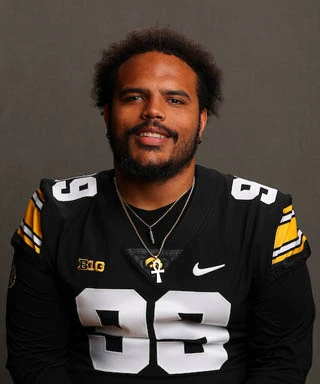
This is Noah Shannon, model citizen, slated to be Hawkeye senior defensive captain 2023. He had guilt pangs for having bet $10 on the Iowa Women's Basketball team in the 2023 NCAA tournament. The only bet he ever made. He turned himself in to coaches for the transgression who forwarded it to the NCAA.
They ruled him inelligible for the entire season, effectively ending his career. If the NCAA allows someone else to play after making thousands of bets, including many on his own team, I am going to fucking riot
@SportsPatriotUS Perfectly said. This season’s been so painful to watch. Sports should be enjoyable, this is nauseating. Since Caitlin joined the Fever we watched, attended, and learned about the entire league. No more. No more season pass and no more attending this institutionalized dysfunction.
I’m going to say this as calmly as possible:
Watching Caitlin Clark in the WNBA has become genuinely hard to stomach.
Not because she struggles sometimes. Not because she makes mistakes. Not because she gets criticized. That comes with being great.
It’s hard to stomach because it has become obvious that the league, the officials, the media, the players, and even her own organization have all decided that the most important thing is not letting Caitlin Clark become too big.
And that is insane.
This league was handed the most marketable, electric, revenue-generating player women’s basketball has ever seen, and instead of building around the moment, too many people seem obsessed with humbling her.
She gets fouled. Held. Hit. Cheap-shotted. Mocked. Targeted. Then when she reacts like a normal competitor, suddenly everyone wants to analyze her attitude.
No.
Her attitude is not the story.
The story is that a generational player is being treated like a problem by the very league she helped drag into mainstream relevance.
This reminds me of the worst kind of youth coach... the one who sees a special player, feels threatened by her talent, and slowly drains the joy out of her in the name of “teaching humility.”
That is what this looks like.
The freedom she played with at Iowa is disappearing. The fire is still there, but the joy looks damaged. The confidence looks weighed down. She looks like someone constantly fighting the refs, opponents, narratives, coaching decisions, jealousy, and a league culture that should be protecting its golden opportunity instead of resenting it.
And let’s be honest: Stephanie White has not helped.
Benching Caitlin Clark randomly when she is controlling the game tempo, or having your best shooter off the floor in critical game ending minutes when a victory is within reach is basketball malpractice. Limiting her rhythm, downplaying her greatness, benching momentum, and treating her like just another piece instead of the engine is absurd.
You do not take a player who changed the economics of your sport and manage her like you’re afraid her greatness might offend the room.
Nike deserves criticism too. Other players get signature shoes rolled out with urgency, while the biggest draw in women’s basketball is somehow still waiting on that signature shoe. That is not confusing. That is revealing.
Fans are not stupid.
They see the fouls.
They see the double standards.
They see the jealousy.
They see the media resentment.
They see the league benefiting from her popularity while refusing to fully embrace her.
And here is the part the WNBA better understand quickly:
People are not tuning in to watch Caitlin Clark be humbled.
They are tuning in to watch Caitlin Clark be great.
If she walked away tomorrow, the fans would follow her. The sponsors would follow her. The energy would follow her. The high salaries and the charter jets would follow her. And the league would be forced to confront the uncomfortable truth it keeps trying to avoid:
Caitlin Clark did not need the WNBA nearly as much as the WNBA needed Caitlin Clark.
At some point, her family, her agent, and her team need to ask a hard question:
How much longer do you let a league profit from her while allowing the culture around her to beat the spirit out of her?
Because from the outside looking in, this does not look like normal adversity anymore. It looks like abuse.
It looks like a league trying to break the very player who made millions of people care.
https://t.co/AAxFrO46Z4
It's halftime of a fine September afternoon at Kinnick Stadium, Iowa City
Iowa is pummeling Iowa St, 26-0, en route to a 43-7 win, & Van Halen's Diamond David Lee Roth is about to go berserk on the field w/the marching bands
Not all college football Saturday's are created equal
Here is the story of Fran McCaffery insisting the emcee of Coaches Vs Cancer be removed or he would no longer attend.
His wife also heckled Keith Murphy as he was talking at the event.
You truly don’t hate this family enough.
Anything to say? @connor_m30