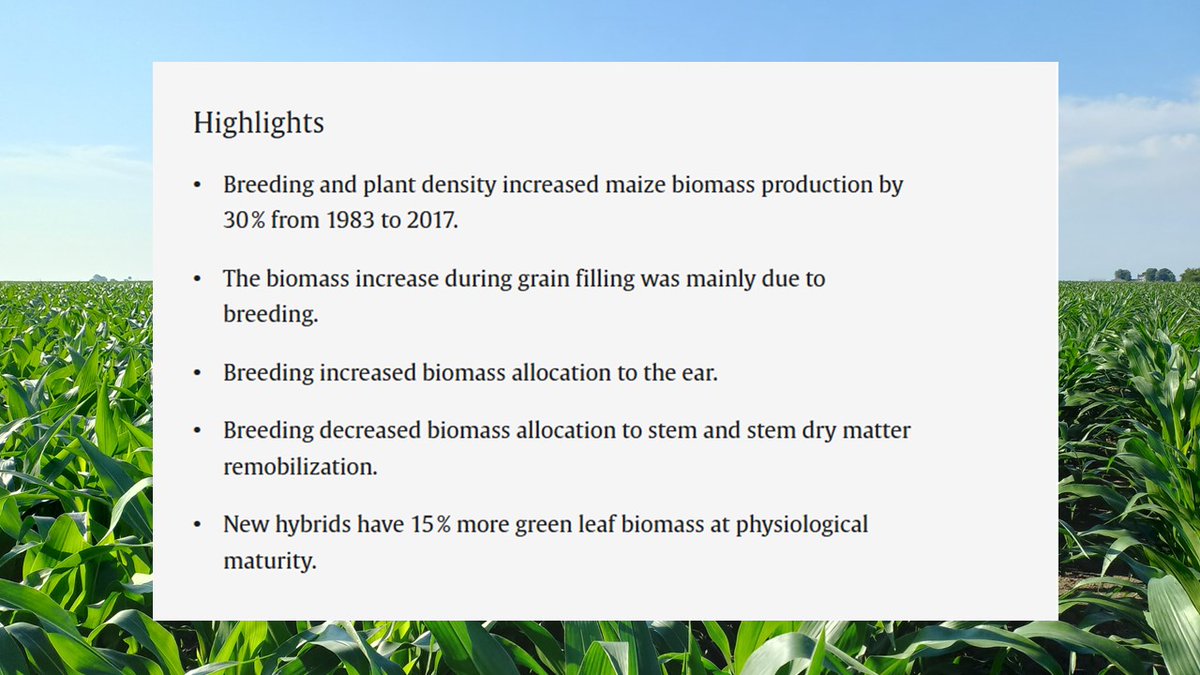
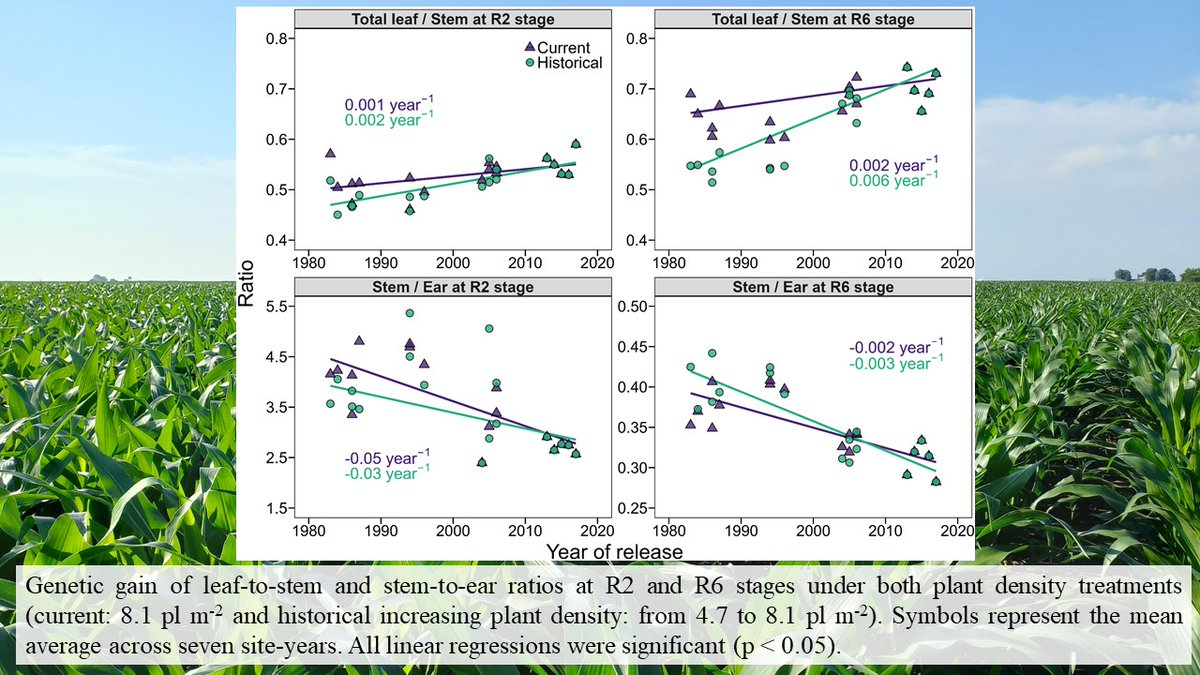
New article‼️
https://t.co/gD6uW5orFs
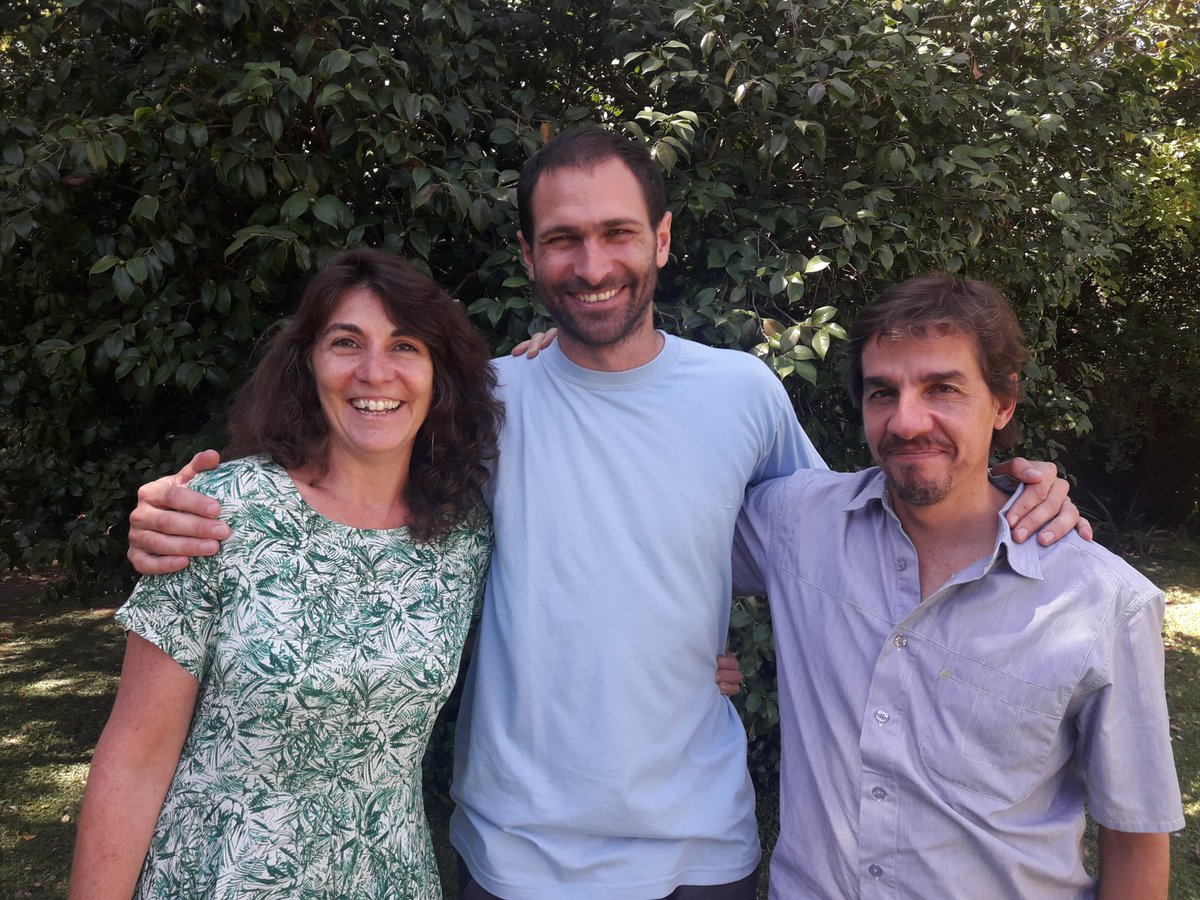
Thank you to our amazing team for their hard work and collaboration—this project was made possible through the strong partnership between Iowa State University, Purdue University, Donald Danforth Plant Science Center, and Bayer Crop Science.
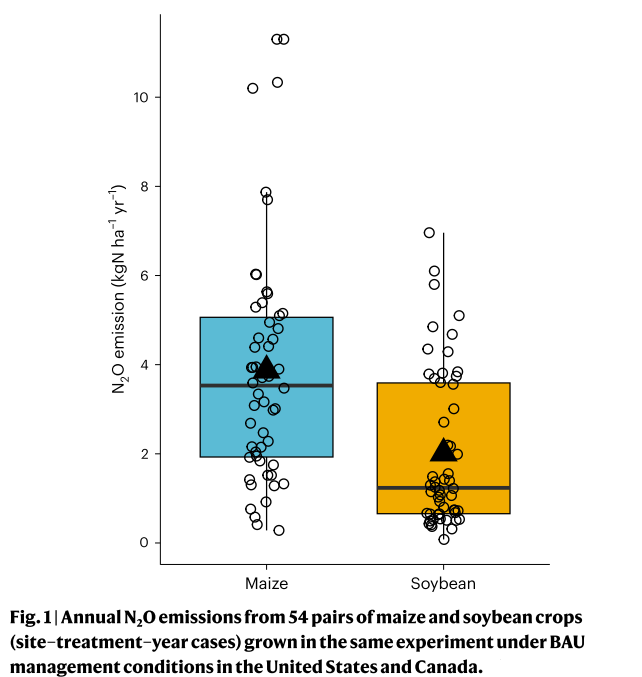
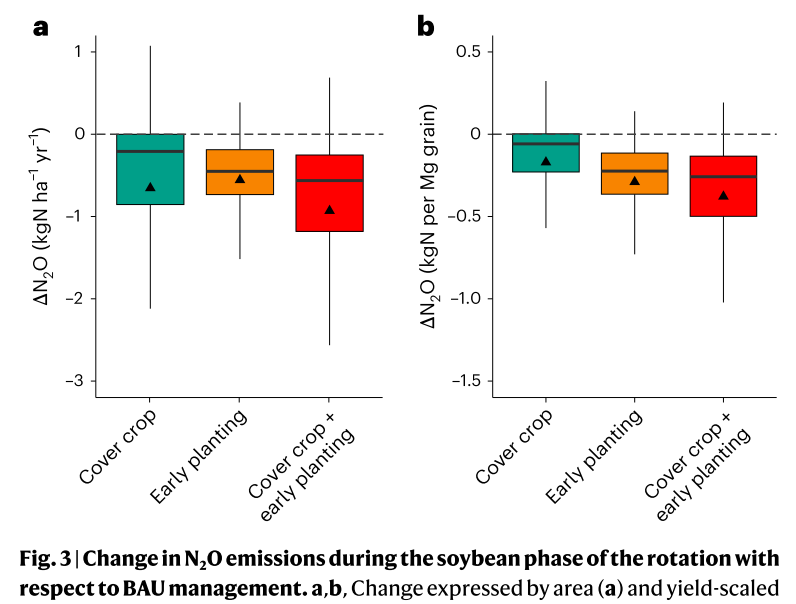
In a two-year corn-soybeans rotation, 40% of nitrous oxide emissions are in the fertilizer-free soybean year, according to new Iowa State research in Nature Sustainability. Cover crops+early planting could slash that by one-third while increasing yields.
🗞️https://t.co/9ZJRwzSBVc
New UNEP @CCACoalition@FAO@TowardsINMS Global Nitrous Oxide Assessment shines a spotlight on this often overlooked greenhouse gas and most significant ozone-layer depleting substance emitted today.
Watch report launch 1:15PM EAT at #COP29: https://t.co/GElG0vPtTp
Strategies to quantify and reduce N2O emissions from crops focus on N fertilizer management. Here we show that ~40% of N2O emissions from the most extensive cropping system in North America (maize/soybean rot) occur during the unfertilized soybean phase
https://t.co/UPn9gLcgah
.
What can farmers do to tackle this problem? We developed a strategy that combines cover-crop management and earlier planting of extended growth soybean varieties to increase yield while reducing N2O emissions from soybean production by 28%.
@MartinOesterhel La creatividad con que explicaron procesos complejos en el artículo es espectacular. Que lindo ver un paper con esa narrativa y dieño. Felicitaciones al grupo de autores.
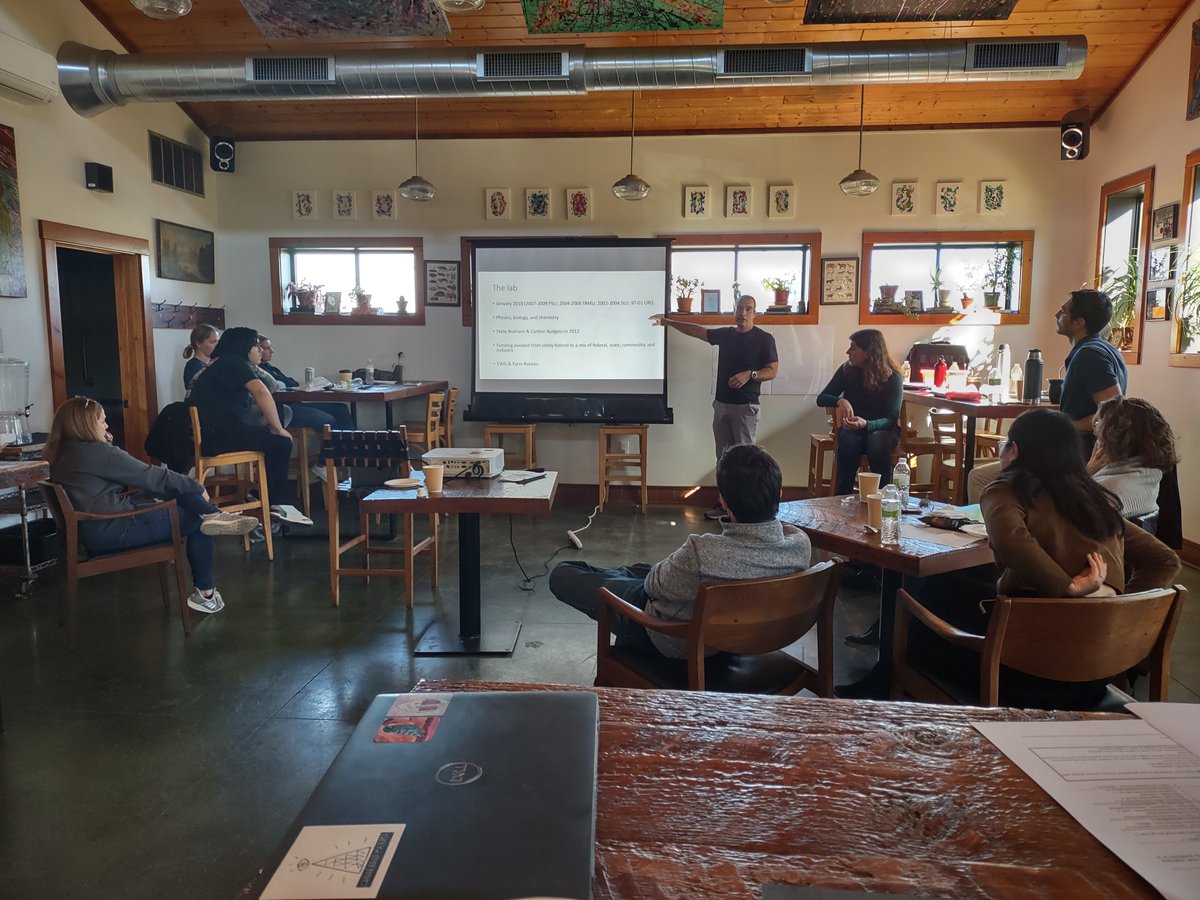
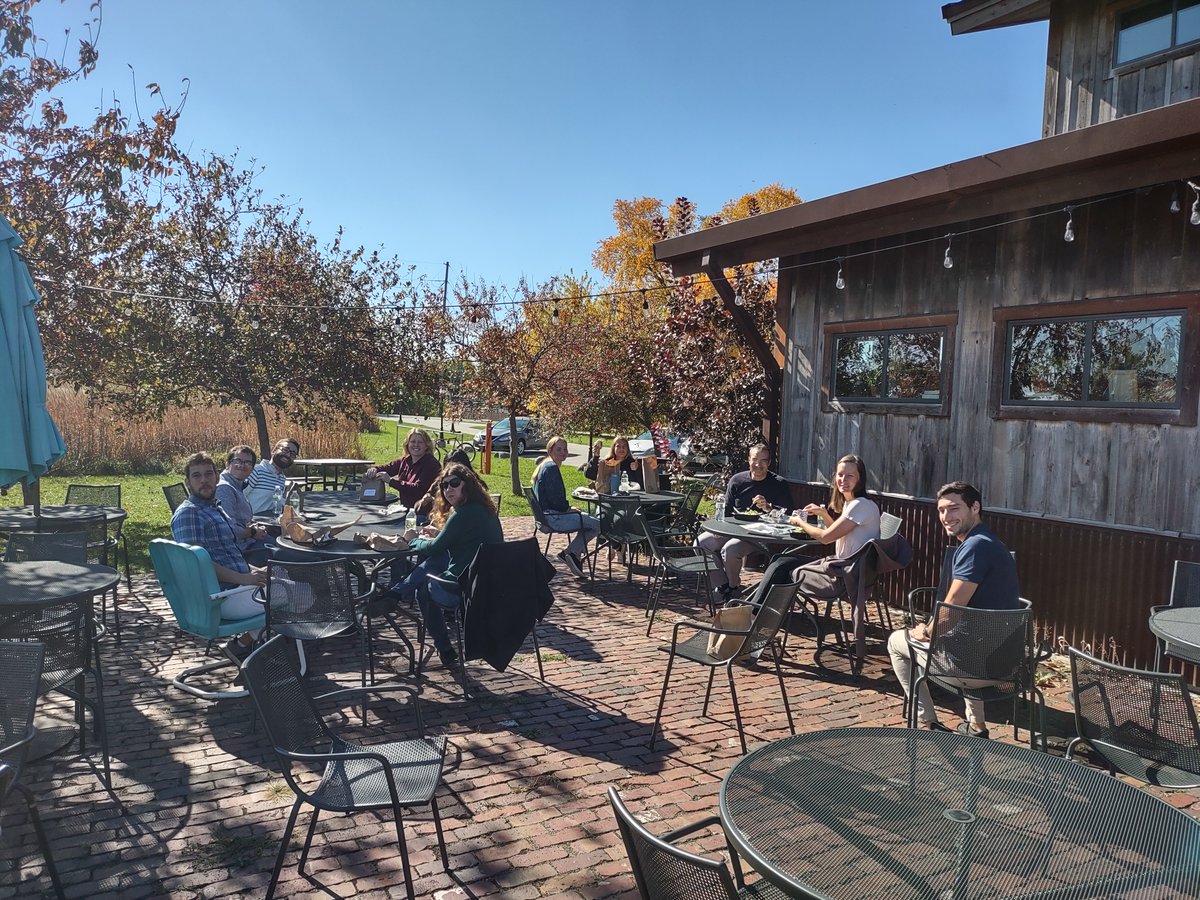
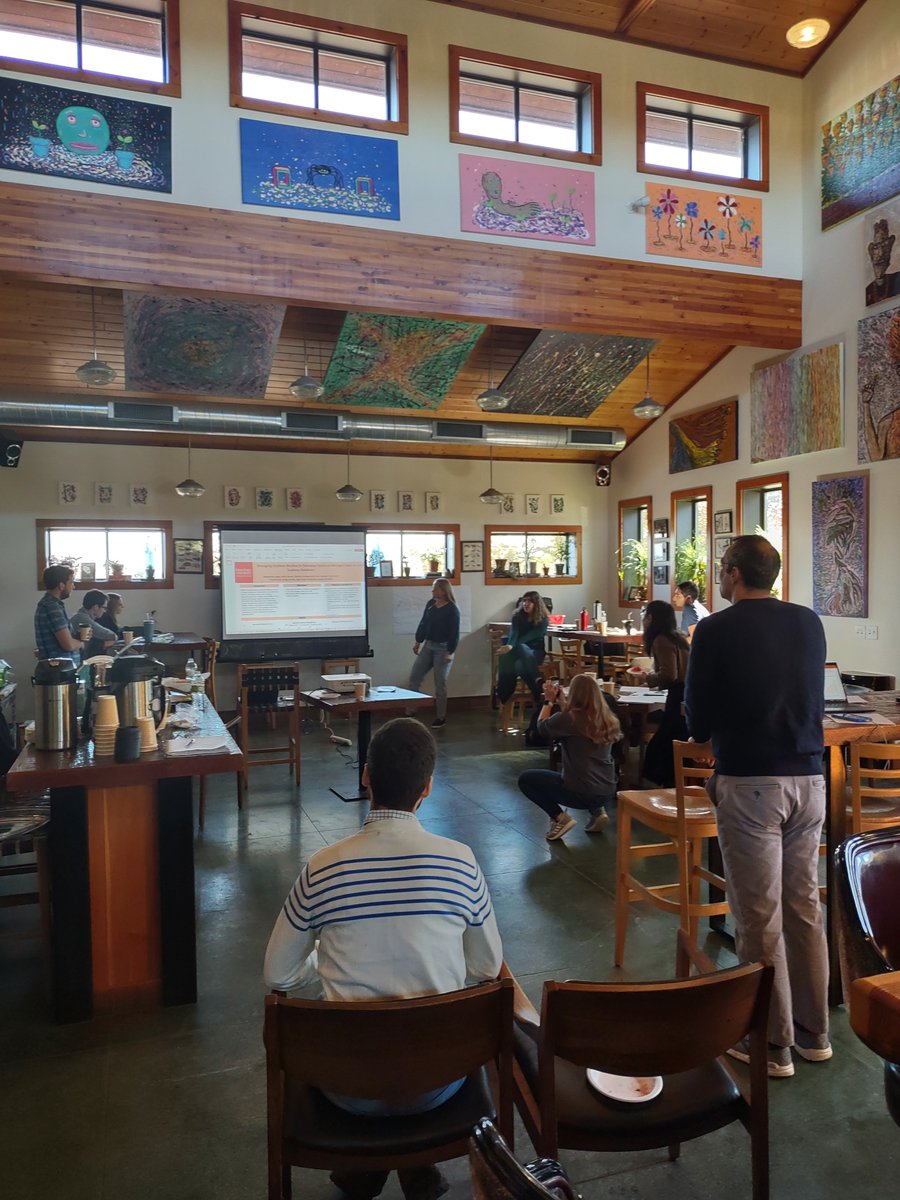
Academic retreat in the Sustainable Agroecosystems Research Group. The entire day preparing our presentations leading up to the @ASA_CSSA_SSSA annual meeting, in a great place in Ames, IA. #ACSMtgs@castellmj@melmil321@GNDanalatos
@jumartinezdodda@cfeldkamp Lindo escucharte Cristian. La de veces que nos juntamos con @fertorroba a pensar tu pregunta: dónde te ves en 20 años.
Nunca llegamos a la respuesta
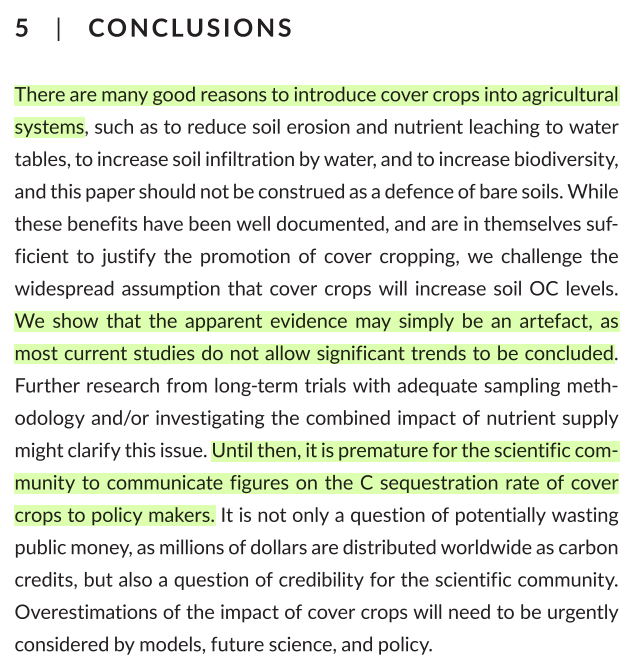
@MartinOesterhel 4) duración de experimento (los cambios no serían detectables con la precisión de los métodos de BD y SOC actuales) y 5) cálculo del stock de C tomando muestras en masa equivalente en lugar de profundidad fija. El paper de Peng 2023 por ej. midió la BD a 0-7,6 y la usa a 0-15 cm
@MartinOesterhel Su argumento es que los artículos que toman lo meta-análisis actuales no cumplen con algunos requisitos metodológicos importantes: 1) un correcto tratamiento control, 2) suficiente número de réplicas, 3) profundidad suficiente (al menos hasta 50-60 cm),
The SOC accrual rate in these four long-term studies ranged from 0.21 to 0.74 Mg C ha-1 y-1, but SOC in the grasslands was only sometimes significantly greater than in cropland. None of the studies did the perennial grassland reach the SOC stocks measured in the remnant prairie.
PhD Assistantship available in the Sustainable Soils Lab. Start Date August 1st. Focused on soil based climate-smart strategies in the field and lab including the use of biochar and cover crops. Please share! https://t.co/2SaM1I4zFL
¡Ya está disponible la Revista de nuestra Red de Cultivos de Servicios! 🌾
Con todo sobre esta campaña 2022-2023, generando información siempre, porque juntos sabemos más 🚀
¡Encontrala aquí! 👇🏻
https://t.co/OpkLMlRayD
Nuevo centro de información agroclimática y ambiental de la Fauba:
https://t.co/F7Tb358cKS
Gente muy abierta a escuchar opiniones y recibir sugerencias sobre información a incorporar