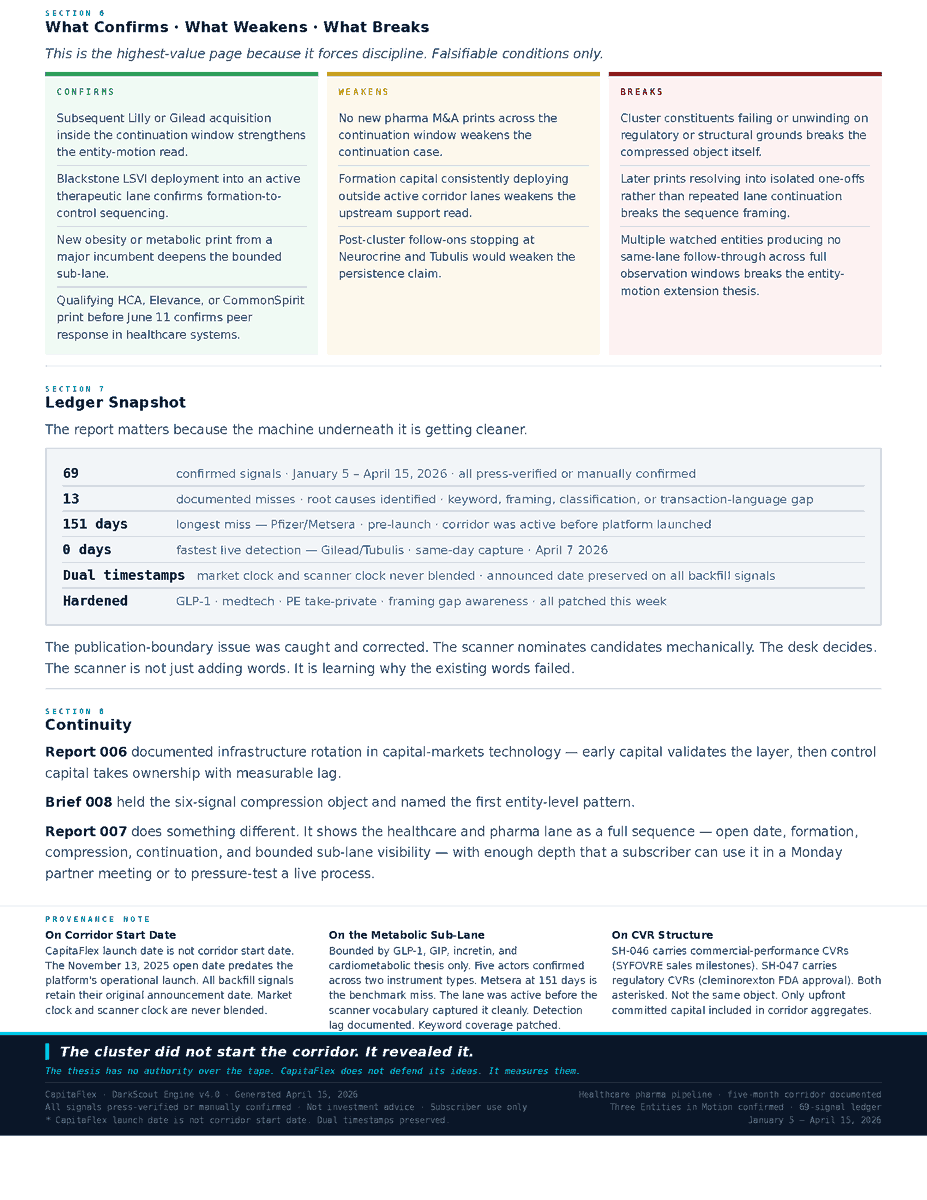
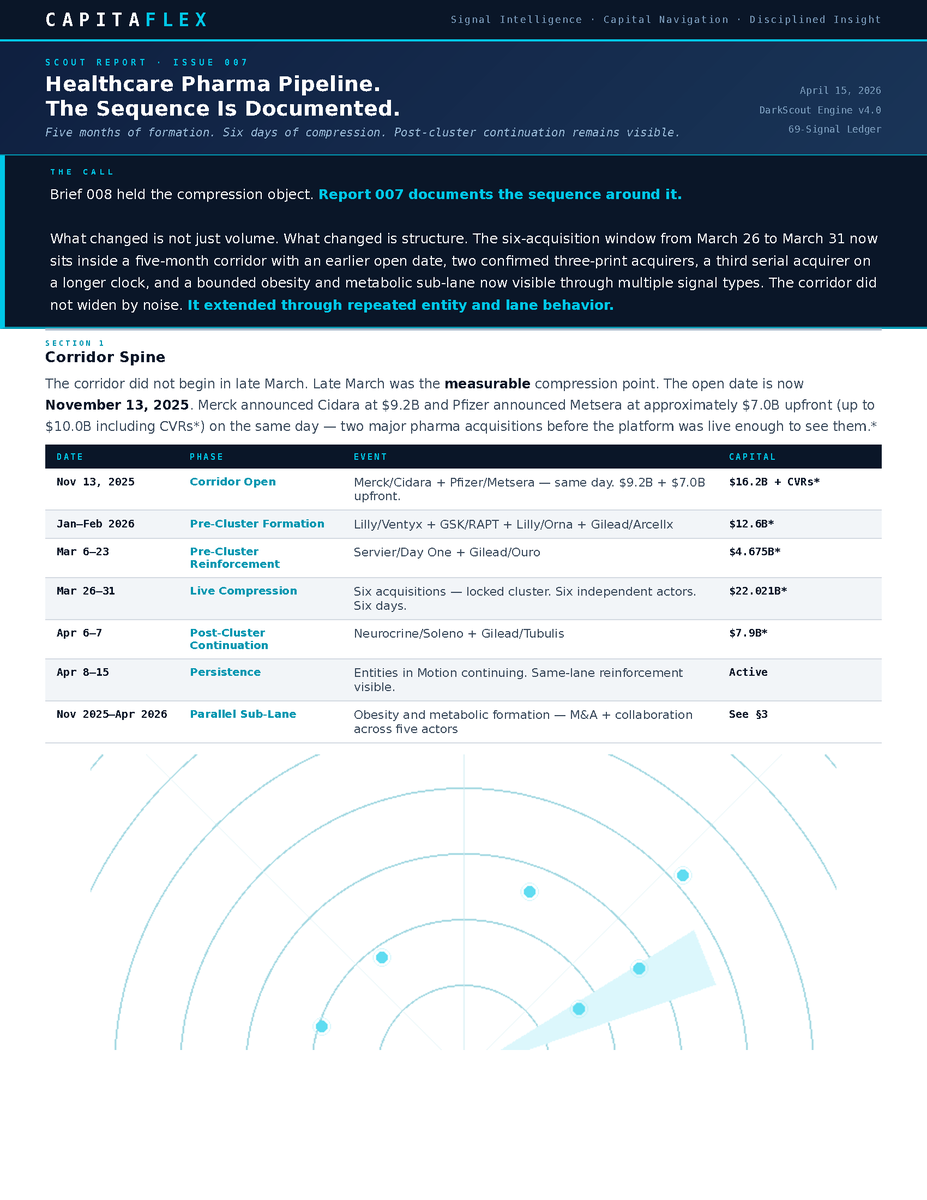
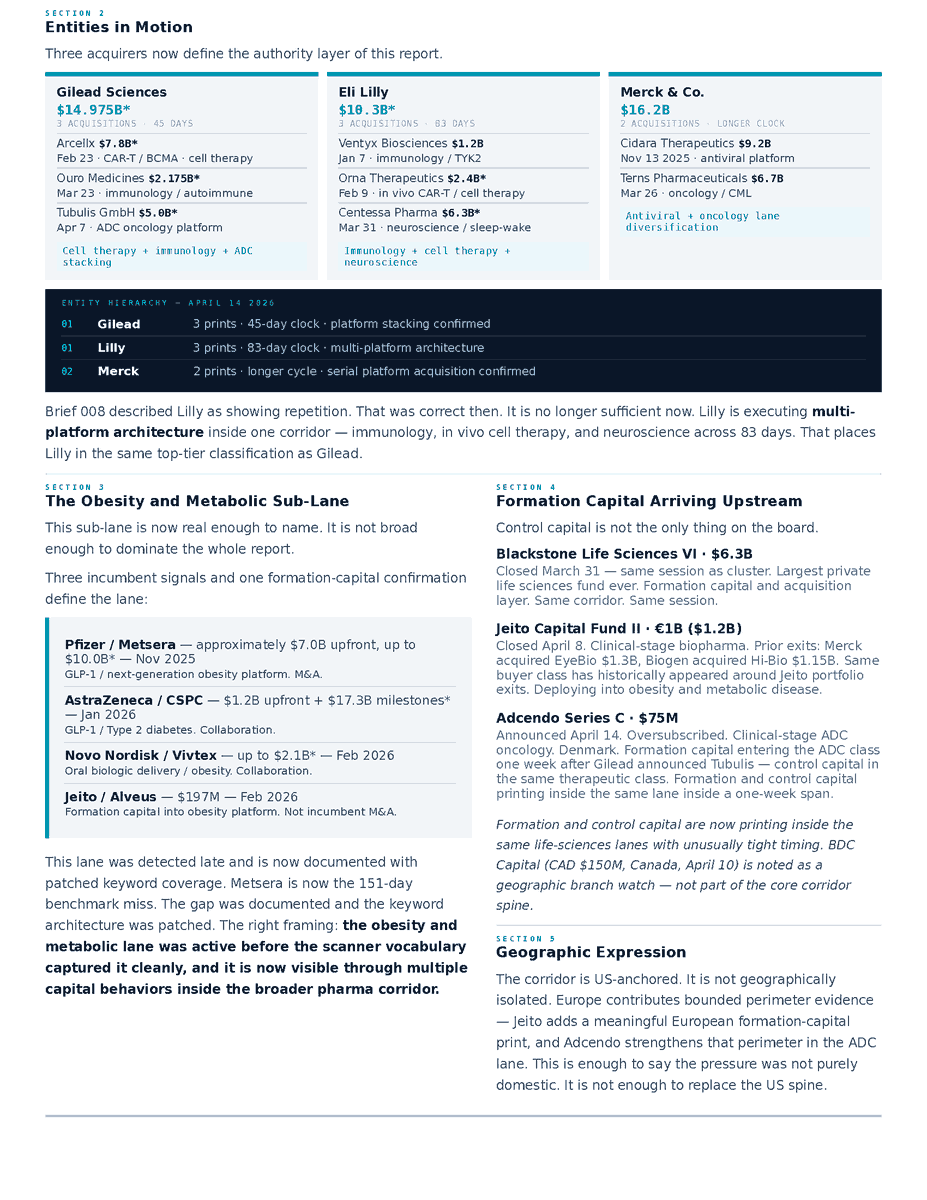
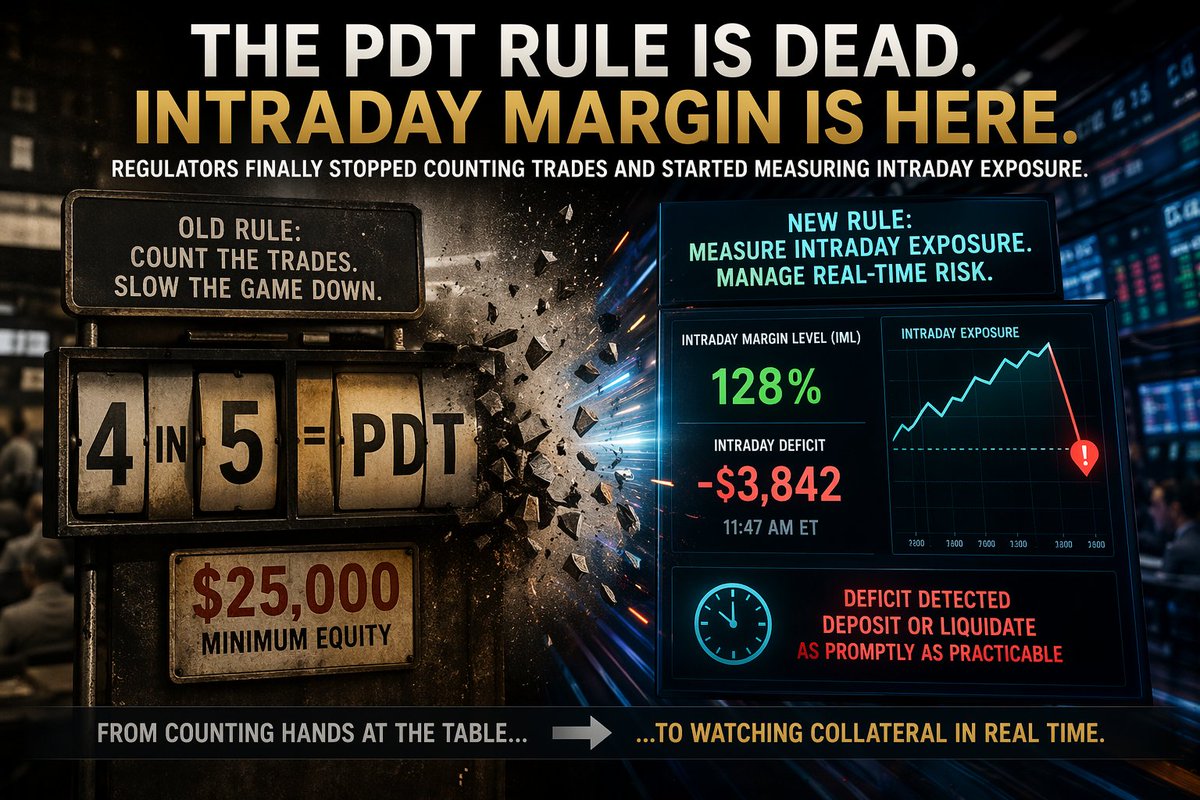
The PDT Rule Is Dead. Intraday Margin Is Here.Why regulators finally stopped counting trades and started measuring intraday https://t.co/KPrpLPlFcg Thomas Berk, Founder & Director, CapitaFlexOn Tuesday, April 14, 2026, the SEC approved FINRA’s overhaul of day-trading margin rules, eliminating the Pattern Day Trader designation and the $25,000 minimum equity threshold.The PDT rule is dead.FINRA’s SR-FINRA-2025-017 did not just tweak the old rule. It replaced the counting-hands-at-the-table regime with something that actually matches the speed of the market.The Rule in 60 SecondsNo more PDT designation. No more $25,000 barrier for frequent trading. Margin accounts now fall under an intraday margin framework built around Intraday Margin Level calculations and deficit monitoring. The guardrail moved from “you traded too often” to “your collateral just went underwater at 11:47 a.m.”Where We Are NowWe have been watching this collision for years. In my 0DTE work I showed how same-day options flow, retail participation, and concentration in a handful of symbols have changed the speed and shape of market risk.The Immediacy Economy did not invent the leverage. It exposed how outdated the old PDT rule had become.Point-and-click society got point-and-click trading: zero commissions, instant fills, 50/50 odds with 100% theta decay. Positions do not age anymore. They detonate or disappear the same day. The PDT rule was still trying to slow the game down by counting hands at the table. Regulators finally admitted the real problem was not frequency. It was intraday exposure.The Structural ShiftThis is bigger than retail access. It is the regulatory admission that time-to-risk has collapsed from days to minutes.We saw the same pressure in the infrastructure moves I flagged in The Quiet Convergence: longer trading windows, single-stock daily expirations on Mag7 names, and the OCC’s own Intraday Risk Charge adding a noon CT checkpoint. Legacy risk models were not built for this immediacy. Clearinghouses and brokers had to bolt on intraday margin mechanics. The new FINRA framework is the retail-facing expression of the same adaptation.What It Means for the DeskFor clearing firms and institutional flow, it is mostly cleaner compliance.For the small-account trader previously blocked by the PDT flag, welcome to the big leagues. You can now size that 100-theta ATM 0DTE call or put as often as you want, until the intraday deficit lights up and your broker demands cash or liquidates.Same game. Different scoreboard.The house edge has not changed. The roulette wheel still spins with 50/50 odds and brutal theta. But at least now the house is watching the collateral during the trading day instead of pretending the real risk begins after the close.I have spent thirty-five years on trading floors and off the floor watching rules lag reality. This one finally caught up. #PDTRule #DayTrading #MarginCall #BreakingNews#0DTE #OptionsTrading #Intraday #RetailTrading$SPY $QQQ $NVDA $TSLA#TradingCommunity #StockMarket #FinTwit
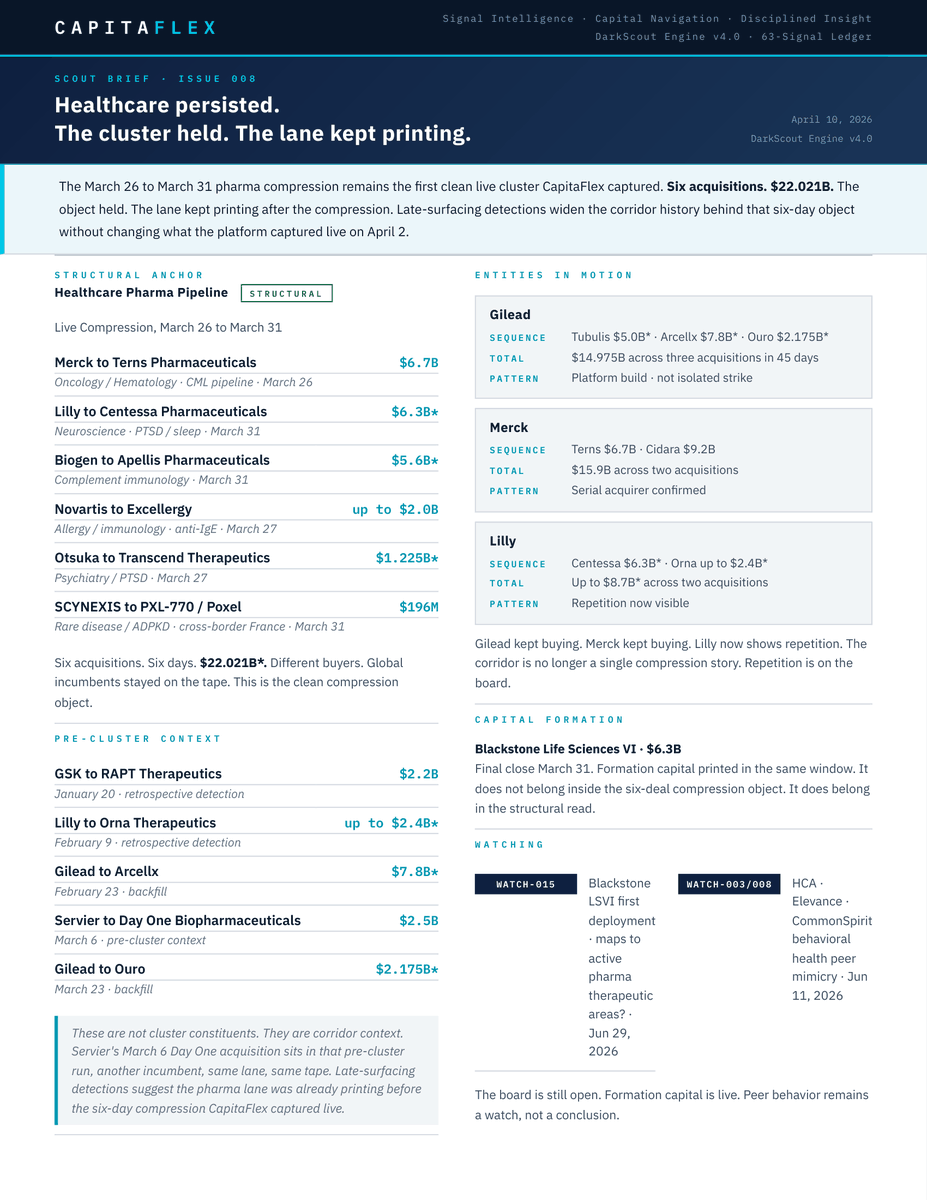
The KCx hires were one print. This is another.
Put the high-touch execution build next to €12bn in AUM, Ellipsis AM, Kepler Unigestion, and the distribution push, and Kepler Cheuvreux stops looking like a firm making separate announcements. It looks like a platform being built across multiple layers at once.
Execution. Distribution. Asset management. Same direction.
#ExecutionStrategy #AssetManagement #Distribution #CapitalMarkets #MarketStructure #KeplerCheuvreux
Everyone’s talking about algo dominance and low-touch flow. Kepler Cheuvreux just made their sixth high-touch sales trader hire in three months.
That’s not a recruiting trend. That’s a position statement.
High-touch wins when order complexity rises, liquidity fragments, and execution judgment still has commercial value. Kepler is still funding that layer while much of the market talks about scale and automation.
That stack is not being flattened. It is being rebalanced.
#MarketStructure #Execution #SalesTrading #Trading #CapitalMarkets #KeplerCheuvreux
Everyone throws AI around like it’s still some side experiment.
Scotiabank just told you otherwise.
Scotia Intelligence is not an innovation-lab headline.
It is a bank taking AI, wrapping it in governance, and installing it into the operating stack.
And because Scotiabank also has real capital-markets infrastructure, equities, prime services, and equity-derivatives exposure, this reads less like a tech story and more like management tightening the machine.
Put that next to the KeyCorp move, the Davivienda deal, and strategy plus operations now sitting under Phil Thomas, and the message is clear: this is not experimentation. This is control, embedded, governed, and scaled.
That is not a tech story.
That is an operating statement.
#EnterpriseAI
#AIgovernance
#Scotiabank
#BankingTransformation
#CapitalMarkets
#DigitalBanking
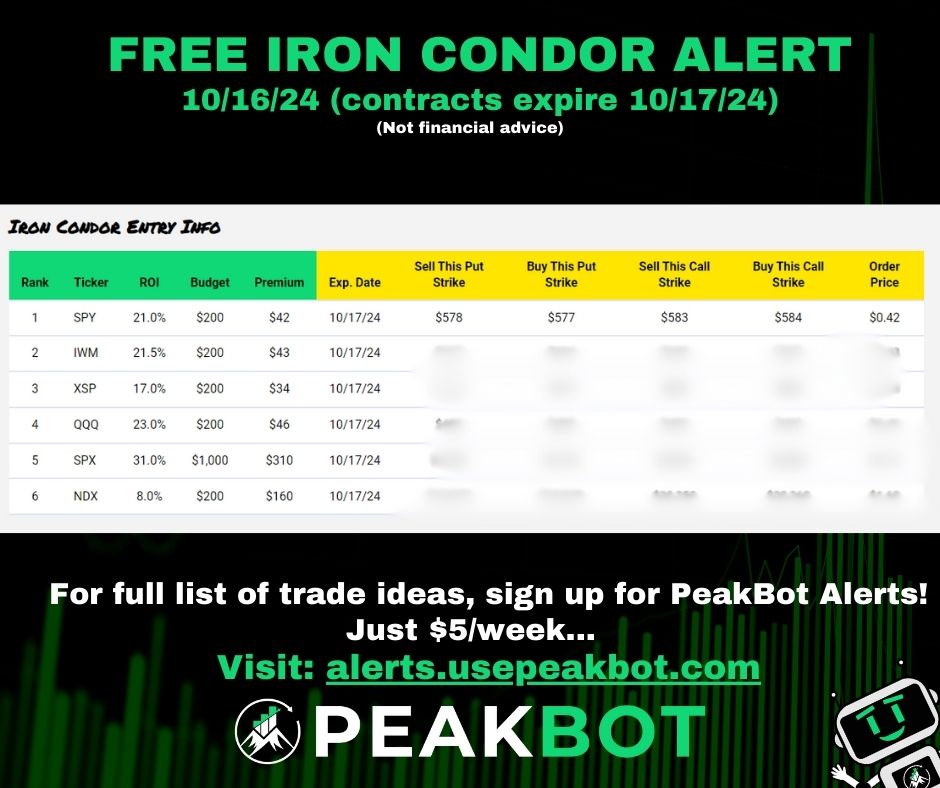
Here's how Ben made $217 in just 2 minutes trading $SPX Lotto's on 12/2
We do this JUST FOR FUN! Why? The rest of our portfolios are automated with PeakBot! 🤖📈💰✅
The #HalloweenEffect on the Stock Market! 📈🎃
According to the data, stocks, and the market as a whole tends to pick up after Halloween!
Want to take advantage of rhe next upswing? Get automated with #PeakBot
https://t.co/M8YvMfkpuc 🤖
#Halloween#StockMarket
Showcase your unique approach to stocks and crypto, and fine-tune your portfolio allocation all in one place. Join the Traderverse community today and stand out in the world of trading! 📈
Visit : https://t.co/qoo51Qs2jY
📈 The S&P 500 just surged with its biggest rally since November 2022, jumping 2.3%! This solid rebound was fueled by a significant drop in US jobless claims, easing fears of a severe economic slowdown. Tech giants like Nvidia led the charge, pushing the Nasdaq 100 up by 3.1%. All major groups in the S&P 500 advanced, with notable gains in smaller firms as well. Eli Lilly & Co. soared on a bullish outlook driven by sales of its weight-loss drugs.
Treasury yields rose as bonds sold off, with the 10-year yield hitting 3.99%. Market jitters about the Fed’s rate cuts eased, with swaps traders reducing bets on aggressive easing in 2024. Despite this, concerns remain about the pace of future Fed rate cuts and potential economic deceleration.
As economic angst subsided, cryptocurrencies also surged, with investors returning to riskier assets across financial markets.