Helping sport serve the public interest. Building bridges to a better place. ED and founder @AspenInstSports and #ProjectPlay. Former: @ESPN. Author, Game On.
I spent 20 years as a reporter watching the youth sports landscape shift. Today, we've created a $40B/year industry. My @TEDTalks is live now, exploring how we can build a new scoreboard for success and put the youth back in youth sports. Watch: https://t.co/CN8WXfhyUZ
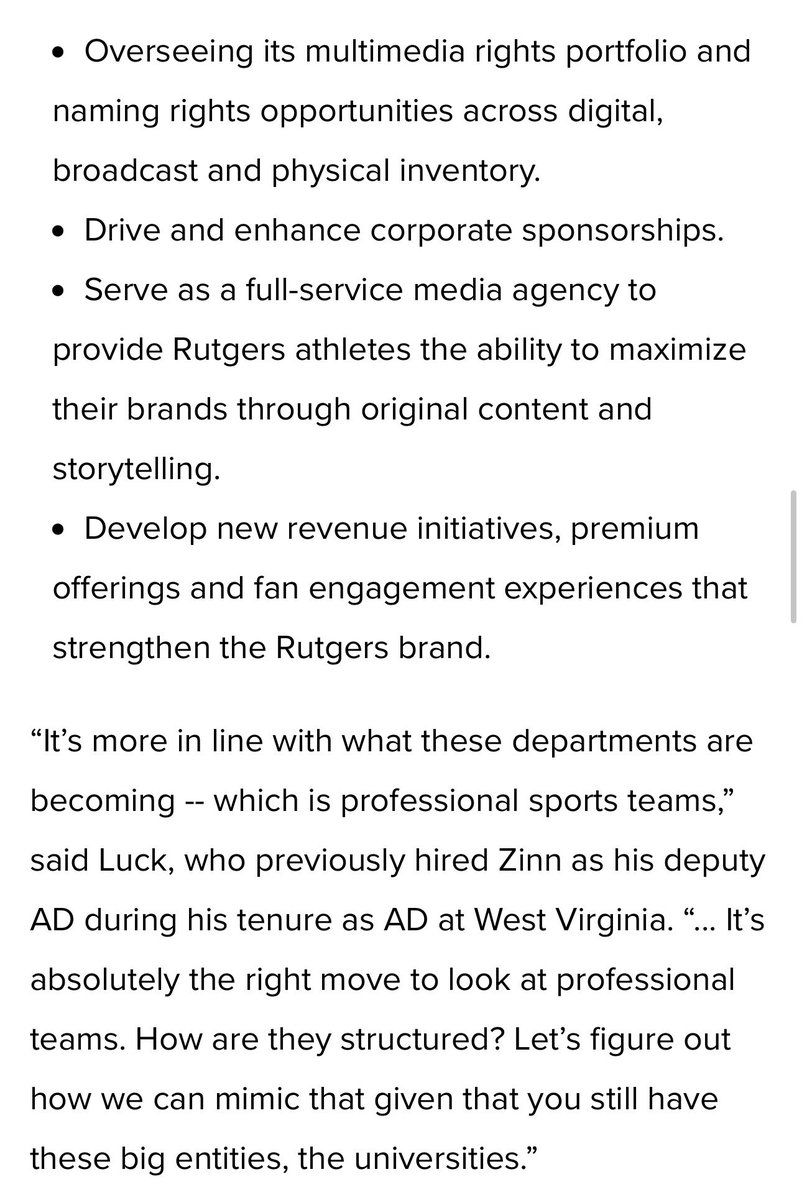
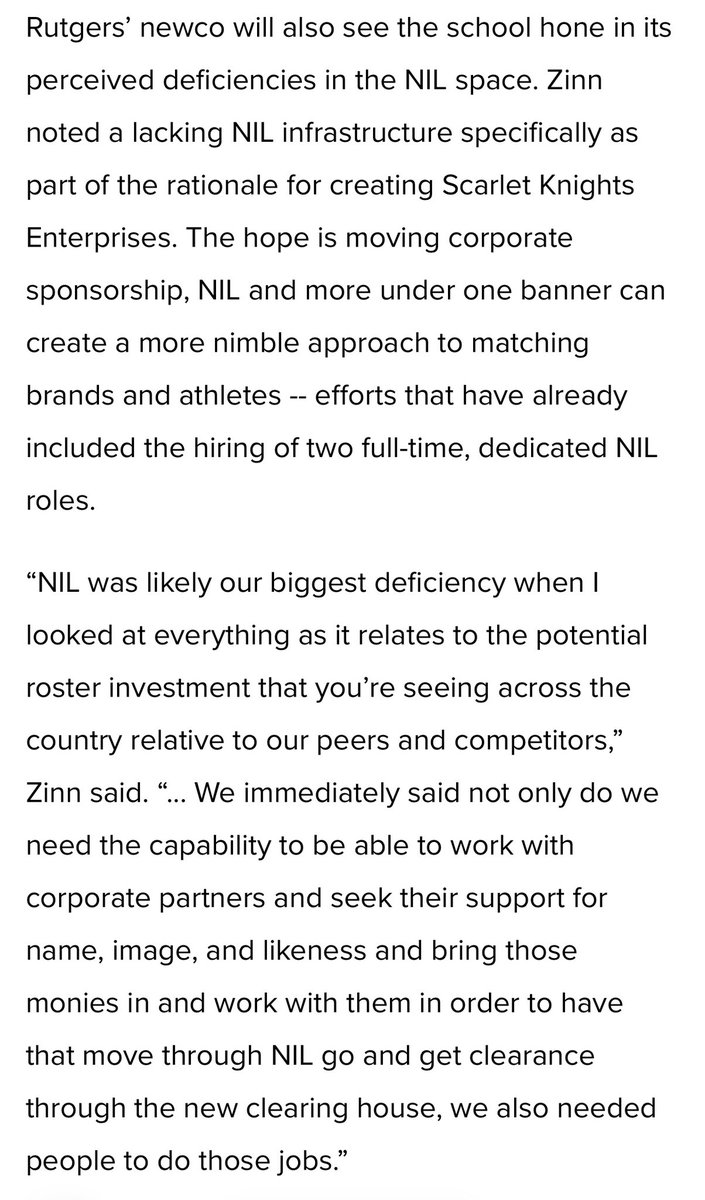
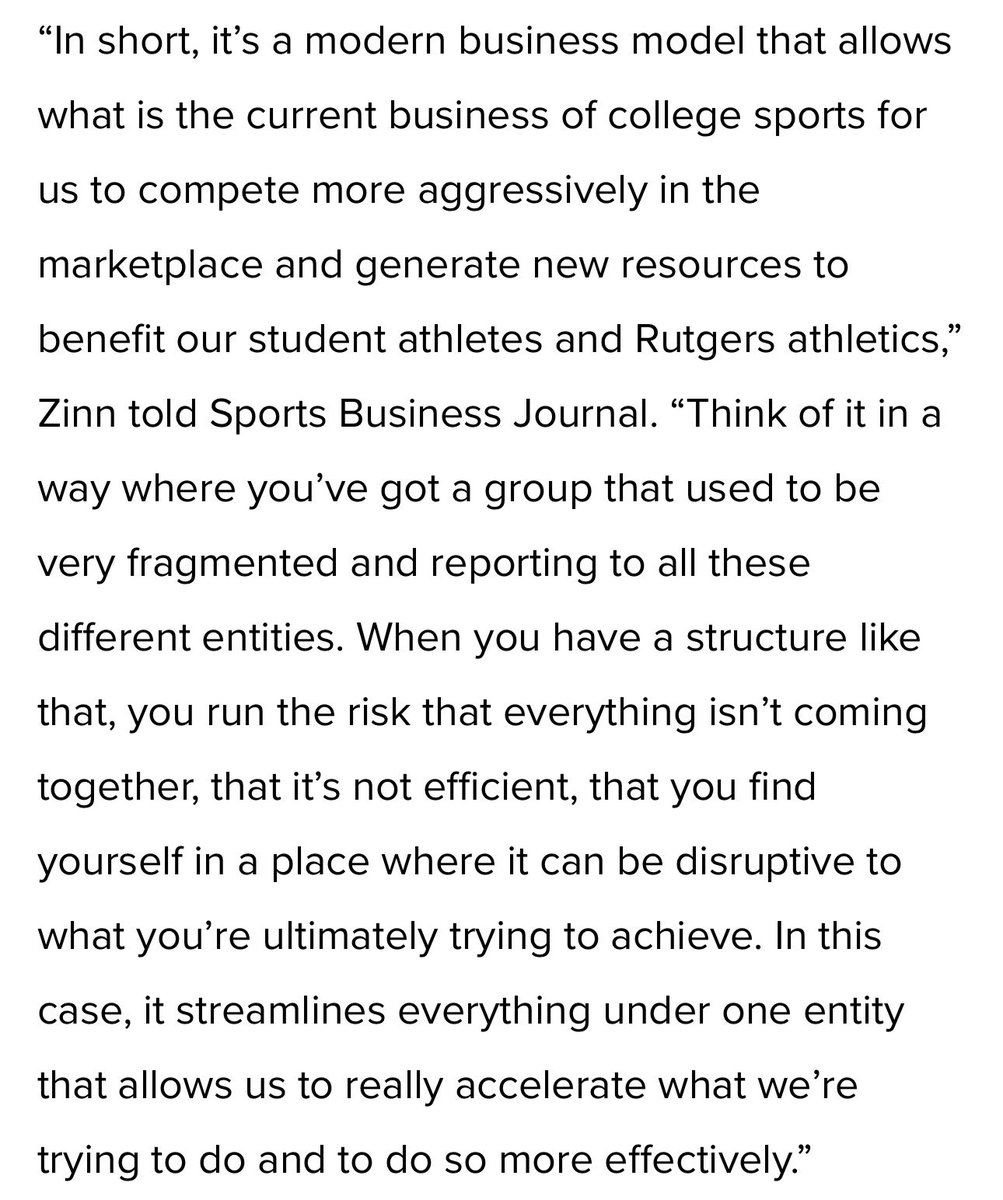
Rutgers is the latest school to move athletics assets into a new third party corporate entity.
As the entity’s board chair Oliver Luck said, its moves things in line with what high level college athletic departments are becoming: pro sports teams.
This is why the title of my book was, Game On: The All-American Race to Make Champions of Our Children.
Because you can’t.
All you can do is find the right place for them to grow — then protect your kid as THEIR unique journey as an athlete unfolds. This clip nails it.
Dr. Russell Barkley, drawing from 20+ years of twin studies, behavior genetics, and neuroimaging: Parenting isn't engineering a blank slate—it's shepherding a unique genetic mosaic already loaded with 400+ psychological traits that emerge mostly on their own timetable.
You provide the pasture: safe, nourishing environments with adequate (not excessive) stimulation, protection from harm, and access to rich out-of-home influences (peers, schools, neighborhoods, community—the biggest shaper after genetics, per Judith Harris in The Nurture Assumption).
But you don't redesign the sheep. No prenatal Mozart, no overload of crib toys turns threshold development into engineered genius. Extra stimulation past basics yields diminishing returns; "more is better" is a cultural illusion, not biology.
Data is stark: Parental influence on core traits peaks before 7, plummets to ~6% in teens, hits zero after 21. Knowledge transfers via exposure—yes. Personality, abilities, temperament? Largely genetics + broader world.
This frees parents from crushing guilt ("If my child struggles, I failed"). Instead: Curate wisely, then enjoy watching the individual unfold. Open the Chardonnay, kick back—the show is brief.
Short of abuse/neglect/malnutrition, in-home tweaks are often trivial next to where you choose to live and the doors it opens.
Shepherd, not engineer. Let them grow into who they already are.
Does this shift relieve pressure—or challenge how you view "success" in raising kids?
This weekend, Tom Farrey, Executive Director of Aspen Institute Sports & Society, joined Fox News to discuss the rising costs of youth sports and what it means for families across America as private equity moves into the arena. https://t.co/TDcEtI9k9P
Been thinking about this project for 15 years, started talking with our partners at @LACMA during COVID.
Why I’m excited: You can’t know the story of America til you know the story of sports — the deep story, how it’s shaped modern life.
We’re going to tell it.
Can’t wait.
We’re thrilled to launch Why We Play, a groundbreaking conversation series with athletes, artists and authors on how sport has shaped modern society. Explore our newest multi-year project: https://t.co/g9MIPS9vG0
Join @TomFarrey and @AspenLatinos at the Sports & Business Summit, October 13 in LA, where leaders will explore how sports can strengthen business, job creation, and growth in Latino communities. Book your hotel by September 17 for a discounted rate! https://t.co/QJfdJgebev
Offshore sports books are taking bets on the Little League World Series. Want to know what I think about that? Watch @NBCNews at 6:30pET tonight. #LLWS
With college sports now professionalized, and programs in need of $ to pay players and build facilities, it’s only a matter of time until private capital/equity becomes a part of college athletics.
The only question is the model schools/programs use to take in the funds.
Trump deal could force colleges and universities to disclose GPA, SAT scores of admitted students.
Will be interesting to see if they include breakout for recruited athletes (they should), who often enter with the lowest scores.
https://t.co/8I6437uwcO
In today's Sports & Society Newsletter: Coach Steve Kerr reflects on leadership, humility, and why admitting failure can be a powerful play at @aspenideas. https://t.co/WapW1BIcLz
Does private equity investment mean the end of youth sports, or the start of a growth era? @TomFarrey joined @Marketplace to drill down on the opportunities and what customers need.
https://t.co/Yl1IBFwEqn
People of my age all have memories of taking the presidential fitness test. Mine are mixed but on balance positive.
Struggled at pull-ups (embarrassing) but was best in my class at shuttle run (motivating). And I remain active today.
https://t.co/2R5UmqlTri
Tom Farrey (@TomFarrey), Founder and Executive Director of the Aspen Institute’s Sports & Society Program (@AspenInstSports), reminds us that, “The primary job of coaches and parents is development before it even is competition.”
In youth sports, focusing on growth is crucial to helping young athletes learn from failure, build resilience, and develop character both on and off the field.✨
Learn how you can best support your athlete’s journey here: https://t.co/fFsdf3YDr3
#YouthSports #Sports #AthleteDevelopment
Two days ago I wrote a legal analysis of President Trump's expected executive order on college sports. The order is now out. Take-away point: it's not a law, it can't replace a law and any new policies that come from agencies will be challenged in court:
https://t.co/uI6p7nAzqU.
Great piece by @TrueHoop founder Henry Abbott on the value of free play in the development of all-around athleticism and injury prevention.
Aligns with our @AspenInstSports#ProjectPlay insights and work of our National ACL Injury Coalition.
https://t.co/CyE41ea8tq
Agree.
This business model has always been the ultimate destination for college sports, the one that will bring order to the chaos, allowing athletes to become employees — but not of the university.
Was wondering who would get there first. It’s Kentucky. Bravo.
Spinning off its athletic department into an LLC is a smart move by Kentucky.
It allows the department to operate like a business: it can move quicker and more easily take on new projects focused on growing revenue.
It also sets up for a future where athletes are employees.