Como Canciller argentino asumo con orgullo y responsabilidad la tarea de representar la voz de un país que aspira a recuperar el pleno ejercicio de su soberanía sobre la totalidad de su territorio.
La Cuestión Malvinas trasciende gobiernos. La Argentina continuará su camino con firmeza, templanza y una determinación inalterable de alcanzar una solución pacífica y definitiva a esta controversia.
Comparto mi intervención completa en el Comité de Descolonización de Naciones Unidas 👇👇👇
@LasanaRoberto@TheBeni_@Titanfdc Si pensas que las provincias le "sacaron" plata a Buenos Aires, y no que fue el kirchnerismo desde su base de poder en el conurbano que compro lealtades provinciales con la coparticipación bonaerenese, me parece que el que no entiende mucho sos vos capo
@TheBeni_@Titanfdc Pensalo al revés: crea unidades federales que tengan influencia/recursos similares a los de Buenos Aires. El AMBA es una realidad, guste o no, y la división entre 20 alcaldes de una única unidad urbana es lo que dificulta miles políticas de urbanismo, transporte, y desarrollo soc
At a time when #Africa faces mounting pressure to abandon the very resources needed to power its development, leaders who champion pragmatic, investment-driven energy solutions deserve recognition.
TotalEnergies CEO Patrick Pouyanné has consistently supported #Africa’s right to develop its oil and gas resources while advancing long-term energy access, industrialization and economic growth. His willingness to invest in African energy projects, even amid growing international pressure against fossil fuel development, has helped reinforce the continent’s case for an inclusive and realistic energy transition.
Africa’s future will not be built on energy poverty. It will be built on partnerships, investment and a balanced approach that recognizes the continent’s development priorities. As the debate over Africa’s energy future continues, voices advocating for energy security, affordability and economic progress remain essential.
Read full article by our Executive Chairman Nj Ayuk here: https://t.co/9XOoAq4IGM
Read French version here: https://t.co/rqG2VBiG9y
Read Portuguese version here: https://t.co/7fYxn1a0a7
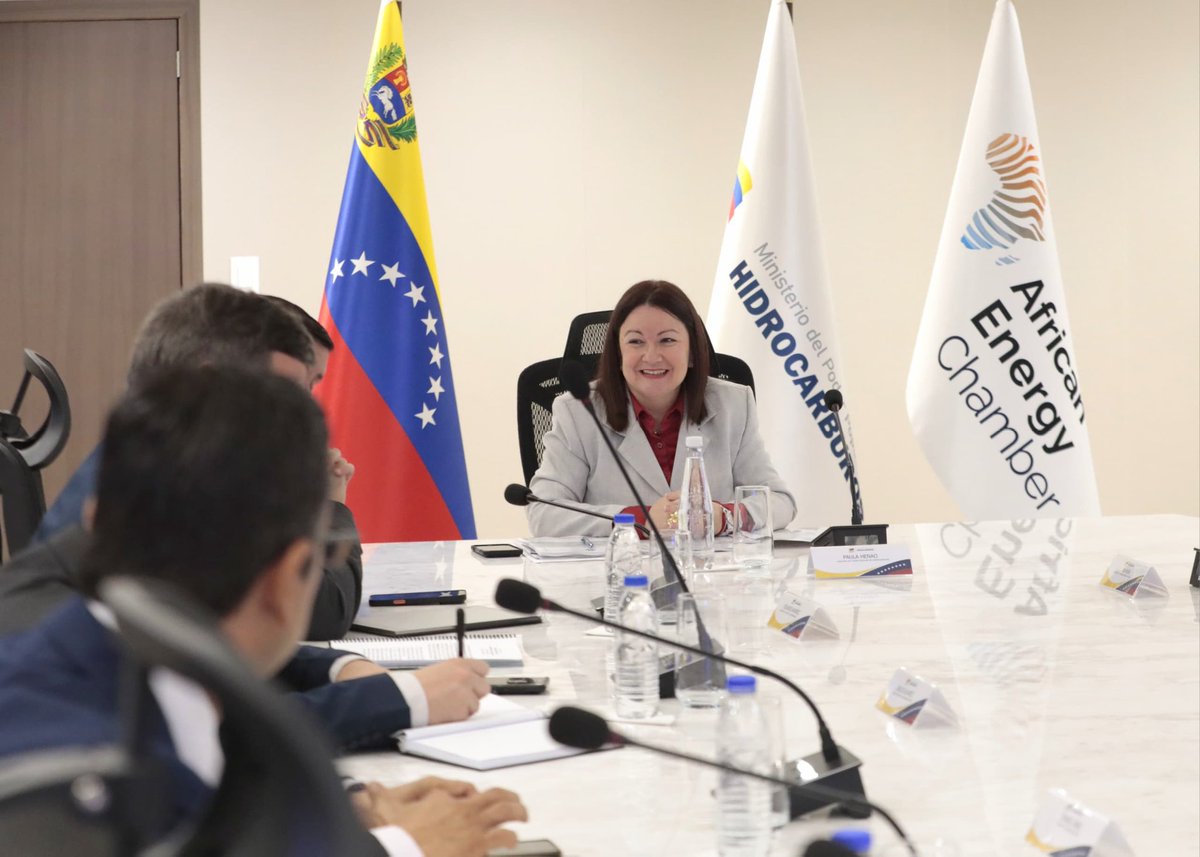
Great meeting with Paula Henao, the Minister of Hydrocarbons of Venezuela. We had a good working session on the Africa Venezuela collaboration agreement. The government is very committed to oil and gas development in #Venezuela and #Africa.
The approach to making Venezuela the best country for energy investments that Acting President Rodríguez has taken since stepping into her current role is already working. Impressive what Venezuela has accomplished in a short time. Venezuela is adopting a pragmatic commonsense approach with a robust focus on growing the oil and gas industry. Really impressed by the progress made.
Venezuela's crude oil production surpassed 1,208,000 barrels per day. They are improving infrastructure to make it easy for investors to invest in a cost effective manner. The top notch El Palito Refinery is operating well. We will continue working to attract foreign investment into the Orinoco Oil Belt.
I am trully pleased by the commitment to reforming the Organic Law of Hydrocarbons, aimed at expanding exploration and production in non-exploited fields.
This reform bill, while it maintains state ownership of reservoirs, eases up on the terms that once mandated a majority stake and operational control for PDVSA in joint ventures. Through what the reforms describe as “production participation contracts” — effectively a production-sharing model — the bill also grants private firms more autonomy in exploration, production, and commercialization. Other attractive changes address royalty caps, taxation, and independent/foreign dispute resolution.
In a nutshell, Acting President Rodríguez’s reforms slash at the bureaucracy that has been keeping Venezuela from realizing its true energy potential. She has cut red tape and rollout the red carpet to energy investors and Venezuela stands to win.
Venezuelans renewed their commitment to supporting our efforts to bettering human lives by making African energy poverty history. With favorable fiscal terms and streamlined oversight Venezuela welcomes international and African energy investors to play a role working with their Venezuelan counterparts to rekindle the oil industry in #Venezuela.
If there is one lesson we have learned since founding the AEC, it is that political stability and clear and favorable regulations create an enabling environment for the energy sector to operate at its maximum potential.
#OOTT #OPEC #oilandgas #DrillBabyDrill
Crude Oil. The secret is finally out! I am incredibly excited to announce that my upcoming book; "Crude Oil: Power, Turnaround, and Transformation in Angola" will officially hit the shelves on today! Entertaining and definitely going to be a bestseller like my other books over the last decade.
Angola is one of Africa’s largest oil and gas producers, with projected economic growth of 2.9% in the 2025-2026 period. Angola has experienced periods of rapid growth, change and challenge. But despite these obstacles, the country has shown resilience and a commitment to development.
With Crude Oil you get a detailed but entertaining analysis of how Angola’s past has informed its present and what the future looks like given large-scale reform and growth-centered policies. As one of Africa’s top oil producers, Angola is a testament to how reform can transform a market. Behind the scenes on the transformation driven by political will, featuring insights from industry leaders including Diamantino Azevedo, Angola’s Minister of Mineral Resources, Oil & Gas; Sebastião Gaspar Martins, CEO of Angola’s national oil company Sonangol E.P.; and Paulino Jerónimo, President of upstream regulator the National Oil, Gas & Biofuels Agency (ANPG Angola), the book presents a comprehensive analysis of the country’s leading commodity market.
The book represents a masterclass on reform and the turnaround of the country, focusing on how reform, leadership and a commitment to change have shaped the market into what it is today. Delving into Angola’s evolution of power, the book highlights how understanding the country’s history provides a clearer view of its current struggles and what a thriving oil industry means for Angola today.
The effects of these reforms are evident, with numerous deals signed by international and regional firms. TotalEnergies is spearheading a multi-energy strategy in Angola, including the $850 million Begonia Field Development; Chevron secured contracts for ultra-deepwater blocks 49 and 50 in 2024 and is expanding capacity at the Angola LNG project, while ExxonMobil made the first discovery of Angola’s incremental production strategy in 2024. Think of the Agogo project with Azule Energy
Angolan champions like Etu Energias continue to expand their upstream portfolio, while Equinor is advancing its commitment to human capital development. With this, Angola serves as a masterclass for oil and gas reforms, offering valuable lessons for other African nations.
I’ve poured my heart into this project for and I can’t wait for you to meet many readers. Look out for the Portuguese version. Crude Oil is now available for order! Get your copy early and be one of the first to read it https://t.co/DEFNL2Bmgu
Thank you all so much for the support on this journey!
#Crudeoil #Angola #DrillBabyDrill #Reform
Our discussions with SNPC and Maixent Raoul Ominga reflect strong alignment on where Congo’s energy sector is heading and what it will take to get there. There is a clear commitment to grow production, accelerate gas development and attract investment. SNPC is not just focused on Congo – it is positioning itself to play a bigger role in shaping Africa’s energy future.
Discussions centered on SNPC’s expanding footprint across the upstream, midstream and downstream value chain, as well as a pipeline of projects the company is actively advancing. Particular emphasis was placed on gas and LNG development, with SNPC prioritizing the monetization of Congo’s significant gas resources as part of a long-term strategy to increase domestic utilization, boost exports and support industrial growth. We’re excited about the potential of a potential FLNG that could be a game-changing infrastructure for gas development in Africa.
A key priority raised during the meetings was the need to further enhance Congo’s enabling environment for exploration and production. Both parties emphasized the importance of maintaining investor-friendly policies, supporting new entrants into the market and ensuring regulatory frameworks continue to encourage long-term capital deployment.
At the same time, discussions extended beyond upstream activity to the broader role of energy in driving economic transformation. SNPC expressed its commitment to supporting downstream development, local content expansion and economic diversification, ensuring hydrocarbons contribute more directly to job creation, industrialization and improved energy access.
Maixent Raoul Ominga African Energy Chamber #DrillBabyDrill
Aliko Dangote is a visionary who has invested his time, resources, and unwavering belief in #Africa’s potential to build industries, strengthen energy security, and create lasting economic opportunity across the continent. The African Energy Chamber looks forward to seeing the impact of his efforts continue to unfold in the years ahead.
At a time when geopolitical instability involving Iran and growing uncertainty around the Strait of Hormuz continue to threaten global shipping lanes and fuel supply chains, the Dangote Petroleum & Petrochemicals has emerged as a strategic stabilizing force for both Nigerian and international energy markets. As supply disruptions intensify, the refinery actively helps fill fuel supply gaps beyond its borders. Today, refined products from Dangote are supplying markets across the continent, including #Ghana, #Cameroon, and Côte d’Ivoire. The refinery is already supplying fuel products to the #UnitedKingdom, #Europe, and the #UnitedStates, and in June 2026, the refinery is expected to load its first major gasoline shipment to #Asia.
Many critics doubted that the refinery would ever be completed.
Dangote faced skepticism from international observers, financing challenges, infrastructure bottlenecks, technical complexity, political uncertainty, and currency volatility. Despite these, and many other hurdles, Dangote’s steadfast determination and visionary leadership persisted to bring the project to fruition.
Today, the refinery stands as a symbol of African industrial ambition and confidence.
Its impact on #Nigeria’s economy has been profound. According to S&P Global Ratings, Nigeria’s refining capacity is increasing significantly thanks to the Dangote Refinery. By reducing the nation’s need for refined fuel imports, the refinery played a key role in boosting the Nigerian gross foreign exchange reserves from $33 billion in 2023 to $50 billion by early March 2026.
And Dangote is not stopping there. In early 2026, plans for feasibility studies indicated the interest in expanding its current refining capacity to 1.4 million barrels per day. This move could position #Nigeria among the world’s most significant refining hubs by the end of the decade, potentially rivaling refining centers in India and Asia by 2027 or 2028.
At the same time, the Dangote Group is expanding fuel storage and logistics infrastructure beyond Nigeria’s borders, with plans for new storage tank projects in Namibia and the potential development of a second refinery in East Africa. These efforts will undoubtedly further strengthening regional industrialization, supply reliability, and energy integration across the continent.
The African Energy Chamber is pleased to present the 2026 award to Aliko Dangote.
Read Here: https://t.co/MKRj7pO6KZ
This is going to an African Decade of Energy Additions with first class energy. It’s time to move from rhetoric to action, working with business and governments to pass meaningful permitting reforms accross African countries that benefits all Africans.
Let’s work together to create a tax environment that fosters innovation
and secures our energy future for decades to come.
Let’s maintain a pro-growth incentives framework that enables small businesses like to thrive in Africa. And most importantly, let’s seize the #DrillBabyDrill opportunity to deliver the bold leadership to Africans demand and deserve and beat energy poverty and make also make us compete for the dollzrs to build AI Data Centers.
Africa’s energy future begins now. Together, we have the opportunity to lead it. I thank #ACF2026 #AfricaCEOForum for giving the African Energy Chamber an opportunity to advocate for Africa.
#DrillBabyDrill #ACF2026 #AfricaCEOForum
Ante las recientes declaraciones públicas de altos funcionarios del Gobierno del Reino Unido de Gran Bretaña e Irlanda del Norte respecto de la soberanía sobre las Islas Malvinas, la Argentina reafirma sus derechos soberanos sobre las Islas Malvinas, Georgias del Sur y Sandwich del Sur y los espacios marítimos circundantes. La ocupación de 1833 fue un acto de fuerza contrario al derecho internacional de la época que vulneró nuestra integridad territorial y dio inicio a una situación colonial que persiste.
La Asamblea General de las Naciones Unidas reconoció mediante la Resolución 2065 (XX) la existencia de una disputa de soberanía e instó a la Argentina y al Reino Unido a resolverla por la vía de las negociaciones bilaterales. Este llamado ha sido reiterado por numerosos pronunciamientos bilaterales y multilaterales, entre los que se destacan el Comité Especial de Descolonización de las Naciones Unidas (C24), la Organización de los Estados Americanos (OEA), el Mercado Común del Sur (MERCOSUR) y sus Estados Asociados, la Comunidad de Estados Latinoamericanos y Caribeños (CELAC), los países miembros del Consenso de Brasilia y del Grupo de los 77 y China.
Rechazamos la invocación británica del principio de libre determinación de los pueblos. Los actuales habitantes de las Islas Malvinas no han sido nunca reconocidos como un "pueblo" por las Naciones Unidas. No resulta aceptable que los habitantes de las islas se conviertan en árbitros de una disputa territorial en la que su propio país, como población implantada, es parte. Por ello tampoco tiene validez el pretendido “referéndum” de 2013.
Denunciamos además las actividades ilegales de exploración y explotación de recursos naturales -tanto renovables como no renovables-, en particular la pretendida “Decisión Final de Inversión” anunciada por las ilegítimas licenciatarias Rockhopper Exploration Plc y Navitas Petroleum Lp, para el desarrollo del yacimiento “Sea Lion”, que buscan desconocer los derechos soberanos argentinos y violan resoluciones de las Naciones Unidas.
Por todos los elementos señalados, la República Argentina manifiesta, una vez más, su disposición a reanudar las negociaciones bilaterales con el Reino Unido que permitan encontrar una solución pacífica y definitiva a la disputa de soberanía y dar fin a la situación colonial especial y particular en las que están inmersas y agradece a toda la comunidad internacional el apoyo recibido a los derechos soberanos argentinos sobre las Islas Malvinas, Georgias del Sur y Sandwich del Sur y los espacios marítimos circundantes.
Por historia, por derecho y por convicción: las Malvinas son argentinas.
ESTIMADO JUAN,
No se puede analizar la reforma de la Ley de Glaciares partiendo de consignas generales como “cuidar el agua es cuidar la vida”, porque eso es algo en lo que estamos todos de acuerdo. El problema no es si hay que cuidar el ambiente (eso no está en discusión) sino si el instrumento legal vigente cumple con ese objetivo o, por el contrario, termina generando efectos contraproducentes tanto desde el punto de vista ambiental como productivo.
En ese sentido, afirmar que los glaciares son determinantes para el abastecimiento de agua dulce en una proporción tan significativa del territorio argentino es, cuanto menos, una simplificación excesiva de un sistema hídrico mucho más complejo. La disponibilidad de agua en Argentina depende mayoritariamente de lluvias, acuíferos y cuencas hídricas no glaciarias, y aun en regiones cordilleranas el aporte glaciar es, en muchos casos, complementario. Sobredimensionar ese rol no ayuda a mejorar la calidad del debate, sino que lo distorsiona.
Por otra parte, vincular la necesidad de proteger los glaciares con la prohibición generalizada de actividades productivas en amplias zonas del territorio es confundir causas con efectos. El retroceso glaciar es un fenómeno global, ampliamente documentado, que ocurre tanto en países con actividad minera como en aquellos donde no existe ningún tipo de explotación (o sea el caso de Argentina). Pretender que una ley nacional pueda incidir de manera significativa sobre ese proceso no sólo es incorrecto desde el punto de vista técnico, sino que además conduce a decisiones de política pública que bloquean inversiones sin generar beneficios ambientales concretos.
El problema central de la ley vigente no es su espíritu, sino su diseño. Al establecer prohibiciones en zonas que no están claramente delimitadas —como el denominado “ambiente periglaciar”— introduce un nivel de incertidumbre incompatible con cualquier esquema de inversión de largo plazo. Un proyecto puede ser viable al momento de su evaluación y quedar automáticamente inviabilizado años después por una reinterpretación administrativa. Ese tipo de discrecionalidad no protege el ambiente: desalienta la inversión, paraliza el desarrollo y genera conflictos innecesarios. En este punto, es importante aclarar el rol del IANIGLA. Nadie discute su capacidad técnica ni la importancia de contar con un inventario nacional de glaciares. Pero una cosa es producir información científica de calidad y otra muy distinta es concentrar en un organismo técnico la capacidad de definir, en los hechos, qué actividades productivas pueden desarrollarse y cuáles no. Esa decisión, en un país federal, debe integrar criterios técnicos, políticos y territoriales, y por mandato constitucional corresponde en última instancia a las provincias.
Porque ese es otro punto clave que suele pasarse por alto: el federalismo. Es correcto señalar que las cuencas no respetan límites administrativos, pero de eso no se desprende que la solución sea centralizar las decisiones en el nivel nacional. Si así fuera, terminaríamos con funcionarios en Buenos Aires decidiendo sobre proyectos en San Juan, Santa Cruz o Córdoba, desconectados de la realidad productiva y social de cada territorio. El modelo argentino, basado en el dominio provincial de los recursos naturales, permite justamente que existan estrategias diferenciadas: provincias que desarrollan la minería y otras que deciden no hacerlo. Y eso no es un problema, es una fortaleza del sistema.
También se plantea que la reforma se está tratando de manera apresurada. Sin embargo, lo que se omite es que los problemas de la ley vigente llevan más de una década sin resolverse. Durante todos estos años se acumularon conflictos, proyectos frenados y una creciente inseguridad jurídica que no ha contribuido ni a mejorar la protección ambiental ni a impulsar el desarrollo económico. Postergar indefinidamente la discusión no es una solución: es, en los hechos, sostener un esquema que ya demostró sus limitaciones.
Finalmente, la evidencia concreta muestra que existen alternativas mejores. La provincia de San Juan, por ejemplo, desarrolló un marco normativo propio con criterios más precisos, evaluaciones caso por caso y una institucionalidad técnica robusta. Los resultados están a la vista: crecimiento sostenido de la actividad minera, aumento de exportaciones y generación de empleo, sin que ello haya implicado un abandono de los estándares ambientales. En definitiva, la discusión no debería plantearse en términos de ambiente versus producción, porque esa es una falsa dicotomía que no resiste análisis. El verdadero debate es entre reglas claras y prohibiciones difusas. Una buena ley es aquella que protege efectivamente los recursos estratégicos, pero que al mismo tiempo brinda previsibilidad y permite el desarrollo de actividades productivas bajo estándares adecuados. La normativa actual no cumple con ese equilibrio. La reforma, en cambio, apunta en esa dirección.
Porque cuidar el ambiente es indispensable. Pero sin desarrollo, sin inversión y sin trabajo, tampoco hay futuro sostenible posible.
FIN
Mi análisis tras 48 hs de audiencia pública por la Ley de Glaciares:
No hubo UN SOLO CASO REAL de necesidad hídrica productiva. Alguien que diga, planto cebollas, necesito 1 m3 de caudal de este rio, q en minimos esta en los 3 m3, necesito q consuman solamente 1 m3 arriba.
ESTO, era atendible. no paso.
El 95% fue un monodiscurso anti minería, anti Vaca Muerta, anti agro, anti represas.
TODOS repitiendo al comienzo, la misma frase sobre la supuesta ilegalidad de la audiencia, por no permitir 100.000 expositores.
Claramente guionado.
Arriaron a la gente, con miedo y un fin apoteotico, para generar base para litigios que a debatir técnicamente.
No se dan cuenta, pero le dieron a 2/3 estudios de abogados los honorarios q va a pagar NACION por las presentaciones.
El único argumento técnico relevante fue el de Ianiglia: toda formación de hielo aporta agua. Es correcto desde el punto de vista glaciologico, pero un país no puede planificarse solo desde la glaciología, por ejemplo 1 m3 por 3 meses/año no es un aporte significante.
El resto: consignas, Agua es vida, sociambientalismo, etc. Sin diversidad de argumentos técnicos.
100.000 personas repitiendo lo mismo no es participación de calidad. La Constitución establece un sistema representativo: las audiencias no son plebiscitos y VOTAN los representantes del pueblo.
Sobre lo legal: la “regresividad” tan mencionada... Regresividad es la ley q prohibio 300.000 empleos y nos sumo 5 puntos de pobreza en los ultimos 5 años.
Y no hay subversión interjurisdiccional, NO MIENTAN: la ley fija presupuestos mínimos, no regula el agua, las leyes que regulan el ambiente y el agua interjurisdiccional SON OTRAS! que aca no se discuten.
Punto clave: nadie plantea tocar glaciares. La discusión es sobre áreas periglaciares, caso por caso, con EIA y control provincial.
Necesitamos debate serio, técnico y honesto. Por una Argentina productiva.
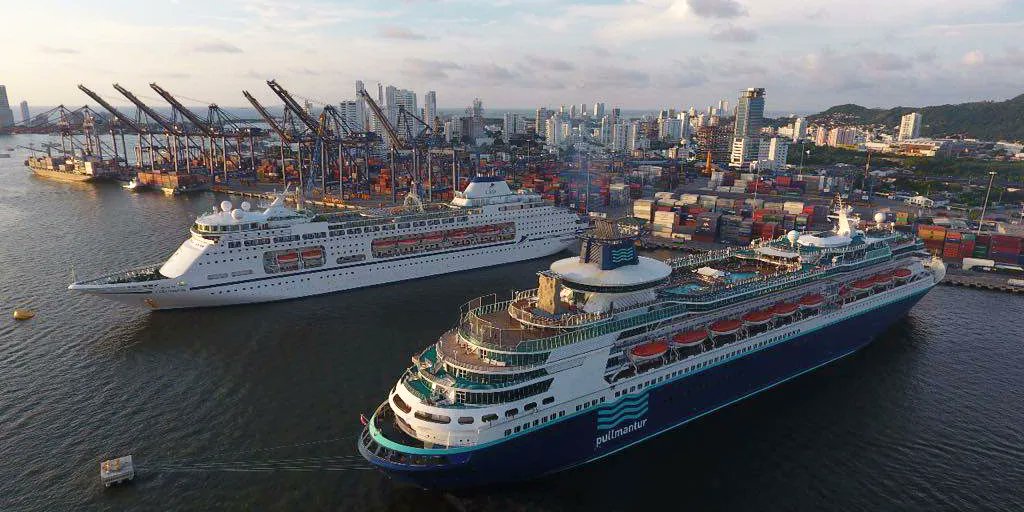
🚨Ghana 🇬🇭 and Colombia 🇨🇴 have signed a landmark agreement to link the Port of Tema with the Port of Cartagena, creating direct maritime trade between West Africa and Latin America.
The deal, signed in Bogotá, is expected to boost trade and strengthen economic ties.
#Venezuela is passing new laws to enable investment into oil and gas. They are cutting red tape and giving a red carpet to energy investors.
#DrillBabyDrill#OOTT