@UroDocAsh Unfortunately it’s more an issue of access than clinical utility. We all agree there is a subgroup of patients who would benefit from adjuvant therapy here , but independent practices cannot easily obtain or operationalize chemotherapy in their practices.
The PIVOT-006 trial has met its primary end point, demonstrating that adjuvant cretostimogene significantly improved recurrence-free survival vs surveillance following tumor resection in patients with intermediate-risk and high-grade Ta NMIBC. #blcsm https://t.co/NJ7FeQ0wph
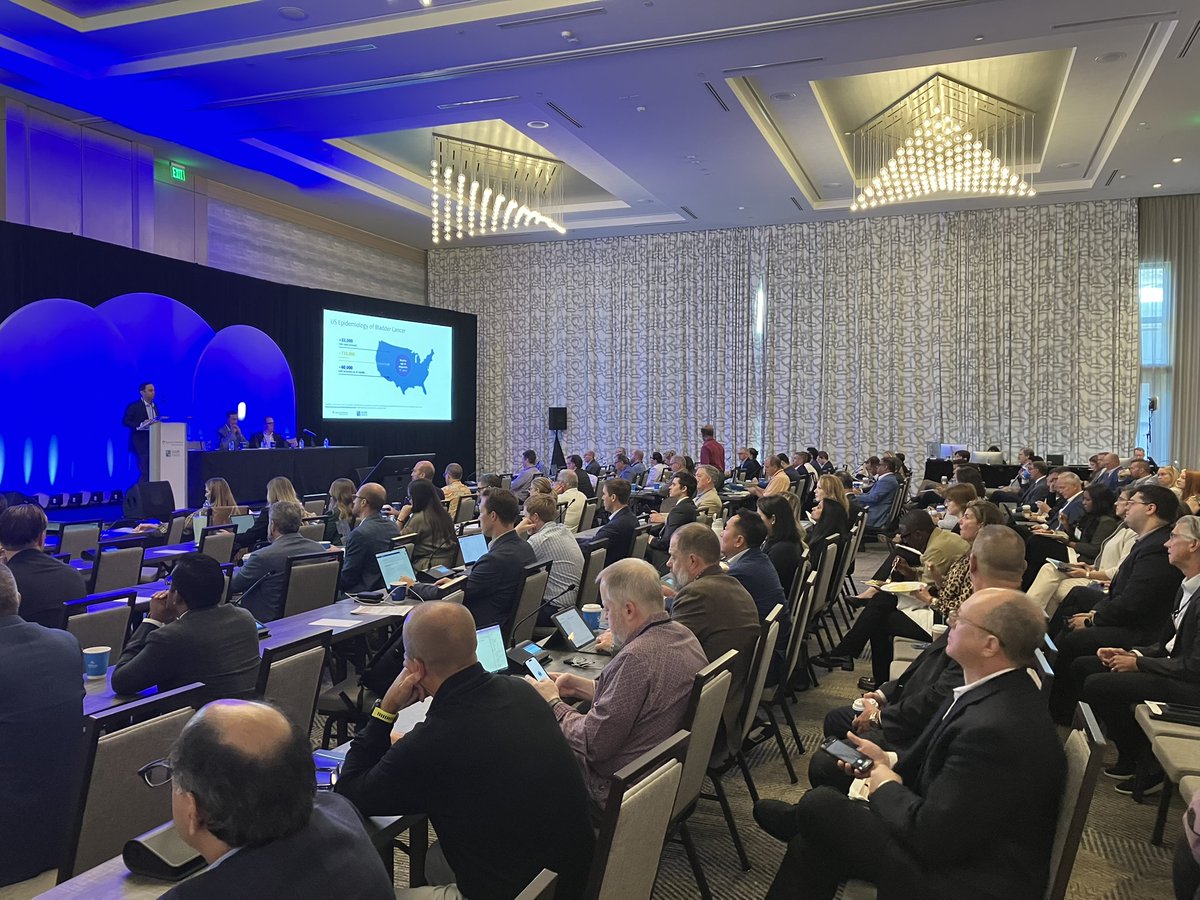
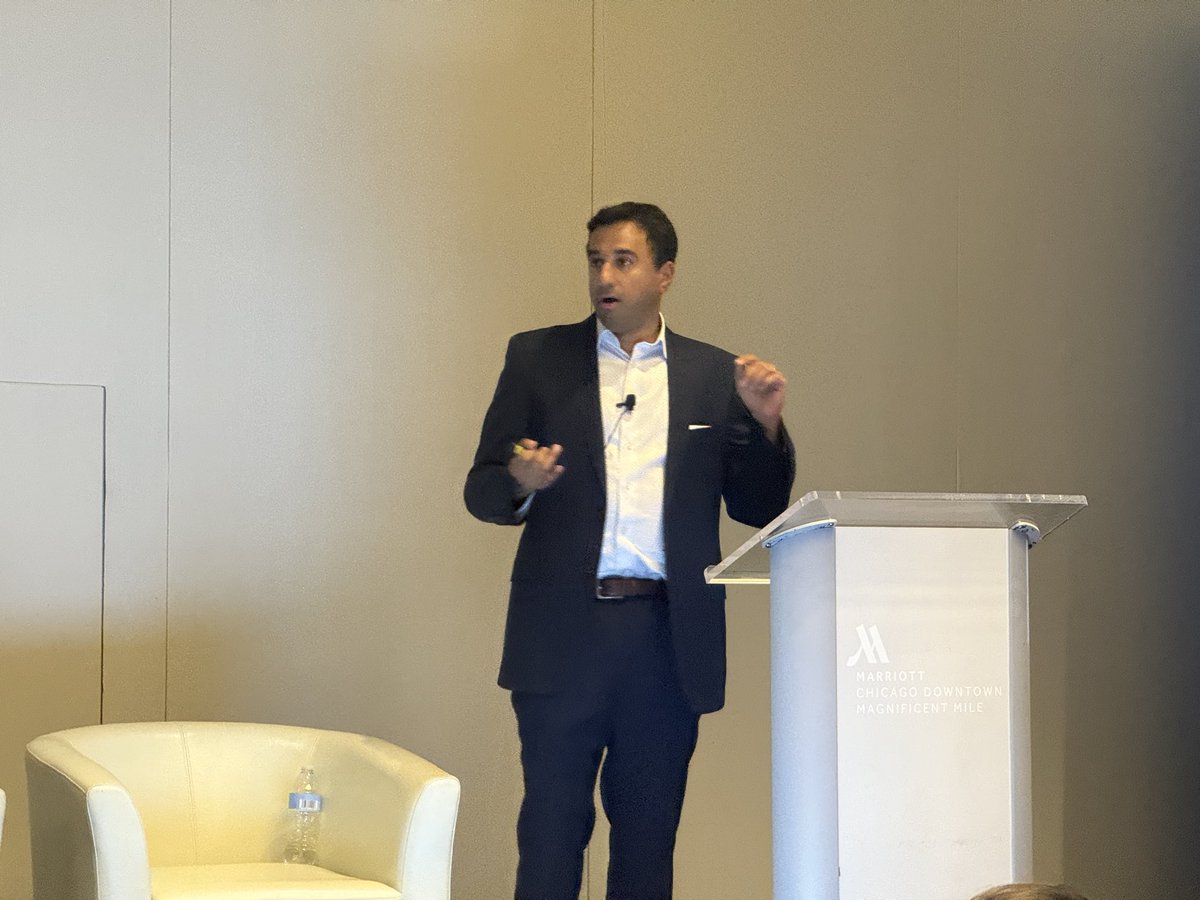
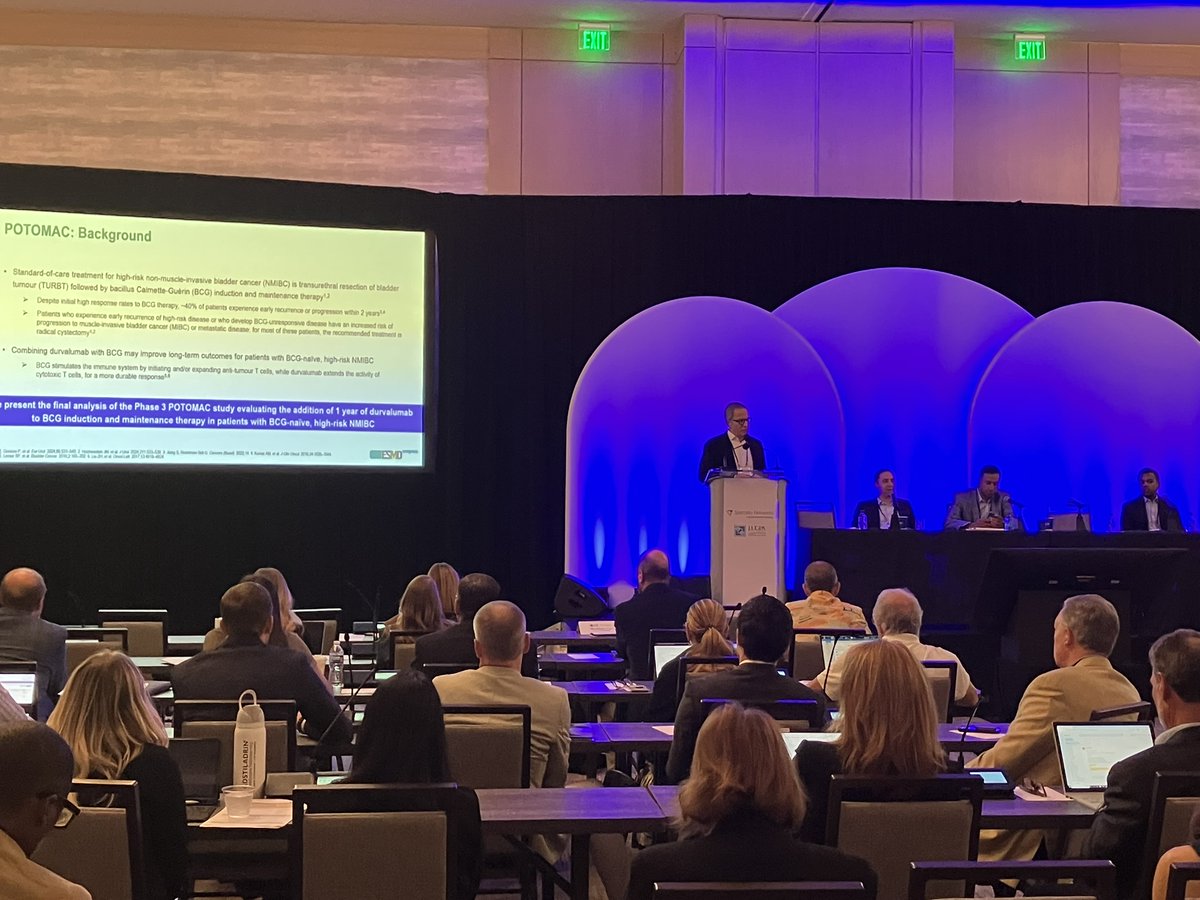
Adding durvalumab to BCG is an evidence–supported treatment option for first-line high-risk NMIBC, but optimizing BCG delivery remains the most important step to take, according to @TomJayram, of @UA_Nashville. @UrologyUS#LUGPA2026#blcsm#oncology
https://t.co/xJ8yqoagFd
Join us September 24–26 in Denver for the 2026 Bladder & Kidney Cancer Academy. Connect with colleagues for focused education and timely conversations on advancing care for patients with bladder and kidney cancers. Explore the full agenda and plan your experience: https://t.co/axfW77PsDf #BKCA26 #BladderCancer #KidneyCancer #BKCA26 @specialtynet
https://t.co/UYrFaskbgU
Urologists - Join us in Denver later this month for our annual LUGPA Bladder and Kidney Cancer Academy - excited to have a superb faculty and timely content. @siadaneshmand@KidneyCancerDoc@BogdanaSchmidt@UrologyUS
@VigneshPackiam Largely agree, but expanded efficacy data presented a few weeks ago suggested significantly less RC in the durva arm on extended f/u. Thats a meaningful endpoint for all. Cystectomy and progression free survival over 5-7 years will be more telling than early recurrence data.
New in our partnership with @DGlaucomflecken: the KEYNOTE-905 trial evaluated enfortumab vedotin plus pembrolizumab as perioperative therapy in patients with muscle-invasive bladder cancer who were ineligible to receive cisplatin. Read the full study for free: https://t.co/A1RikB7ZIo
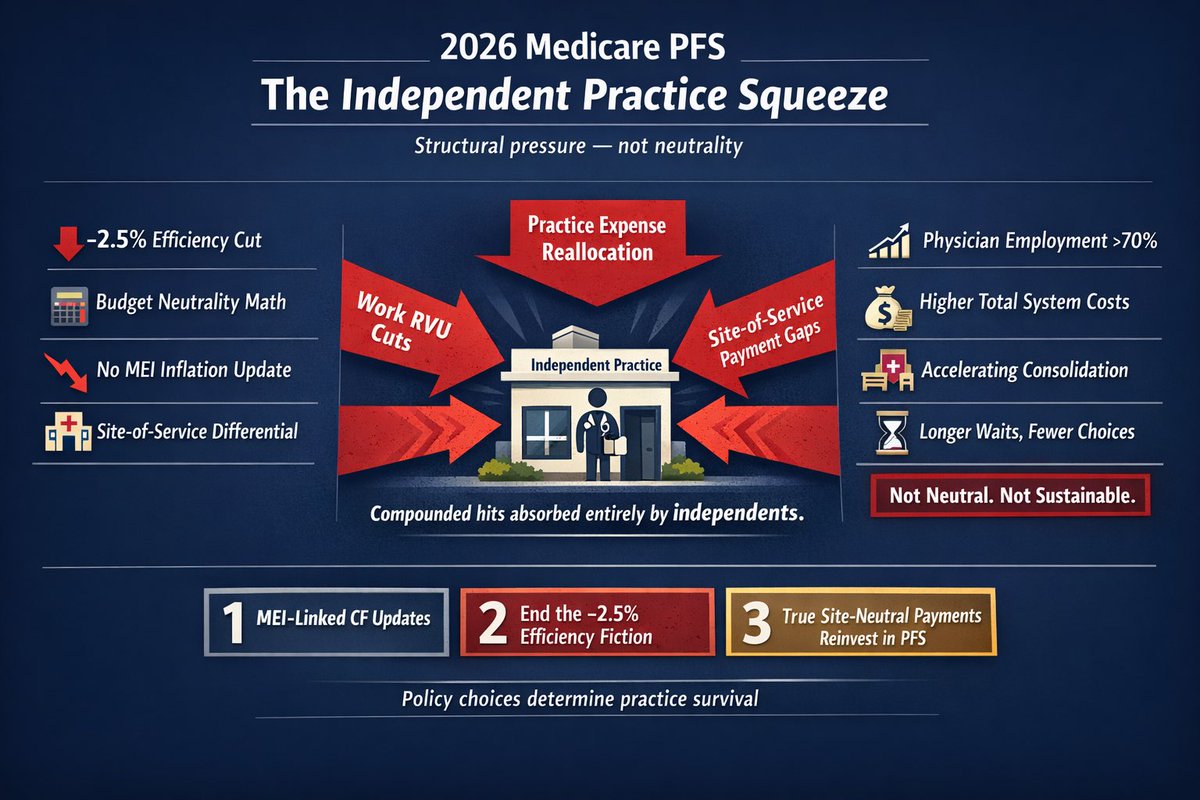
2026 Medicare Physician Fee Schedule: The Bottom Line — and the Fixes That Matter
After a full week dissecting the 2026 Medicare Physician Fee Schedule, one conclusion is unavoidable:
The PFS is no longer neutral. It structurally disadvantages independent, patient-centered care and accelerates consolidation.
Yesterday’s hearing suggest Members on both sides of the aisle understand how critical it is to reduce consolidation.
Here’s what the data show:
- The headline 3.26% conversion factor increase is temporary and misleading. There is still no permanent inflation adjustment, while a new –2.5% “efficiency” cut to work RVUs compounds pressure on physician payments.
- The efficiency adjustment itself is fundamentally flawed. It ignores rising patient complexity, double-counts prior optimization, contradicts operative time data, and disproportionately targets procedural services.
- Site-of-service distortions continue to widen. Identical outpatient services can be paid hundreds of dollars more in hospital outpatient departments than in physician offices, actively rewarding hospital acquisition and employment.
- Independent practices absorb the full weight of these changes — across work RVUs, practice expense, and site differentials — while employed physicians remain partially insulated.
The predictable result is that employment now exceeds 70%, competition erodes, patient access narrows, and total system costs rise.
Budget neutrality should not mean practice insolvency.
What Congress and CMS Must Do — Now
If policymakers want to preserve choice, competition, and access, the path forward is clear and bipartisan:
1. Establish permanent MEI-linked updates to the PFS
Indexing the conversion factor to the Medicare Economic Index provides baseline stability and prevents continued erosion. H.R. 6160, for instance, does exactly this and reflects recommendations from the medical societies, MedPAC, and the Medicare Trustees.
2. Repeal or overhaul the –2.5% efficiency adjustment
Across-the-board cuts based on assumptions (not service-specific data) distort care delivery. If repeal is not possible, any future efficiency adjustments should rely on empiric evidence, updated surveys, and transparent methodology.
3. Implement true site-neutral payment reform with reinvestment
Equivalent outpatient services should be paid equivalently, regardless of ownership. Closing site-of-service loopholes and reinvesting savings back into the PFS lowers costs for patients and taxpayers while stabilizing physician practices.
None of these reforms are radical. They are evidence-based, bipartisan, and widely supported.
The real question is timing.
Will policymakers act now or wait until independent practices have largely vanished?
The future of specialized, patient-first care depends on the answer.
During a #breakoutsession at #LUGPA2025, Dr. Tom Jayram highlights recommendations on building a successful #bladdercancer program to support new technologies. “Having a multi-disciplinary team is the most impactful clinical piece you can develop.”
@TomJayram
Hold 10/16-18 for our 2025 Bladder & Kidney Cancer Academy in Nashville. Learn about the latest breakthroughs & treatment strategies across all disease stages. Register: https://t.co/JtFftCp3lf
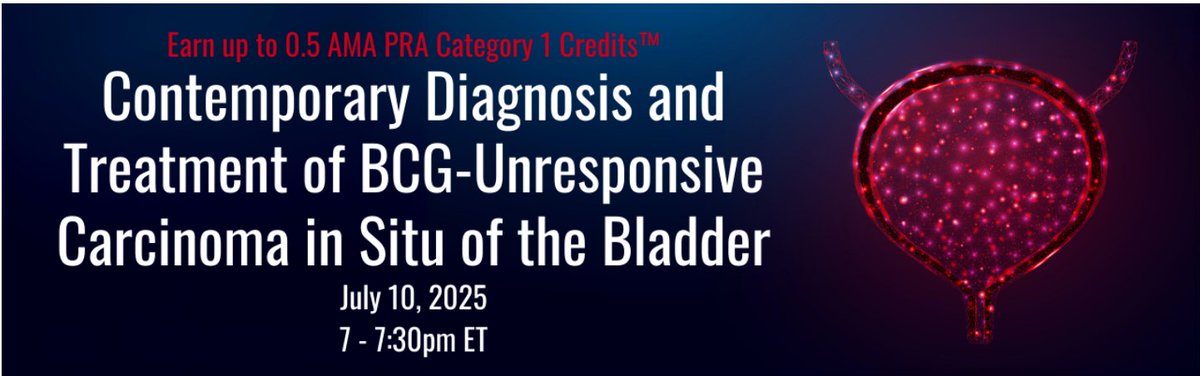
Earn up to 0.5 AMA PRA Category 1 credits by participating in the "Contemporary Diagnosis and Treatment of BCG-Unresponsive Carcinoma in Situ of the #Bladder" webinar, 7/10, 7-7:30 ET.
Register here: https://t.co/AsdbzL8o3l
The first patient has been dosed in the phase 2 #SURF302 trial, assessing the safety and efficacy of TYRA-300 in patients with FGFR3-altered LG-IR-NMIBC. @TomJayram
https://t.co/A215UTXupI
As the largest urology practice in Tennessee, @UA_Nashville is revolutionizing patient experiences. From cutting-edge treatments to personalized plans, the ATC offers only the most comprehensive & advanced urological treatments. @AmerUrological#AUA25 https://t.co/FVYGO5Mibf
@TomJayram shares his experience and practical tips to help you build a successful bladder cancer service line in the private practice setting
#URO209
Check out the full episode here: https://t.co/GSECchTxgk
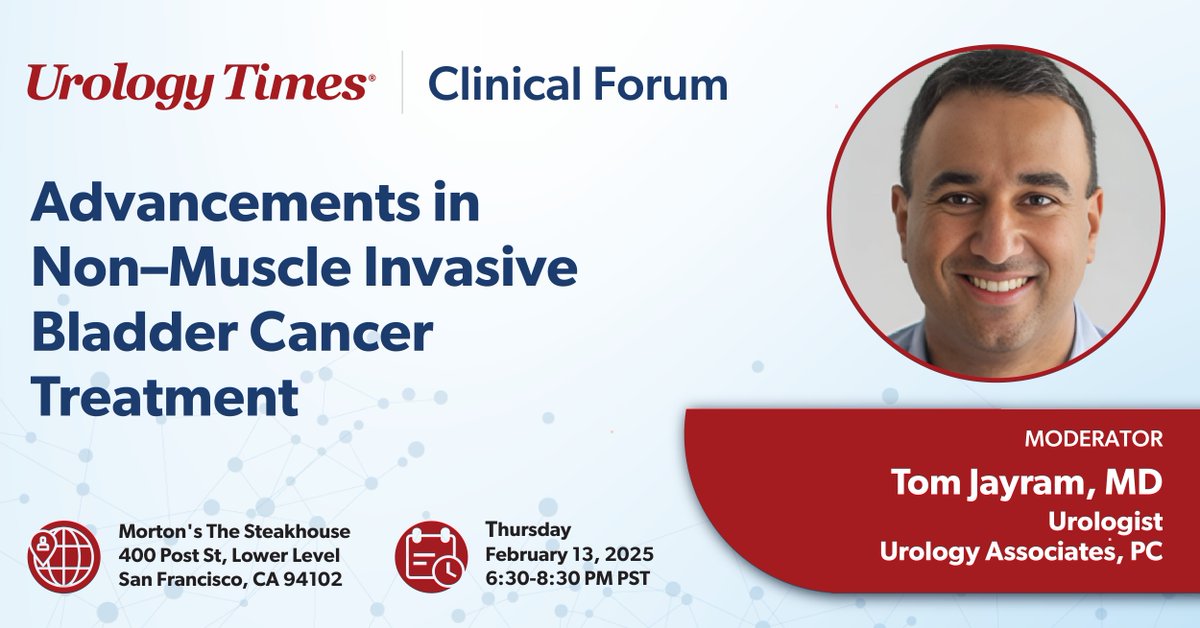
Join @TomJayram and Urology Times® for an Exclusive Clinical Forum on NMIBC at ASCO GU 2025!
Don’t miss out on this insightful discussion with leading experts in the field. Reserve your spot today!
Register here: https://t.co/6sbcMD70mU
Join Dr. Gautam (Tom) Jayram of Urology Nashville to learn about the management of BCG u-NMIBC and considerations for private practice urologists @UroDocAsh@urogeek@RuchikaTalwarMD@Lash7587@KSMurrayUro
https://t.co/TtMgt0zvPq