Amazon’s third-party STV (streaming TV) network is quietly massive in 2025.
Too often, run-of-network gets mistaken for “leftover” inventory.
In reality, these buys generally perform better with more reach, at cheaper rates
Layer in Amazon’s data and you’re not tied to a single streaming platform, you’re following your customer wherever they watch.
Amazon is the gateway to streaming TV.
For how big Amazon is, they've done a terrible job at...
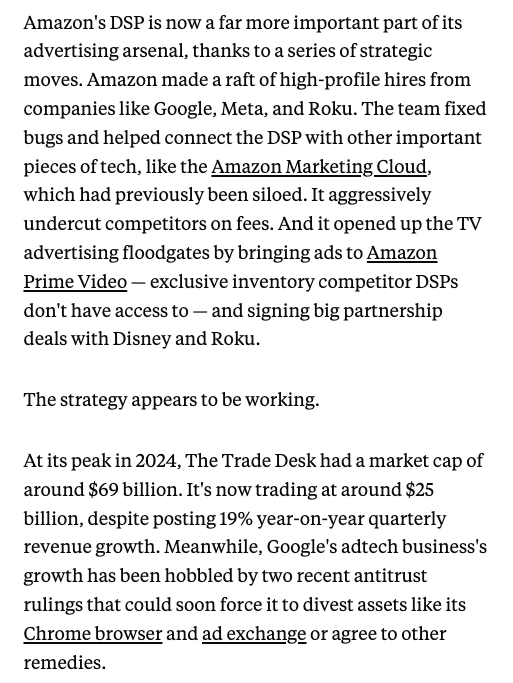
Marketing how massive their DSP is
It's still the sleeping giant in the programmatic space
Agencies & brands often are surprised to even hear that there is an Amazon DSP
Something that was made evidently clear at Ad Week in NYC
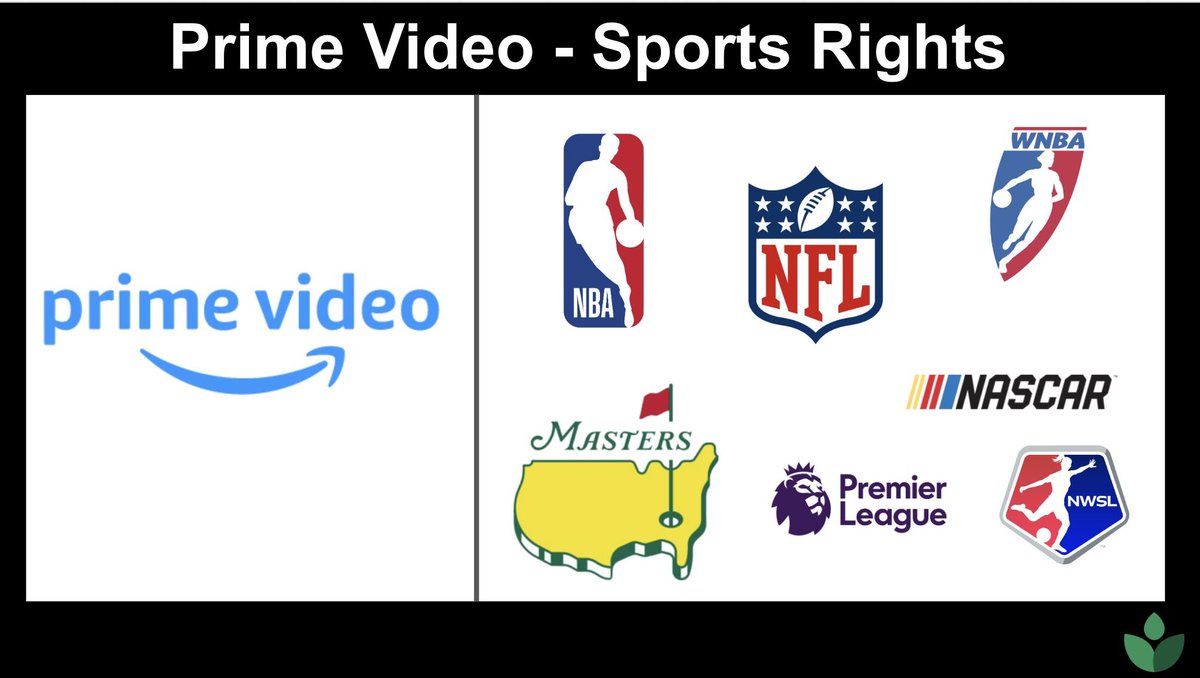
Amazon’s Prime Video isn’t chasing exclusivity in sports.
Their playbook looks different than other streamers.
• Full exclusivity of sports is too expensive. The incremental Prime sub additions or retention bump doesn’t justify the cost to have exclusive rights. Everyone has a Prime subscription and is not cancelling.
• Partial rights are enough to unlock the world’s biggest brand budgets. At upfronts, Amazon’s media package gets more attractive with every new sport, even if it’s just a slice. They want the biggest brands getting more and more comfortable with Amazon DSP.
• Sports inventory + Amazon’s audience data = premium CPMs. They don’t need every game.
Amazon's sports strategy is clear: streaming extensions, not exclusives. Low risk, high advertising upside. Not geared at subscriber retention or acquisition.
You can now purchase Netflix ads on Amazon
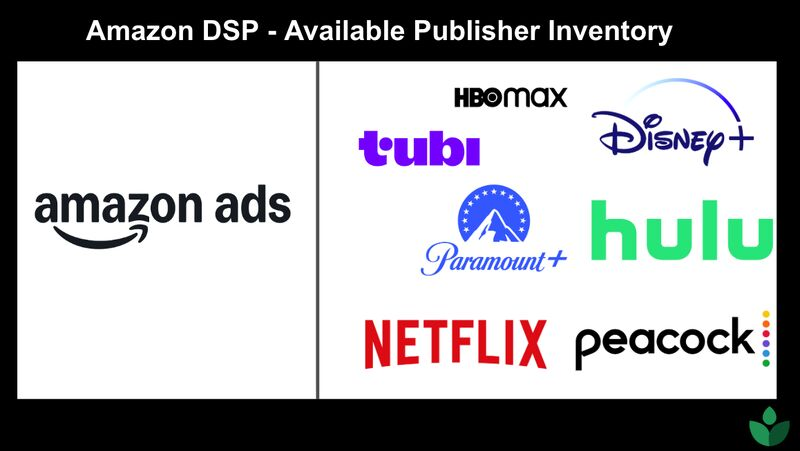
Advertisers can now buy Netflix inventory through Amazon DSP, alongside Hulu, Disney+, HBO Max, Paramount+, and Peacock.
An underrated aspect as to why this deal makes a lot of sense for both parties: Amazon has global first-party shopping data, Netflix has global reach, with a lot of their ad subscribers internationally. Win-win.
It's amazing how quickly things are moving in the Connected TV / Streaming media space. Inventory partnerships, content & licensing deals, significant interest from media buyers. We're probably still early innings of how we experience and interact with streaming TV.
Amazon US Prime sign-ups slowed during Prime Day, I’ve been thinking about what Amazon really tracks for Prime Day.
Everyone focuses on record sales headlines, but I’d argue new Prime membership subs is at the top of their KPI stack, maybe even above retail GMV (sales). Amazon has noted Prime households shop 2-3x more often than non-Prime. That's a big difference.
Magic Mind just raised $12.4M in fresh equity funding. They capitalized on a growing market, but really hit on one thing.
I used to think of mushroom and herbal supplements as a short term trend. The revolution really started with brands like MUDWTR. Beyond the Venice-inspired branding, Magic Mind took it further with one big unlock:
Form factor: ready-to-drink 2oz bottles are easier to build into a routine than powders or full-sized drinks. Daily use, like Grüns “daily packs,” makes the product sticky. Customers don’t just buy once, they buy every month. Magic Mind is rumored to do over >$5M on Amazon alone
Amazon just killed off shareable Prime accounts, but it got me thinking about Amazon's other problem.
When a husband and wife share the same login, shopping behavior gets muddied. Diapers, golf clubs, face lotion all under one profile. Amazon collects data at the unique email login level, so the more people sharing, the noisier the signal.
I’ve seen products that obviously skew female show up as a 50/50 split between men and women in Amazon’s reporting. Seems odd. Cleaner individual Prime accounts means better data. Better data = stronger ad performance for brands.
Amazon’s ASIN targeting isn’t as precise as it looks.
When you target a competitor’s ASIN, Amazon’s machine learning maps it to broader relevance signals, not just that product’s PDP.
Your ad can:
• Appear on that ASIN’s page
• Show in Top-of-Search or Rest-of-Search for related keywords
• Serve on other PDPs Amazon deems “relevant”
Example: Target Nike socks → Amazon associates with “socks” → your ad runs across thousands of related ASINs, not just the one you picked.
Can be incredibly difficult to control and scale. We had to write documentation on how this works as it has evolved over the years and we get asked all the time about our ASIN targeting strategy.
Amazon said it exceeded expectations with "significant growth" in upfront discussions
Sports have been the driving force during their pitches: NFL, NBA, Nascar, WNBA
Prime Video has 130M ad-supported customers in the US
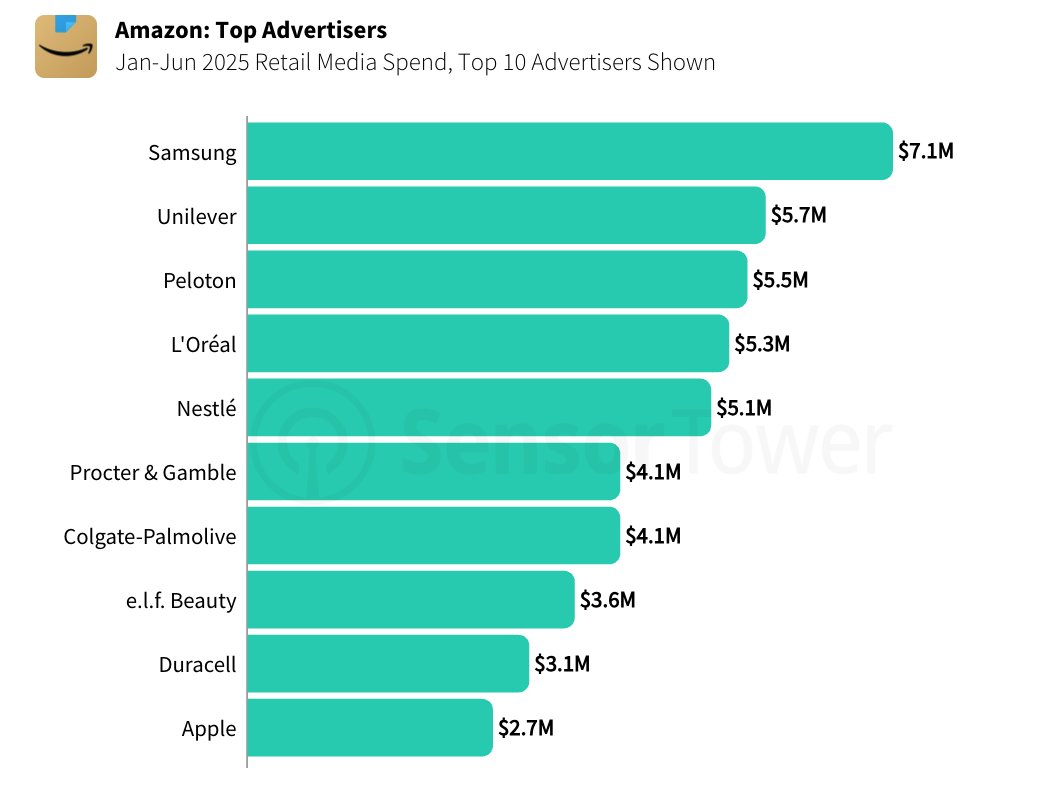
Here’s who’s spending the most on Amazon Advertising right now.
Samsung: $7.1M
Unilever: $5.7M
Peloton: $5.5M
L’Oréal: $5.3M
Nestlé: $5.1M
…and Apple shows up too, but at the bottom of the list with $2.7M. Numbers seem very far off...
Source: @SensorTower
Amazon's data, Amazon's rules
Amazon blocked AI crawlers from Meta, Google, and others from scraping its site. It’s part of the reason why you get horrible answers when you ask for Amazon product recommendations from ChatGPT
I remember years ago, Amazon stopped Google from capturing customer order confirmation emails. Remember when Amazon used to share which products you bought via email? Now you have to open the app to see your order history
In the meantime, Amazon is trying to build their own AI shopping assistant with Rufus