Fibroblasts are everywhere in our tissue as structural cells, yet we are only beginning to understand them. Today in @Nature, we report that lung-specialized alveolar fibroblasts orchestrate lung homeostasis, inflammation, and fibrosis. 🧵👇(1/n) https://t.co/DFycGLzlNV
I'm absolutely thrilled to share that our work on human centromere variation and evolution has been published in @Nature! We completely sequenced all centromeres from a second human genome & compared them to those from the first complete human genome, uncovering new sequences, structures, & epigenetic landscapes
Good afternoon from DC! Looking forward to listening to some exciting science at the #ASHG23 over the next five days. Here are some highlights—scheduled talks that sparked my interest—grouped under themes (time well spent during my train trip from NY to DC).
Whole genomes
As many of you know the full UK Biobank is now whole genome sequenced by deCODE, in collaboration with other pharma companies. In 2022, deCODE published a fantastic paper based on an analysis of the initial ~150k genomes (https://t.co/McruPSvkoz), which I covered in this thread (https://t.co/L629Efyv9L)
The first time I heard about the UKB WGS was at #ASHG21 when John Whittaker from GSK gave us a glimpse of what to expect based on an initial analysis of 150k WGS (https://t.co/sJVGv9qMbP). This year there is a related talk by Yancy Lo from GSK (Friday 2.30pm) on the value of the full 490k WGS on drug target discovery. In relation to that, also check out my RGC colleagues’ recent preprint on a cost-benefit analysis of WGS vs WES in gene discovery (https://t.co/BCwMzw4g16)
Apart from SNV associations, the things that excite us most about whole genomes are the non-coding and structural variants. We have (at least) three exciting talks on that topic.
1. Slavé Petrovski from AstraZeneca (Saturday 10.30 am) is presenting an analysis of the associations of genome-wide rare 3’ and 5’ UTR variants with ~15k binary phenotypes based on the full 500k UKB WGS data.
2. Zoe Zou from AstraZeneca (Thursday, 2.30 pm) is presenting an analysis of CNVs called from the full ~500k UKB whole genomes. Unlike exomes, whole genomes offer an unbiased (to some extent) view of the CNV architecture of the genomes including small, rare, and noncoding CNVs. This is going to be a super interesting talk.
3. Liam Fearnley from Walter and Eliza Hall Institute of Medical Research (Sunday, 9.00 am) is presenting an analysis of short tandem repeats in 60 known disease loci called from 200k UKB whole genomes; the authors find that among the 200k, around 5000 individuals carry repeat expansions in the pathogenic range yet only a small proportion of them have been formally diagnosed. Fearnley will discuss the factors contributing to the underdiagnoses of repeat expansion diseases in the population setting and the associated challenges.
Whole exomes
As a scientist in the drug discovery field, protein-coding regions are my favorite parts of the genome. Now the full 450k UK Biobank WES has been made available for all the researchers, I expected more UK Biobank exomes-related talks this year. It looks like there aren’t many (I might be wrong), but there are a few exciting talks.
1. One of the most exciting talks of #ASHG21, which stays fresh in my memory even today, was by Joel Hirschhorn from the GIANT consortium on the GWAS of height in 5 million people where the author said that the GWAS of height is finally DONE with the common variant discoveries reaching the full saturation (https://t.co/cm7GPuvLNV). It was a sensational finding at that time and the paper was later published in 2022 (https://t.co/R1xMYLVJcl), becoming a landmark in the field; see here for my thread (https://t.co/ATMVwHvMNe). It’s time to move on to the rare variant associations of height. Jack Kosmicki from Regeneron Genetics Center (Saturday, 10.45 am) will be presenting an ExWAS of height in 1 million individuals offering the first look into the rare variant architecture of height at an unprecedented scale.
2. GnomAD has always been a holy reference for clinical geneticists. This year the database gets even better. Katherine Chao from Broad Institute (Saturday, 11.00 am) is presenting an analysis of >800k diverse exomes from gnomAD v4, explaining how the boost in sample size (thanks to UK Biobank), and diversity has improved the constraint metrics, pathogenic variant classification, human knockouts survey etc.
3. I might be biased. I love hearing about a story of a particular genetic discovery in detail rather than hearing about boring statistics of the number of novel and known laundry lists of genes. I think Yajie Zhao from Cambridge MRC Epidemiology Unit (Wednesday, 5.50 pm) won’t disappoint us. Zhao is presenting the discovery of a new Mendelian kind of obesity gene, BSN (Bassoon), in which rare loss of function variants have a mind-blowing effect on the BMI (even higher than MC4R). Read this thread for more details (https://t.co/WVujha0p7N)
Common variant GWAS
It’s 2023 and it’s the post-GWAS era, and I wouldn’t blame anyone for not getting excited anymore to see a Manhattan plot or hear about large-scale GWAS associations. But still, some talks caught my attention.
1. Samvida Venkatesh from Univ of Oxford (Friday, 2.15 pm) is presenting a really comprehensive GWAS of female infertility of varied causes (anatomical, anovulatory, idiopathic, etc.) male infertility and sex hormones (FSH, LH, etc) in ~700k individuals from six biobanks. Plus, they have thrown in an analysis of 300k exomes from the UK Biobank to identify rare variant causes of infertility. It’ll be an exciting talk.
2. Huanhuan Zhu from BGI, China (Thursday, 1.45pm) presents a GWAS of pregnancy-related phenotypes based on common variants called from 100,000 low-coverage whole genomes of Chinese Women who underwent Non-invasive prenatal testing (NIPT). The authors are also releasing a website to browse these results.
3. Have you heard about GWAS studies in humans’ evolutionary cousins—monkeys? There is an exciting talk by Samuel Peterson from OHSU, Beaverton (8.45 am, Friday) on a GWAS based on 66 million variants identified in 3,450 Macaques that discovered many fascinating associations (e.g. oculocutaneous albinism locus, leukoencephalopathy locus, etc.) related closely to GWAS findings from humans.
Somatic mutations
Somatic mutation surveys in humans have seen great advancements in the past few years. I am not an expert in this area, but a few talks caught my interest.
1. GTEx tissue is an amazing resource for surveying somatic mutations across tissues in the same individual. For example, a Nat Gen paper from a few days ago reported mosaic chromosomal alterations called from RNAseq data (https://t.co/MSAbTZ6XSM). Tim Coorens from Broad Institute (Thu, 2.30 pm) is presenting an analysis of deep (~200x) WGS of DNA from various tissues of 55 GTEx participants (308 genomes), giving an impressive view of somatic mutational clonal architecture across the full human body.
2. De novo mutations are those present in the offspring but absent in the parents. While most of these are spontaneous mutations that occur in parent germ cells, some are somatic mutations in the parents (restricted to germ cell lineage). Xiaoxu Yang from Univ of California (Friday, 9.20 am) is presenting about the contribution of clonal mosaicism in fathers’ sperm to “de novo” disease mutations in the offspring.
3. One specific class of somatic mutations that I am very fascinated about and relevant to my line of work is repeat expansion. Our DNA polymerases struggle a lot to replicate genomes littered with short tandem repeats, and it gets confused often, copying more repeats than were present originally in the template. This is called repeat expansion which happens across generations (genetic anticipation) and also within an individual across time (somatic repeat expansion). Robert Handsaker from Harvard Medical School (Thursday, 6.30 pm) is presenting a great work on quantifying Huntington’s CAG somatic repeat expansions in distinct neuronal populations (striatal spiny neurons) in the brain and how they affect the gene expression patterns, sometimes to an intensity that erases even the cellular identify of those neurons. Very much looking forward to this.
Gene therapy and CRISPR therapeutics
This is a field that I’ve started to follow closely only in the past few years (since the move to the drug discovery field). I am not an expert here, but I’ve found a few extremely interesting talks, which will offer a glimpse into what’s on the horizon.
1. The human genetics field in general has been very cautious about in vivo genetic editing using CRISPR to treat human monogenic conditions, but is slowly moving towards that goal. We might see the FDA approval for in vivo gene editing as early as this December for sickle cell disease (https://t.co/ioZdozGkWP). In that line, Dominique Brooks from Univ of Pennsylvania (Thursday, 5.30 pm) is presenting about the recent progress in vivo correction of phenylketonuria (poster child of monogenic diseases) in humans and how soon should we expect the first human clinical trials.
2. As I have explained recently in a thread, nature has provided a loophole that can be therapeutically exploited to treat Angelman Syndrome, a neurodevelopmental disorder caused by the loss of imprinted UBE3A expression from the maternally inherited alleles in the neurons (https://t.co/auuDMuAIUB). The paternal allele is silenced by an antisense RNA and the therapeutic approach would be to turn off this silencing using siRNA or ASOs. But such approaches are not permanent and require repeated intrathecal injections. Xiaona Lu from Yale University (wed, 5.30pm) is presenting an innovative once-and-done CRISPR approach to treat Angelman.
3. I recently wrote a post about a mind-blowing discovery of the mechanism of X chromosome dosage compensation in mosquitoes where a sex-specific splicing results in the retention of an intron holding a stop codon that truncates the protein only in females (https://t.co/LHwhadktiO). Carmelle Catamura from Univ of California (Fri, 11.00 am) is presenting a therapeutic design to silence the HTT gene allele specifically to treat Huntington’s. The idea is to insert a stop codon only in the disease allele using dcas9 epigenome editing.
The above list is just a tiny portion of science that will be presented at the ASHG that I managed to curate in a limited amount of time. I'll tweet more about other works as I hear and read about them. Watch this space.
RGC million exomes browser is here (~20% non-Europeans). Don't miss this amazing resource to query variants and genes of your interest. It'll greatly complement the gnomAD v4 browser. Bookmark it today and spread the word.
First GWAS hit for Long COVID!
Indicating only partial overlap with COVID-19 severity
Great leadership by @HannaMOllila Hugo Zeberg Vilma Lammi @tomoco_naka Samuel Jones
Supported by the @covid19_hgi network
~今年もやります、遺伝統計学・夏の学校~
We have "online" summer school of Statistical Genetics🧬🖥️💊. Aug 25th-27th, 2023📅by Osaka Univ, Univ Tokyo, RIKEN IMS. Any students with interests in stat genet are welcome !! #Genetics#gwas#SummerSchool#omics https://t.co/tqr8kEElQz
A #single-cell atlas of the human #lungs, integrating data from 2.4 million cells from 486 individuals and including samples from healthy and diseased lungs, provides a roadmap for generating organ-scale cell atlases. @SikkemaLisa@MDLuecken@fabian_theis
https://t.co/jDRxJdcssL
Scaling scRNA-seq data by log(p/s+1) outperforms other approaches, including recent methods with thousands of citations. [Ahlmann-Eltze & Huber, 2023 Nat Methods, https://t.co/JTYWZIrzOs]
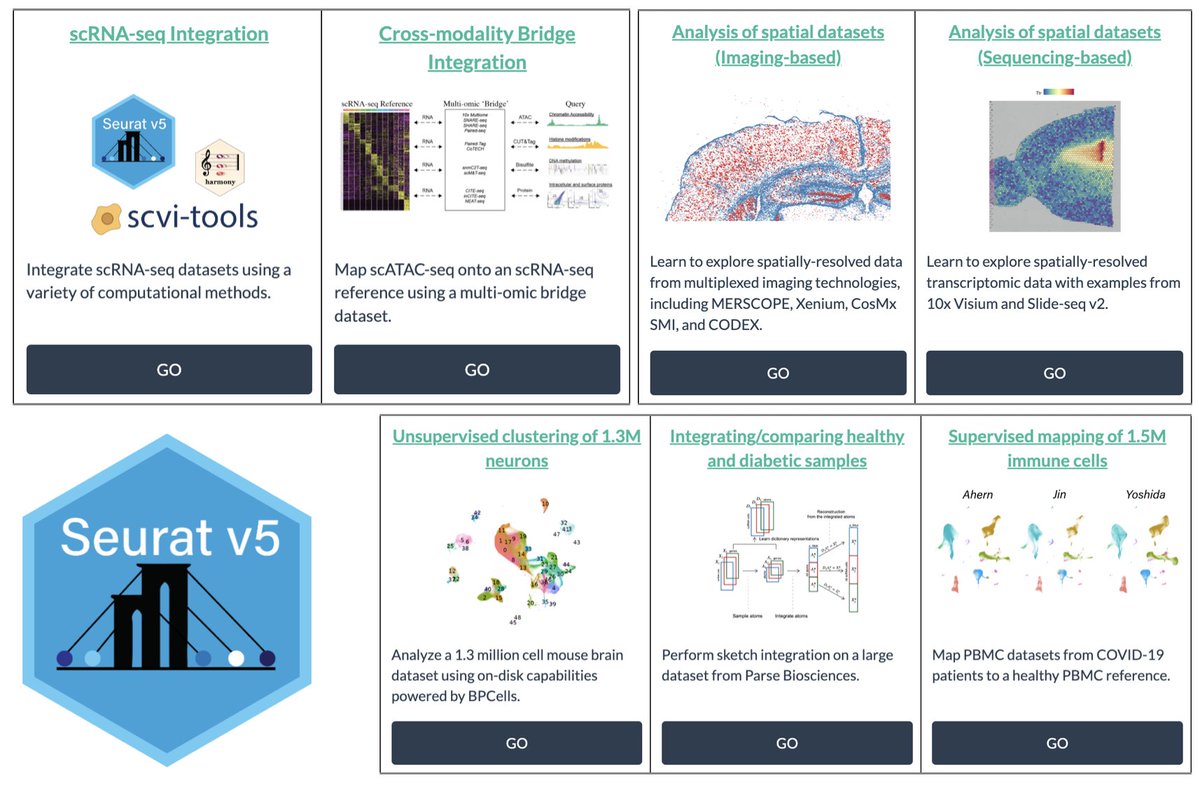
We are excited to release Seurat v5- with new methods for multimodal, spatially resolved, and massively scalable single-cell analysis. https://t.co/7BMGF7x1wV
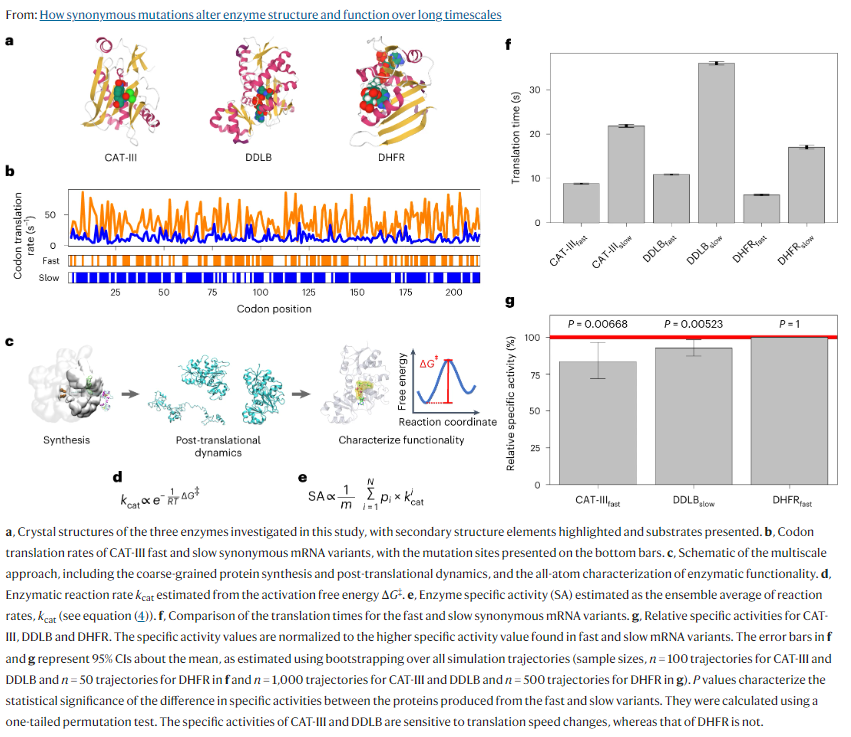
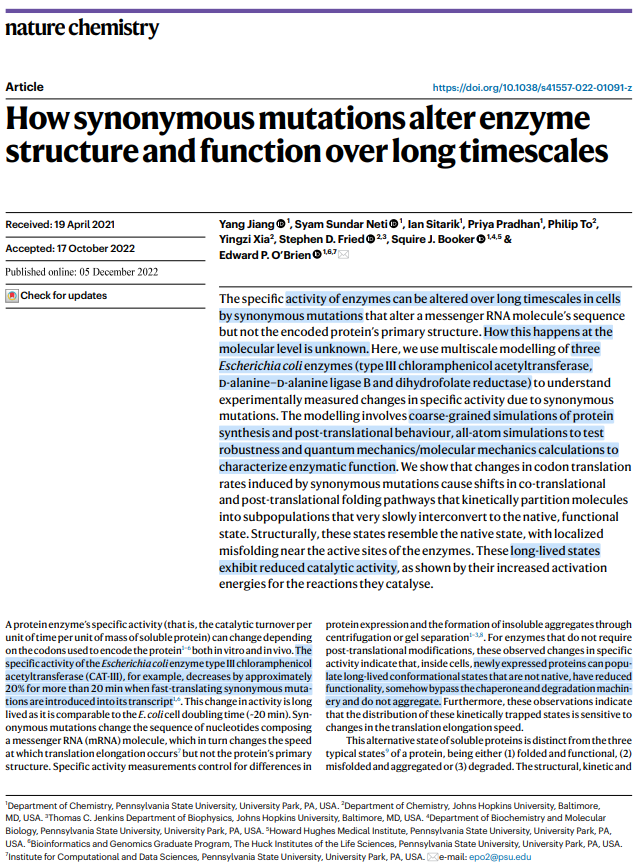
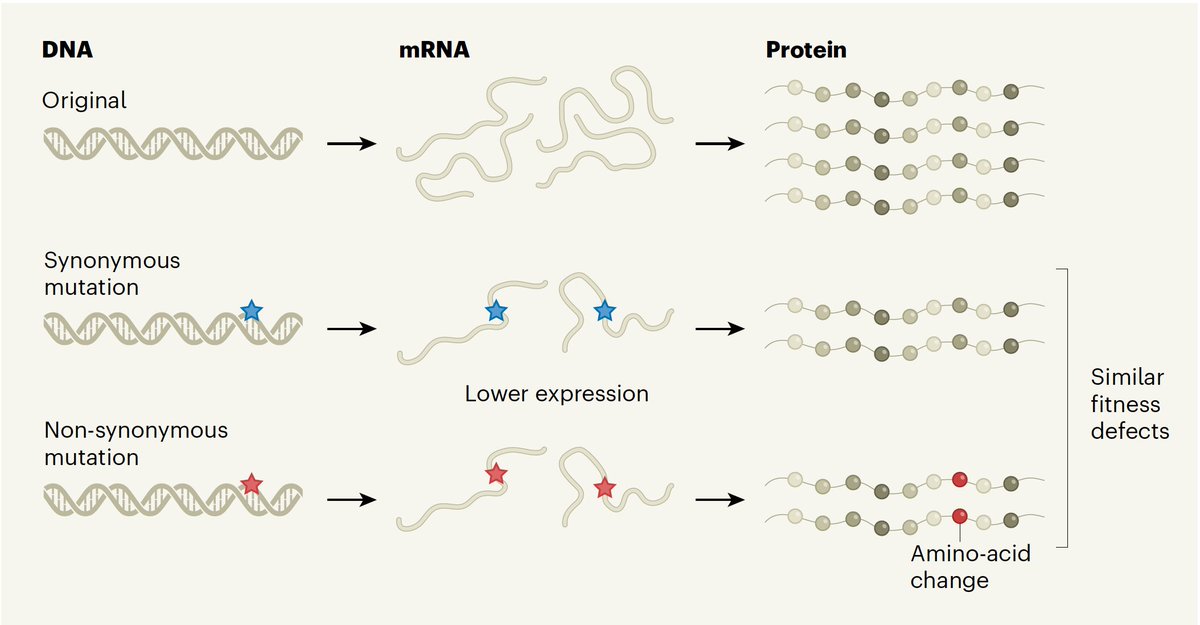
Synonymous mutations have massive effects on protein activity. Never knew that.
Take a protein & make a fast + slow-translated version.
For one enzyme, fast translation caused 20% drop in activity. Simulation + experiments show "entangled states." Weird. https://t.co/snaApqsF6A
Challenging dogma:
When mutations don't change the amino acid (synonymous) but alter the fitness of the protein, and can be as harmful as non-synonymous mutations
https://t.co/zEQahjDhw0
https://t.co/WUUNNgVB7E
@Nature@NatureNV
If you choose to transfer a manuscript between Nature-family journals, you can consult a web page that lists the acceptance rates for 124 journals published by the Springer Nature Group.
I haven’t seen this data circulated before, so I copied it to share here:
Academic writing is a superpower. It's a key to publishing, getting a new job or tenure, and becoming known in the field
These 10 AI-powered websites will help you with EVERY part of your manuscript and will save you 100+ hours:
#openscience#AcademicTwitter#phdvoice#phdchat
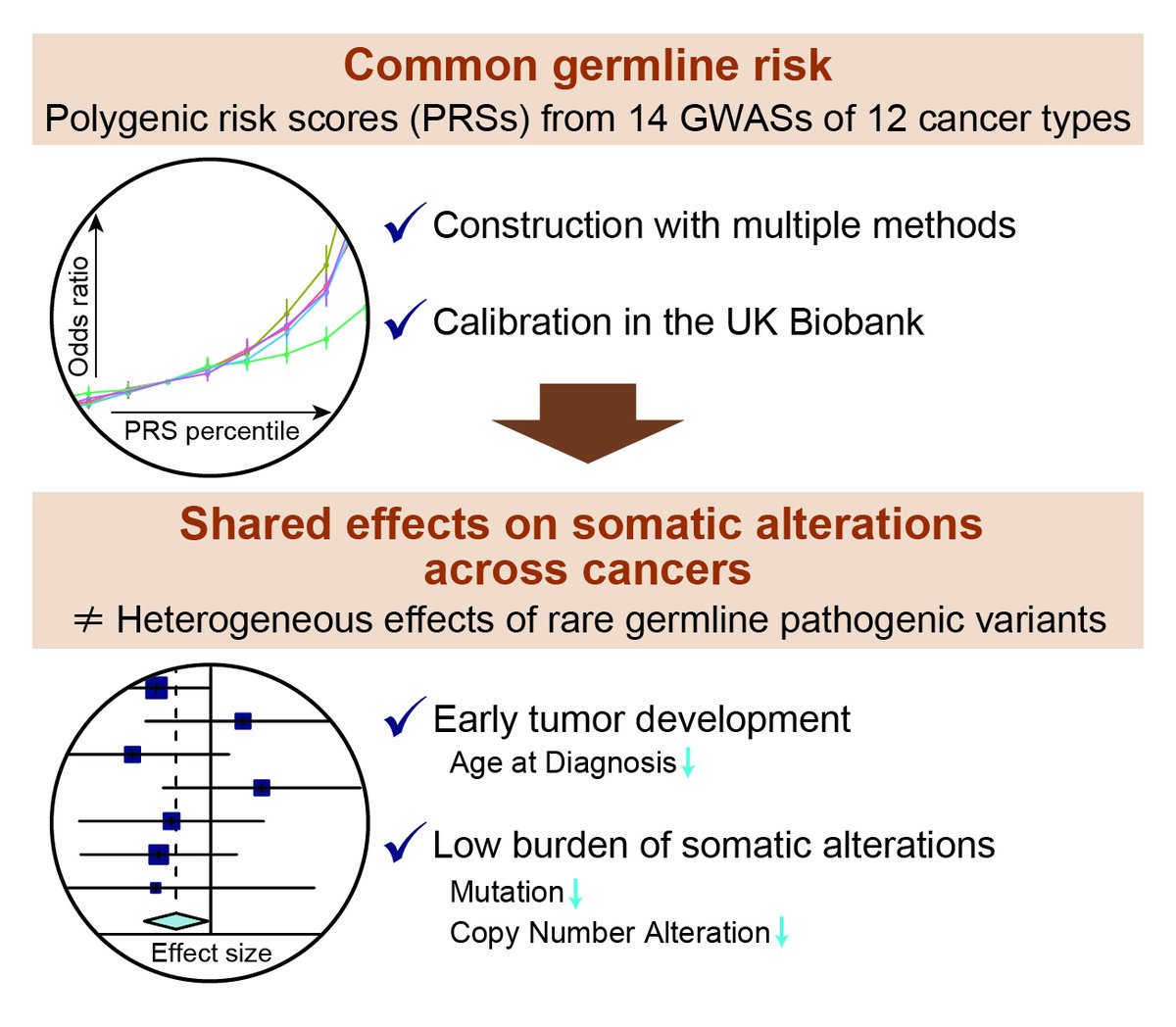
Common germline variants can predict the risk of cancer development📈, but can they affect somatic alterations🧬? Yes! they have universal effects on mutations and SCNAs across cancer types.
➡️See https://t.co/UOxrJjWLIU published in @CR_AACR today!




![SashaGusevPosts's tweet photo. Scaling scRNA-seq data by log(p/s+1) outperforms other approaches, including recent methods with thousands of citations. [Ahlmann-Eltze & Huber, 2023 Nat Methods, https://t.co/JTYWZIrzOs] https://t.co/ICLwE4upEL](https://pbs.twimg.com/media/FtZMRT3XsAMn6Ea.jpg)