MTRH Laboratory Attains 3rd Cycle ISO 15189:2022 Re-Accreditation
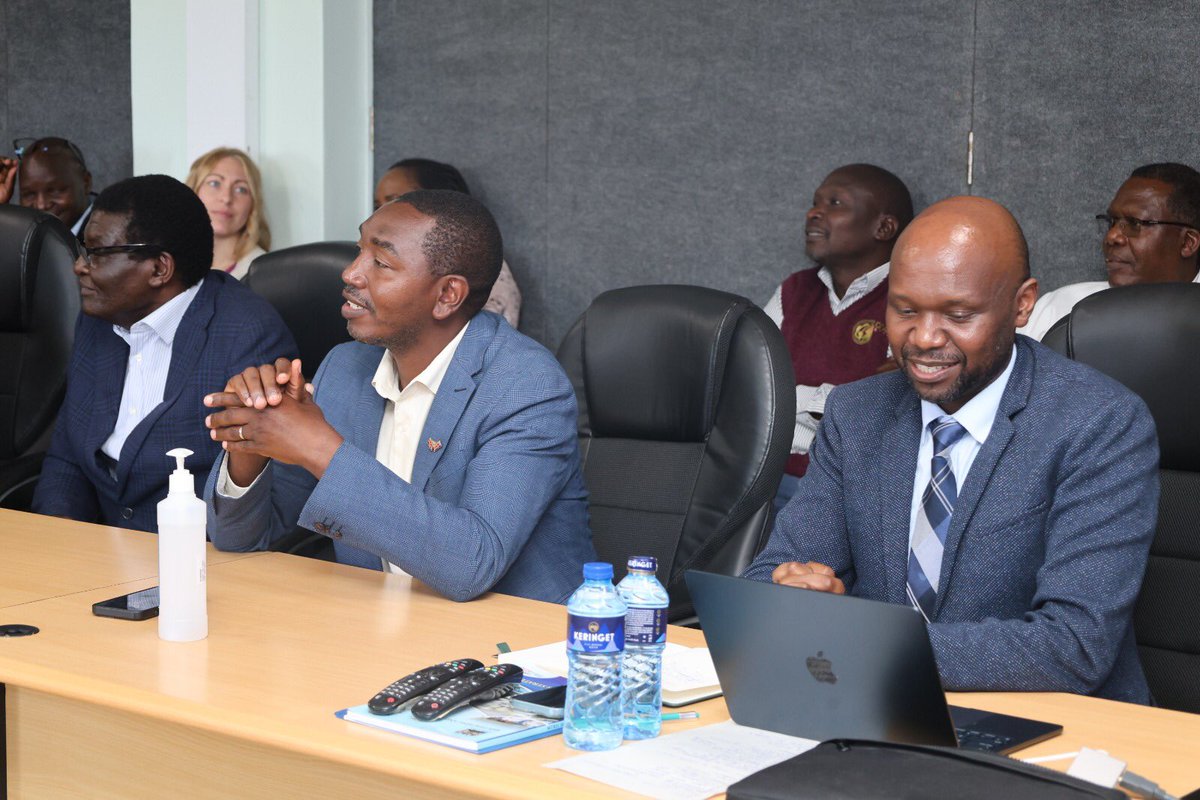
MTRH Directorate of Laboratory & Pathology Services has successfully attained its 3rd-cycle Re-Accreditation to ISO 15189:2022 by the Kenya Accreditation Service (KENAS) following a rigorous four-day assessment
A Japanese immunologist spent 20 years proving that the chemicals trees release into the air walk into your bloodstream, hunt down your stress hormones, and arm your immune system in ways no therapist or pharmaceutical has ever matched, and most of the data has been sitting in Japanese medical journals for two decades waiting to be translated.
His name is Qing Li.
He is a clinical professor at Nippon Medical School in Tokyo and the president of the Japanese Society of Forest Medicine. The Japanese government has been funding his research since 2004, and the body of work he has produced is the reason forest bathing is now an officially prescribed clinical therapy in Japan and Korea.
The story actually starts in 1982, when the Japanese Ministry of Agriculture, Forestry and Fisheries coined the term shinrin-yoku to describe the practice of slow, mindful walking in a forest. They did it for a practical reason.
Japan was urbanizing fast, stress-related illness was climbing, and the country had thousands of square kilometers of forest sitting unused. The idea was to give people a reason to walk into the trees... They had no idea what was actually happening to the human body during those walks until Qing Li ran the first proper experiment in 2005.
He took twelve healthy adult men on a three-day, two-night trip to a forest park. They walked for a few hours each day. Nothing strenuous. No prescribed routes or breathing exercises. They simply walked slowly through the trees, breathing the air, looking at the forest.
Li drew blood and urine samples before the trip, on the second day, on the third day, on day seven after returning home, and again on day thirty.
The numbers that came back from the lab were not what anyone expected.
The activity of a specific type of immune cell called the natural killer cell, which is the cell your body uses to hunt down cancer cells and virus-infected cells before they can spread, had jumped by roughly 50 percent during the forest trip. The actual number of natural killer cells circulating in the bloodstream had increased significantly.
Three different anti-cancer proteins that those cells produce, called perforin, granzymes, and granulysin, had all risen sharply. And the effect did not disappear when the men went home. The immune boost was still measurable on day seven and was still partially present on day thirty.
Two hours a day in a forest had upgraded the immune system for a full month.
Li ran the same experiment with women a year later and found nearly identical results. Then he ran it with a control group who took a three-day trip through an urban area with the same amount of walking, the same hotel quality, and the same diet.
The urban group showed no measurable change in natural killer cell activity at all. The forest was doing the work, not the vacation.
The mechanism turned out to be a class of airborne molecules called phytoncides. Trees produce these compounds to defend themselves against insects, bacteria, and fungi. Pine, cedar, oak, and cypress trees release them in particularly large amounts, especially in warmer weather and after rainfall.
When you walk through a forest, you are inhaling those molecules into your lungs and absorbing them through your skin, and once inside your body they appear to directly stimulate the production and activity of the very immune cells Li was measuring in his lab.
Roughly 50 percent of the health benefit of a forest walk, according to Li's data, comes from the chemistry of the air itself. The other half comes from what the forest is doing to your nervous system.
This is where it stops being only about the immune system and starts being about stress.
A separate Japanese research team measured cortisol, the body's main stress hormone, in 84 participants across 35 different forest sites. They drew samples before and after a 30-minute walk in each forest and compared them to control walks in matched urban environments. The cortisol levels of the people who walked in the forest were lower than the cortisol levels of the people who walked in the city by a significant margin. Their heart rates were lower. Their blood pressure was lower.
The activity of their parasympathetic nervous system, which is the part responsible for rest and recovery, had gone up. The activity of their sympathetic nervous system, which is the part that drives fight or flight, had gone down.
Then a researcher at the University of Michigan named MaryCarol Hunter ran the cleanest version of this experiment ever done. She recruited participants from a city and told them to take a nature pill three times a week for eight weeks.
They were free to choose the time, the place, and the duration of the nature experience, as long as it was outside, in daylight, and free of phones, conversations, and aerobic exercise. They sent her saliva samples before and after each session so she could measure cortisol changes accurately and rule out the normal daily drop in stress hormones that happens to everyone.
The result was that participants experienced a 21.3 percent drop in cortisol per hour spent in nature, with the biggest payoff happening between minutes 20 and 30 of the walk.
After that, the cortisol kept dropping, but more slowly. The threshold dose for measurable stress relief was just 20 minutes outside in something that looked and felt like nature.
What none of this means is that nature is a substitute for therapy or for medication when someone genuinely needs them. Therapy treats different things than a walk does, and Li himself has been careful in interviews to call forest bathing a complementary intervention rather than a replacement for clinical care.
But what the research has settled is that the human body has a physiological response to being among trees that operates on the same biological systems modern medicine is trying to reach with drugs and clinical protocols, and that response is fast, measurable, and free.
The strangest part of Li's work is the implication he keeps repeating in interviews. The average person now spends more than 90 percent of their life indoors. Their cortisol stays elevated. Their natural killer cells stay sluggish.
Their parasympathetic nervous system rarely gets a chance to take over. The system that was tuned by millions of years of life under a canopy of trees is being asked to run permanently inside a box made of drywall and screens.
Your body has not forgotten what it is supposed to do in a forest. It is waiting for you to walk into one.
MTRH Holds Legal Symposium
Moi Teaching and Referral Hospital (MTRH) Directorate of Legal Services hosted the 2026 Legal Symposium from 10th to 12th June 2026 under the theme, “Empowering Communities through Legal Awareness: Protecting Rights, Property, and Family in..
Moi Teaching and Referral Hospital Advances Bid for ECSACOG Accreditation Following High-Level Inspection
Moi Teaching and Referral Hospital (MTRH) on April, 30, 2026 hosted a high-level inspection as part of its application to become an accredited training site under the East,
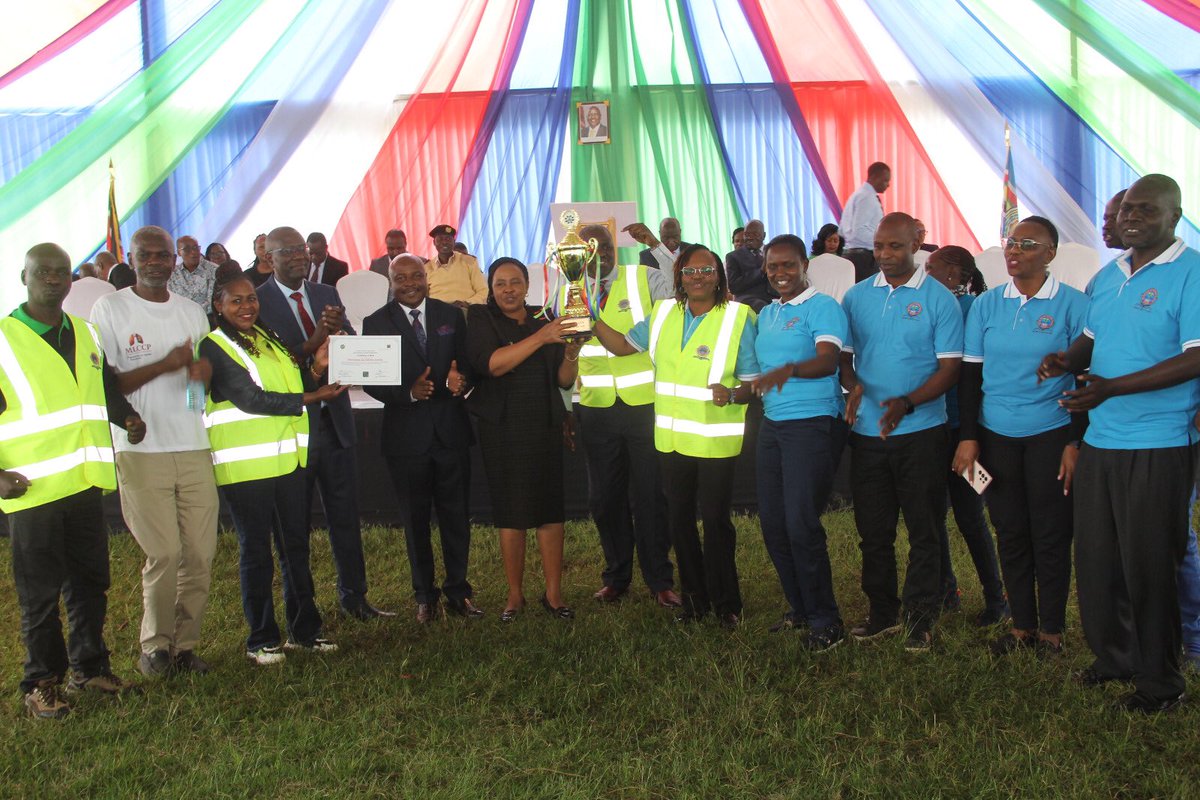
MTRH SHOWCASES ITS BRAND STRENGTH AT THE 2026 WORLD SAFETY AND HEALTH DAY CELEBRATIONS IN ELDORET CITY
Moi Teaching and Referral Hospital (MTRH) reinforced its position as a leading healthcare institution in East and Central Africa during this year’s World Safety and Health Day
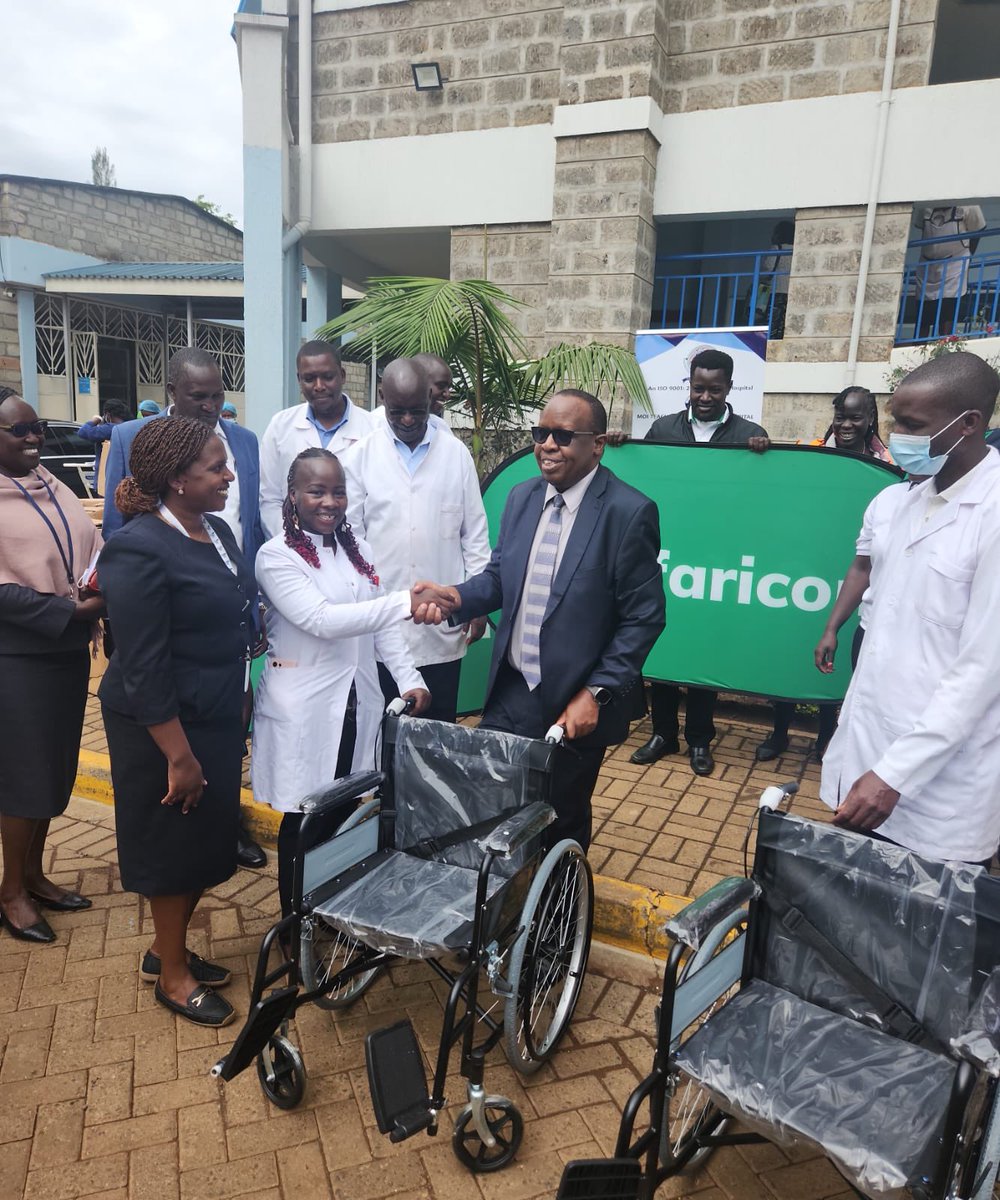
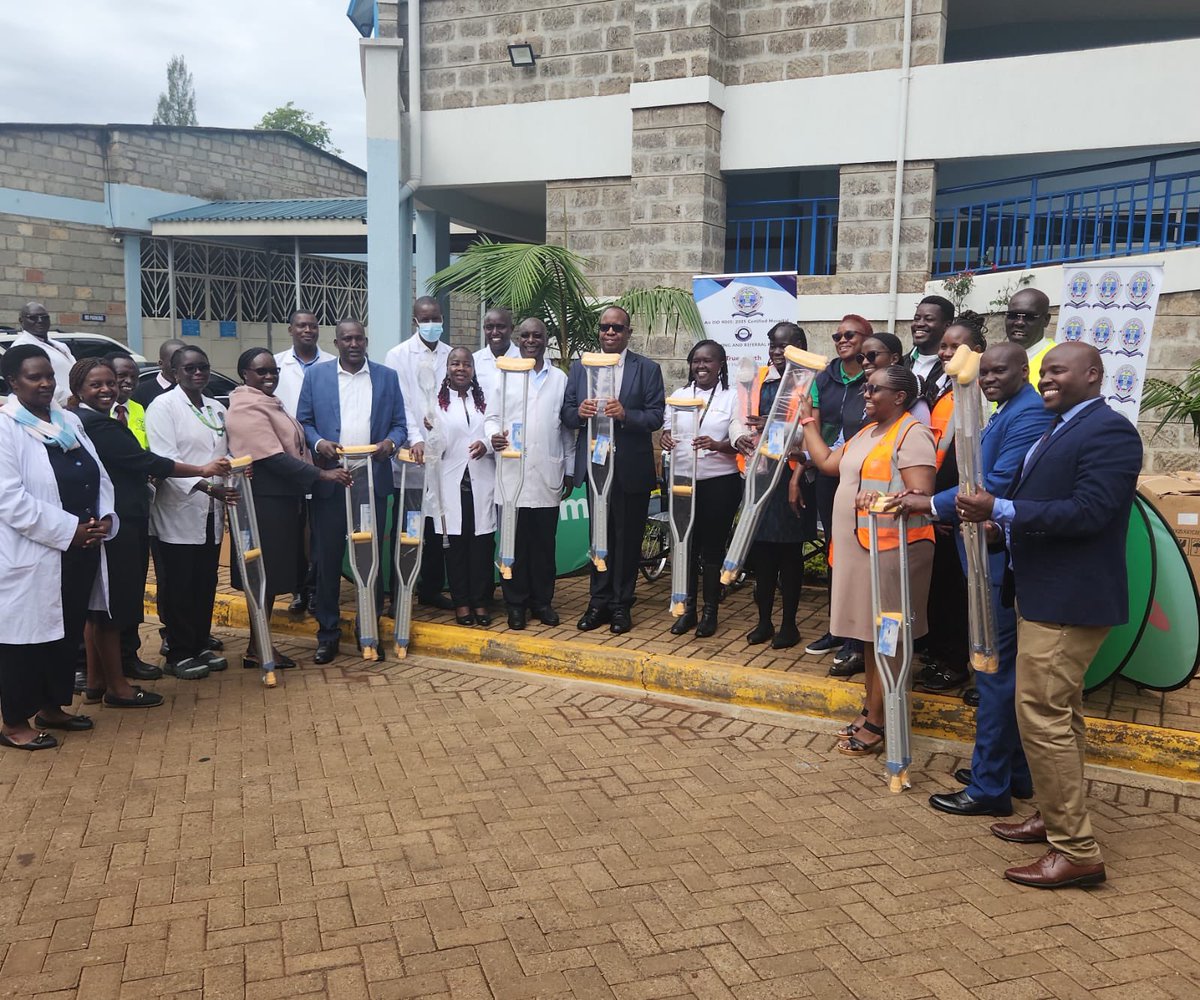
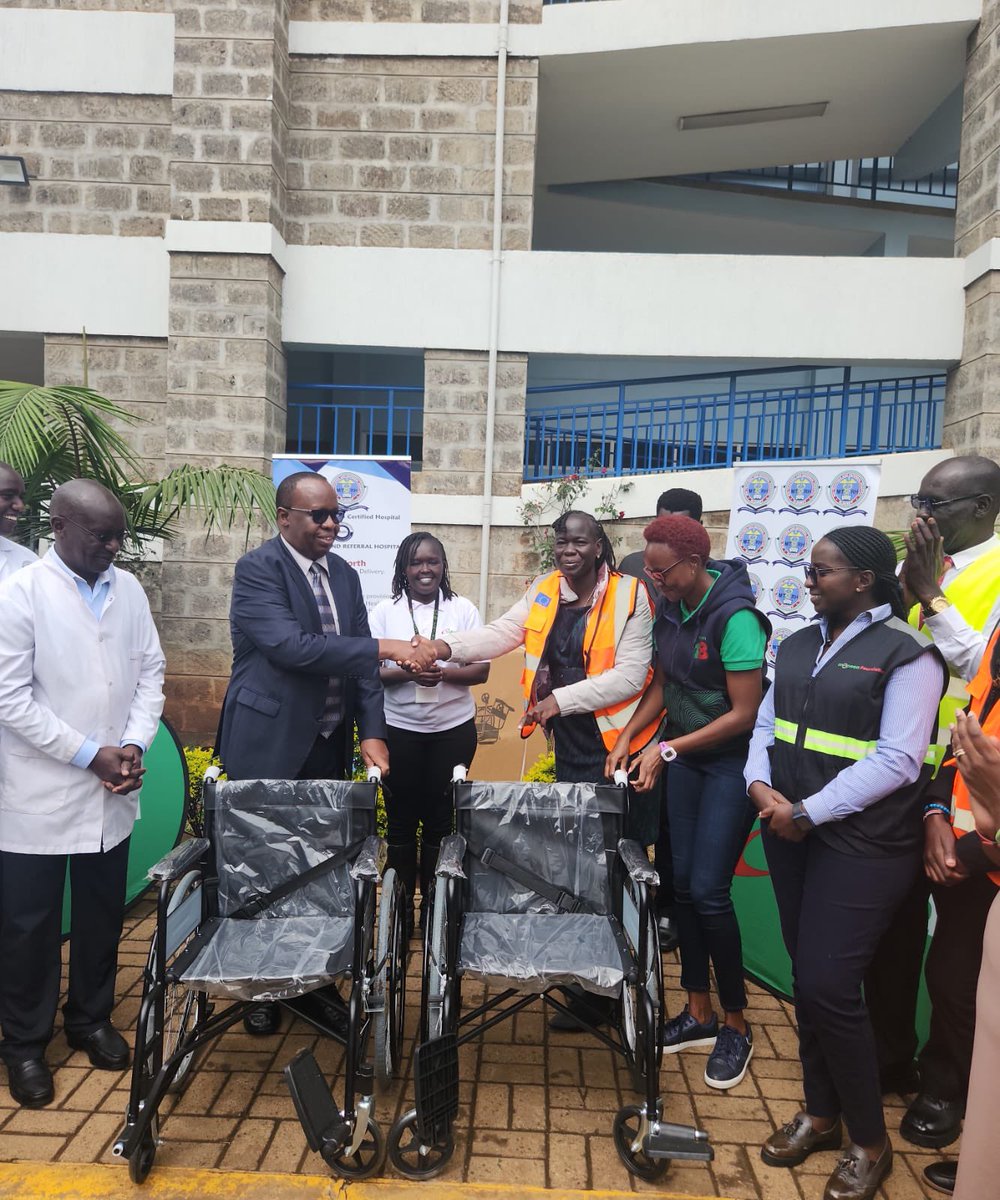
Safaricom Foundation and NTSA Donate Mobility Equipment to Enhance Patient Care at MTRH
Moi Teaching and Referral Hospital (MTRH) yesterday, April 28, 2026, received a donation of wheelchairs and crutches from @SafaricomFDN in partnership with the @ntsa_kenya
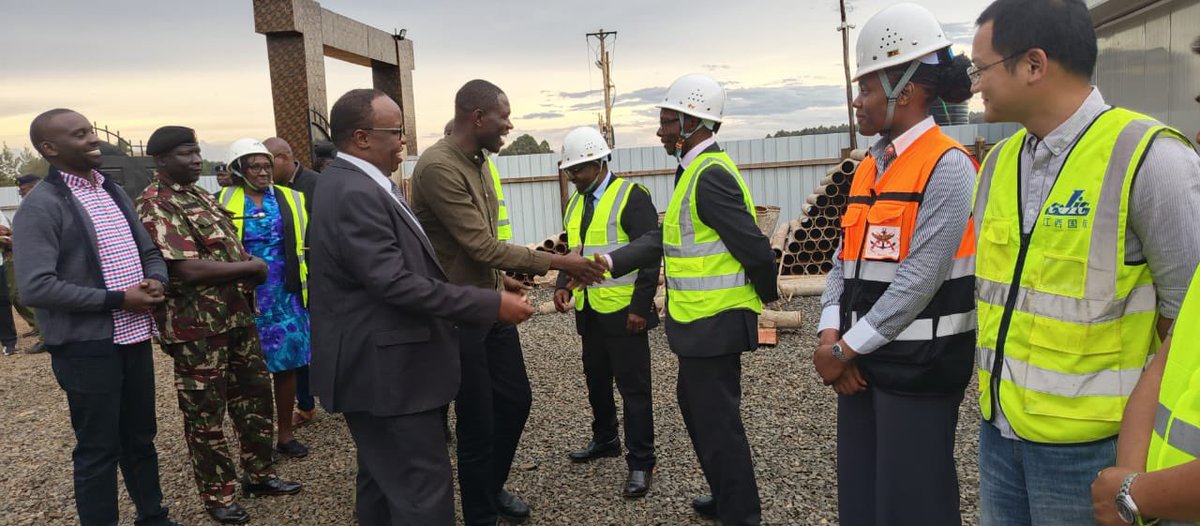
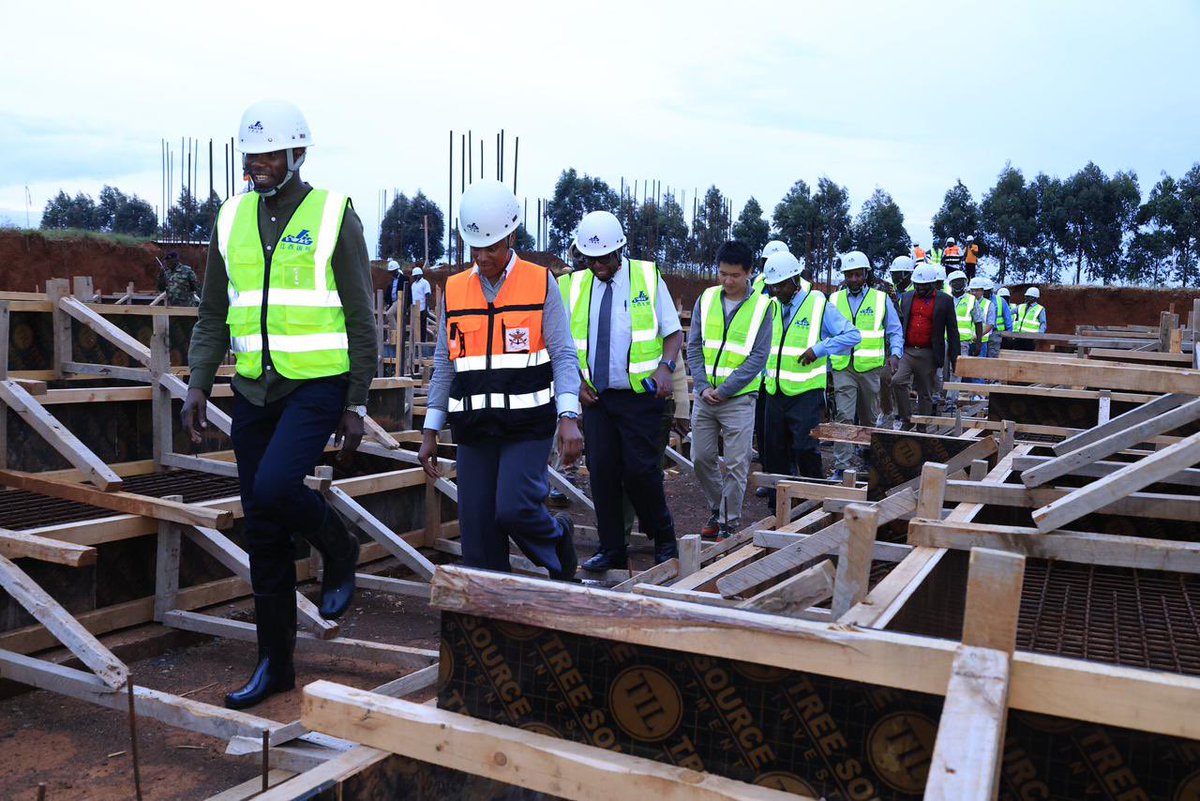
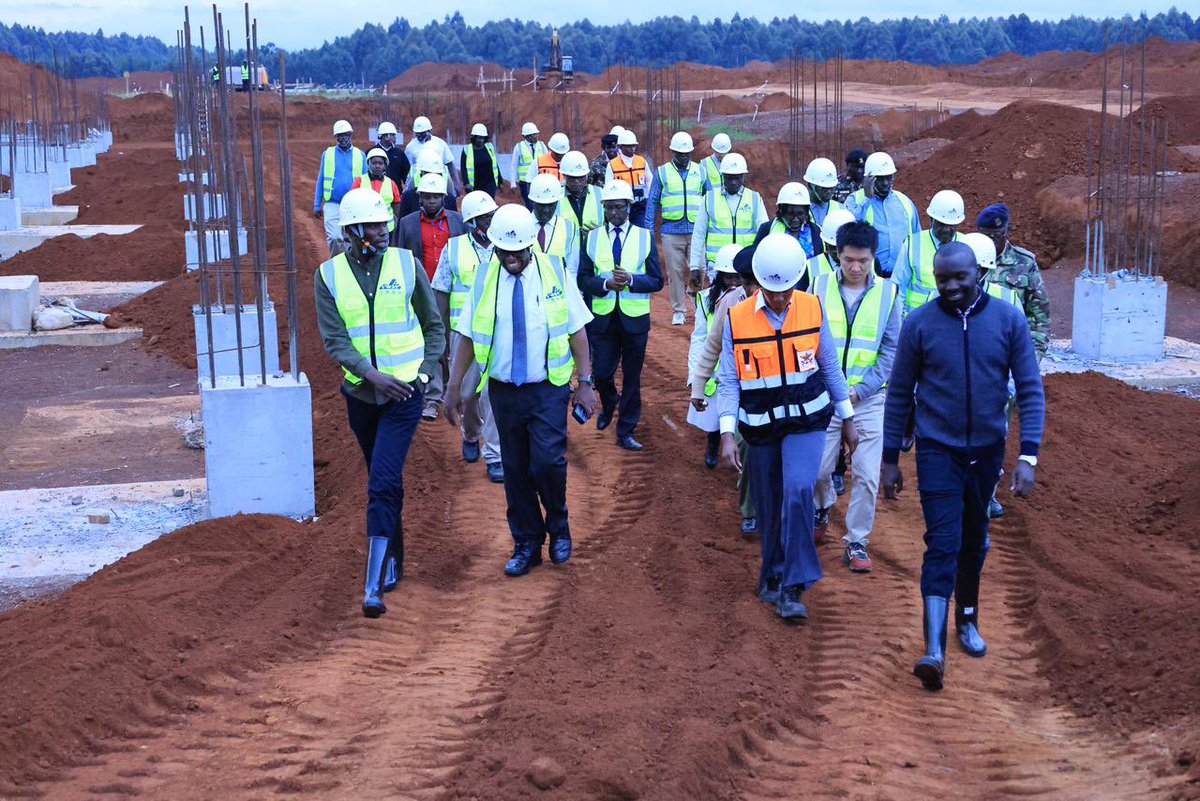
HEALTH PS DR. OUMA OLUGA VISITS MTRH NEW MULTI-SPECIALTY HOSPITAL TO REVIEW CONSTRUCTION PROGRESS
The Principal Secretary, State Department for Medical Services, Dr. Ouma Oluga, today, April 24, 2026 visited Moi Teaching and Referral Hospital (MTRH) to assess the construction
MTRH SUPPORTS REGIONALSPECIAL NEEDS CHILDREN GAMES
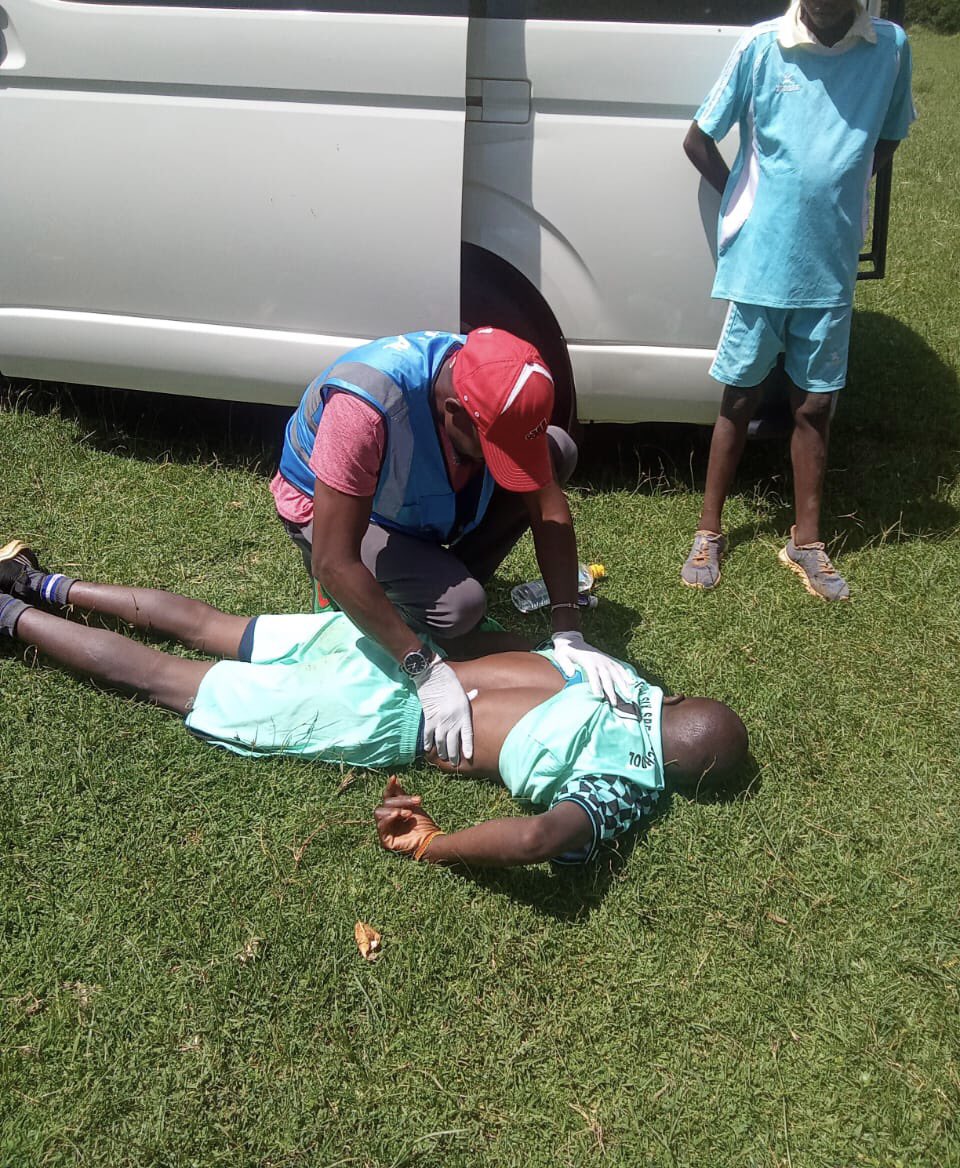
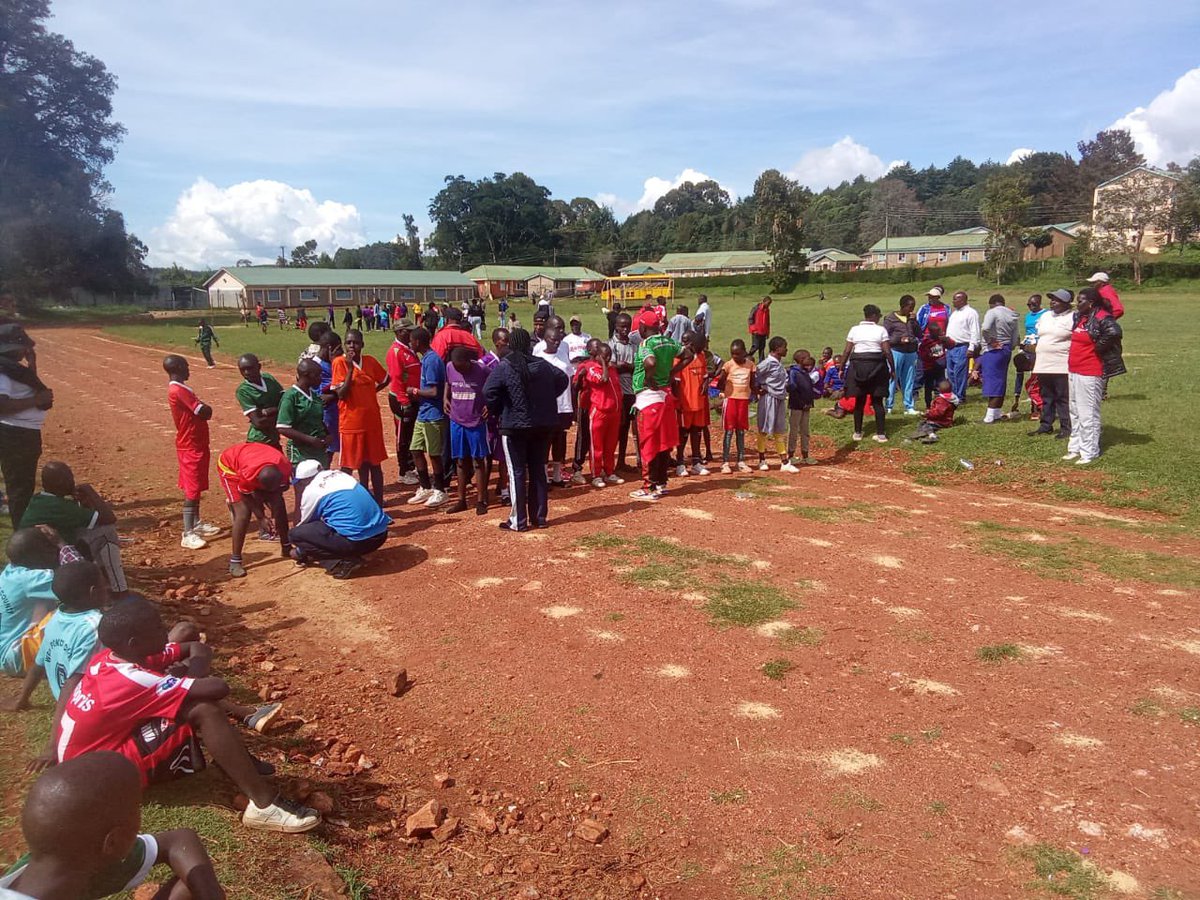
Moi Teaching and Referral Hospital (MTRH) proudly supported the Regional Special Needs Learners’ Games held this week in Iten, Elgeyo Marakwet County.
MTRH Launches Multiple Myeloma Association
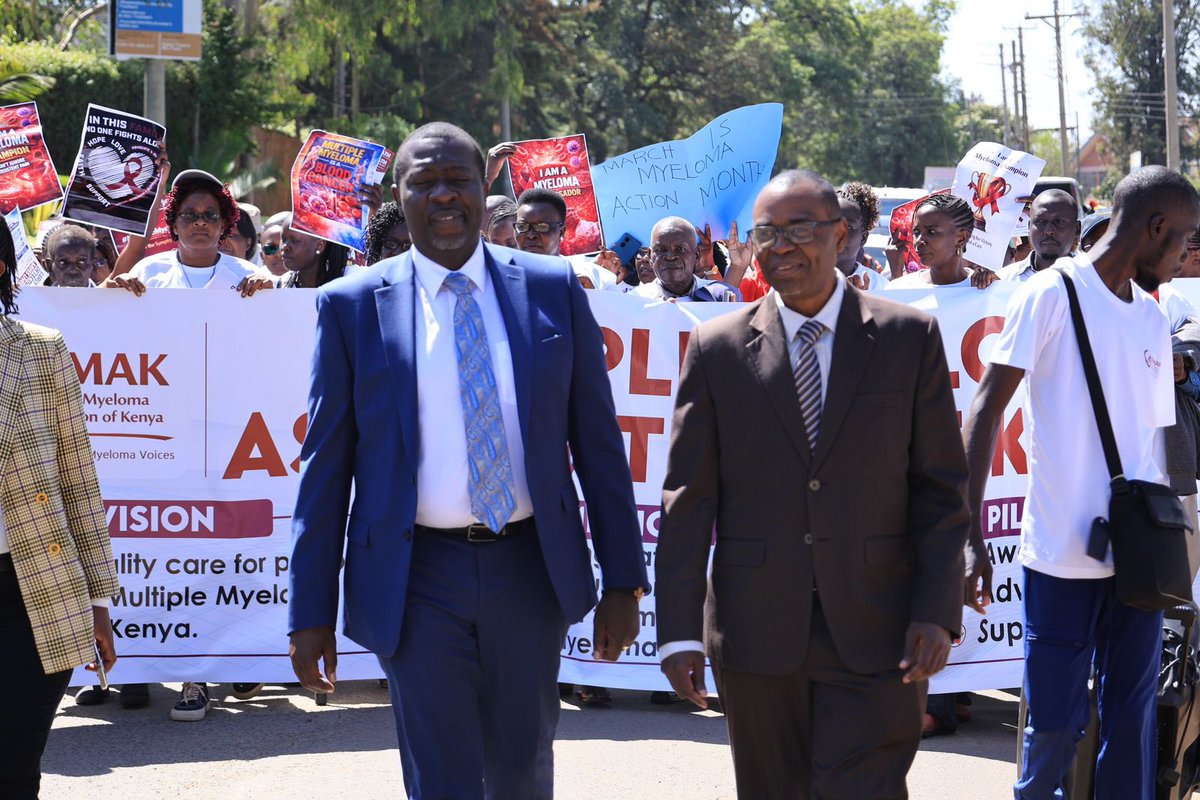
Moi Teaching and Referral Hospital (MTRH) has launched the Multiple Myeloma Association, marking a historic milestone as the first patient-centered myeloma association in Kenya. The initiative signals a new era in awareness,
Every day, countless individuals and families face the life-changing reality of a Multiple Myeloma diagnosis—often in silence, with little information and even less support. But that is about to change.