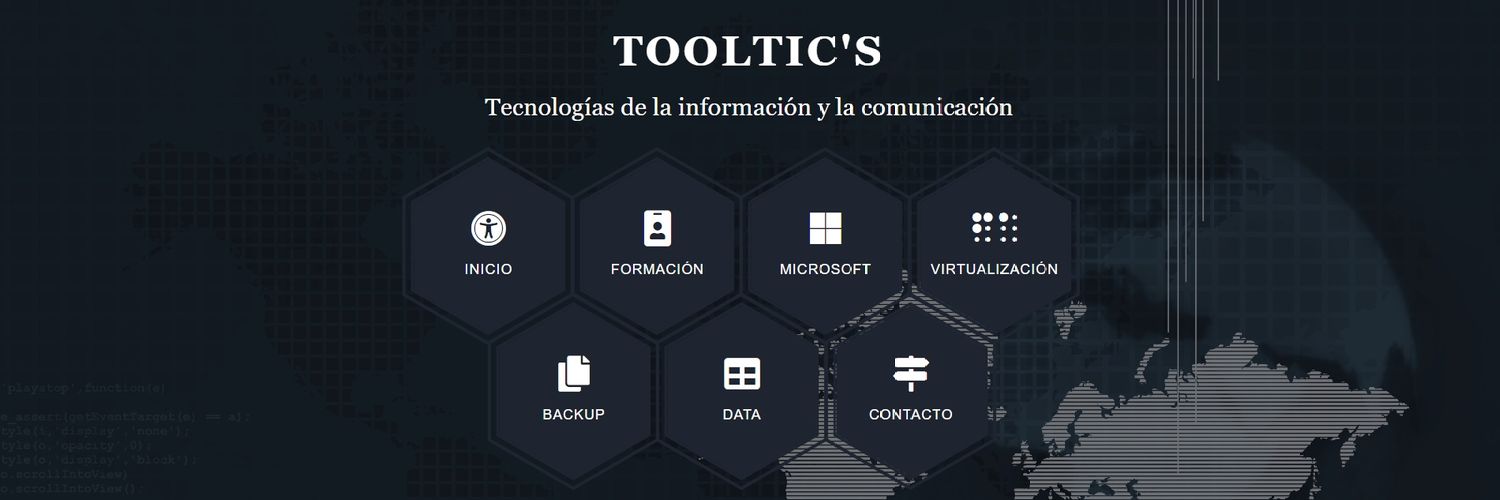
¡Seguimos mejorando la web!
Aún nos queda mucho por hacer y el tiempo de dedicación está siendo limitado, pero poco a poco iremos creciendo.
¡Pásate y échanos un vistazo!
https://t.co/hOUePuo1uI
#Tooltics#TIC#Gracias
Conoce el proceso de convertir una estructura #JSON anidada en una estructura más plana o tabular, donde los objetos anidados se descomponen en columnas en lugar de mantener su estructura jerárquica.
https://t.co/MAMG5MjPaX
#pySpark#Programming#DataAnalytics
Grok AI (beta) is now rolled out to all 𝕏 Premium+ subscribers in the US.
There will be many issues at first, but expect rapid improvement almost every day. Your feedback is much appreciated.
Will expand to all English language users in about a week or so. Japanese is next priority (2nd biggest user base) and then hopefully all languages by early 2024.
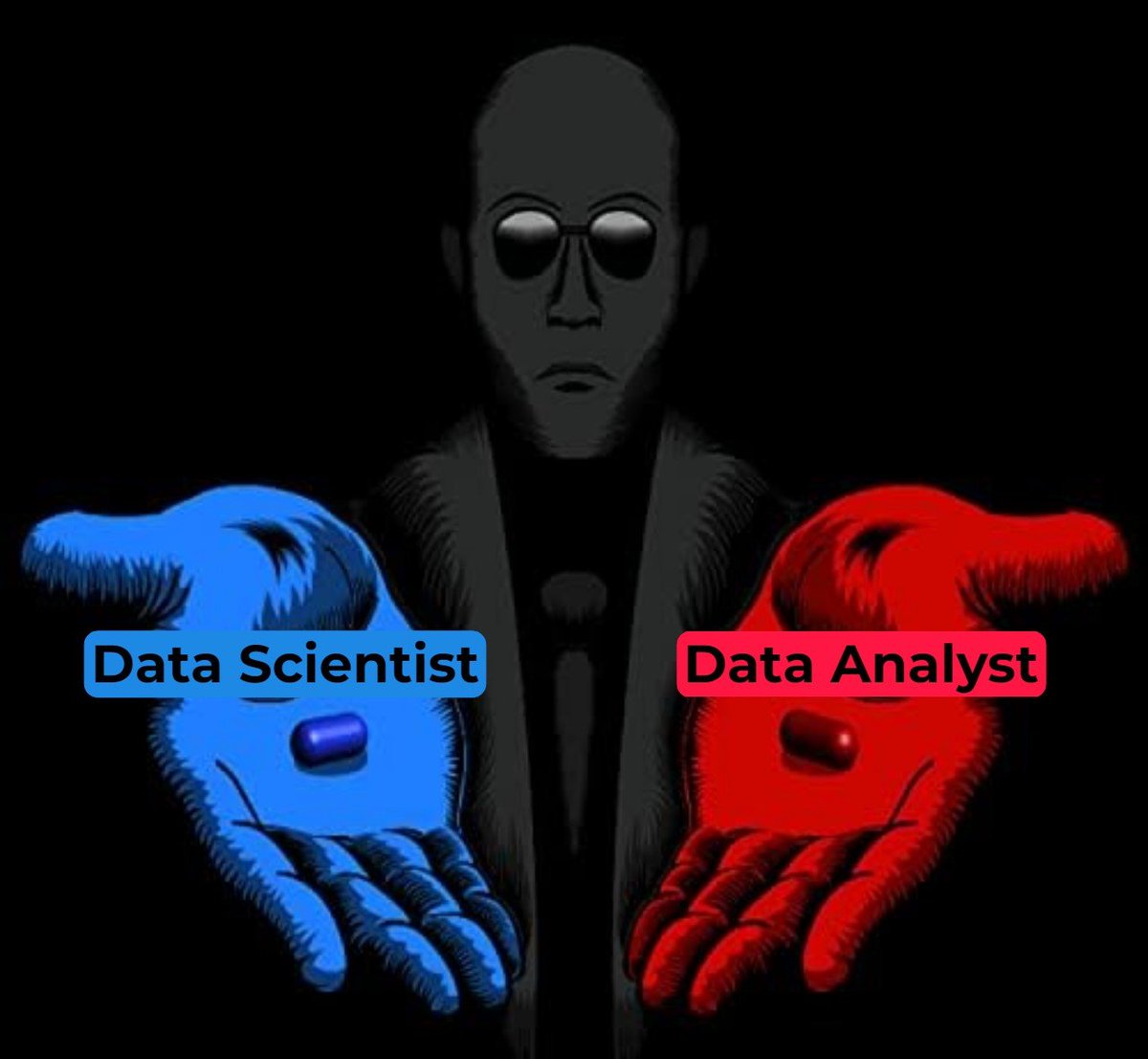
Data Analyst vs Data Scientist: What’s the difference and how to choose one?
If you’re interested in working with data, you might be wondering what the difference is between a data analyst and a data scientist, and which one is right for you.
Here’s a quick overview of the two roles and some tips on how to decide.
👉 A data analyst works with structured data to solve tangible business problems using tools like SQL, R or Python, data visualization software, and statistical analysis.
They help the organization uncover new insights that can guide future business decisions.
👉The role of a data analyst is often defined.
This means the scope of a data analyst role is well understood and one can easily say whether a task is suitable for a data analyst
👉 A data scientist collects, analyzes, and interprets complex data to create predictive models and data-driven decisions using frameworks and algorithms.
They often deal with the unknown by using more advanced data techniques to make predictions about the future.
👉More often the role of a data scientist is not very well defined.
Apart from the major capabilities mentioned above, the tasks and roles change from company to company.
👉 Both roles require a strong foundation in mathematics, statistics, and programming, but data scientists typically have a higher level of experience than data analysts.
Data scientists also need to have more creativity and innovation skills to design new solutions.
👉 To choose between the two roles, you should consider your interests, goals, skills, and personality.
Do you prefer working with existing data or creating new data?
Do you enjoy finding answers or asking questions?
Do you like following rules or breaking them?
👉 You should also research the market demand, salary, and career prospects for each role.
According to the World Economic Forum Future of Jobs Report 2023 1, both data analysts and data scientists are among the most in-demand, high-paying jobs in the world.
👉 If you’re just starting out in your data career, you might want to begin as a data analyst and then transition to a data scientist later on.
You can also take online courses or earn professional certificates to build your skills and portfolio.
👉 Ultimately, the best way to find out which role suits you better is to try them out.
You can look for internships, freelance projects, or volunteer opportunities that involve working with data.
You can also network with other data professionals and ask them for advice.
--
That’s all for now!
- Smash the LIKE button and REPOST
- BOOKMARK because you’ll definitely want to revisit this again
- Follow me for more posts like this
Learn how Microsoft Purview can help you:
✅ Govern data across clouds and platforms
✅ Identify, manage, and reduce insider risk
✅ Safeguard data and prevent exfiltration
Get the e-book: https://t.co/ZHoN82xE6k #MicrosoftPurview