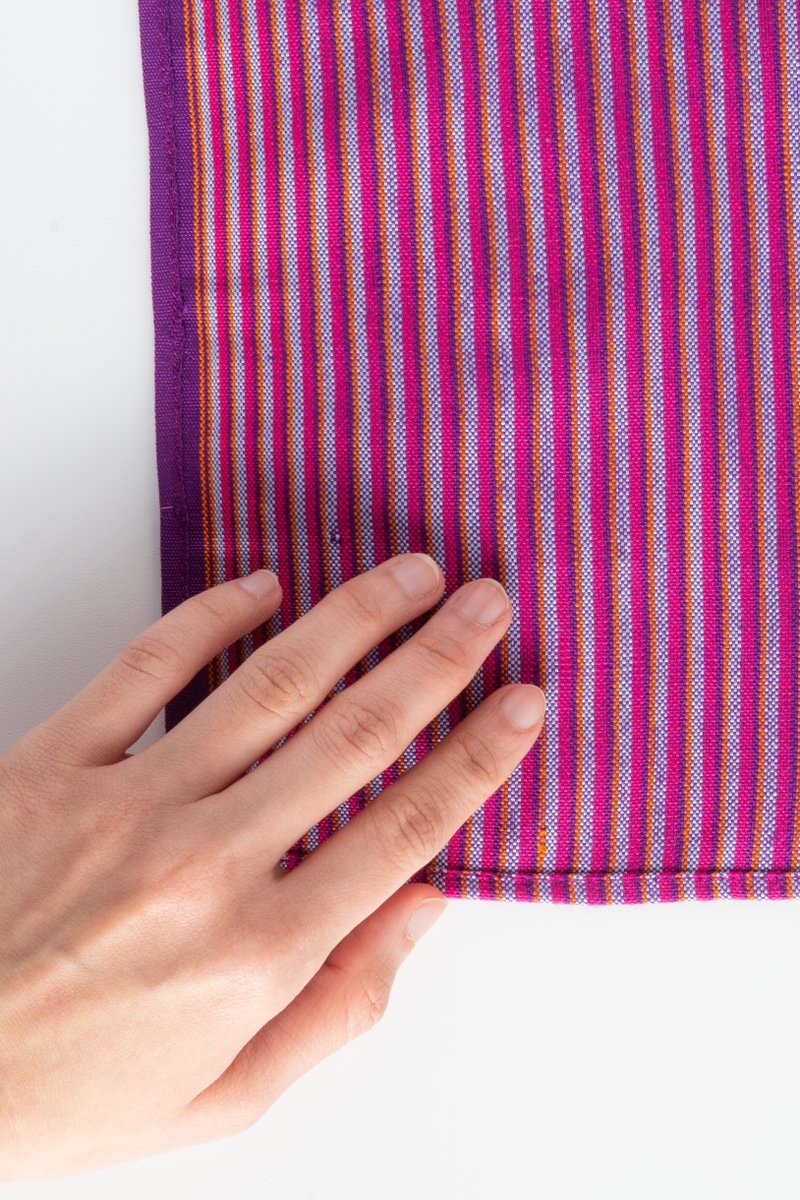
Looking for a stylish and sustainable way to enhance the display of your dining table? Look no further than our handwoven Placemats, featuring intricate designs and made from eco-friendly materials.
Shop now and discover the beauty of Indonesian weaving traditions.
Make every meal a special occasion with our beautiful Toraja tenun motif napkins.
Visit our website or contact us through Whatsapp to shop our collection of handwoven textiles and discover the beauty of Indonesian handwoven textiles.
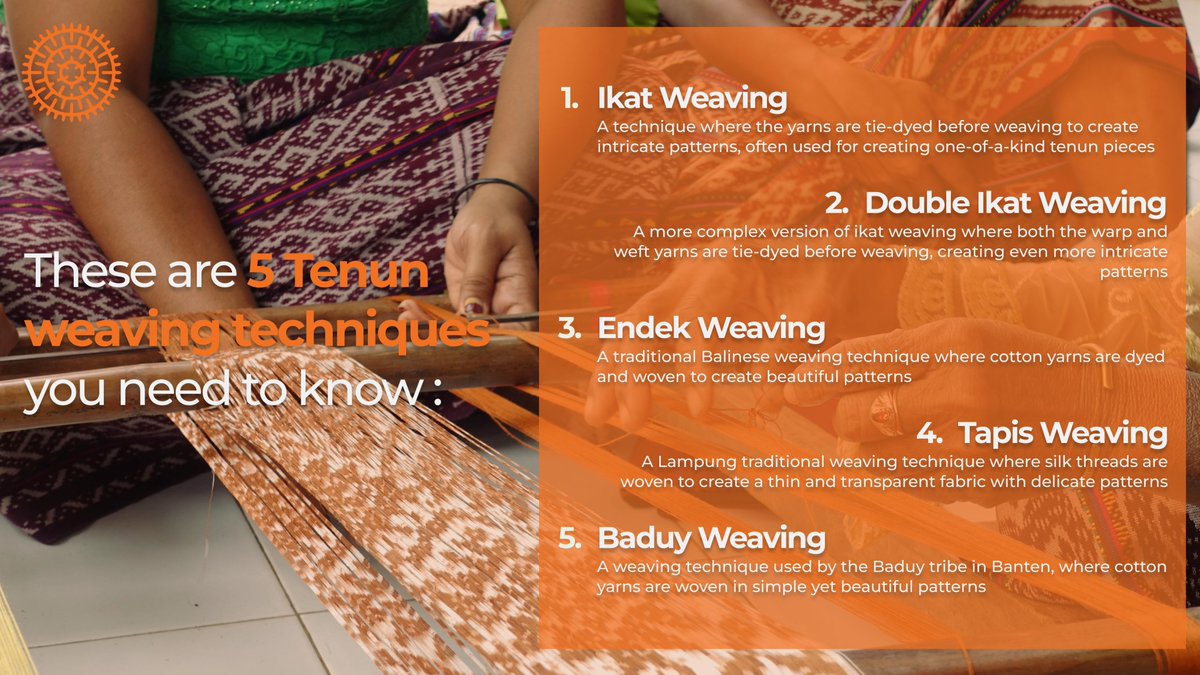
Have you ever wondered how Indonesian artisans create those stunning tenun textiles? These are 5 Tenun weaving technique you need to know.
Share this post with your friends and family, and help spread the word about this incredible craft.
In collaboration with @thesayan_house, we created these artisanal menu covers which we hope complements the discerning flavors that The Sayan House offers. They choose the Ma'tapa tenun for the menu book cover as simplicity of this tenun resonated with their brand.
Join us at Sarinah Duty Free between 19 - 29 January and engage with our partner.
We are looking forward to see you there and let's weave stories of Indonesia together.
Additionally, they use bright colors such as red, white, orange, and yellow for enhancement.
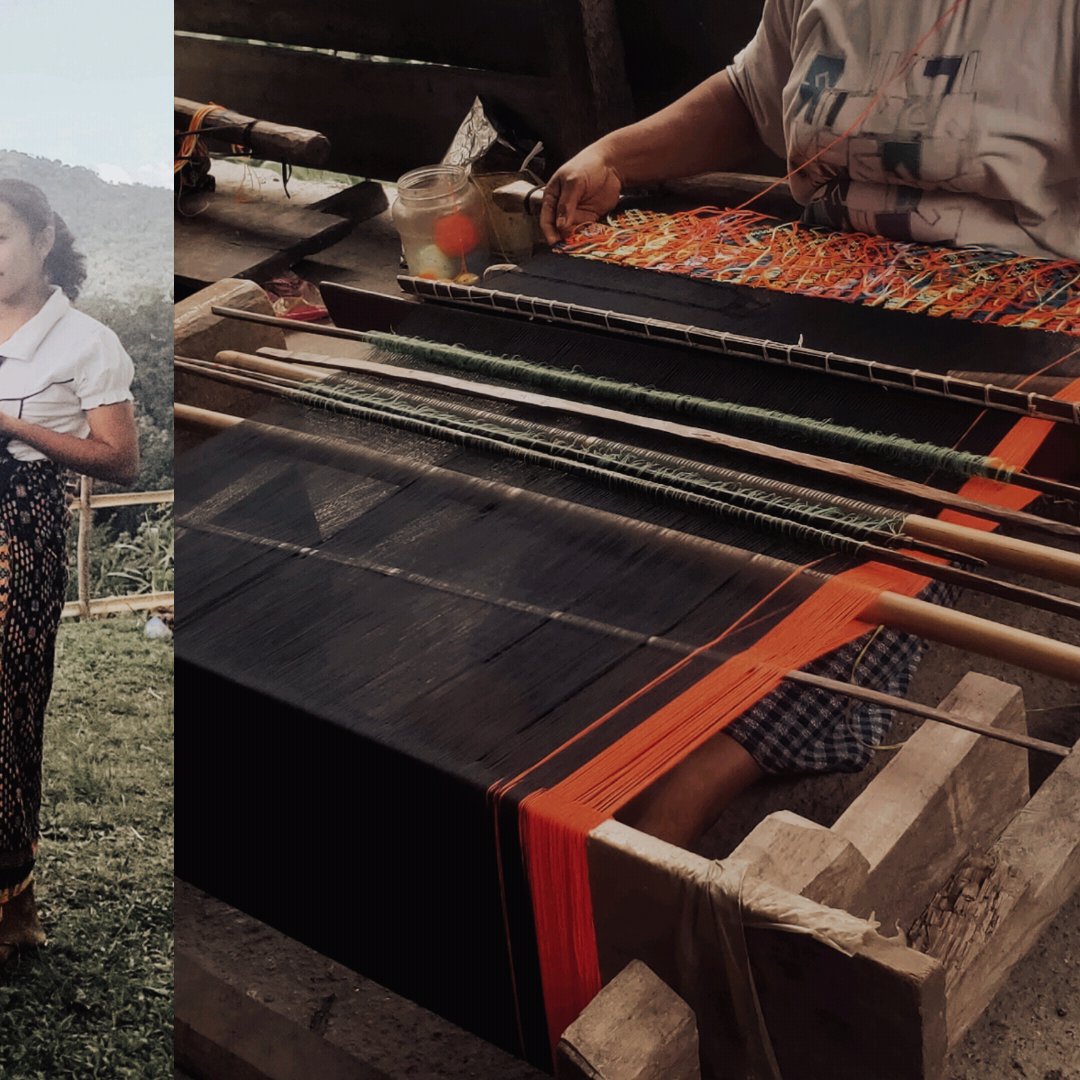
Our weaver partners from Manggarai will show you how they weave beautiful pieces via their backstrap loom and we are confident that you will be amazed.
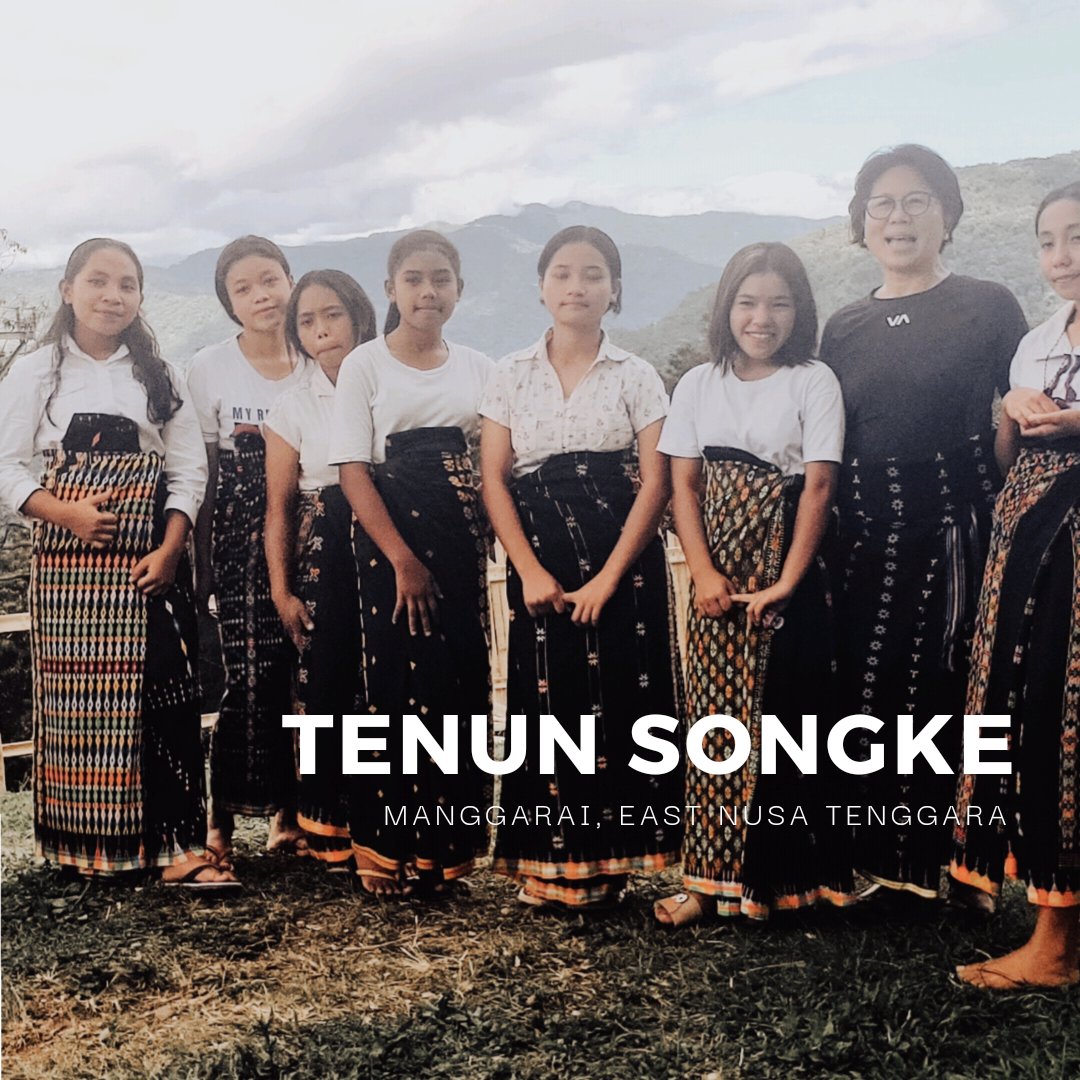
The weavers of Manggarai, specifically those from Cibal, are known for their weaving technique called Songke. The weaving that they create uses the color black as a base to represent the greatness of Mori Kraeng, which means God in the native Manggarai dialect.
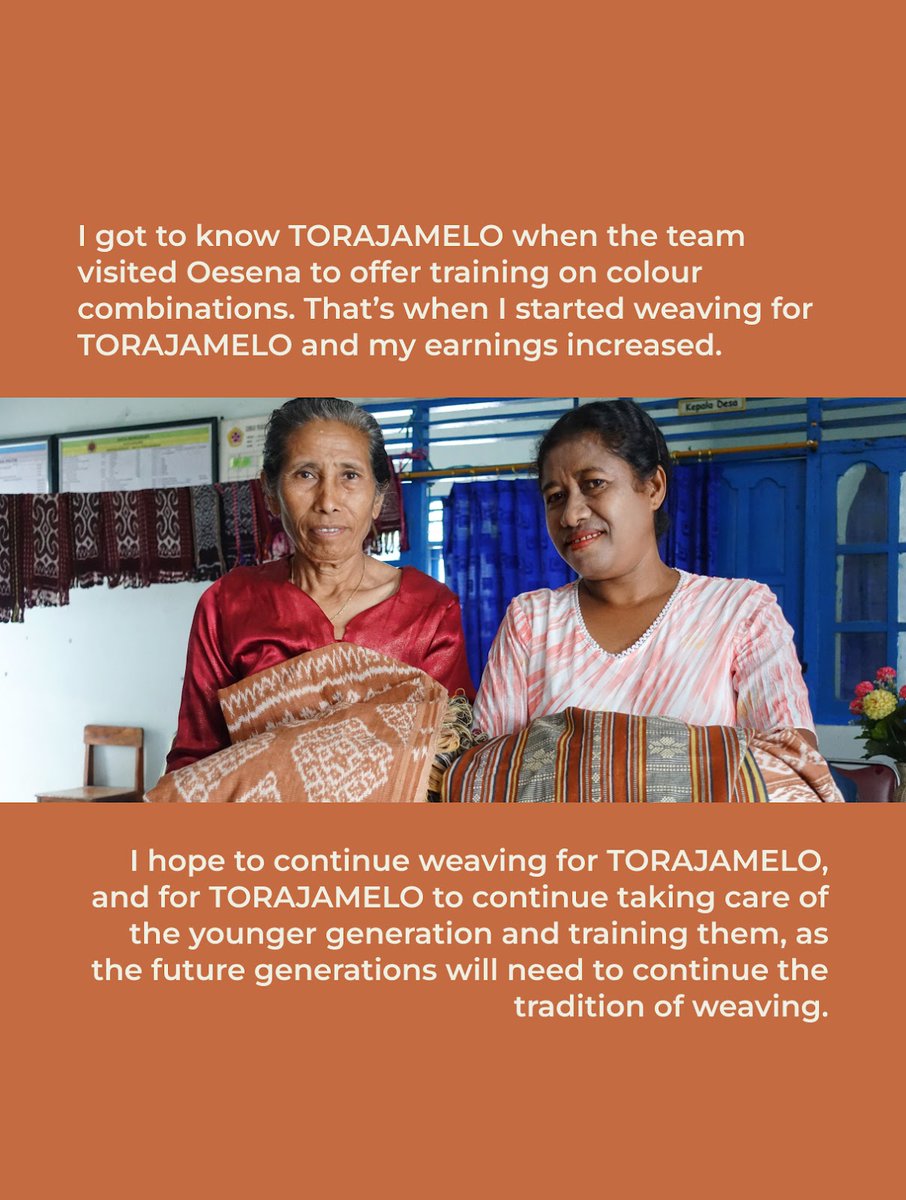
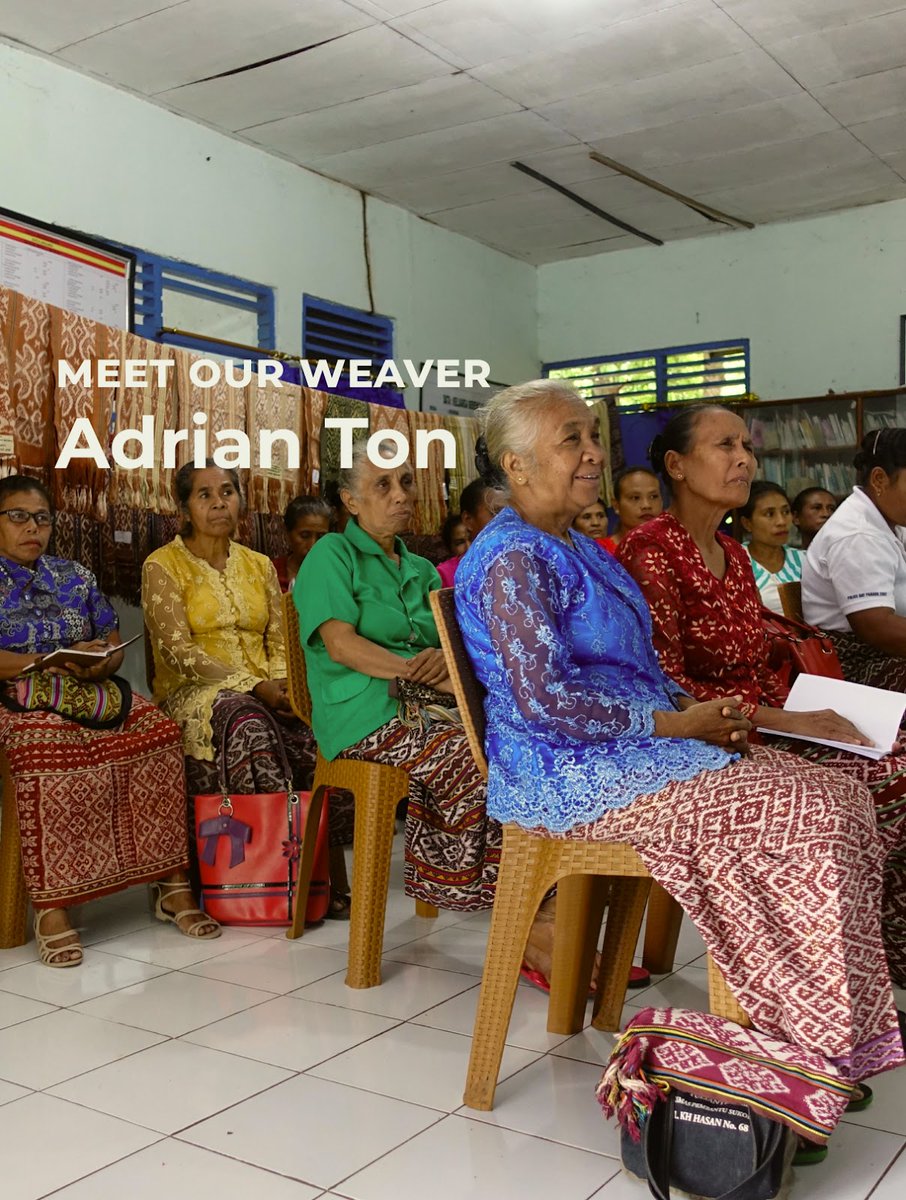
We’re excited to introduce Semilia Boimau from Oesena, Kupang, NTT.
Semilia is a 43 year old weaver who is skilled in weaving Tenun Ikat Amarasi motifs, she hopes that the tradition of tenun in Oesena is sustained, improved, and provided more support in the future.
TORAJAMELO team members are doing their best to eliminate plastic waste by having vegan bento lunch, using plates made from pelepah and eco friendly cutlery sets.
Carbon footprint stands for carbon and footprint, carbon is the harmful gases such as carbon dioxide (CO2) and methane (CH4) and nitrous oxide (N20), and many fluorinated gases, the footprint is the mark that we leave upon the environment.
All changed in mid 19th century when the invention of synthetic dye. Dyed garments became more affordable and today almost every garment has been dyed with synthetic dyes.
The dyes that were used for garments were proportionate to the weather or importance of the people, dyed garments were expensive and a matter of exclusivity across the whole ancient world.