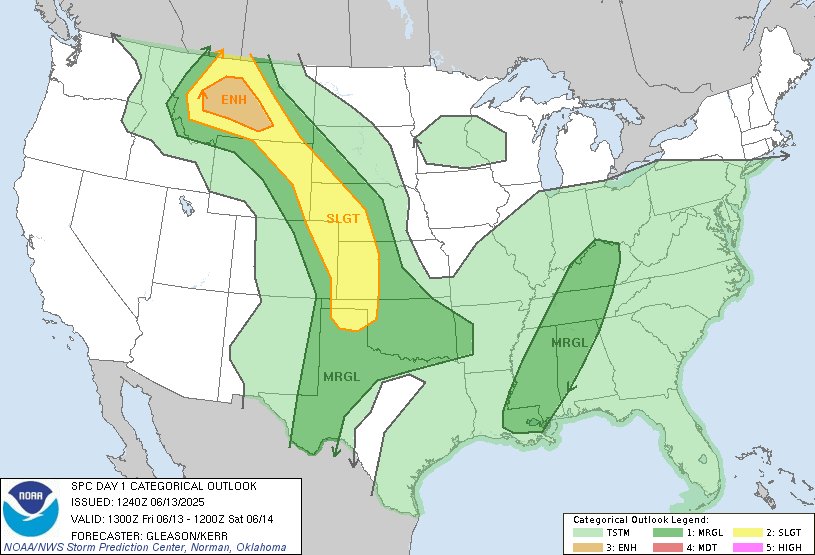
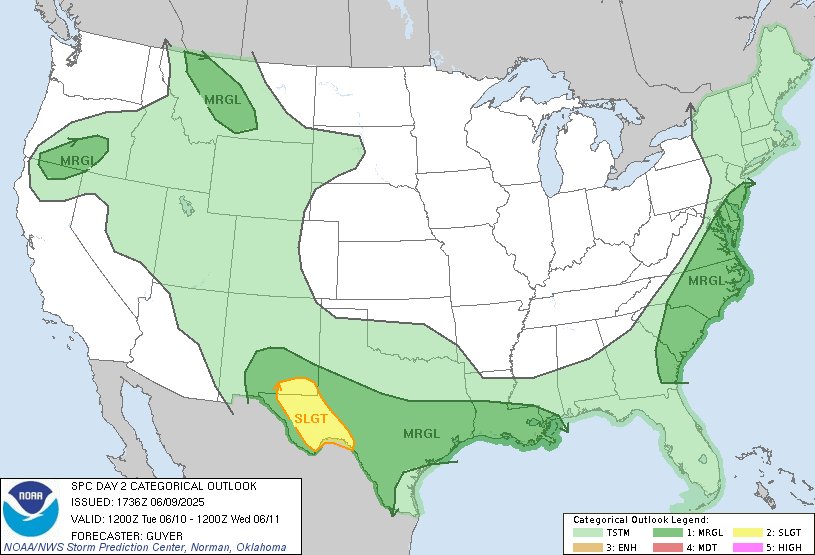
This contest is being used as an opportunity for weather professionals, researchers, students, and enthusiasts to improve forecasting techniques of these phenomena in a competitive and educational environment.
It is solely a qualitative and objective way to better technique.
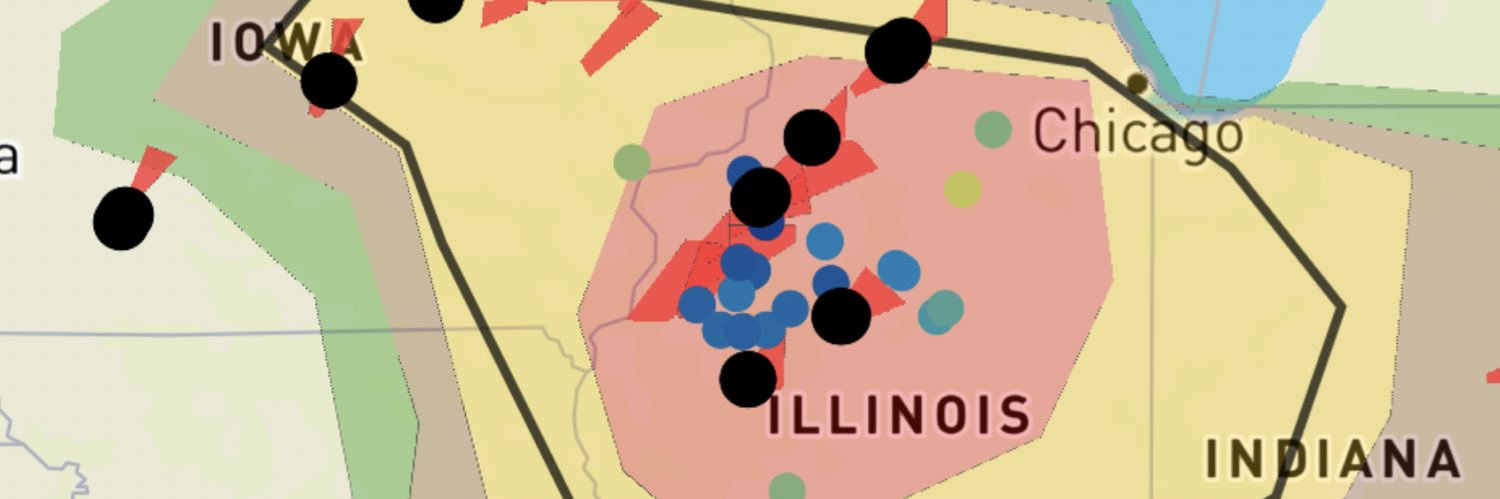
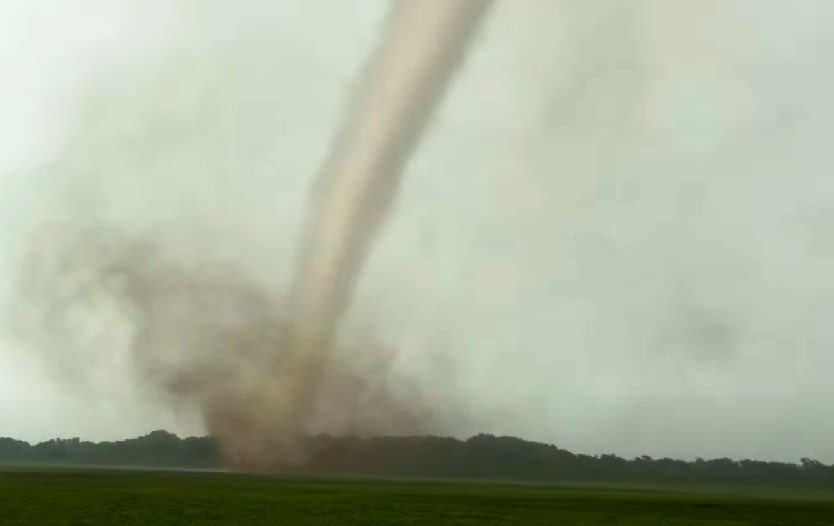
So it seems we had a tri-state tornado yesterday morning...but it occurred from perhaps the shortest path-length possible. An EF-1 tornado started in Lee County, Iowa, crossed into Clark County, Missouri, and ended in Hancock County, Illinois...for a path of just 1.34 miles.
Wild video shows a large amount of hail filling up a FOX 9 viewer's driveway during Monday's severe storms!
Minnesota is seeing its first hit of severe weather tonight, with egg-sized hail reported in Faribault and ping pong-sized hail in Cannon Falls. Please prioritize your safety and only capture visuals from a secure location!
(Video via Julie)
Registration is open for TTC26!
We have a few new things this year that you’ll see on the new site!
We have a sign in feature now for forecasting and once you register, you’re good in perpetuity.
It’s all on the page and if you have any questions, lmk!
https://t.co/BnXDZqliNY
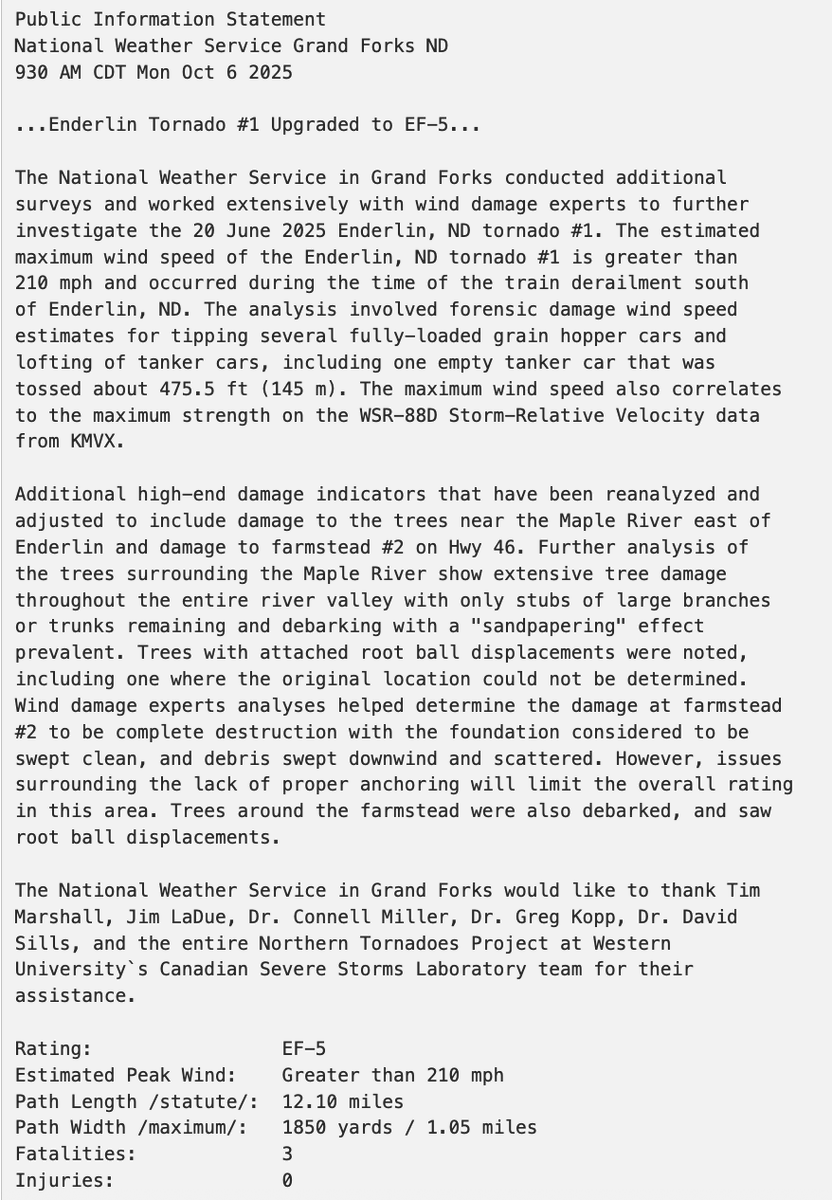
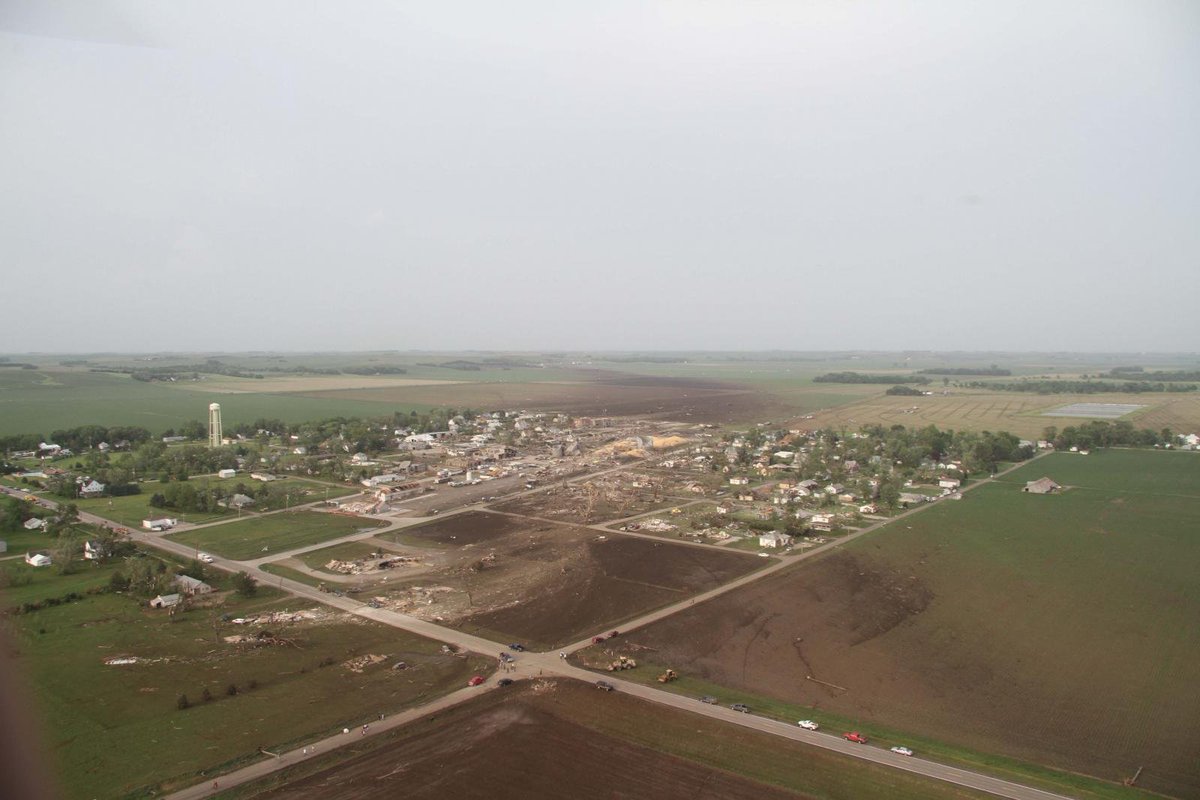
It appears the Enderlin, ND, tornado on June 20, 2025, has been upgraded to an EF-5, the first in the US since the Moore, OK, tornado of May 20, 2013. The reasons for the upgrade include the train derailment south of Enderlin and trees that were debarked with a "sandpapering effect."
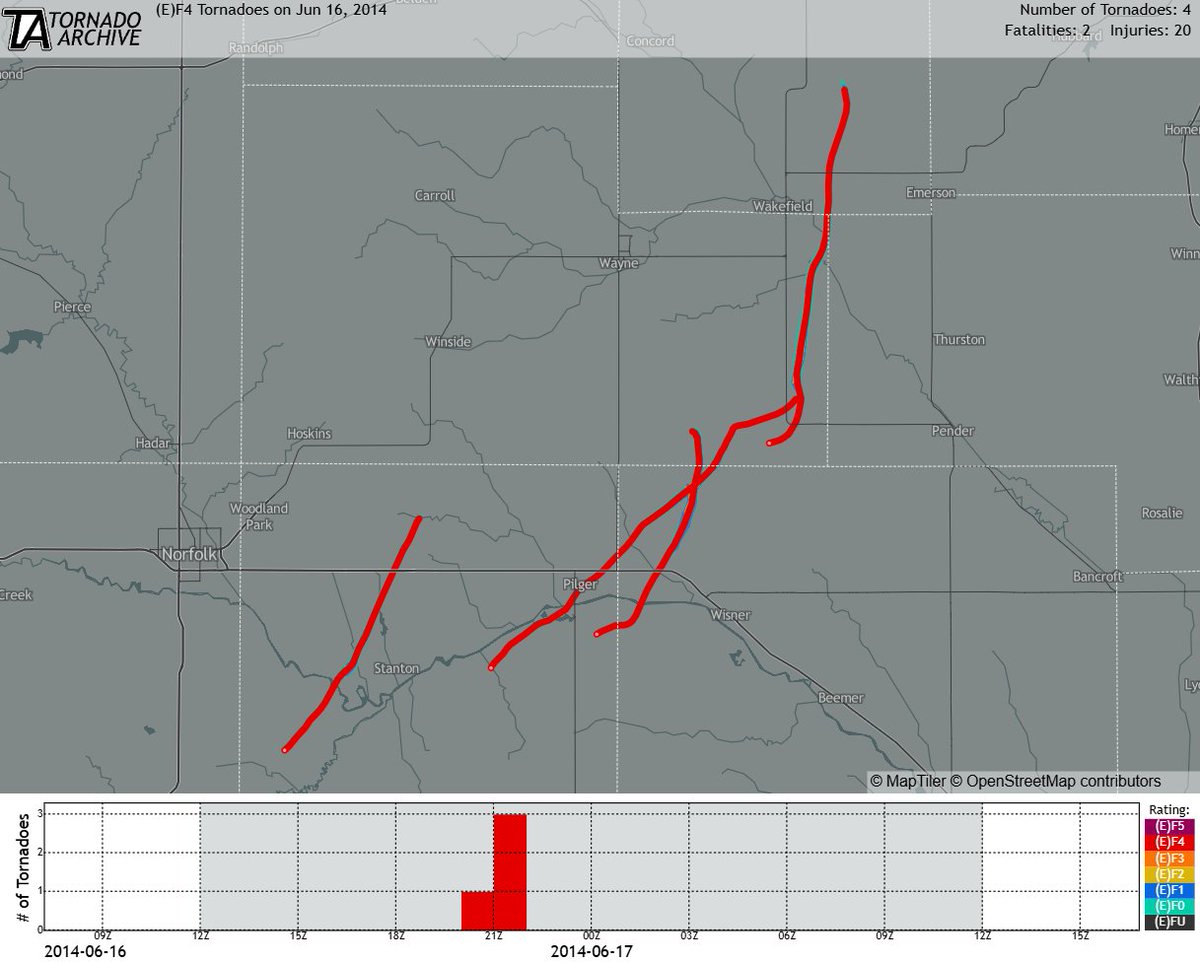
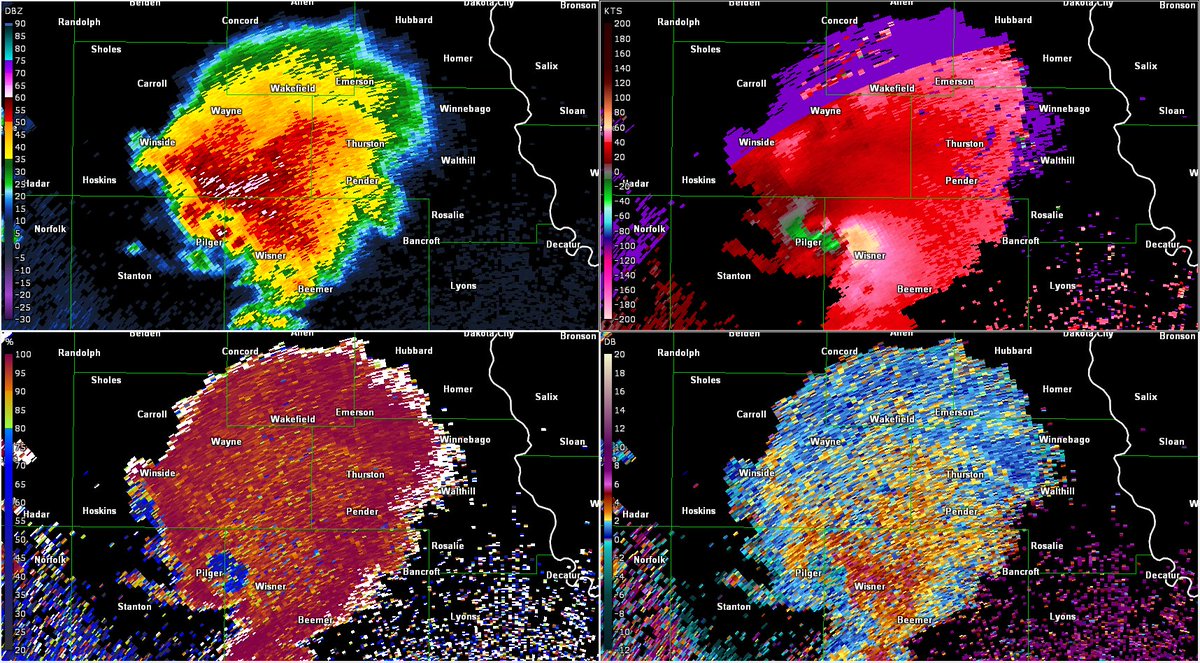
June 16, 2014:
One of the 2010s' most unique tornadic events saw a cyclic cell spawn four EF4s in northeast Nebraska. For much of the storm's life, two violent wedges were on the ground at the same time. Pilger took a devastating direct hit. Two people were killed.
#wxhistory
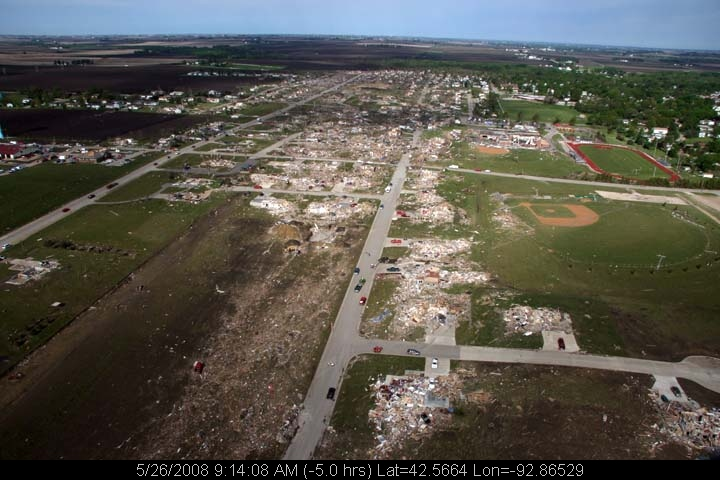
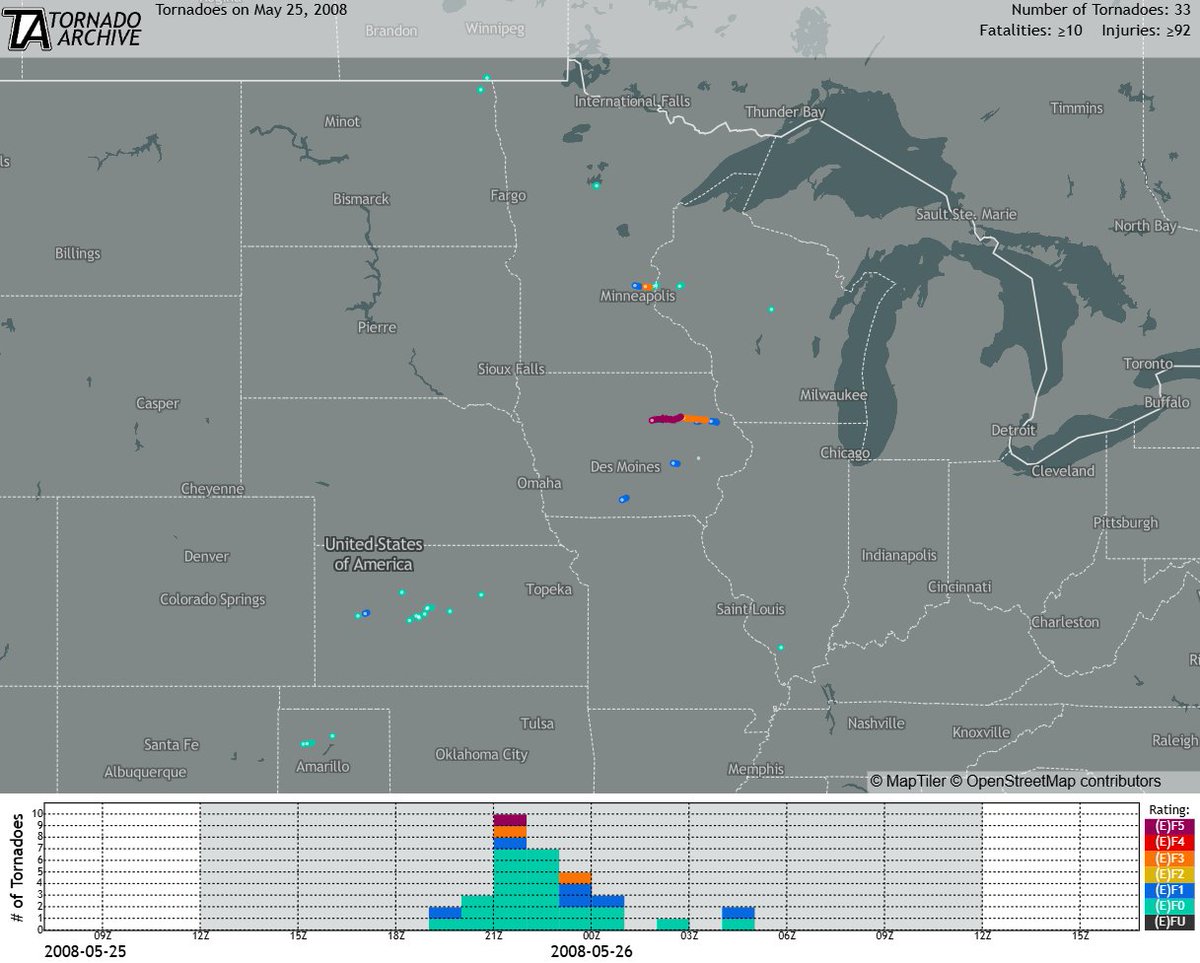
May 25, 2008:
A major outbreak of 32 tornadoes struck the Central US. Three tornadoes were significant (EF2+), the strongest of which was an extremely violent EF5 that devastated parts of Parkersburg and New Hartford, Iowa. Ten people were killed and 92 were injured.
#wxhistory
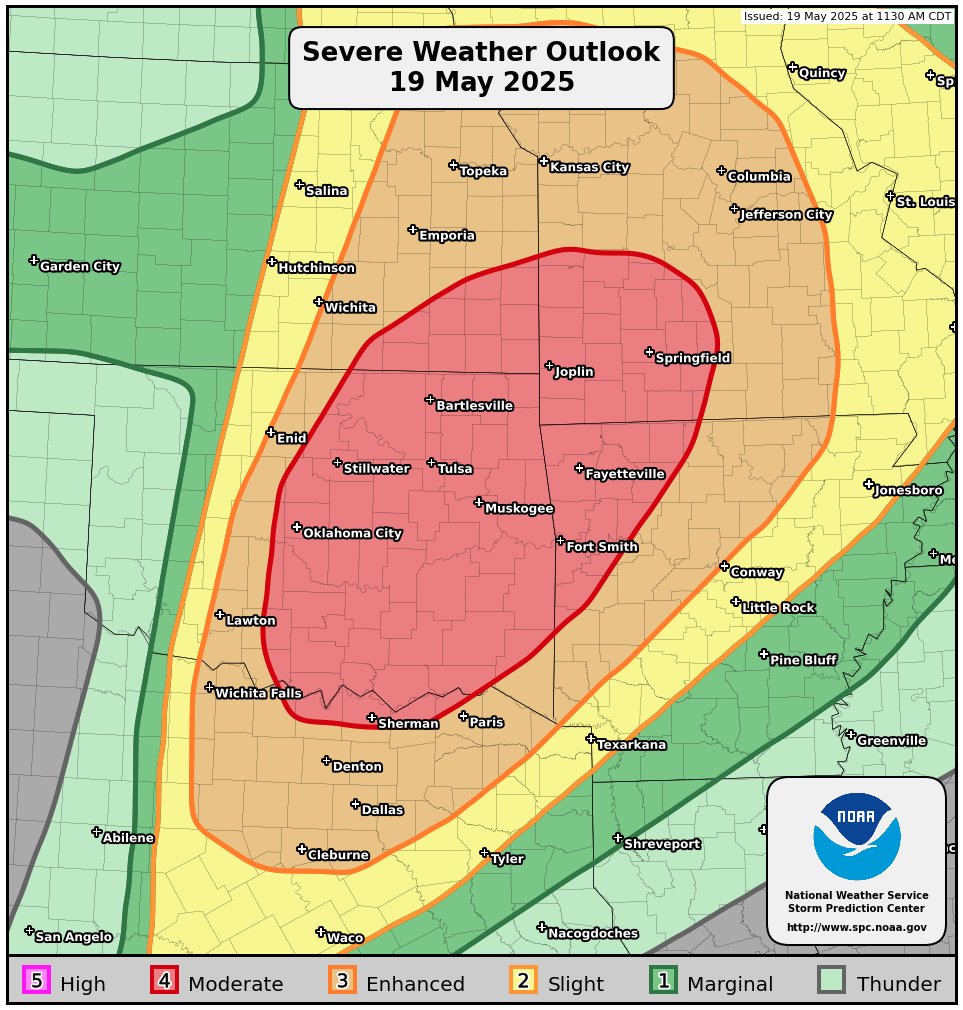
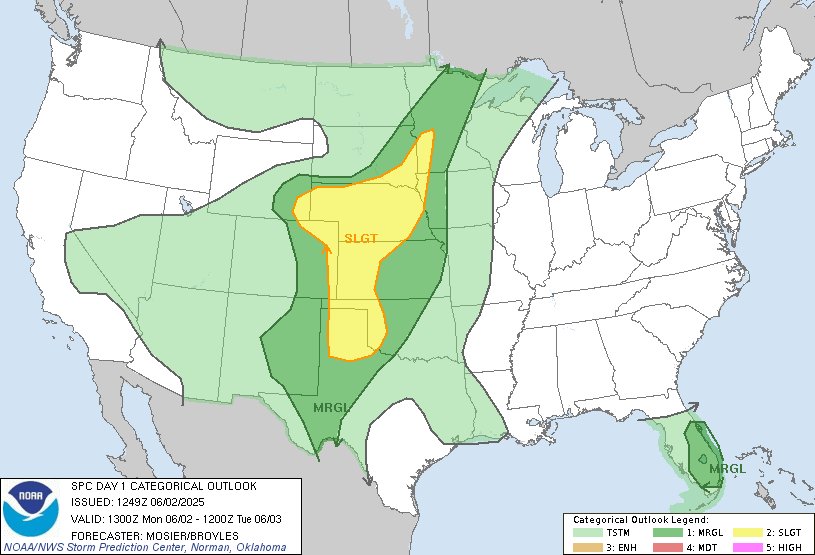
7:53am CDT #SPC Day1 Outlook Moderate Risk: far north Texas, much of central and eastern Oklahoma, southeast Kansas, and the Ozarks https://t.co/TgJgC6cj9Y