Creating fake, AI-generated images of Auschwitz and other camps is a dangerous act of distortion. Social platforms - especially Facebook - are directly responsible for enabling and amplifying their spread. This matters because such content does not merely falsify history; it actively harasses the memory of the victims.
Photography has always carried an implicit social contract: when we look at a photograph, we trust that a photographer stood in a real place, at a real moment, and preserved a fragment of reality. This trust is foundational to historical documentation. Camp photographs from Auschwitz are not illustrations; they are evidence.
AI-generated images break this contract while imitating its appearance. They are not photographs, yet they are presented in visual language that mimics documentary photography, deliberately exploiting the viewer’s learned trust in photographic images.
Today, when users search for “Auschwitz” on Facebook, an increasing number of results consist of fabricated, AI-generated images and misleading posts rather than authentic historical documentation. By allowing these distortions to surface, circulate, and gain visibility, Facebook directly contributes to the erosion of factual understanding of the complex history of Auschwitz, which we try to protect.
That is why we believe that the platforms should take the responsibility by actively moderating such content and clearly flagging fabricated imagery.
It remains deeply concerning that the distortion of Auschwitz history through AI-generated imagery and texts is not treated as a violation of platform rules. This must change. Memory and historical truth deserve better and stronger protection.
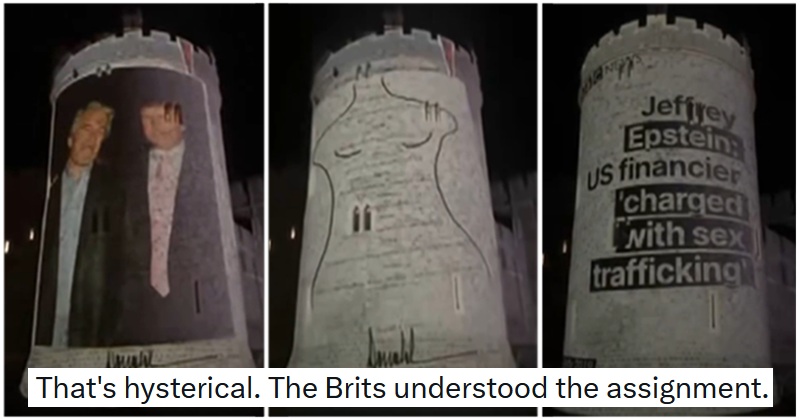
Donald Trump was welcomed to the UK by an enormous slideshow of him and Epstein on Windsor Castle, and the internet is here for it.
https://t.co/U3R4aslXTA
This American politician utterly destroyed ‘Putin-loving free speech imposter’ Nigel Farage to his face and Brits all said the same thing
https://t.co/WVDJd2WnPu