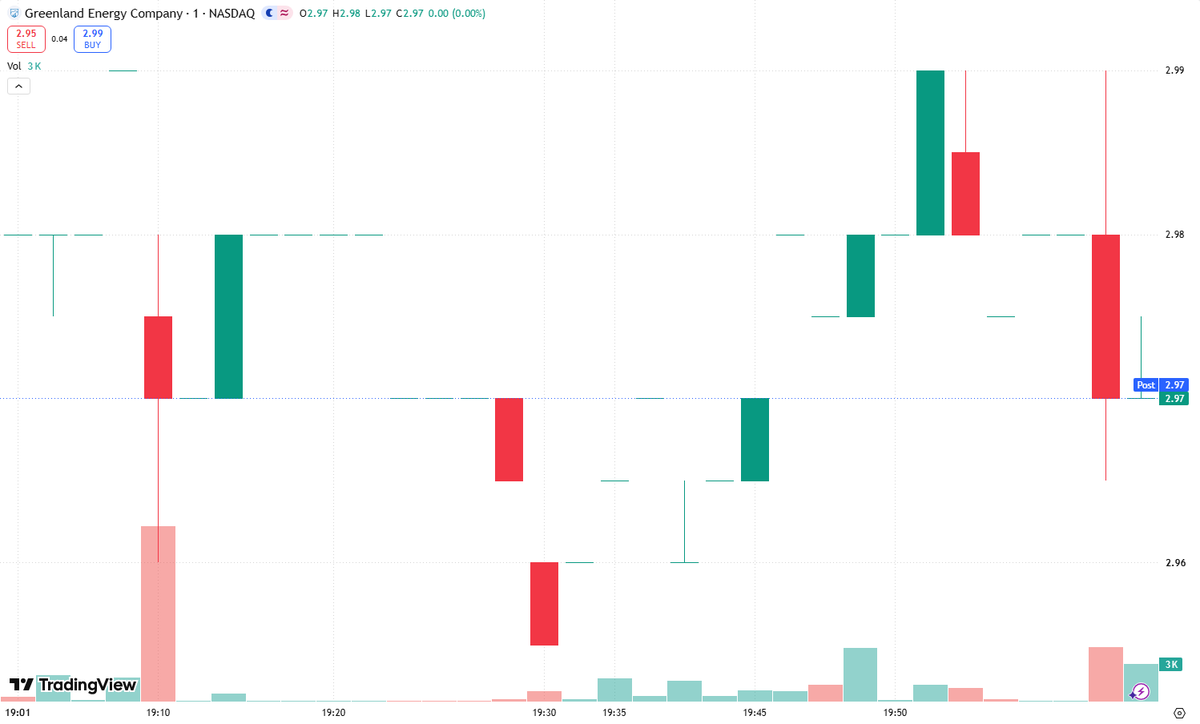
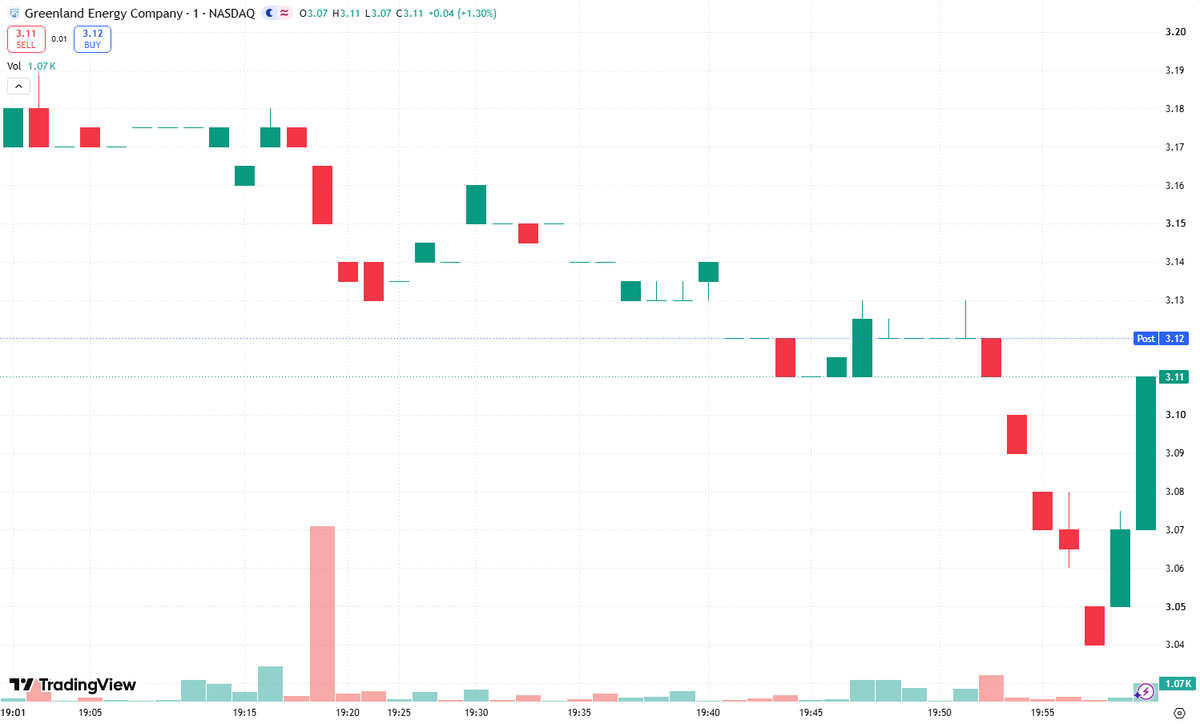
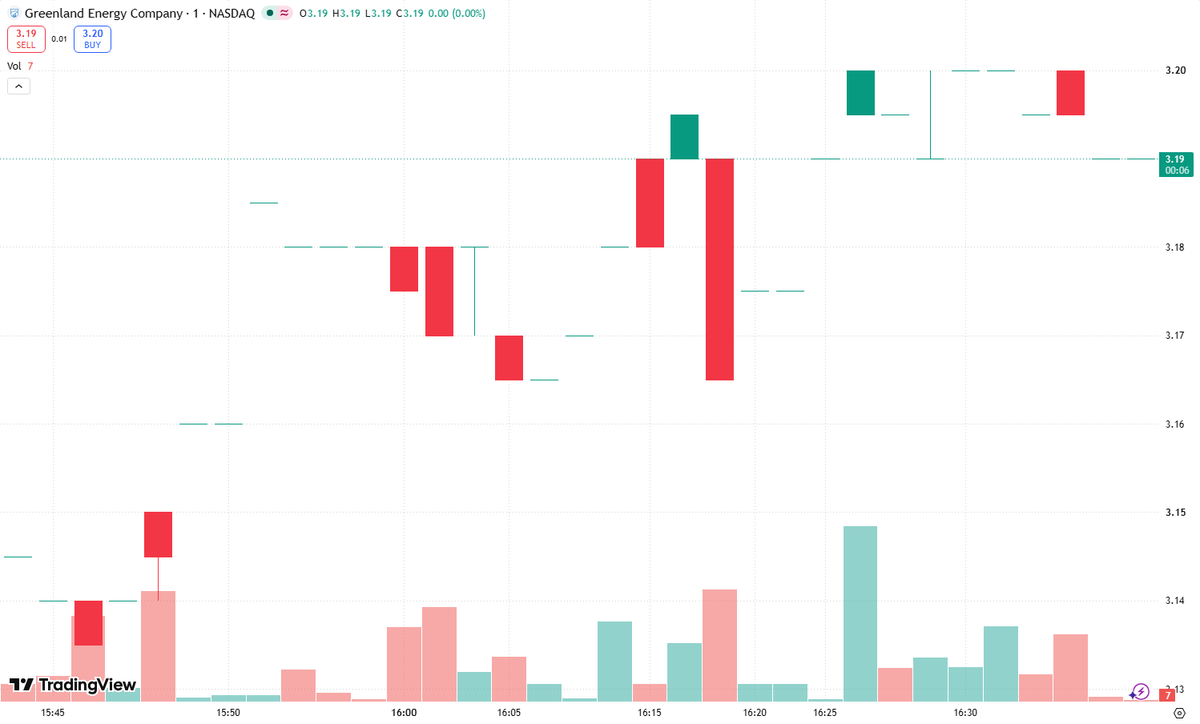
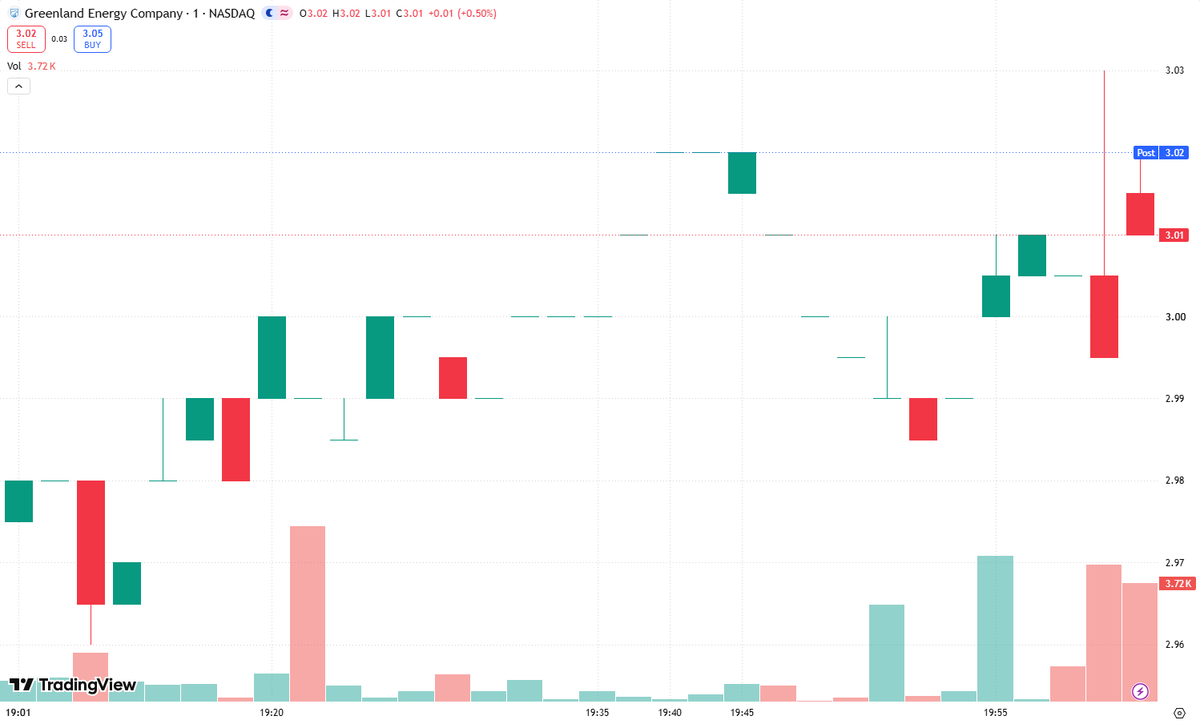
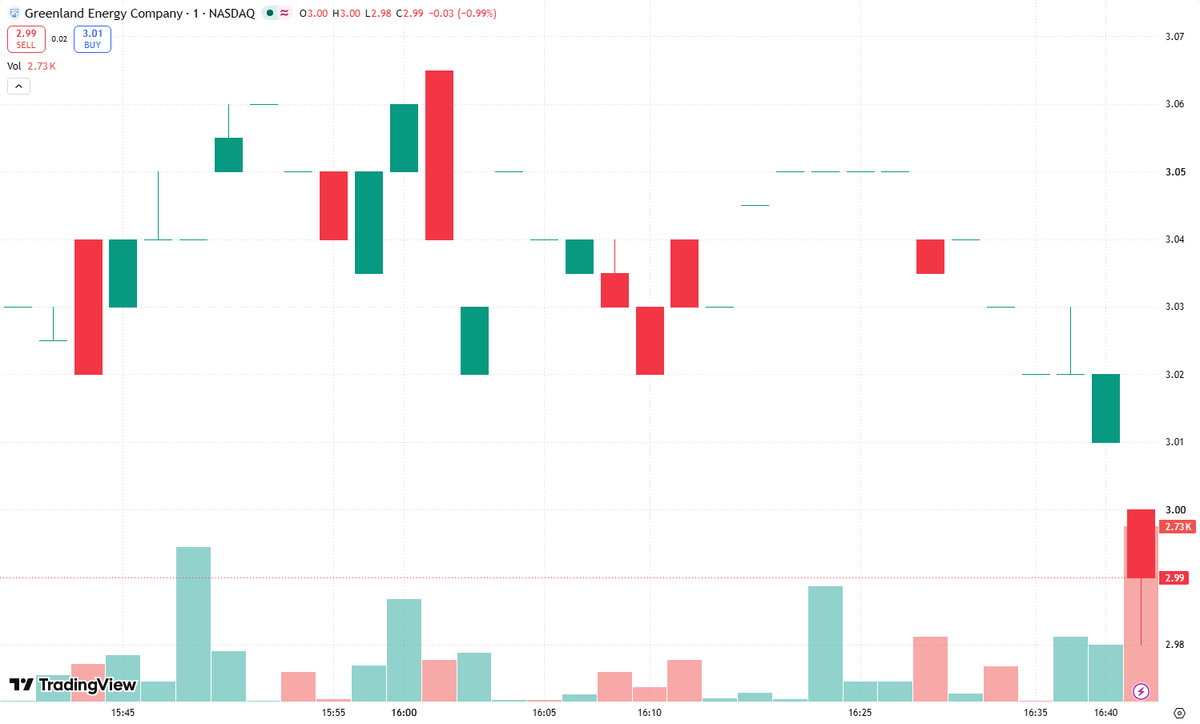
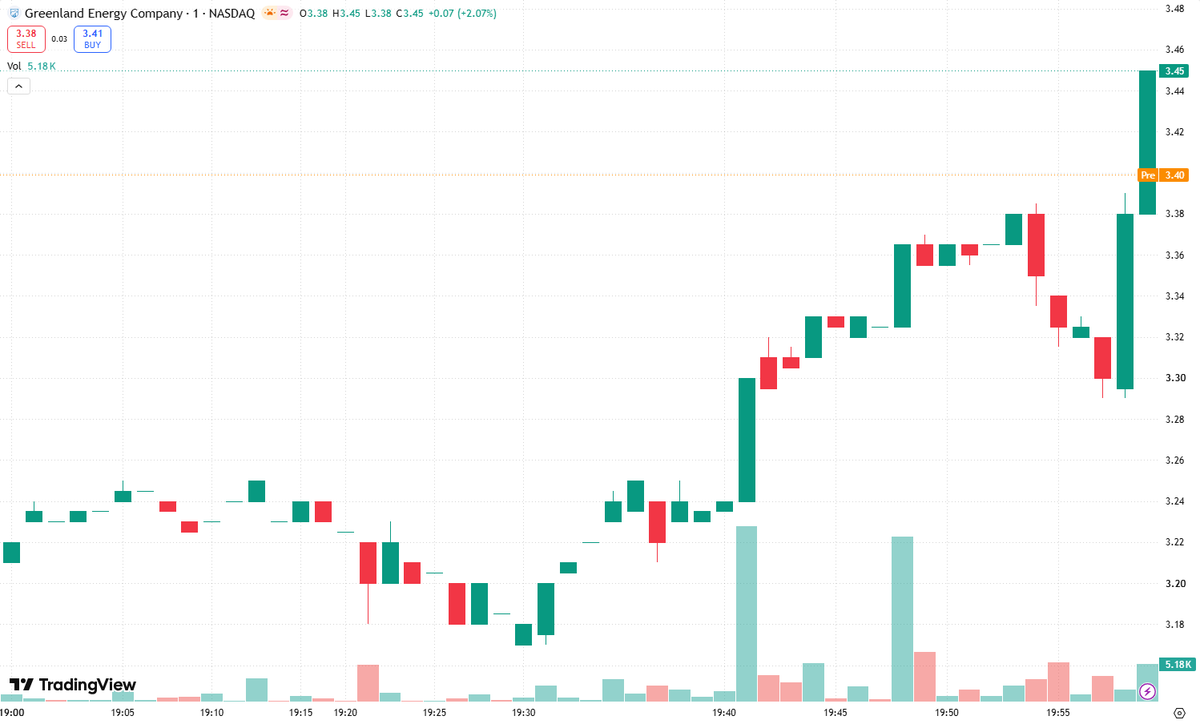
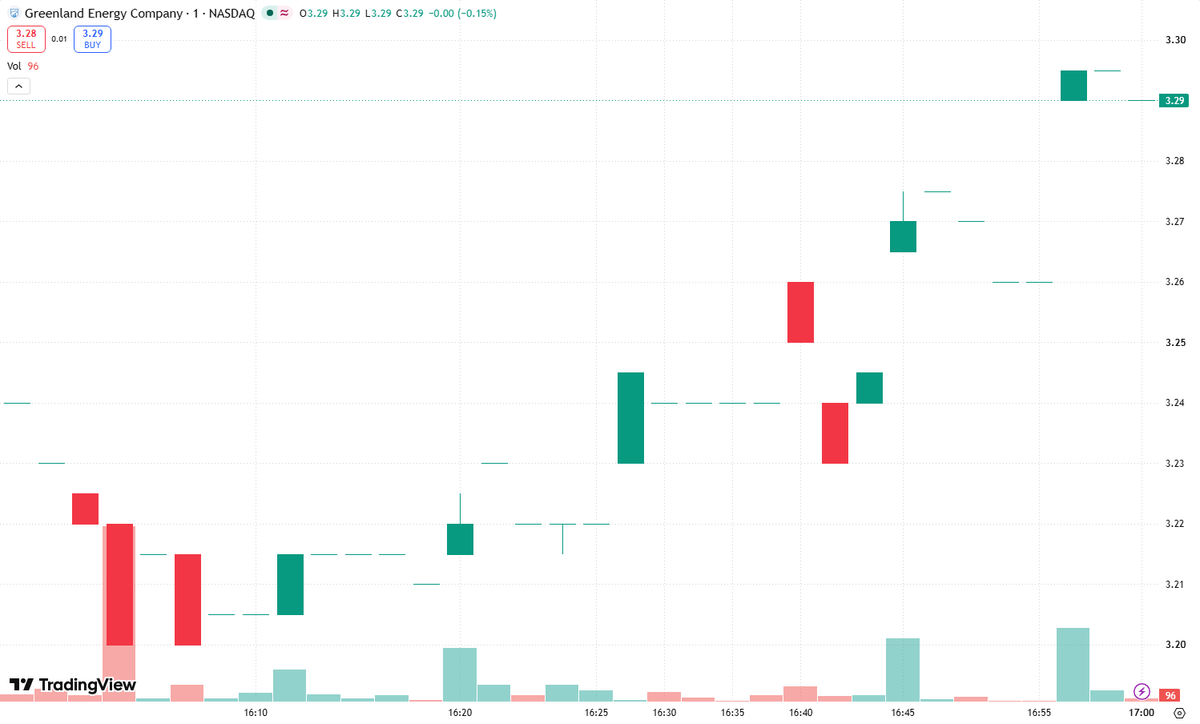
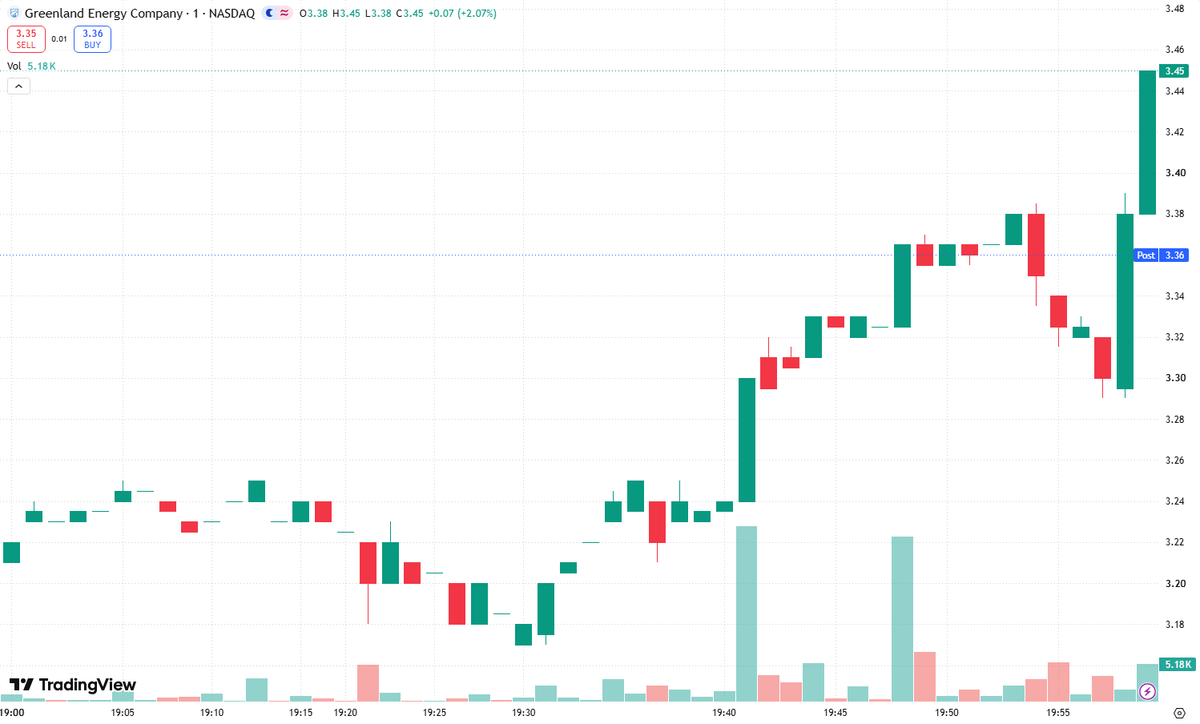
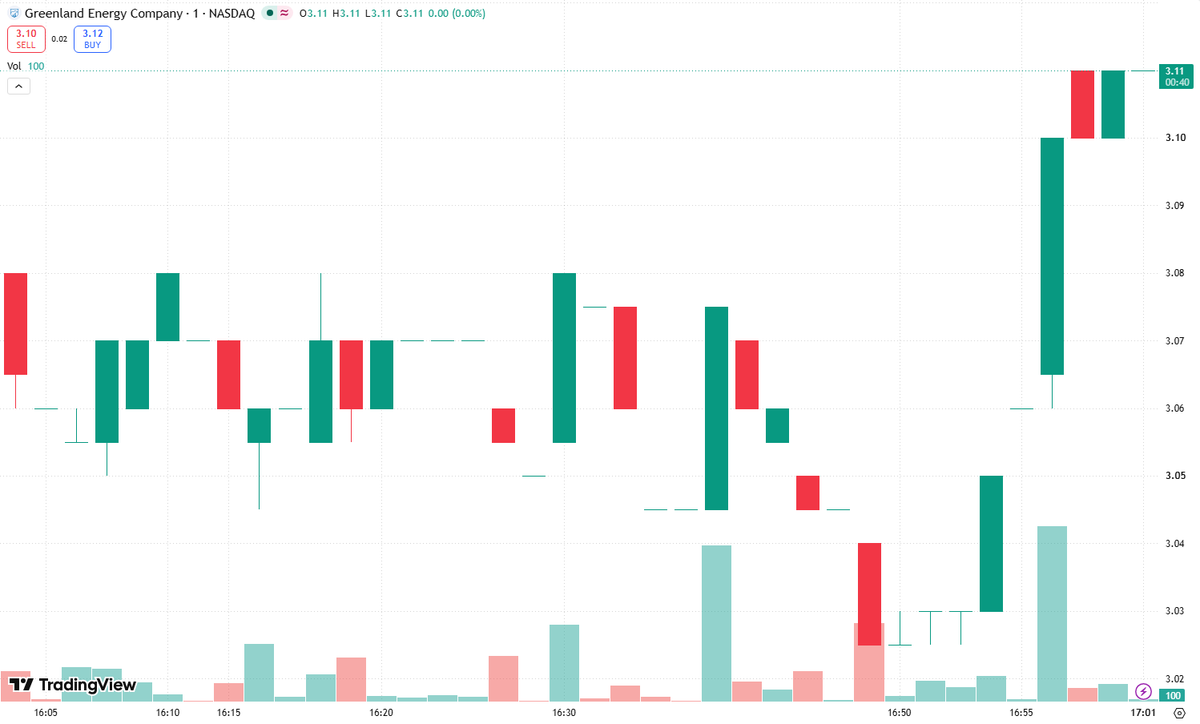
$GLND’s upside today could be a Sympathy play: when a sector leader surges and starts looking expensive, traders often scan related names for a cheaper entry into the same theme.
The logic is straightforward. If $GLND offers comparable exposure at a lower valuation, money rotating beyond the leader could drive a catch-up move. That thesis needs confirmation: a lower share price alone does not mean a stock is cheaper.
Watch for sustained volume, relative strength, and follow-through while the leader holds its gains. Without those signals, the sympathy thesis remains tentative.
Look for catch-up moves, but verify the sector connection and valuation gap before chasing. A convincing setup needs both a credible link and buying pressure.
#Stocks #Trading #Momentum
@cynthia_reddick Exactly. A sector rally can lift $GLND in the short term, but sustained upside needs its own catalyst. I’d be watching earnings, revenue growth, and forward guidance to see if the move has real staying power. 🔎📊
$GLND’s move today could be a Sympathy play: when a sector leader surges, traders often hunt for peers that haven’t caught up.
The logic is straightforward. As the leader becomes more expensive, fresh money may rotate toward names perceived as cheaper ways to express the same sector theme. If $GLND trades at a genuine valuation discount, that rotation could support a catch-up move.
But a lower share price doesn’t automatically mean a cheaper valuation. Compare the businesses, balance sheets, and growth prospects before treating them as substitutes.
Advice: Look for catch-up moves, but demand confirmation through sustained relative strength and volume. A sympathy rally can fade quickly if sector momentum cools or the underlying business connection is weak.
#Stocks #Trading #Momentum
@Sreagan53Sean 😂 Love the analogy! Talk is cheap—earnings, revenue growth, and forward guidance will tell us whether $GLND actually deserves that raise. 👀📊
GLND’s move today looks like a potential **sympathy play**. When the sector leader surges, investors often look for related names that have yet to catch up. If the leader’s valuation has become stretched, some traders may rotate into lower-priced peers such as $GLND, seeking similar sector exposure at a more accessible valuation.That rotation can create near-term momentum, but it doesn’t guarantee GLND will follow through. The key is whether buying interest is supported by volume and company-specific fundamentals, rather than sector enthusiasm alone. Treat this as a possible **lagging play**, not a confirmed catalyst, and manage risk if the move fades.Advice: Look for catch-up moves, but verify the setup before acting.#Stocks #Semiconductors #AI
@2bizzydoinme24 Absolutely 😅 Liquidity matters just as much as momentum. With $GLND, I’d watch the bid-ask spread and volume before chasing a sympathy rally. A good chart means nothing if execution kills the upside. 📊
$GLND’s rally today may be a **Sympathy play**: the sector leader runs first, then traders hunt for peers that haven’t caught up.
When the leader starts looking too expensive, fresh money often rotates toward names perceived as cheaper ways to express the same sector bet. That’s the potential setup for $GLND—not necessarily a company-specific breakthrough, but a catch-up trade driven by the leader’s momentum.
The distinction matters: a lower share price doesn’t automatically mean a lower valuation. Check comparable multiples, business exposure, and trading liquidity before calling it a bargain.
**Look for catch-up moves**, but demand confirmation. If the leader fades or sector buying weakens, the sympathy bid can disappear quickly. Trade the rotation; don’t confuse it with fundamental improvement.
#Stocks #Trading #Momentum
$GLND’s strength today may be a Sympathy play: a sharp rally in the sector leader can push traders toward peers perceived as cheaper.
The logic is straightforward. Once the leader looks expensive, traders seeking similar exposure start scanning the group for names that haven’t caught up. That rotation can lift $GLND even without a fresh company-specific catalyst.
But a lower share price doesn’t automatically mean a lower valuation. The setup needs confirmation: sustained leadership, stronger volume, and relative strength in $GLND—not just a brief spike.
My advice: Look for catch-up moves, but don’t confuse sector momentum with improving fundamentals. Define your risk before entry; sympathy trades can reverse quickly when the leader loses momentum.
#Stocks #Trading #SympathyPlay
$GLND: Today’s strength could be a Sympathy play—money rotating toward a sector laggard after a sharp rally in the leader.The logic: once the leader looks too expensive to chase, traders scan comparable names for cheaper exposure. If $GLND offers a genuinely lower valuation and similar business drivers, it becomes a potential catch-up candidate.But a lower share price isn’t the same as a cheaper valuation. Confirm the peer relationship, compare valuation multiples, and watch whether buying persists rather than assuming every move reflects improving fundamentals.Advice: Look for catch-up moves, but demand confirmation. Relative strength and sustained participation matter more than simply being “next.” If the leader reverses, the sympathy bid can disappear quickly.#Stocks #Trading #SympathyPlay
Today’s strength in $GLND could be a Sympathy play: traders looking beyond a surging sector leader for a cheaper way to express the same theme.
The logic is straightforward. When the leader gets expensive, fresh money starts hunting for peers that haven’t moved as much. That rotation can give laggards a catch-up bid—even without a company-specific catalyst.
But a lower share price doesn’t automatically mean a lower valuation. For $GLND, the thesis needs a genuine business connection to the leader, comparable valuation support, and sustained buying—not just ticker chatter.
Look for catch-up moves, but demand confirmation. Relative strength and follow-through matter more than simply being “the cheaper stock.” Treat this as a rotation setup, not proof of improving fundamentals.
#Stocks #Trading #SympathyPlay
🏦 Smart-money watch: $GOOGL. A top-tier upgrade today would be a meaningful signal—but confirmation comes before conviction.
“Price target hiked” is the headline to watch. The potential bullish case: underappreciated cloud growth, AI monetization, and durable advertising cash flow. Those drivers could support stronger earnings power than investors currently expect.
Remember: an analyst upgrade signals a change in outlook, not proof that institutions are buying shares. Watch the earnings assumptions behind any higher target, not just the headline. 🚀
“Institutions are loading up, are you?” Make sure the evidence supports that narrative before following it.
#GOOGL #AI #Stocks
$GLND’s move today looks like a classic Sympathy play: strength in the sector leader can pull attention—and speculative capital—into nearby names. When the leader becomes too expensive after a powerful run, traders often search for lower-priced or lower-valuation peers that offer similar thematic exposure. That rotation can create a Lagging play, as investors position for catch-up potential before fundamentals fully re-rate. The key is not to assume every move is sustainable: watch volume, relative strength, news flow, and whether $GLND can hold its breakout or gains. Risk management matters, especially in smaller-cap names. Advice: Look for catch-up moves, but confirm momentum rather than chasing the first spike. This is a rotation thesis, not confirmation of a fundamental change. #Stocks #SmallCaps #Trading
@erikjjoseph The key is identifying which company has the strongest fundamentals and the clearest catalyst to lead the sector. If momentum spreads, $GLND could still benefit as a sympathy play — but the real leader deserves the closest attention.
If $GLND is rising alongside a surging sector leader, the working thesis is a **Sympathy play**: traders want exposure to the same theme without chasing the name that already ran.
When the leader starts looking too expensive, capital often rotates into peers perceived as cheaper. That can put a laggard like $GLND on traders’ radar—but a lower share price alone doesn’t mean a lower valuation.
The key question: is this genuine rotation or just temporary spillover? Watch for sustained relative strength, volume confirmation, and whether the leader holds its gains.
**Advice: Look for catch-up moves**, but don’t confuse borrowed momentum with an improving business. If the leader reverses, the sympathy bid can disappear just as quickly.
If $GLND is rising alongside a sharp rally in its sector leader, the trading thesis is a **Sympathy play**: money rotating toward a peer that has yet to catch up.When the leader starts looking expensive, traders often hunt for lower-valued alternatives offering exposure to the same theme. That can create a catch-up bid in $GLND—but a lower share price alone does not mean a cheaper valuation.**Look for catch-up moves**, with confirmation: sustained relative strength, expanding volume, and a leader that holds its gains.The distinction matters: sector momentum can lift a laggard without improving its fundamentals. Treat this as a rotation setup to validate, not proof that $GLND deserves the leader’s valuation.#Stocks #Trading #SympathyPlay
$GLND’s move today could be a Sympathy play: the sector leader surges, investors hesitate to chase its premium valuation, and attention shifts toward peers perceived as cheaper.The thesis is straightforward: when leadership gets expensive, fresh money starts hunting for similar exposure at a lower valuation. That can turn a laggard like $GLND into a catch-up candidate—even without a company-specific catalyst.But correlation isn’t confirmation. The setup needs genuine business overlap, improving volume, and sustained relative strength. A lower share price alone does not mean a cheaper valuation.Look for catch-up moves, but demand confirmation before chasing. If the leader reverses or buying interest fades, the sympathy bid can disappear just as quickly.#Stocks #Trading #SympathyPlay
If $GLND is climbing today alongside a surging sector leader, the setup could be a classic Sympathy play: investors chasing the same theme through a cheaper-looking alternative.
The logic is straightforward. Once the leader looks expensive, traders hunt for peers that haven’t fully participated. That rotation can fuel catch-up buying without a fresh company-specific catalyst.
But a lower share price doesn’t automatically mean a lower valuation. The thesis needs genuine business overlap, relative underperformance, and stronger volume—not just a shared sector label.
Look for catch-up moves, but demand confirmation. For $GLND, sustained relative strength while the leader holds its gains would support the rotation thesis. A fading leader or weak follow-through would undermine it.
#Stocks #Trading #SympathyPlay
The “Sympathy play” thesis for $GLND today is straightforward: when a sector leader surges and starts looking expensive, traders often rotate into peers that haven’t caught up.
The logic is relative value. Rather than chase the leader after a sharp run, capital looks for similar exposure at a lower valuation. That can turn a laggard into the next momentum target—even without fresh company-specific news.
But this is a thesis, not a confirmed explanation. A lower share price doesn’t automatically mean a cheaper valuation, and sector correlation alone doesn’t prove money is rotating.
Look for catch-up moves. For $GLND, watch whether buying persists, volume supports the advance, and the leader holds its gains. Without confirmation, the catch-up trade can fade quickly.
🏦 $GOOGL is on my smart-money watchlist, but today’s claimed top-tier analyst upgrade remains unverified.
The bullish case is clear: AI monetization, Google Cloud growth, and Search’s cash generation could offer more upside than investors currently appreciate.
“Price target hiked” is a headline worth watching—but the real signal is whether analysts raise earnings estimates alongside it. An upgrade alone also doesn’t prove institutions are buying.
🚀 If Goldman Sachs or Morgan Stanley confirms the upgrade, watch the rationale—not just the rating.
“Institutions are loading up, are you?” First verify the buying. Follow the smart money, not an unconfirmed headline.
$GLND’s upside today fits a potential Sympathy play: when a sector leader surges and starts looking expensive, traders often rotate toward overlooked peers for cheaper exposure to the same theme.
The logic is relative value. If the leader has already priced in much of the optimism, a less richly valued peer could offer more room for a catch-up move—provided the business exposure genuinely overlaps.
That’s the setup to watch in $GLND, not proof that it deserves the leader’s valuation. A lower share price alone doesn’t mean a cheaper stock.
Look for catch-up moves, but demand confirmation: sustained volume, relative strength, and follow-through while the leader holds its gains. Without those, sympathy can fade as quickly as it arrives.