Investigating the spin properties in organic materials & devices 🧲💡, Football ⚽️, travelling & conservation of our pale blue dot 🌎 🐊
| PhD Student @ UNSW
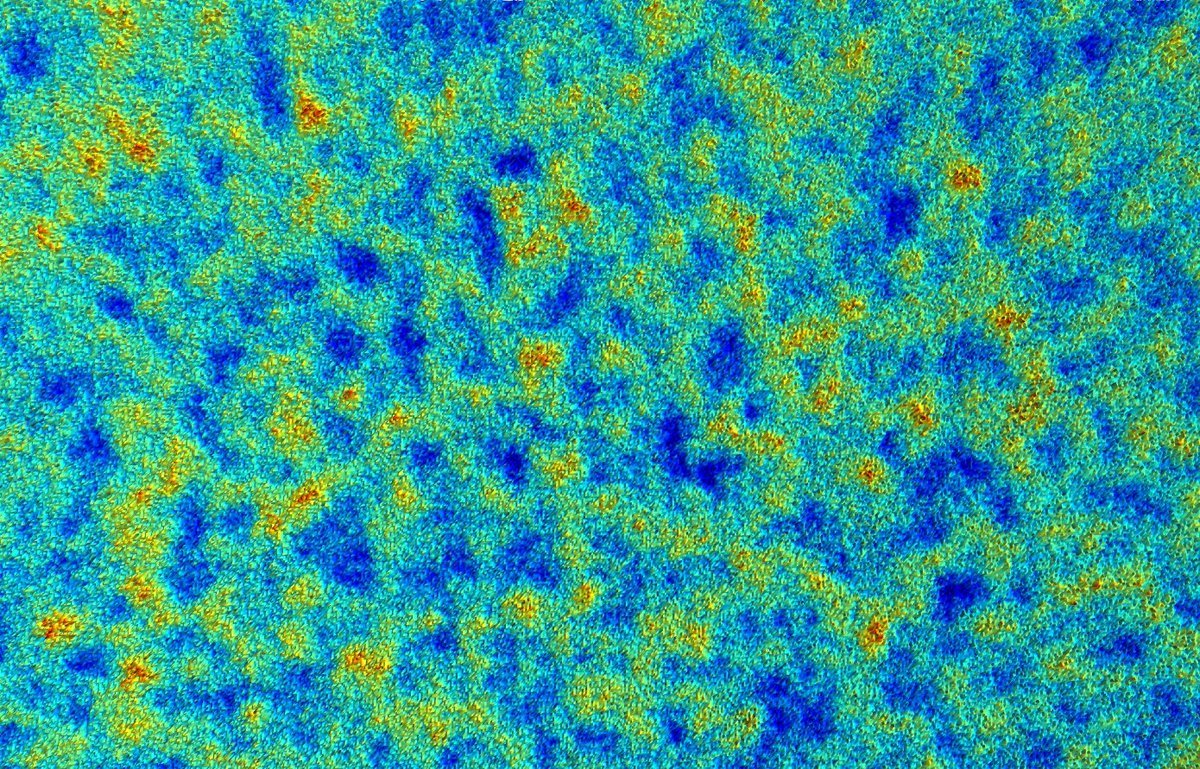
Scientists have created the first ever 2D map of the Overhauser field in organic LEDs, shedding light on the challenges we face in designing accurate quantum-based technologies https://t.co/zrN7EWUpG3
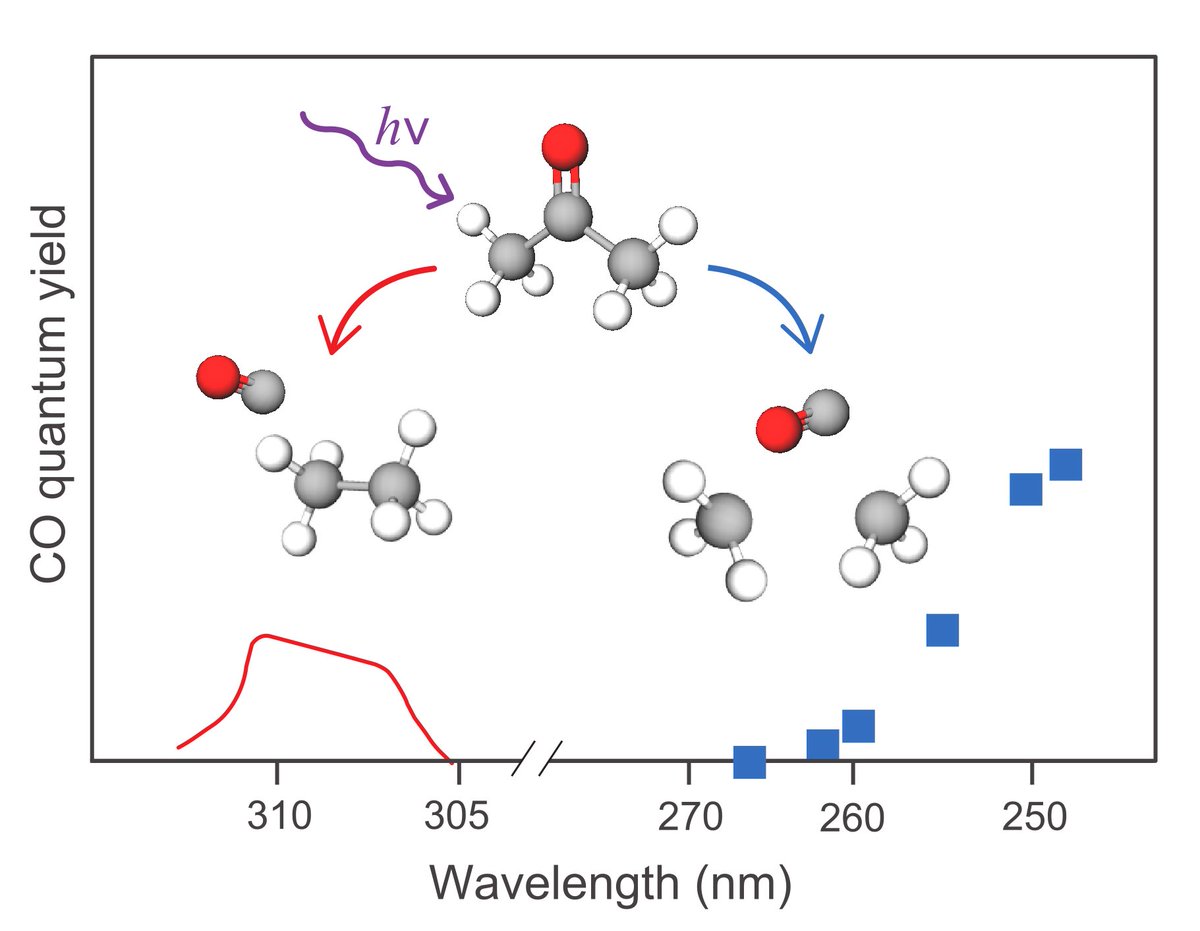
I am so excited to share that my first first-author publication is out! The paper is all about understanding the formation of CO from acetone photolysis, whether that's triple fragmentation (in blue), or roaming (in red) https://t.co/m00BHjnWQu
💡Scientists have created a 2D map of the Overhauser field in organic LEDs, shedding light on the challenges we face in designing accurate quantum-based technologies, say @excitonscience and @UNSW
📺This will map the quantum future with smart TV tech
https://t.co/4nlfP3qsgk
@excitonscience wrote a great piece about our recent work on resolving the variation of quantum spin in organic LEDs (https://t.co/mNbkNWpvZn)
Check it out!
https://t.co/lHFly25SD8
Platform 3.3 of @excitonscience is ‘Light Emitting Devices’.
Many fundamental questions regarding LED materials and design remain, particularly for applications that require high efficiency, brightness and stability.
https://t.co/SzxrkXExiO
#excitonscience
Opportunities abound! ARC funded PhD positions are available in nonlinear optical metrology to support an industrial collaboration. See sub-tweets below.
@MJYTayebjee
A city floating in the sky. Could such a concept ever become a reality with our current understanding of rocket and levitation technology? https://t.co/aZHUbq2el8