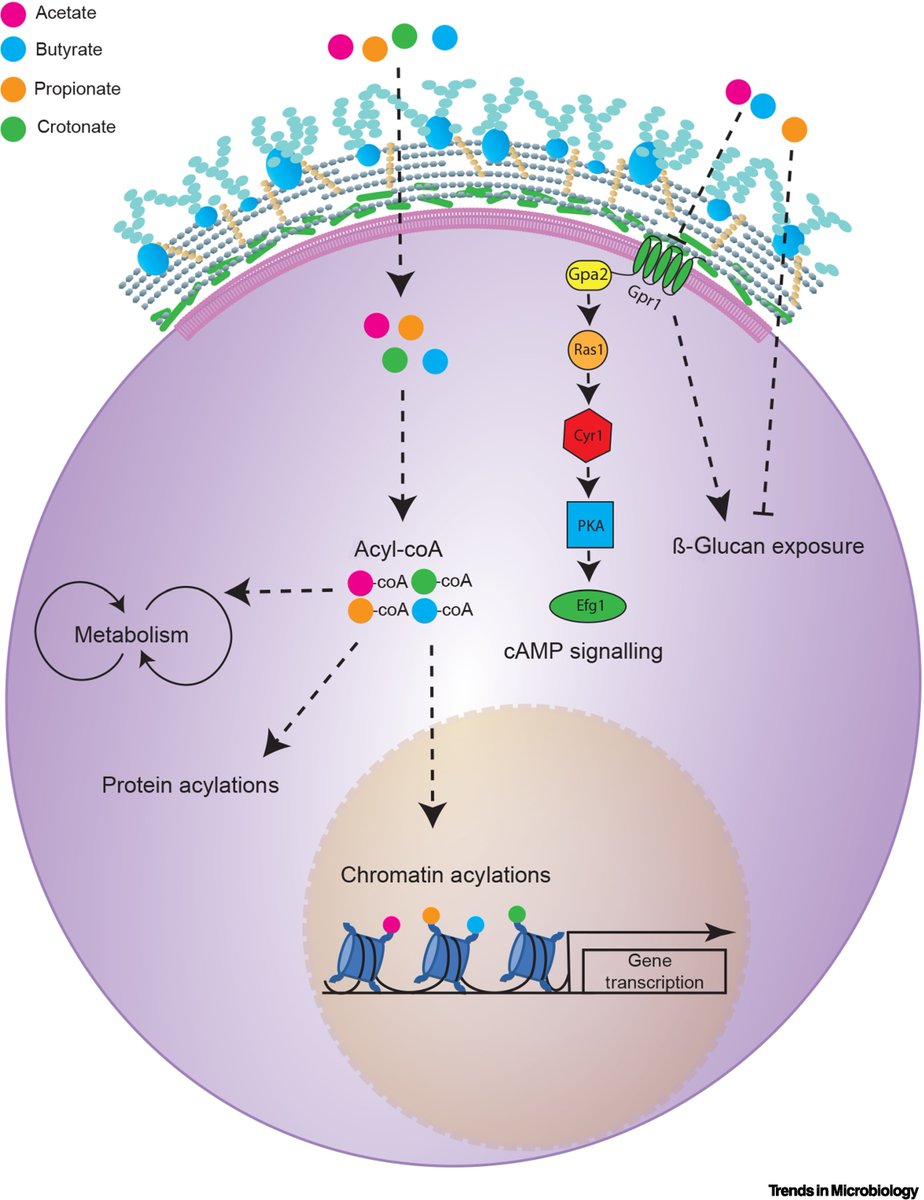
Out now: the story of how gut bacteria-derived SCFAs regulate the virulence characteristics of Candida albicans 😇👿
Read our latest review led by Chris McCory @chrismccro (and catch up with him at #HFP2024):
https://t.co/RXDxS1Zc97
Online OA now: Bacteria-derived short-chain fatty acids as potential regulators of fungal commensalism and pathogenesis
Review by Christopher McCrory (@chrismccro), Megan Lenardon (@_doctormeg), and Ana Traven (@TravenLab)
https://t.co/Jz3y4nWCXE
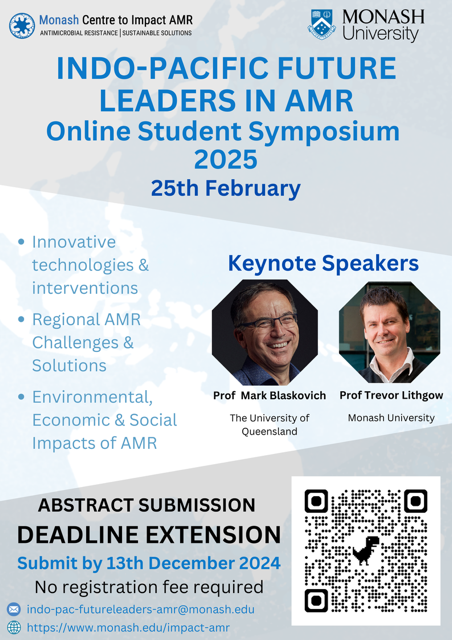
📢We're excited to announce that the deadline for abstract submissions for the Indo-Pacific Future Leaders in #AMR Online Student Symposium has been extended to January 10, 2025. https://t.co/BzgvjNfTta
🚨Registrations are also open: https://t.co/BE9VaGWwbC
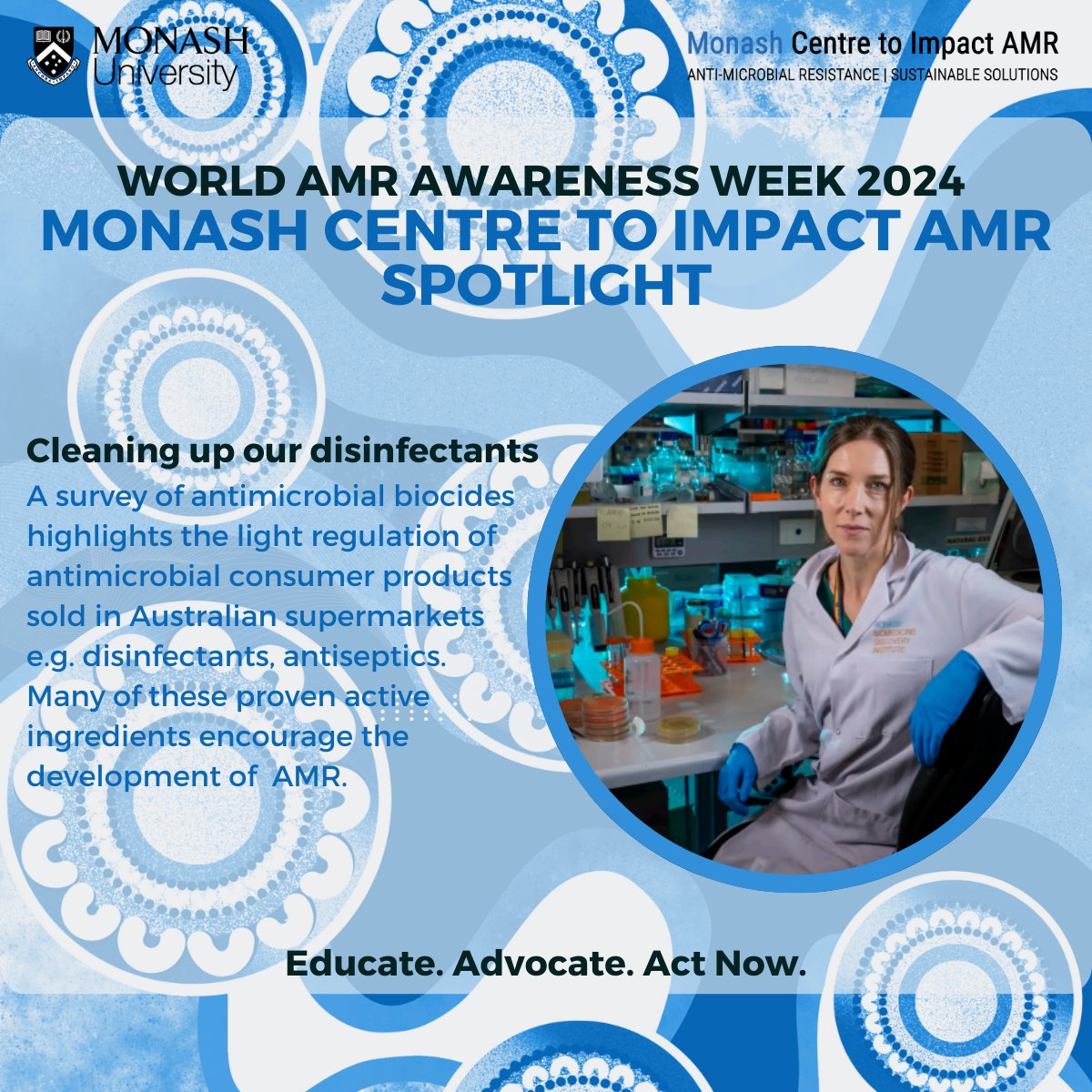
🔵It’s Day 2 of #WAAW2024!
We need to educate stakeholders & policymakers on the drivers of #AMR.
Some biocides/antimicrobial ingredients banned in various jurisdictions, such as the EU and U.S., are still found in Australian household products
Read more:https://t.co/hc2HuMtwBp
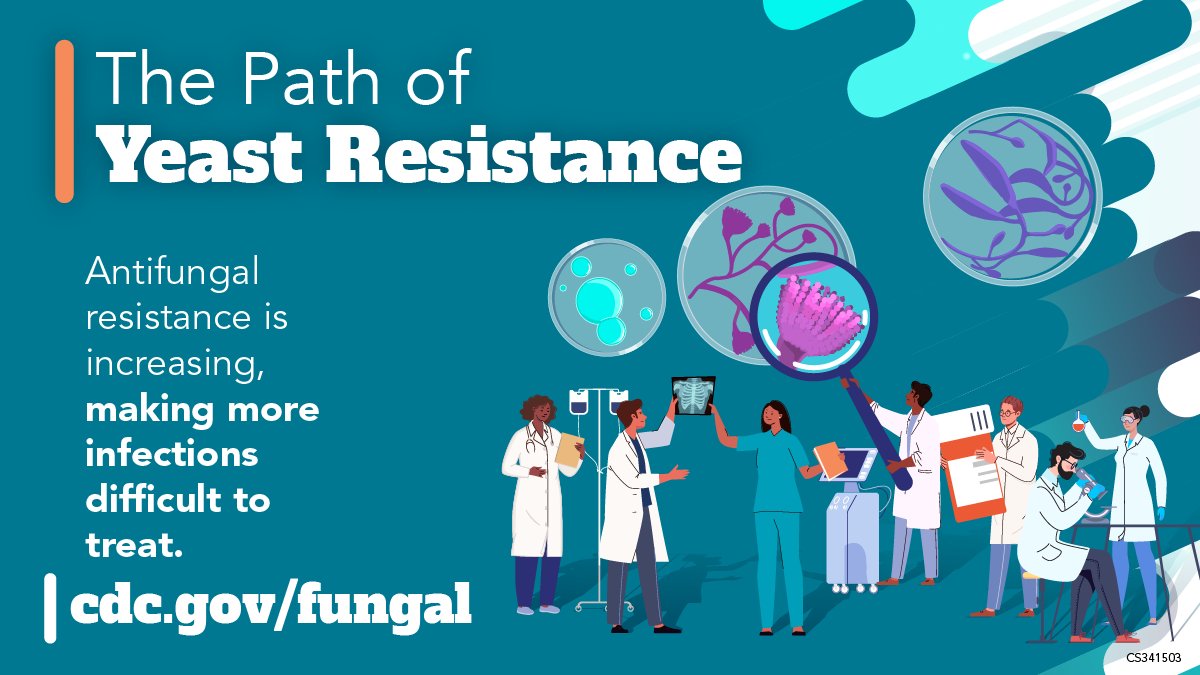
@WHO’s Fungal Priority Pathogens List is the first global effort to prioritize fungal pathogens by public health importance. The list guides global research & the public health response to fungal infections & #AntimicrobialResistance. Learn more: https://t.co/i2DIVYRIup #USAAW24
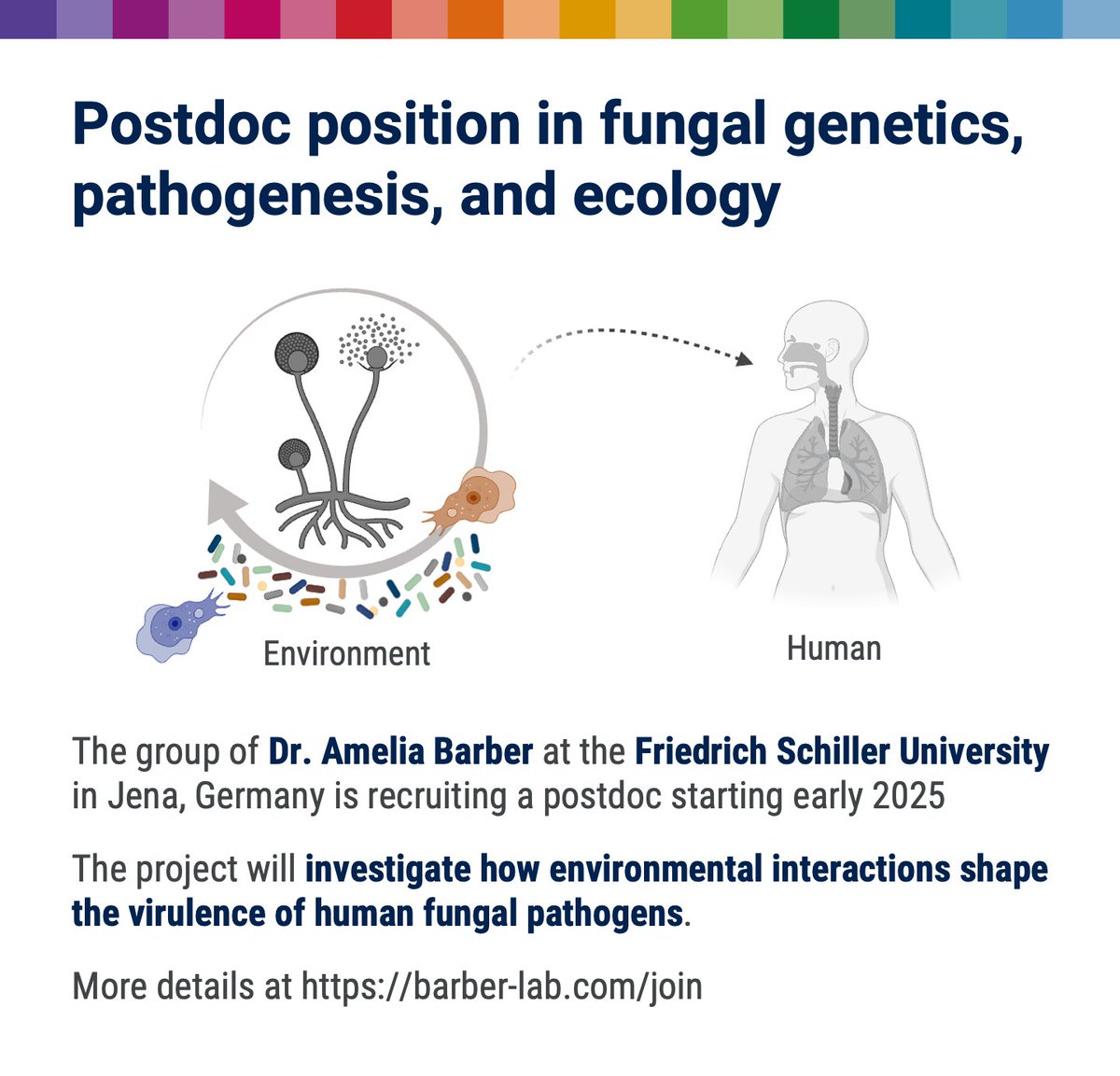
My group is recruiting a postdoc to study how environmental interactions shape the virulence of human fungal pathogens. Please RT!
#postdocjobs#academicjobs#microbiologyjobs
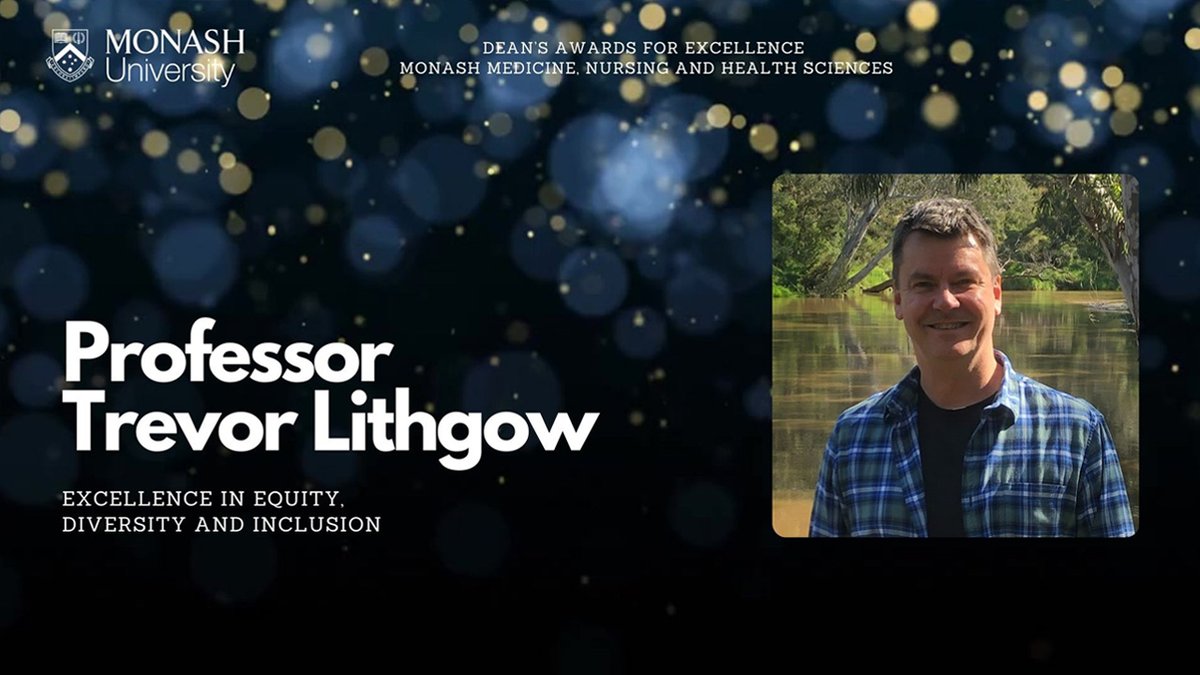
🎉Congratulations to @TrevorLithgow for winning the @Monash_FMNHS Dean's Awards for Excellence in Equity, Diversity & Inclusion! His activities through our Centre created meaningful Indigenous engagement in research and showcased the microbial diversity of Wurundjeri country!
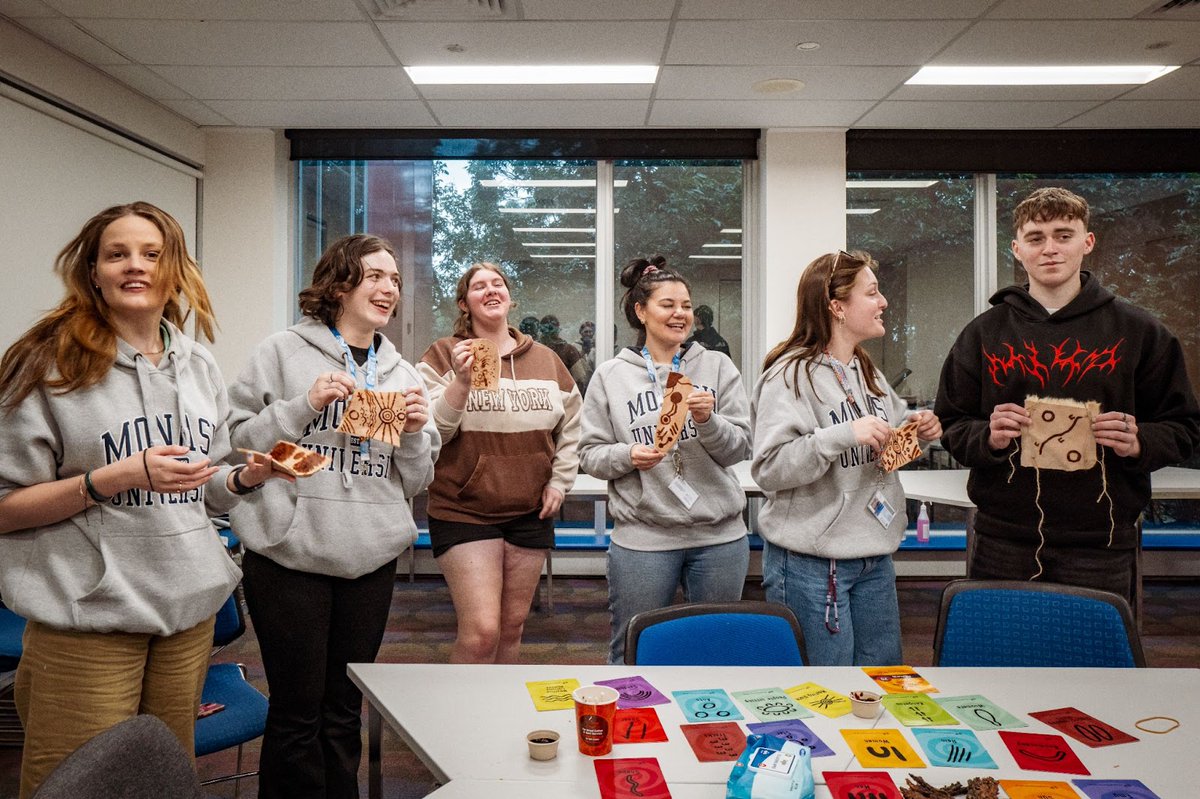
✨In case you missed it✨, we hosted engaging activities for Aboriginal and Torres Strait Islander students during #NationalScienceWeek@Aus_ScienceWeek🥼
Follow the link to find out more about the day's activities: https://t.co/jipkbAnDek
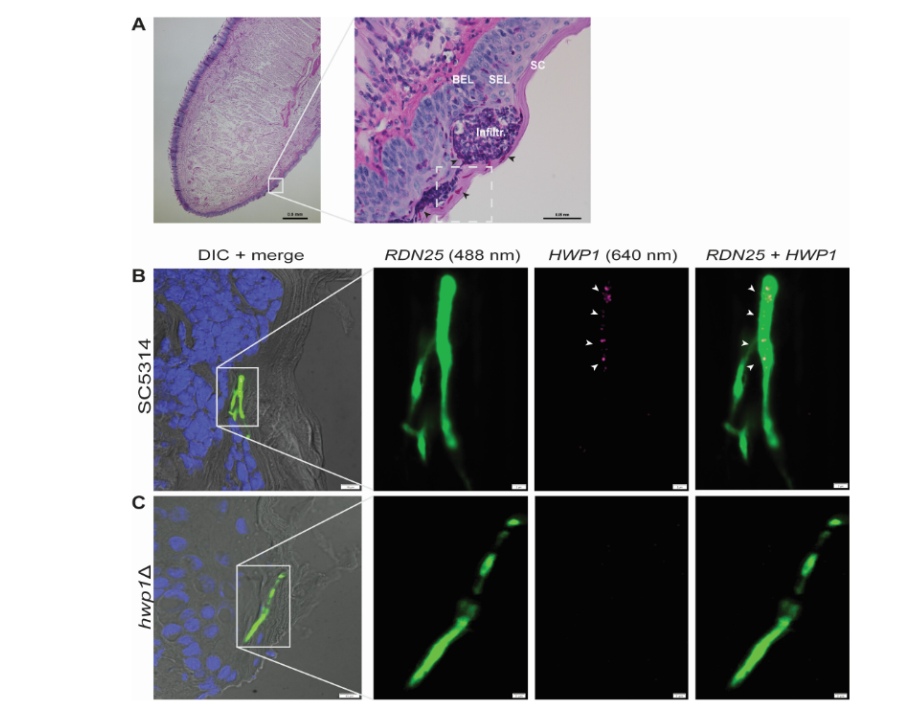
Profiling fungal genes expressed in infected organs is important for understanding how Candida albicans causes disease. In @mSphereJ: an approach to analyze spatiotemporal patterns of C. albicans gene expression at single-cell resolution in mouse tongues. https://t.co/UyQr3WDzlb
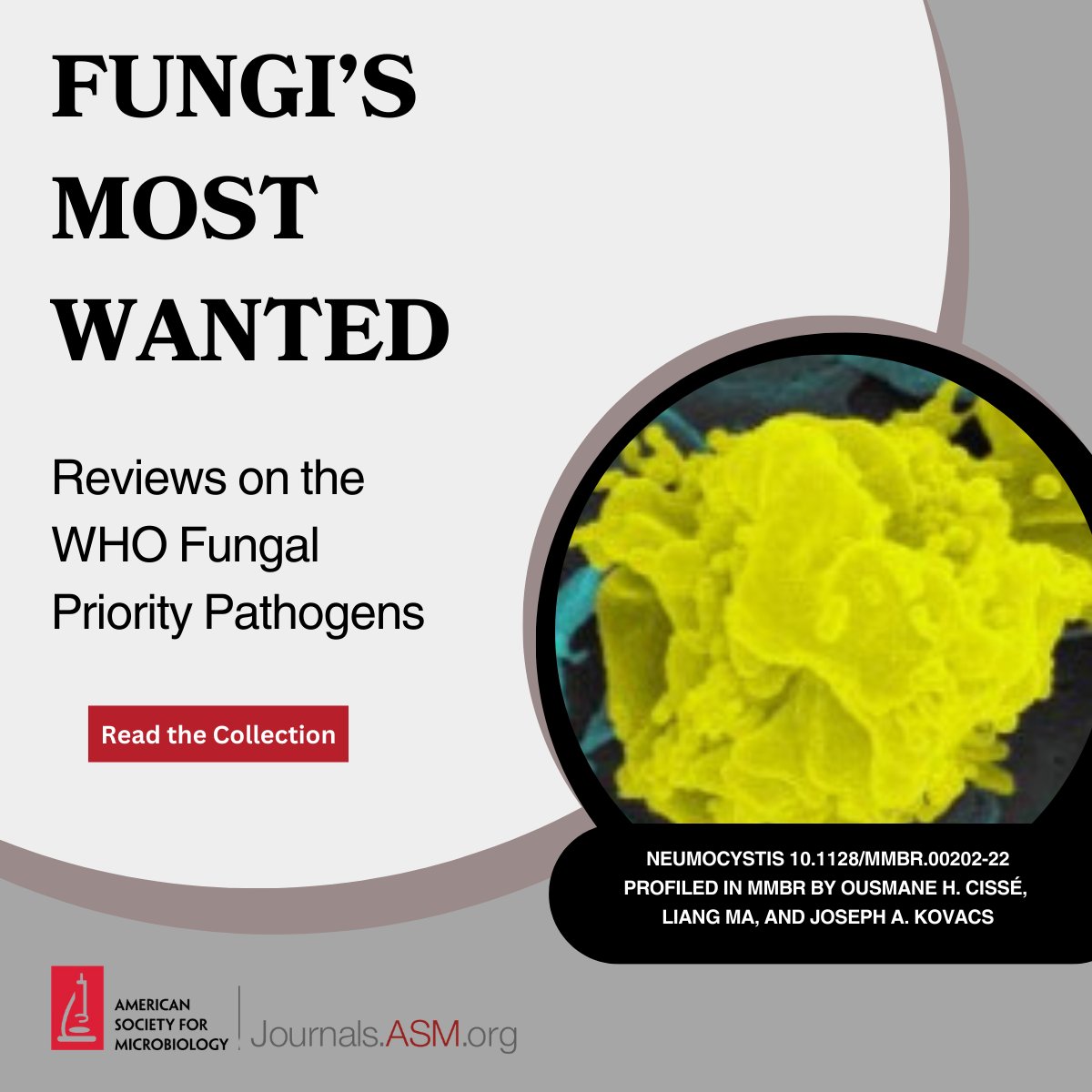
The @WHO Fungal Priority Pathogens are on the loose! 🦠 Keep an eye out for expert reviews in #ClinMicroRev and #MMBRJournal. 📚🔍 Explore the ASM Journals Fungi’s Most Wanted Collection: https://t.co/42R8EeRjXZ
#PhD Scholarship available to join the @LithgowLab@MACSYS to work on bacterial cell envelopes. The funding requires being local (Aus or NZ) students. If you know bacterial cell biology and love a bit of biochemistry with your microbiology, contact [email protected]
Congratulations Sebastian and a sincere thank you to all our wonderful collaborators on this work - fantastic to see it published @mpm_hki@CyrilleBoyer61@flamycain https://t.co/NBSTvrZLKH
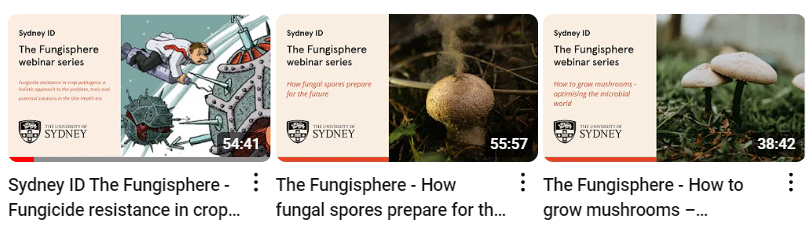
Find out more about the world of fungal research with the Fungisphere Webinar Series @Sydney_ID 🍄🔬
Great talks, on many topics, inc:
👨🌾 Environmental sources of drug resistance
🦇 White Nose Syndrome of Bats
🧬 Molecular Epi of Crypto
..and more..
https://t.co/T0q5GVNBC1
Online OA now: Bacteria-derived short-chain fatty acids as potential regulators of fungal commensalism and pathogenesis
Review by Christopher McCrory (@chrismccro), Megan Lenardon (@_doctormeg), and Ana Traven (@TravenLab)
https://t.co/Jz3y4nWCXE
Delighted to share our latest review! @TrendsMicrobiol
From the nutritional environment, through metabolic pathways to changes in acylome dynamics, SCFAs influence the growth, metabolism, and virulence of C. albicans. But how?
https://t.co/rb6e37riKr
@TravenLab@_doctormeg