We're at 1.41-1.8°C of global warming and the rate is ~0.27-0.66°C/decade. An average rate of 0.13-0.26°C/dec for the rest of the century would give 2°C by 2046-2067. Even worse, it seems Earth is already self-warming..
झारखंड के आदिवासी इलाकों में चर्च की बढ़ती संख्या पर मेरे बयान से काफी हंगामा हुआ। अपना धर्म बदल चुके कई लोग इस बात से परेशान हैं कि मैने सिर्फ चर्च की बात की, मंदिरों की नहीं। चलिए, आज इस मुद्दे पर विस्तार से बात करते हैं।
झारखंड के अधिकतर गांवों में आदिवासी-मूलवासी एक साथ रहते हैं। हमारे गांवों में हजारों सालों से जाहेरस्थान/ सरना स्थल/ देशाउली/ मांझी थान है और सनातन समाज के मंदिर भी, जिनमें मूलवासी पूजा करते हैं। आदिवासी- मूलवासी दोनों समुदाय एक दूसरे के पूजा स्थलों में सिर झुकाते हैं, एक-दूसरे के पर्व - त्योहारों में शामिल होते हैं और दोनों सबकी आस्था का सम्मान करते हैं।
इसके अलावा दिउड़ी मंदिर, रंकिणी मंदिर जैसे कई मंदिर हैं, जहाँ आदिवासी समाज के पाहन पुजारी की भूमिका में होते हैं, और सनातनी लोग भी वहाँ पूजा करते हैंं। ठीक उसी प्रकार, हम भी उनके पर्व-त्योहारों में शामिल होते हैं। लेकिन एक दूसरे के धार्मिक स्थलों एवं परंपराओं का यह परस्पर सम्मान हमारी आस्था, हमारी जीवन शैली को कभी नहीं बदलता।
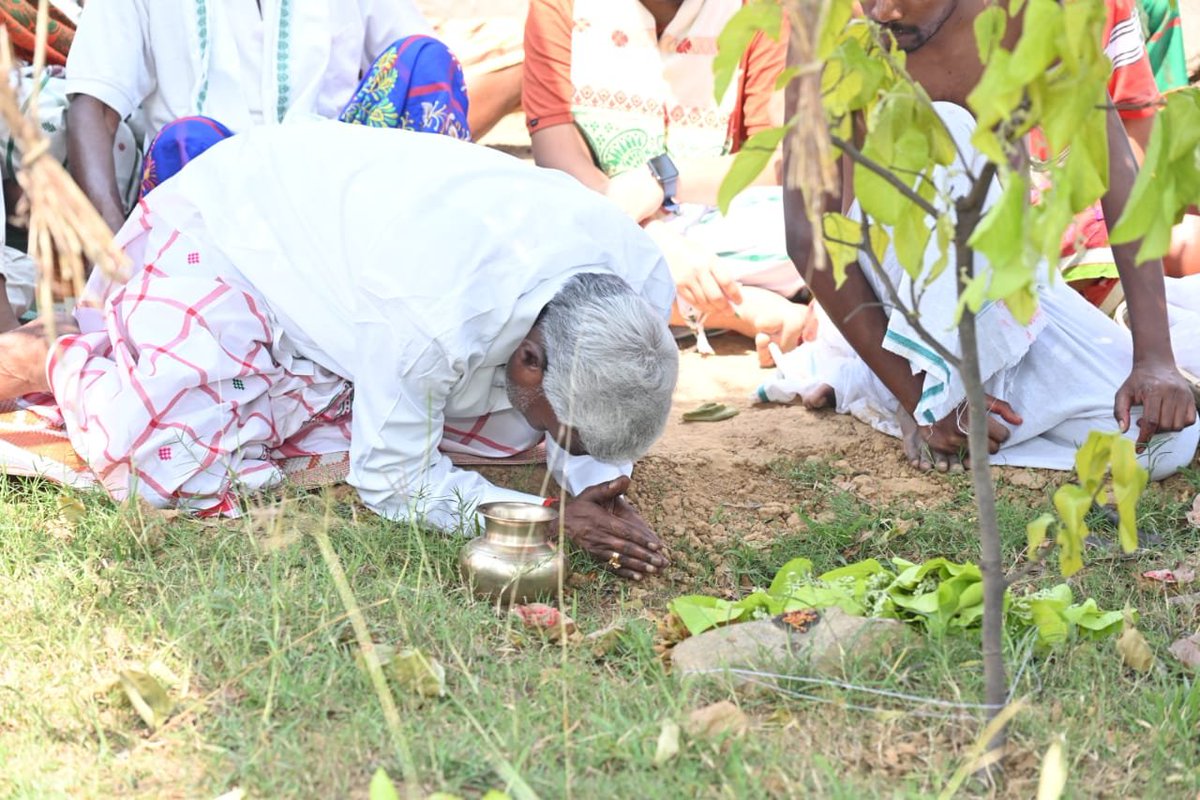
हम आदिवासी पेड़ के नीचे बैठ कर पूजा करने वाले लोग हैं, और जन्म से लेकर शादी-विवाह एवं मृत्यु तक, हमारी बिल्कुल स्पष्ट जीवनशैली है। बच्चे के जन्म, नामकरण, विवाह समेत जीवन के सभी महत्वपूर्ण पड़ावों पर, हमारी सामाजिक प्रक्रियाएं मांझी परगना/ नायके/ पाहन/ मानकी/ मुंडा/ पड़हा राजा आदि पूरी करवाते हैं। जीवन के हर महत्वपूर्ण पड़ाव पर हम जाहेरस्थान/ सरना स्थल/ देशाउली/ मांझी थान जाकर मरांग बुरु/ सिंगबोंगा की पूजा करते हैं।
हजारों सालों के इस सामाजिक सह-अस्तित्व में हम लोग एक-दूसरे के हर सुख-दुख के साथी बने, यथासंभव सहयोग किया, लेकिन उन्होंने कभी हमें हमारी आस्था या जीवनशैली बदलने के लिए मजबूर नहीं किया। अभी धर्मांतरण की रफ्तार देख कर लगता है कि अगर उन्होंने ऐसा किया होता, तो शायद हमारी संस्कृति बहुत पहले खत्म हो गई होती।
हजारों सालों के हमारे इतिहास में, आपको ऐसा कोई भी मूलवासी/ सनातनी नहीं मिलेगा, जिसने किसी मदद, सहायता या सहयोग के बदले, अथवा हमें लालच/ धमकी देकर हमारे लोगों का धर्म परिवर्तन करवाने की कोशिश की हो। वे कभी स्वयं को आदिवासी नहीं बताते। वे लोग आरक्षण समेत हमारे समाज को मिले अन्य अधिकारों को छीनने अथवा उसमें अतिक्रमण करने भी प्रयास नहीं करते, तो फिर उनसे कैसा बैर?
दूसरी तरफ, इस क्षेत्र में ईसाई मिशनरियों ने 1845 में धर्म प्रचार शुरू किया, लेकिन मात्र 180 वर्षों में इन्होंने हमारी परंपराओं एवं धार्मिक आस्था पर चोट पहुंचाई, आरक्षण पर कब्जा किया, भाषाओं/ लिपियों का विरोध किया तथा हमारे अस्तित्व को मिटाने की हर संभव कोशिश की। हमारे लाखों लोगों का धर्मांतरण कर के इन्होंने ऐसे हालात बना दिये हैं कि सिमडेगा समेत झारखंड के कई हिस्सों में हमारे जाहेरस्थानों/ सरना स्थलों पर ताला लग चुका है, क्योंकि वहाँ धर्मांतरण की वजह से पूजा करने वाला कोई नहीं बचा।
आदिवासी समाज की पहचान पारंपरिक जीवनशैली, विशिष्ट संस्कृति, भाषा, रीति-रिवाज एवं रूढ़िजन्य परम्पराओं से है, लेकिन ये लोग उसे मिटाने में लगे हुए हैं। ये लोग DNA की बात करते हैं, लेकिन यह नहीं बताते कि इन्हीं मिशनरियों की वजह से दुनिया के कई हिस्सों में आदिवासी संस्कृति विलुप्त हो गई।
लैटिन अमेरिका की अयोरेओ जनजाति, केन्या की संबुरु जनजाति, ब्राजील की वाई वाई जनजाति, फिजी और पैसिफिक आइलैंड्स की जनजातियां धर्मांतरण के बाद अपनी मूल संस्कृति को भूल चुकी हैं। उनके पारंपरिक रीति-रिवाज, त्योहार, भाषा, नृत्य, पूजा-पाठ और सामाजिक संरचनाएं खत्म कर दिए गए। आप खुल कर क्यों नहीं कहते कि भारत में भी आपका असली मकसद यही है?
धर्मांतरण कोई राजनैतिक मुद्दा नहीं, बल्कि हमारे समाज के अस्तित्व से जुड़ा मामला है। अगर धरती आबा भगवान बिरसा मुंडा, वीर सिदो कान्हू, वीर पोटो हो, वीर टाना भगत, वीर तेलंगा खड़िया एवं अन्य मार्गदर्शकों के दिखाए राह पर चलते हुए अगर हम लोग अपनी परंपराओं को नहीं बचाएंगे तो भविष्य में हमारे जाहेरस्थानों, सरना स्थलों, देशाउली आदि में पूजा करने वाला कोई नहीं बचेगा। हमारा अस्तित्व ही खत्म हो जायेगा। (Part 1/2)
Scientists warn that the powerful El Niño now developing in the equatorial Pacific could become one of the strongest and most destructive on record, potentially rivaling the catastrophic 1877 event, the deadliest in modern history.
That 19th-century “Super El Niño” triggered widespread crop failures, devastating famines, and an estimated 50 million deaths worldwide. Climate models now suggest the 2026–2027 event could approach similar intensity.
As unusually warm ocean waters spread across the Pacific, they are already disrupting global atmospheric circulation. This shifts rainfall patterns, intensifying droughts in some regions while causing catastrophic floods in others, creating simultaneous threats to food and water security around the planet.
The greatest concern is the dangerous combination of this strong El Niño with today’s elevated baseline of human-caused global warming. Ocean temperatures are already at record highs, meaning this El Niño could push heat waves, wildfires, droughts, and floods to unprecedented levels.
Potential impacts include collapsing fisheries, mass coral bleaching, strained energy infrastructure, and severe pressure on global food supplies.
While exact outcomes remain uncertain, researchers say the growing confidence in a powerful event serves as an urgent call for governments to strengthen infrastructure, agriculture, and public health systems ahead of extreme climatic volatility.
[Severe Weather Europe. (2026). Atmospheric Code Red: 2026 Super El Niño Now Trending Toward Record-Breaking Intensity]
Plants don’t “scream” in the way animals do, but they do release powerful chemical signals when they are stressed. When a plant is attacked by insects, cut, or exposed to drought, it can emit volatile organic compounds (VOCs) into the air. These chemicals can serve several purposes at once: they may warn nearby plants to activate their own defences, or attract predators such as parasitic wasps that hunt the insects feeding on them. For example, corn plants under caterpillar attack release scents that summon wasps to help control the damage,
they release a precise blend of volatile organic compounds (VOCs), including the key chemical DMNT. These airborne “distress signals” travel through the air and attract parasitic wasps. The wasps locate the caterpillars, lay their eggs inside them, and the developing wasp larvae then consume the caterpillar from the inside out, reducing their population
This sophisticated chemical cry for help allows the corn plant to recruit its own bodyguards, dramatically reducing the damage from herbivores. It’s one of the best-studied examples of plants actively communicating with other species to defend themselves. Cotton and tomato plants also recruit wasps
Sagebrush doesn’t just call for help from insects , it releases VOCs (like camphor and thujone) when damaged, which “warn” neighboring sagebrush plants to increase their chemical defenses (making their leaves less tasty to herbivores).
These are not sounds or emotions just complex biochemical responses but together they form an invisible communication system happening constantly in the plant world.
🚨 More than half of India's data centres already face temperatures above 35°C for over 90 days a year. By 2040, nearly 90% could.
India's data centres are growing in number and scale. At the same time, climate change is making the regions they sit in significantly hotter. CRAVIS maps how the two trajectories meet by 2040.
Planning data centres alongside energy, water, and land-use systems can help ensure India’s digital growth strengthens resilience, rather than creating new points of stress.
https://t.co/vwLogaCJOg lets you explore heat, water, and energy risk across India's districts and climate scenarios. Try it and tell us: what surprised you? #AskCRAVIS
Found an interesting inscription!
It’s a 14th-century bilingual Oriya–Tamil inscription of a loan agreement between an Odiya and a Tamil, with Odiya in Gaudiya script and Tamil in Grantha. The inscription was found in an excavation near the Gauri Kedara Temple, Bhubaneswar.
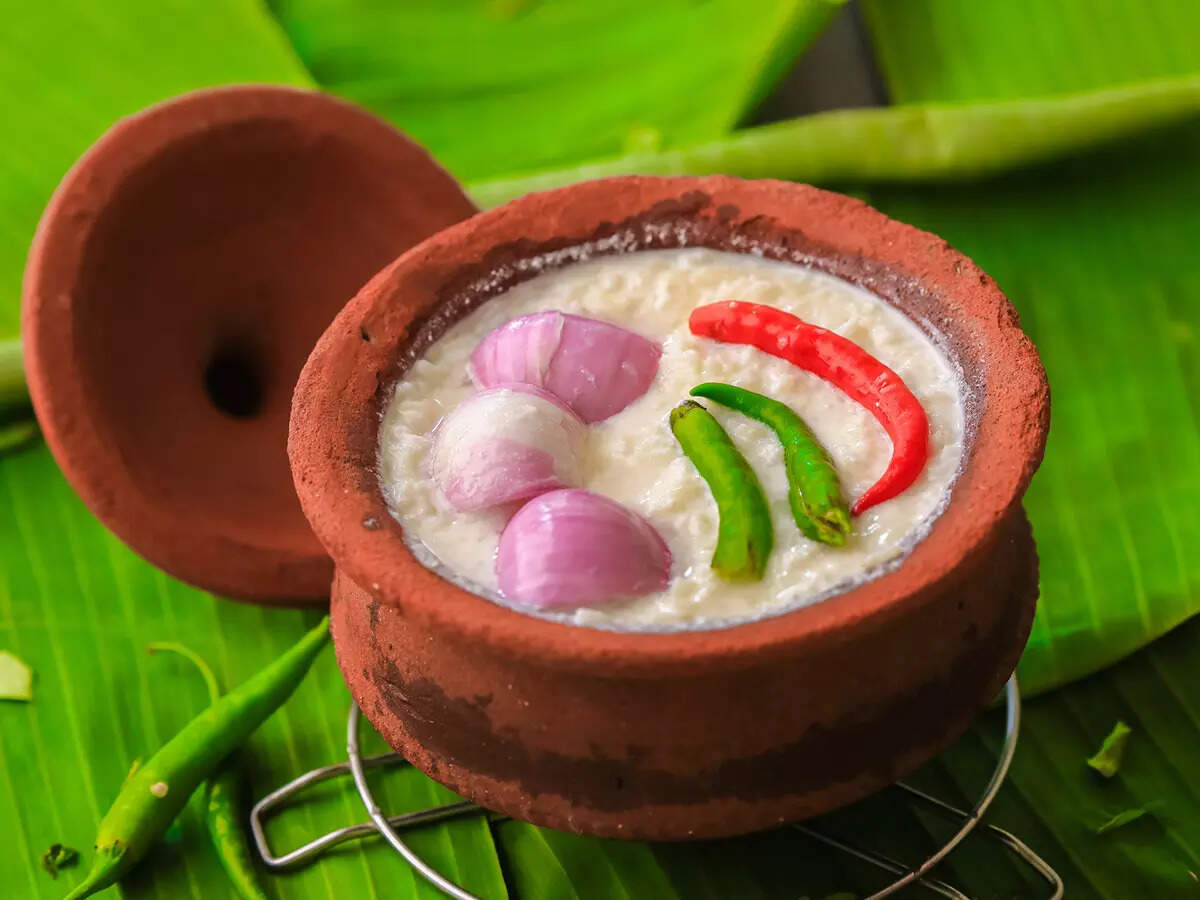
south indians have been eating curd rice for centuries and the real reason goes way beyond taste or culture
it’s one of the smartest gut-healing meals ever created
the science explains why now but the practice was already perfect.
when you cool cooked rice, the starch restructures. it becomes resistant starch, which your stomach can't break down. so it travels to your colon intact.
there, gut bacteria ferment it into butyrate and other short-chain fatty acids. those compounds heal your gut lining and reduce systemic inflammation.
fresh curd contains 2-4 dominant lactobacillus strains that produce enzymes, break down sugars, and crowd out bad bacteria. together with the rice, you get a synbiotic effect - probiotics plus the fiber that feeds them.
clinical studies show this combo works. fermented rice meals ease gut discomfort.
LAB-rich foods improve lactose tolerance and lower cholesterol. resistant starch increases beneficial microbes and even relieves constipation by rebalancing your microbiota.
but here's the thing most people miss: this only works if you let the rice cool before adding the curd. hot rice kills the live cultures. warm rice is fine. cold is better.
Pro Tip: Make It Work
Recipe (1 serving):
Cook ½ cup basmati rice
Cool in fridge 2-24h
Mix with ¾ cup fresh curd + pinch of salt
Optional: Temper with mustard seeds, curry leaves, ginger.
Taraprasad Bahinipati is a veteran Congress MLA from Jeypore, Odisha, elected multiple times (2000, 2004, 2014, 2019, 2024). He's focused on youth employment, sustainable agriculture like millet farming, and KBK region development, emphasizing local welfare in Koraput.
Compared to Naveen Patnaik (ex-CM, broad state reforms) or Dharmendra Pradhan (Union Minister, national policies), Bahinipati's work is more grassroots, with vocal opposition in assembly. He's faced criticisms for disruptions but retains a clean image per election wins. Sources: Wikipedia, MyNeta, New Indian Express.
VIDEO | Odisha assembly session: Congress MLA Taraprasad Bahinipati says, “The BJD deliberately created a ruckus and walked out, joining hands with the BJP to block the no-confidence motion… We raised our voices, we introduced it, and if the BJD later comes forward, we will consider whether to support them or not. But it must first be accepted.”
#OdishaAssembly
(Full video available on PTI Videos - https://t.co/bIyFWTfmBd)




![Rainmaker1973's tweet photo. Scientists warn that the powerful El Niño now developing in the equatorial Pacific could become one of the strongest and most destructive on record, potentially rivaling the catastrophic 1877 event, the deadliest in modern history.
That 19th-century “Super El Niño” triggered widespread crop failures, devastating famines, and an estimated 50 million deaths worldwide. Climate models now suggest the 2026–2027 event could approach similar intensity.
As unusually warm ocean waters spread across the Pacific, they are already disrupting global atmospheric circulation. This shifts rainfall patterns, intensifying droughts in some regions while causing catastrophic floods in others, creating simultaneous threats to food and water security around the planet.
The greatest concern is the dangerous combination of this strong El Niño with today’s elevated baseline of human-caused global warming. Ocean temperatures are already at record highs, meaning this El Niño could push heat waves, wildfires, droughts, and floods to unprecedented levels.
Potential impacts include collapsing fisheries, mass coral bleaching, strained energy infrastructure, and severe pressure on global food supplies.
While exact outcomes remain uncertain, researchers say the growing confidence in a powerful event serves as an urgent call for governments to strengthen infrastructure, agriculture, and public health systems ahead of extreme climatic volatility.
[Severe Weather Europe. (2026). Atmospheric Code Red: 2026 Super El Niño Now Trending Toward Record-Breaking Intensity]](https://pbs.twimg.com/media/HIb9OkNWAAAPW9B.jpg)