H1 2026: $1.44B raised across African startups.
The real story isn't the raises.
It's the M&A... payment platforms merging, infrastructure swallowing apps.
The market's saying what we've believed from day one: build infrastructure, not features.
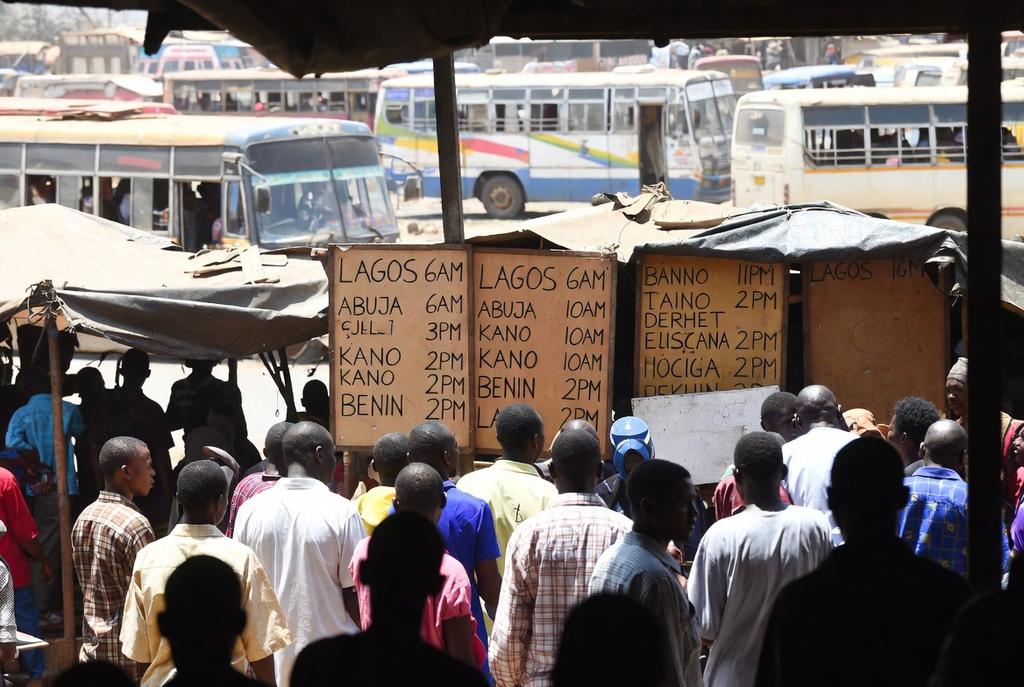
Nigeria and Ghana move tens of millions of people between cities every year.
Almost none of it is booked or trusted digitally.
TREKKA is the infrastructure layer for that, the system every operator eventually runs on.
Not a booking app. The rail underneath it..
The eye goes blind from the head.
Africa's transport infrastructure isn't broken because we lack technology.
It's broken because the institutions meant to build and regulate it were broken first.
Fix the head. The eye follows.
That's the deeper reason TREKKA exists.
NBS's latest numbers: intercity bus fares in Nigeria are up almost 22% in a year.
Abia — where I'm from, has one of the highest intercity fares in the country.
Prices keep climbing. Booking still happens by word of mouth and roadside shouting.
That gap is the whole opportunity.
The real resistance to bus travel in Nigeria isn't the traveler.
It's the mother calling every hour until the phone picks up.
Adoption fails when platforms solve for convenience and ignore the fear.
Trust starts with the person waiting at home, not just the one on the bus.
What I didn't know about African Intercity Transport before building TREKKA - and what changed how we build.
I knew the market was large, I didn't know how large, or how invisible.
Ten years from now, I don't think "booking a bus" will be a separate action from planning a trip at all.
It'll just be one layer in a system that already knows the route, the operator, and the price.
That's the world TREKKA is quietly building toward!
I'm Harrison — founder of @TrekkaHQ, building the infrastructure layer for African intercity mobility.
What that means: every bus, every route, every operator between African cities,
brought into one digital system.
Follow if that sounds like something worth watching.
The future of transportation in Africa will require both physical infrastructure and digital infrastructure working together.
This is one of the reasons we’re building TREKKA.
📊 Source:
UN Habitat: 🔗[https://t.co/mWTG4ppne7?]
#TREKKA#Mobility#AfricanTech#TechCabal
Africa’s cities are growing rapidly.
As urban populations expand, mobility demand increases too.
That means transportation systems will need to become:
✔ more efficient
✔ more connected
✔ more data-driven
#AfricanCities#Mobility#TREKKA#Urbanization#TravelTech
Why are long transportation queues still common across many African terminals?
The issue is bigger than “too many passengers.”
In many cases, the real problems are:
📄 Manual ticketing
💸 Cash-heavy operations
📍 Poor scheduling systems
📊 Lack of operational visibility
That gap creates:
- delays
- inefficiency
- revenue leakages
- poor traveler experience
Africa’s mobility future needs better infrastructure, both physical and digital.
That’s part of why we’re building TREKKA.
📊 Source:
African Development Bank: 🔗 https://t.co/I5pKXPrvro?
Did you know?
🚍 Road transportation accounts for the majority of passenger and freight movement across Africa.
Over 80% of passenger and freight movement in Africa happens by road.
Yet many transport systems still operate manually.
#AfricanMobility#Logistics#TREKKA
Technology alone won’t solve transportation problems.
But better systems can significantly reduce friction.
At TREKKA, we’re studying these gaps carefully as we build.
Because infrastructure is not just roads and buses;
it’s also the systems behind them.
#TREKKA#TravelTech