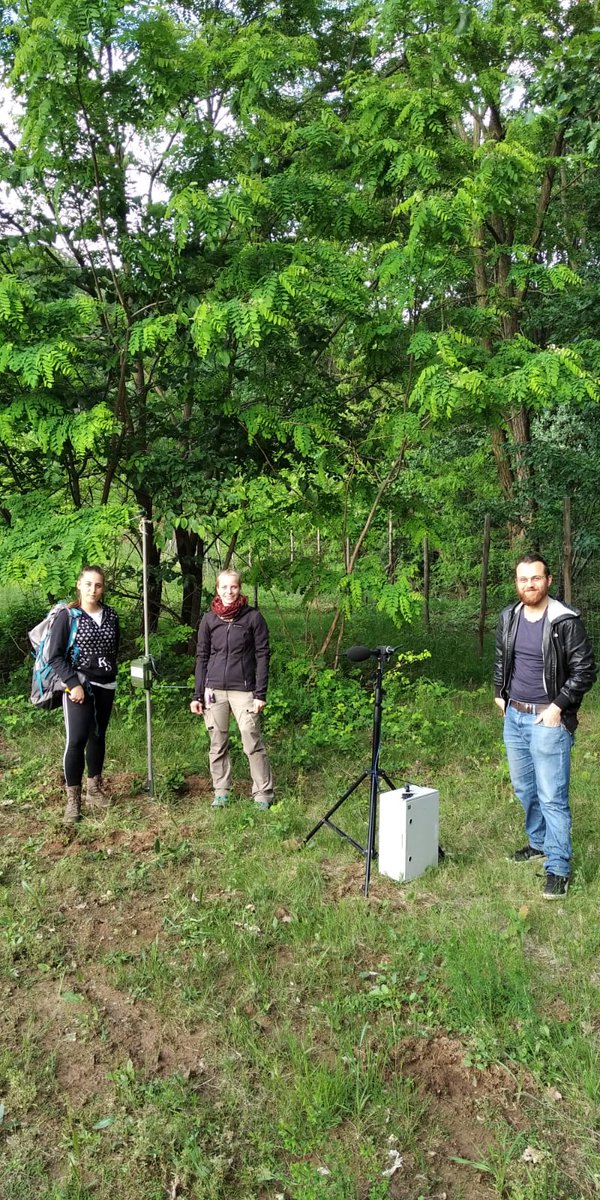
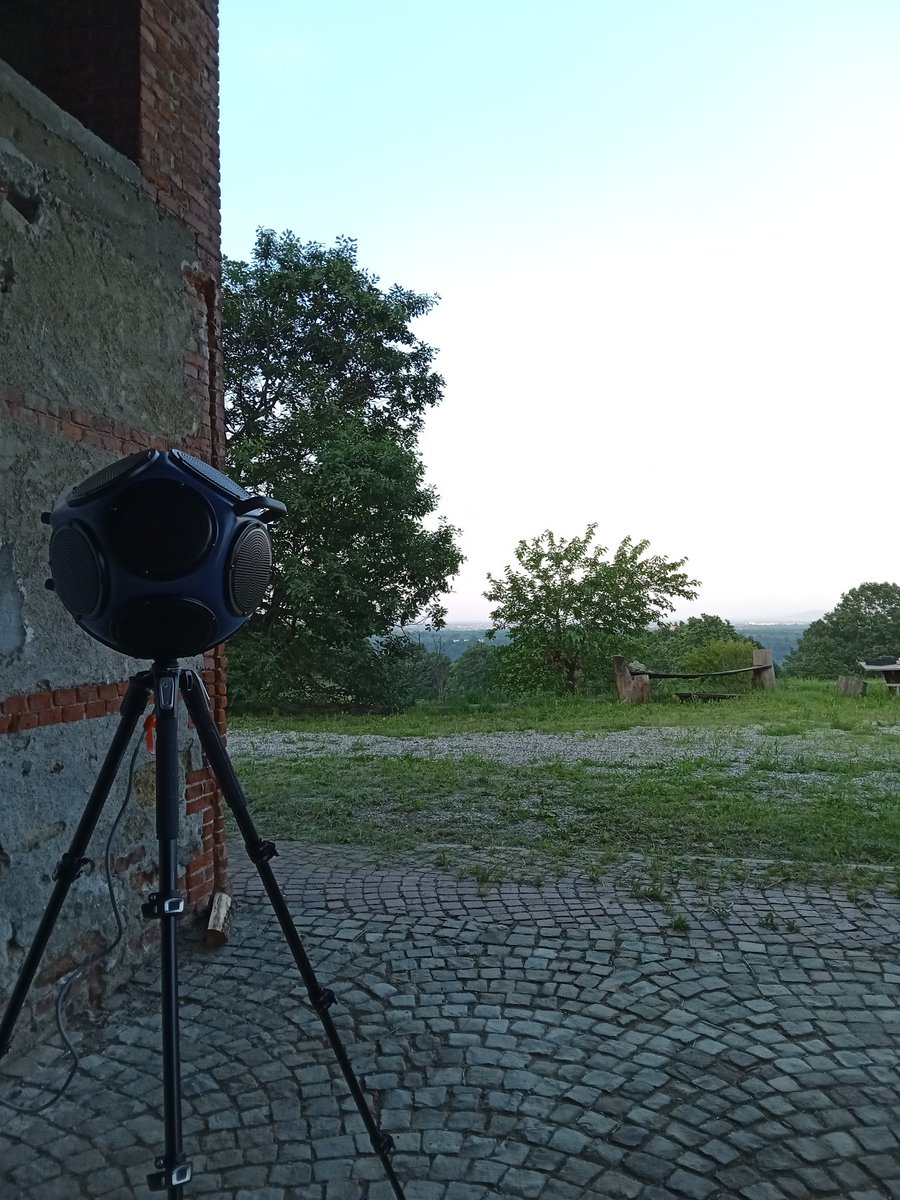
The results about the anthropogenic noise effects on moths were presented at the International Workshop MeAveAS. In our field experiment, we found no effects on moths, but more studies are necessary to understand this hard topic
#moths#impactevaluation#wildlifecommunities
𝙄𝙉𝙏𝙀𝙍𝙉𝘼𝙏𝙄𝙊𝙉𝘼𝙇 𝙅𝙊𝙐𝙍𝙉𝘼𝙇 𝙊𝙁 𝙎𝙋𝙀𝙇��𝙊𝙇𝙊𝙂𝙔 – 𝘾𝙖𝙡𝙡 𝙛𝙤𝙧 𝙋𝙖𝙥𝙚𝙧𝙨
The International Journal of Speleology is excited to announce a call for papers for a Special Issue on Cave monitoring.
More on: https://t.co/5SnStN9hKA
***EBRS is back!***
🦇16th European Bat Research Symposium
🗓️2-6 September
🛤️Tarragona (Catalonia, Spain)
🌐https://t.co/qR4nSKW61n
Save the date and get ready for the conferences ;) Looking forward to seeing all of you!
#bats#murcielagos#ratpenats#chiroptera
Our new study on the potential use of #smartphones for bat monitoring has just been released. At least nine species of European #bats can be recorded using mobile device built-in microphones, with significant opportunities for #citizenscience initiatives.
https://t.co/0Q6OXeoZ1R
Recent findings suggest that hibernation dates back at least 250 million years — making this adaptation a possible explanation for how our mammal ancestors survived multiple mass extinctions.
Swipe to learn how hibernation may have helped mammals throughout history.
#hibernation
Moth Myth: 'Moths are dull, brown and boring'
Simply not true! Many moths are beautifully coloured and some, almost gaudy, while others are more subtle with intricate patterns evolved for camouflage. 🍃
What's one moth myth you'd like to bust?
📷: Tamás Nestor
#MothsMatter
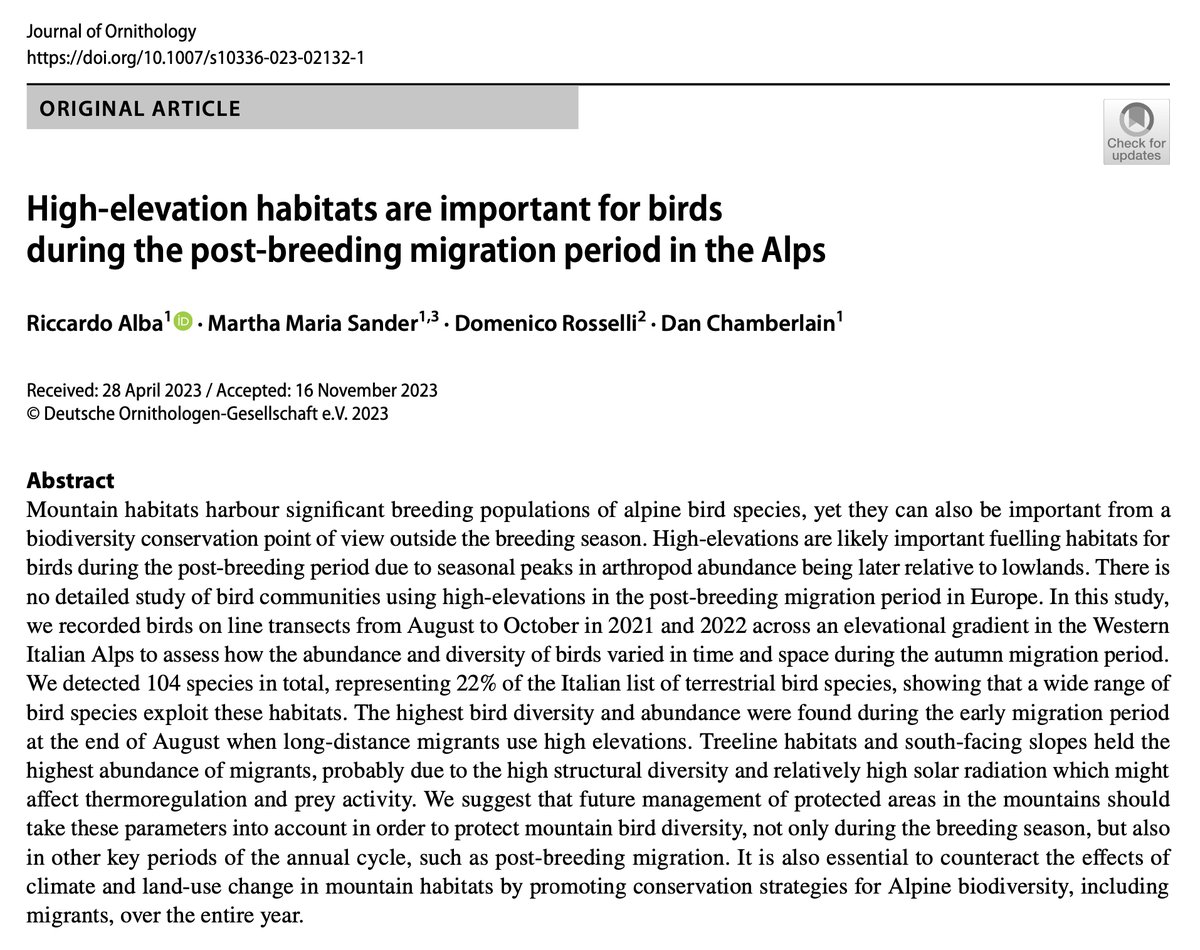
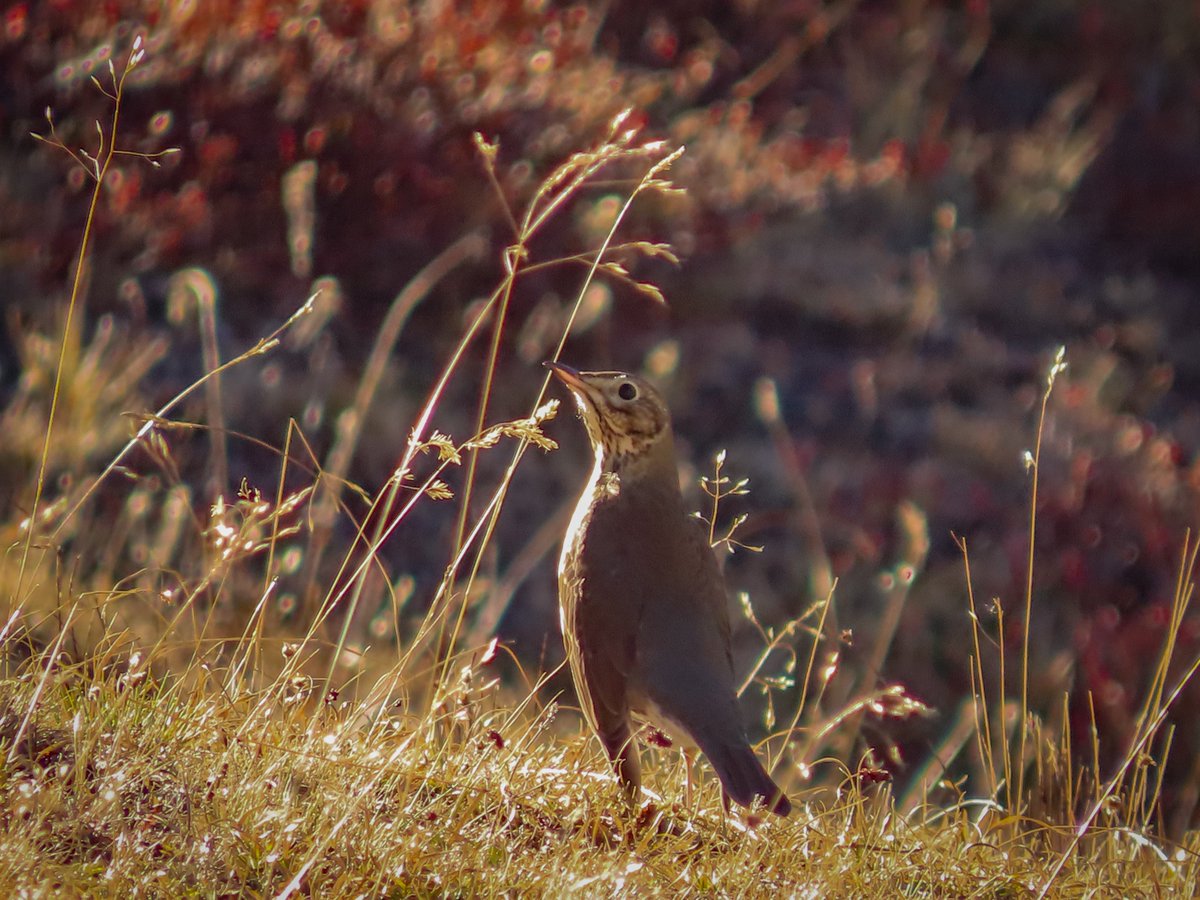
The 5th manuscript of my PhD Thesis is out today on #JournalofOrnithology! We showed the importance of high-elevation habitats as #stopover and fuelling sites for #migrating#birds during the #autumn migration on the #Alps. Please read more here https://t.co/UVhXqaNPzc
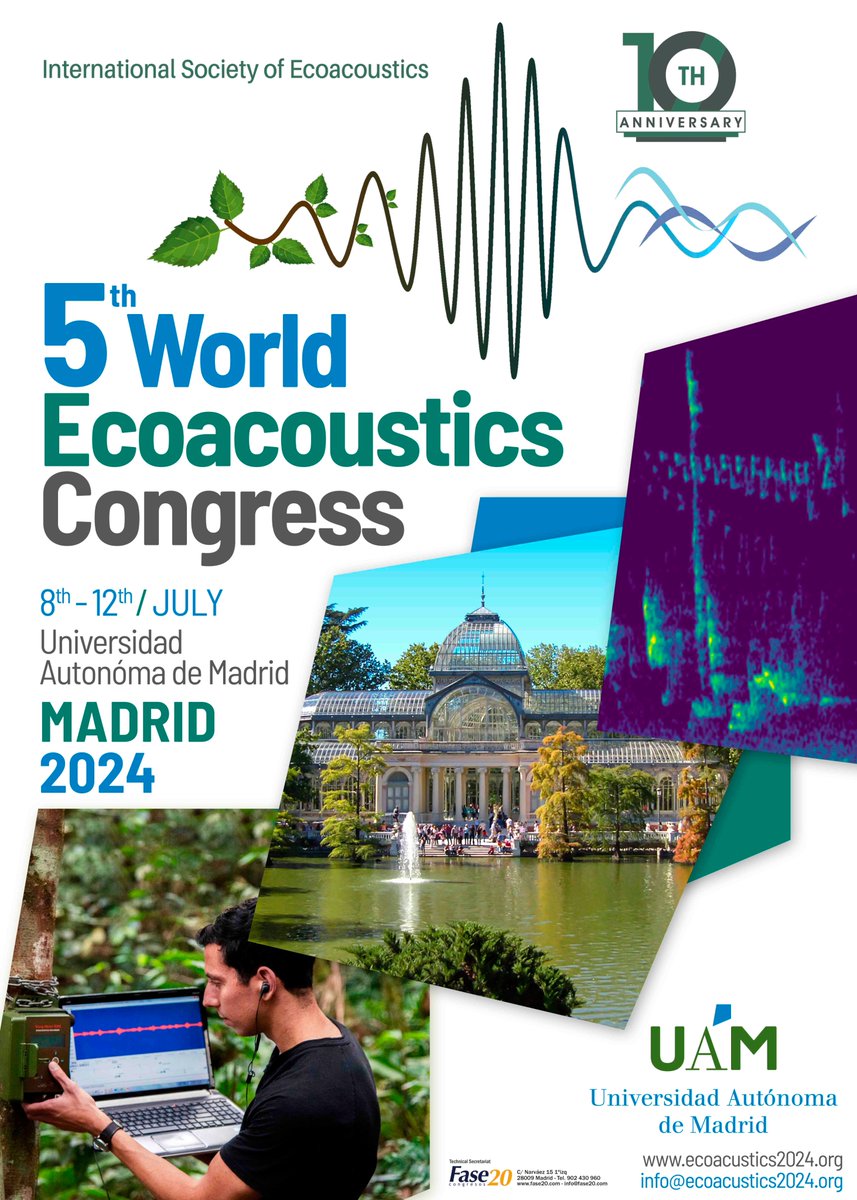
I am pleased to announce the 5th World Ecoacoustics Congress that will be held in Madrid from 8-12th July 2024, organised by the International Society of Ecoacoustics and @UAM_Madrid.
Save the date and follow us for news! @ecoacoustics2024 #ecoacoustics2024
https://t.co/MYMLOdY4mJ
A little story about river pollution, predation, and leg regeneration in Serratella ignita (Poda. 1761) (Ephemeroptera: Ephemerellidae), has already received 40 views! Thanks to the authors and to the Aquatic Insects for making the article possible.
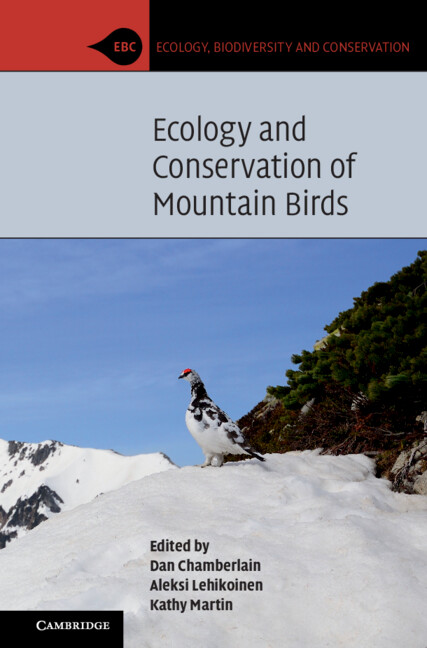
Published today: ECOLOGY & CONSERVATION OF MOUNTAIN BIRDS – the go-to publication for anyone interested in birds of high elevation habitats (and in alpine ecology in general)! Get your copy at https://t.co/4bk0coKDGu #alpinebirds#mountains
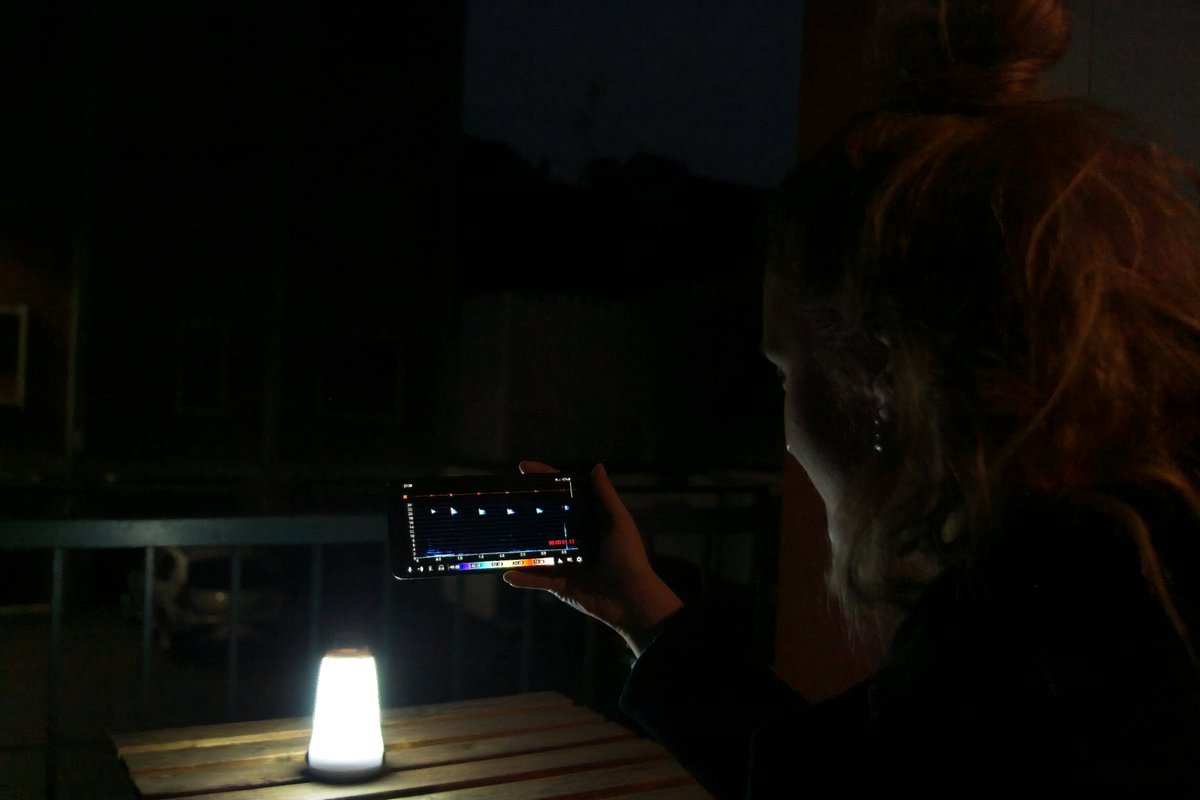
Tonight we start with the anthropic noise in the field. The sound source is a dodecahedron that emits constantly. At the same time we record bats activity. This will allow us to study the possible effects of noise on the community.
#bats#fieldseason#noiseresearch#wildlife
My online course on R for ecology is now OPEN! 🌿 Struggling with R? This one's for you.
Go here to pre-register: https://t.co/xWIyaMXtWJ
Enrollment ends Tues May 23rd, but you'll get lifetime access to do the course in your own time and on your own schedule.
#rstats#ecology
#Water, #Earth, #Air, #Fire Just finished the"Women in Travel" conference Biella May 13, 2023, some impressions of a beautiful event, thanks for the invitation!Festival del Viaggio Palazzo Ferrero with with speleologists @TrombinDenise Arianna Paschetto and Marta Layla Napolitano
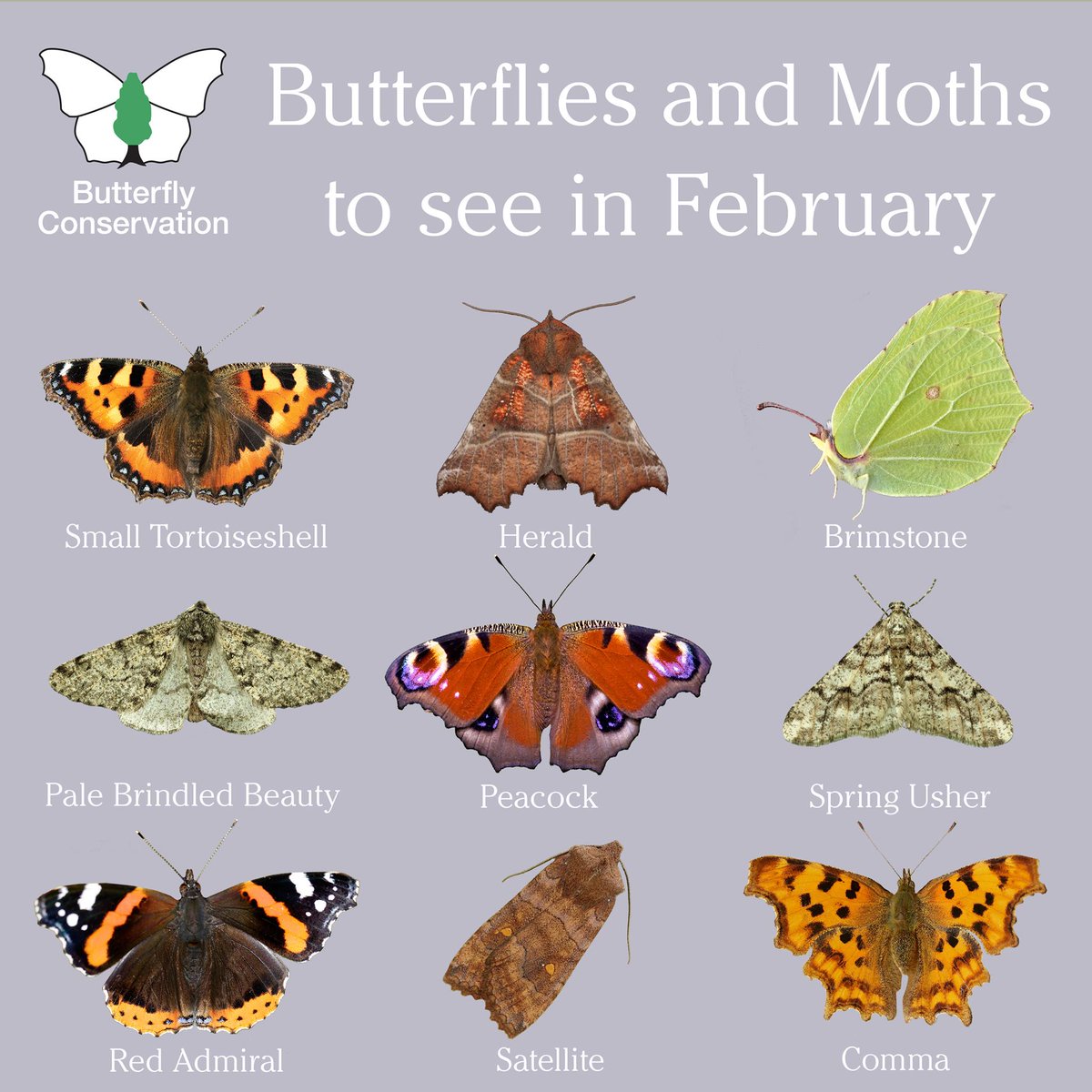
It's been a long month, but February is finally here!
As the days get longer and the flowers return, here are some of the species you could see over the next few weeks in your gardens and local green spaces. 🦋🏡🌼
#SaveButterflies#MothsMatter
Want to join my research group? TWO opportunities available! A fully-funded PhD (partnership betweeen @vincentwildlife@SussexLifeSci) on helping bats avoid roads and other anthropogenic obstacles will be advertised soon! Starts Sept 2023. #PhDchat#bats 🦇