The Fascinating History of Pantyhose
What we consider today an almost indispensable wardrobe accessory has surprisingly deep roots, stemming from simple practical needs and culminating in a true revolution tied to technological innovation and massive societal shifts in the twentieth century.
The earliest forms of leg covering date back millennia to ancient civilizations, where rudimentary cloth or leather wraps served to protect the feet and legs from harsh weather. Throughout history, from ancient Greece and Rome to the Middle Ages, stockings—often made from wool or silk—were worn, initially by men as a marker of status, though women gradually adopted them too. These early iterations were always separate garments for each leg, held up by garters or ties. During the Renaissance, silk stockings became a luxury item, meticulously crafted and often embroidered, reserved for the aristocracy. Even with the advent of the Industrial Revolution, which made hosiery more accessible, the basic structure remained: individual stockings requiring a complex system of belts and garters for support.
The true, seismic shift that set the stage for the modern pantyhose arrived with the invention of Nylon by Wallace Hume Carothers and his team at DuPont in 1937. Touted as being "as strong as steel, as fine as a spider's web," this synthetic fiber was poised to replace silk. The first nylon stockings made their public debut in 1939 at the New York World's Fair, causing an immediate sensation. Women lined up for miles when they officially hit stores in 1940. However, the onset of World War II diverted nylon production to the war effort, turning stockings into scarce, almost mythical commodities for American women. After the war concluded, the pent-up demand exploded, with women once again queuing up just to purchase this desirable item.
The invention of the pantyhose as we know it—the one-piece garment combining underwear and stockings—is credited to Allen Gant Sr. of Glen Raven Mills, who first marketed them in 1959. This clever design integrated the top portion of underwear with the sheer nylon stockings, entirely eliminating the cumbersome and often uncomfortable need for garters and girdles, addressing a growing demand for comfort.
The accessory’s meteoric rise to cultural icon status coincided perfectly with one of the greatest fashion upheavals of the era: Mary Quant’s miniskirt of the mid-1960s. As hemlines soared, exposing legs well above the knee, pantyhose provided the perfect practical and aesthetic solution. They instantly transitioned from being merely functional to becoming a powerful symbol of rebellion, modernity, and female emancipation. Designers like Quant embraced them, splashing them with vibrant colors, bold geometric patterns, and imaginative designs that celebrated this new sense of freedom.
In the decades that followed, pantyhose continued to adapt. The 1970s and 1980s saw the rise of opaque tights, fishnets, and early versions of control-top styles aimed at body shaping. The aerobics craze even made stretch leggings a symbol of fitness and wellness. Today, the evolution continues with innovative materials offering thermal regulation, seamless construction for an invisible fit under the most body-hugging dresses, and an endless variety of sheerness levels (DEN), colors, and textures. From the status symbol of silk stockings to the ultimate symbol of '60s liberation, the history of pantyhose is deeply intertwined with the narrative of modern fashion and the changing role of women in society, confirming their status as an accessory both utterly practical and profoundly symbolic.
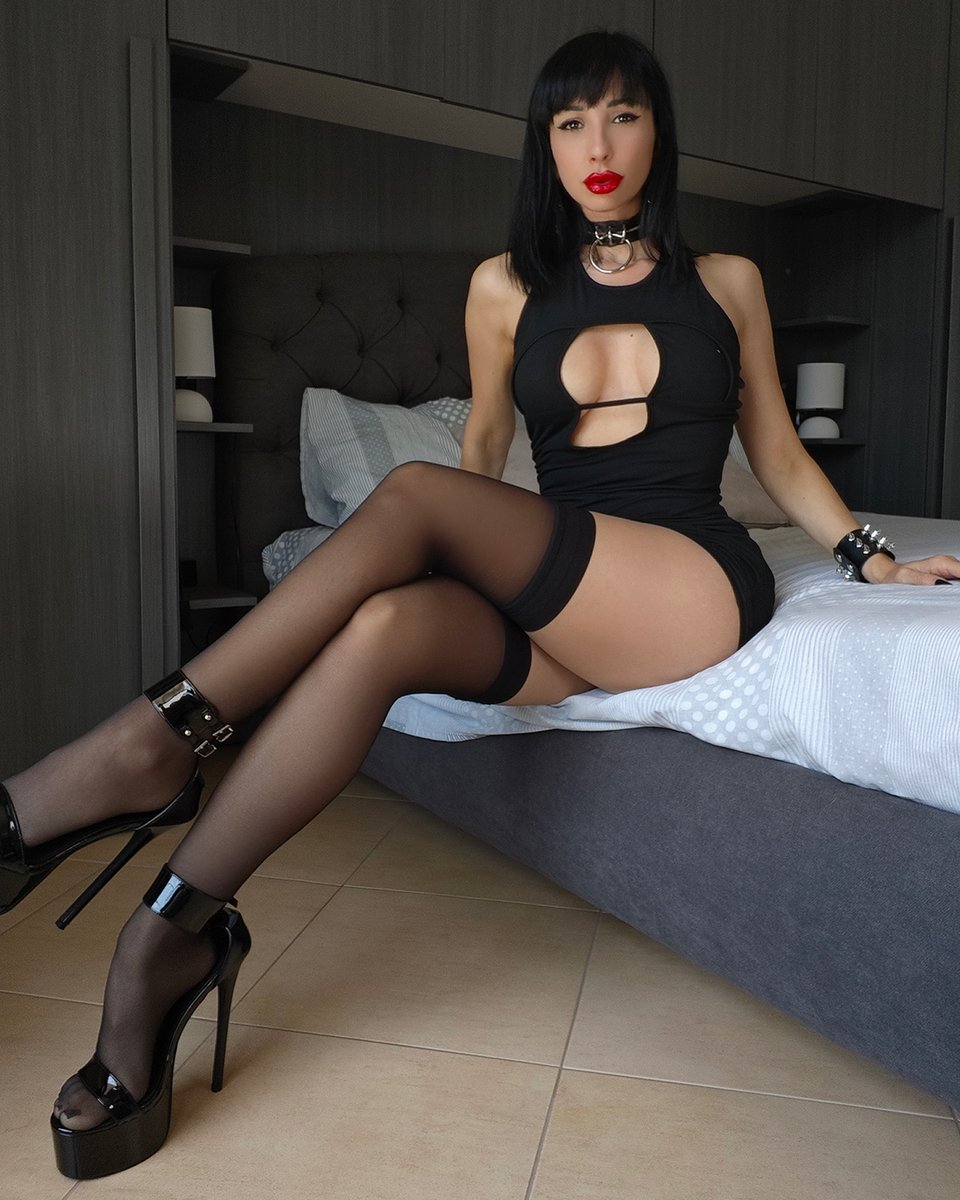
Every look is a silent invitation, every curve a mystery to unravel.
A deeper sensuality lies beyond what's visible, a thrill that's waiting to be found.
Let yourself be drawn in by the wild's call.
Are you ready to play with me?
#hosiery#stockings#highheels#femalemodel














![driver_ito's tweet photo. 「鍋つゆは買うな」でおなじみのリュウジさんが、ついに市販鍋つゆを発売しました!
もちろん両方買いましたが、まずは至高のキムチ鍋!🍲
……ひとくち食べてすぐわかりました!
これ、リュウジさんレシピ『至高のキムチ鍋』の完全上位互換だ!
ヤバい、箸が止まらない、めちゃくちゃ美味しい!
そして冷凍餃子がめちゃくちゃ合う!🥟
シメはチーズ雑炊!
伝えなくても美味しさは……わかりますよね……!🤤💕
鬼リピ確定、とりあえずまとめ買いします!
【材料例】
至高のキムチ鍋スープ、白菜、長ネギ、豚バラ肉、ニラ、冷凍餃子、キムチ
[シメ]
洗ったご飯、卵、ピザチーズ
※味変でラー油•花椒](https://pbs.twimg.com/media/G3B1mchbwAA3gb9.jpg)