Stop sending the guilt text when someone calls out.
"Really disappointed nobody can help tonight" might get a reply, but it also gets your chat muted.
Neutral alert, clear shift details, real incentive, sent to all qualified staff works better.
https://t.co/cX8izJhOzW
Group texts feel fast, until a callout hits and 30 people ignore it, then 3 wrong replies show up at once.
Shift coverage works better when requests go only to qualified off-duty staff, with replies tracked in one place.
https://t.co/cLKhZ4wNVo
4:07 p.m. Friday, a cook calls out. If your backup plan is a 45-minute phone tree, the issue is not the callout. It is the system. The same people covering every time is how burnout starts. https://t.co/u0PpOxx3co
Staff do not usually stop showing up out of nowhere.
Late schedules, clopens, last-minute changes, and guilt-based coverage are usually the real problem.
A picked-up shift works better than a forced favor.
https://t.co/0xnY31i124
Your schedule is not your backup plan.
At 4:12 p.m., when a cook calls out and nobody knows who can close the grill, you find out fast whether you have a schedule or an operating system.
https://t.co/4cekiRLfiP
If the same 2 or 3 people always cover callouts, you do not have a staffing solution. You have a burnout pipeline.
Open shifts should hit every qualified off-duty worker, not just the usual yes-people.
https://t.co/gvHHC732sk
At 2:07 AM, an open shift is not a scheduling issue. It is a guest waiting, a short team, and a manager texting one person at a time.
Overnight coverage needs a faster system, not more hope.
https://t.co/hwu8xXzO7O
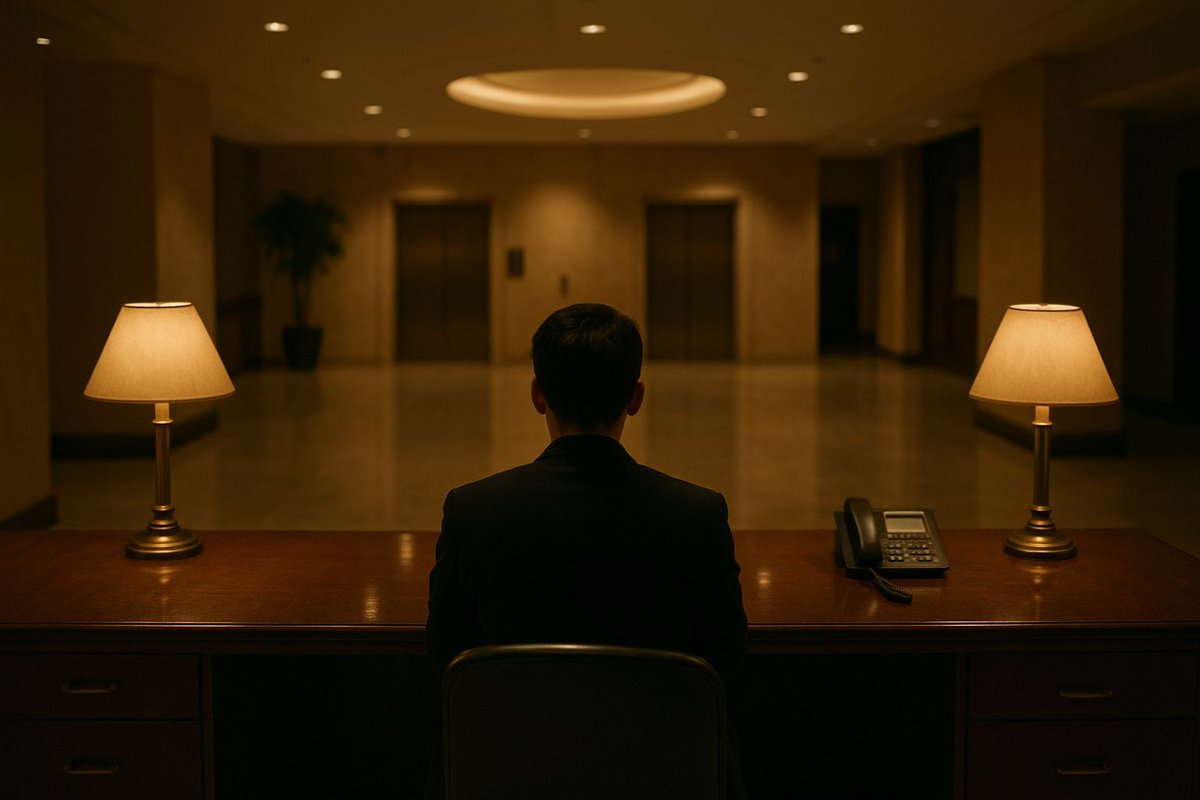
At 2:03 a.m., an empty front desk is a security problem, not just a staffing problem.
Overnight callouts need fast outreach, clear shift details, and a real backup bench, not unanswered group texts.
https://t.co/dQqPxaQKU4
A nursing home callout at 5:15 a.m. is not just a scheduling issue. It can mean delayed med pass, missed lifts, and stacked call lights before breakfast. Coverage has to match credentials fast, not just find a body. https://t.co/VVKCJ6izgq
One 6:12 a.m. callout can cut a small café's opening staff in half.
The real problem is speed. If coverage is not moving in the first 15 minutes, you are already in triage mode. https://t.co/94rPFircCj
Phone trees do not break at 2 pm. They break when a cook calls out 90 minutes before dinner.
If your coverage process depends on one manager chasing replies, it is not a system, it is hope with extra steps.
https://t.co/0s4vtidg9F
A 3:17 p.m. callout can turn into premium pay, clopening issues, or a compliance mess if the posted schedule is already live.
In 2026, shift coverage has to be voluntary, documented, and clean.
https://t.co/QsiP7sudXZ
A phone tree feels like action, but it burns the 10 to 15 minutes that matter most when someone calls out 90 minutes before service.
Unknown numbers, voicemail, and one-by-one dialing are why shifts stay open too long.
https://t.co/hpjwt4yaME
One server callout can cost more than the missed labor.
Lose 4 table turns at $75 to $120 per table, and dinner is already down $300 to $480. Then come lower checks, comps, and overtime.
That is the real hit from short staffing. https://t.co/Wpq2gYsKOi
One employee quits, and the real cost is rarely just hiring.
Think overtime, slower tickets, training drag, and burnout that triggers the next callout. Turnover often starts in the schedule, not the exit interview.
https://t.co/28c2leGSvg
Your best employee usually quits first.
Not because the work is hard, because they become the default fix for every callout, mistake, and bad schedule. Good staff leave when reliability starts feeling like a penalty. https://t.co/vIH4XRTNCw
One repeat callout is not just an open shift. It is a fairness problem.
Your best people stay late, skip breaks, and carry the load until they stop caring or start leaving.
Track the pattern before it costs you your strongest staff. https://t.co/IUkW47e6n9
Clopening does not just wear people out. It creates mistakes, callouts, and turnover from your most reliable staff.
If your opener got 5 hours of sleep after closing, the shift is already off track.
https://t.co/ZMB3qWpdd2
5 missed calls can wipe out 30 minutes, and on a busy shift that is the difference between a controlled rush and a shift that never recovers.
Phone trees are slow because they rely on one person answering at a time. https://t.co/2aOfp3v11z
Holiday staffing problems usually start with small delays, late schedules, unclear time-off rules, and no backup bench.
A solid holiday plan fixes those before Thanksgiving, not during a Christmas Eve callout.
https://t.co/G7JYaTVZe2