the core math behind mera comes from the same idea as the original f(x) model: one reserve is split into two claims, but the total value never changes. if the underlying stock token is worth $100, then the defensive claim plus the turbo claim must always add back to $100. in simple terms, f + x = p. the defensive side is given a target beta, so if its beta is 0.20 and the stock moves 10%, that side is designed to move roughly 2%. whatever part of the move the defensive side does not take is automatically pushed into the turbo side. nothing is being created or borrowed, the protocol is just redistributing the same underlying risk between two different holders.
the turbo leverage comes directly from how much of the reserve sits on each side. mathematically it is x beta = 1 + (1 − defensive beta) × f / x. so if 60% of the reserve sits on the defensive side, 40% sits on turbo, and the defensive beta is 0.20, turbo comes out at roughly 2.2x exposure. if the underlying rises 10%, defensive moves about 2% while turbo moves about 22%. the important part is that this leverage is not manually chosen and it is not fixed. it changes as the value of each side changes, which is why mera shows the current turbo leverage and junior buffer rather than pretending every turbo position is permanently 2x or 3x.
that junior buffer is basically the amount of the reserve still belonging to the turbo side, and it is what protects the defensive side from taking the full move. as the underlying falls, turbo absorbs more of the loss, its buffer gets smaller and its effective leverage rises. this is why a position that started around 2.4x can become much more leveraged after a large drawdown without the holder doing anything. if the buffer is completely exhausted, turbo reaches zero and is written down rather than liquidated, after which the defensive side can no longer keep the same reduced sensitivity. so the whole system is really a transparent trade between two preferences: one side gives up most of the upside for reduced downside, while the other takes that risk in exchange for amplified exposure.
tvl has now reached $33.3k and continues to climb as more liquidity moves into mera. with depth building across the existing markets, we’re now in a position to keep expanding the asset set without spreading liquidity too thin. more markets will be added from here.
track it at https://t.co/OOI9uxbTRz.
tvl has now reached a level where we’re comfortable expanding the market set without spreading liquidity too thin. the 12 new markets are now live, and we’ll keep adding assets as depth continues to grow rather than chasing market count for the sake of it.
view stats at https://t.co/OOI9uxbTRz
12 new markets have now been added to mera: COIN, TSM, ASML, LLY, UNH, GLD, VTI, RDDT, SHOP, BA, LMT and SLV. this brings a wider mix of equities, ETFs and commodity exposure into mera while keeping the focus on markets where we can support meaningful depth.
trade now at https://t.co/GP5eiodqu6
liquidity is now at a point where we can start opening up more markets without sacrificing depth across the ones already live. from here we’ll begin rolling out new assets gradually, keeping the focus on useful liquidity and clean execution rather than just adding markets for the sake of it. stay tuned.
$16,400 has already been generated from token and platform fees and has now been moved directly into the vault to deepen liquidity across mera markets. total tvl now stands at $29,194.
stats: https://t.co/cnwsQ6LrHV
vault: https://t.co/kY9HFxvMcU
an update was just pushed to mobile. the experience should now feel much cleaner across smaller screens, with the main flows, markets and position views all tightened up so using mera on mobile feels far closer to the desktop experience. enjoy https://t.co/xAOrrU98Qi
$MERA - 0xa4586bbcd0f6891bc377029b3d1c4732e7e1378c
https://t.co/GP5eiodqu6
mera turns tokenized stocks into programmable risk markets. one reserve can be split into defensive exposure that takes only a fraction of each move and turbo exposure that absorbs the rest, creating amplified upside and downside without borrowing, funding rates or a traditional liquidation price. instead of everyone being forced into the same 1x stock exposure, mera lets the market decide where that risk should sit.
the majority of mera liquidity has now been consolidated into one vault, with 68% coming from users across existing vaults and the remaining 32% seeded by us.
stats: https://t.co/Rt3nUm5vZ2
vault: https://t.co/gUW34WEz2p
it’s only been a few hours and we’ve already seen this much liquidity move into the vault, which says a lot about where demand could go from here. the rest was seeded by us to give the major markets a stronger base from day one, and with volume moving this quickly we’re adding 12 more assets very soon.
try https://t.co/GP5eiodqu6
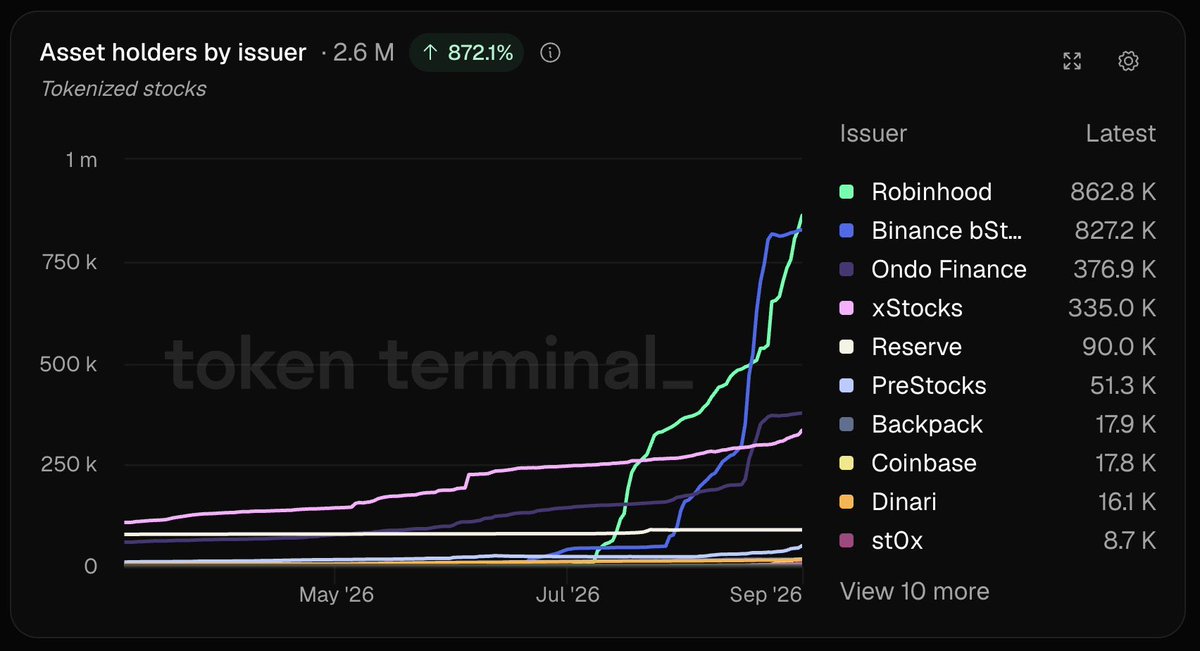
robinhood chain has already pushed past $1b in tokenized stock volume, but almost all of that activity still trades the same 1x exposure. mera brings the f(x) model to those markets, letting the same stock be split into defensive and turbo exposure without borrowing, funding rates or liquidations. as stock token volume grows, we think programmable risk becomes one of the most interesting layers to build on top of it.