Car dealer groups survey the sale and ignore the service lane, where customers return between purchases and decide where to buy next. A short survey after each service visit, compared rooftop by rooftop, shows a struggling store within a month.
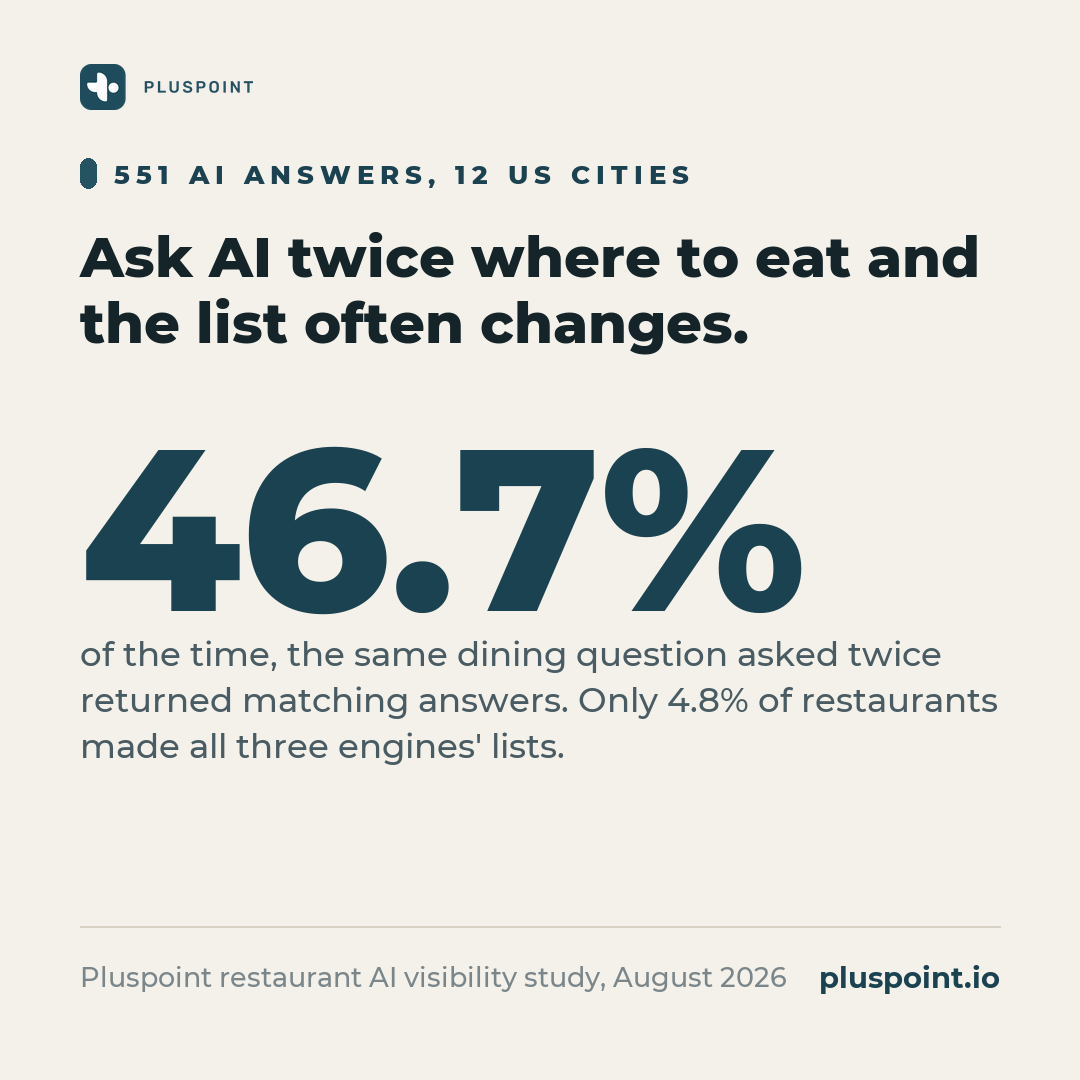
ChatGPT's search volume is about 20% of Google's, an OpenAI product lead said. For restaurants, one check of AI answers misleads: asked twice, ChatGPT, Gemini and Perplexity gave matching lists 46.7% of the time. Track a monthly rate per location instead.
Dental groups lose patients without a complaint: one skipped cleaning turns into a year away. A win-back message from the practice they visited, sent once they pass their usual gap, brings them back without anyone at 30 offices having to remember.
Bing and Copilot: after 1 March 2027, Bing stops reading the old NoArchive and NoCache tags as a training or grounding preference. Brands with hundreds of location pages should find those tags now and set the new AI preference once, centrally.
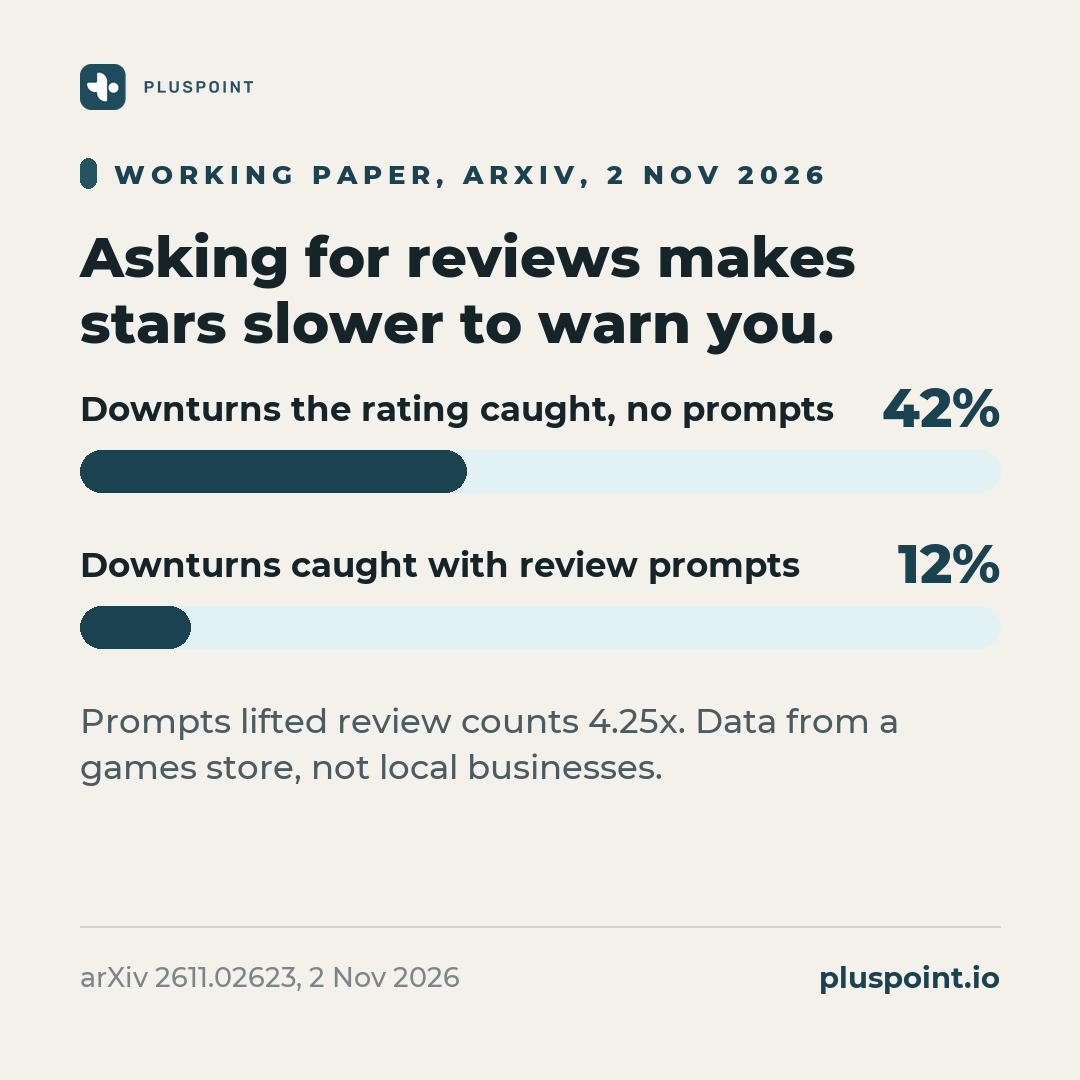
Review prompts: a new arXiv working paper finds asking buyers for reviews lifted review counts 4.25x, but the rating then caught 12% of quality downturns instead of 42%. Brands that ask every customer should watch what low reviews say, not the average.
Tripadvisor took a $369.5M impairment on its hotels business and blamed traffic headwinds from changes in search. Guests now meet reviews through Google and AI summaries first, so a restaurant or hotel group's Google reply rate deserves the attention.
Review replies across borders: Pluspoint's AI now answers a written review in the language it came in, and a bare star rating in the language of the location's country. For groups in several countries, the country field on each location now sets what guests read.
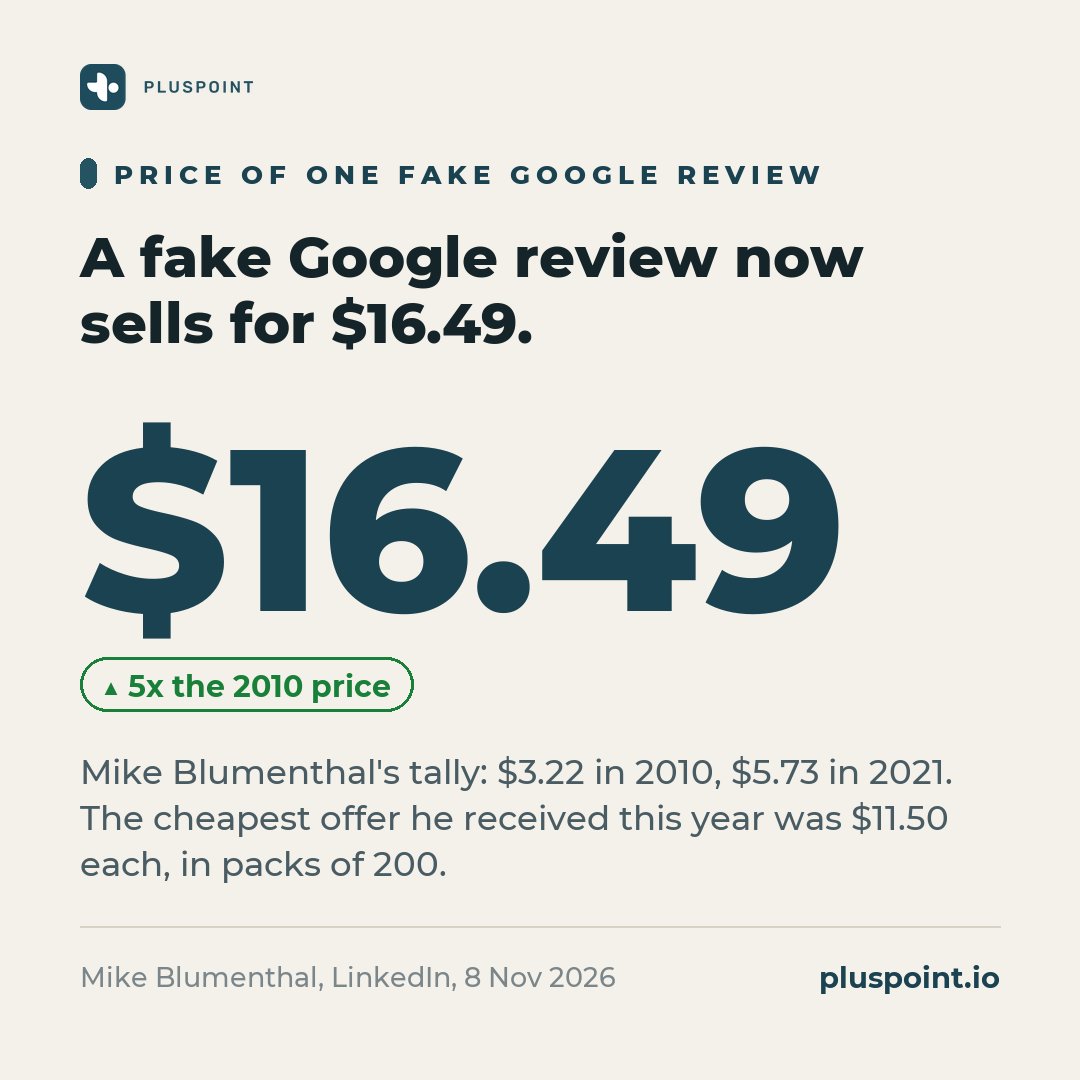
Fake Google reviews now cost about $16.49 each, up from $3.22 in 2010, by Mike Blumenthal's count of 14 sales pitches since August. Location managers get these emails too, so multi-location brands need a written no-buying policy sent to every branch.
Third-party offers on Google listings: Google's help page says a provider must remove its discount badge within five business days once the business asks. Restaurant groups should check every location for badges from old delivery partners and log each request.
Google AI Mode now links homeowners to booking through Angi, Thumbtack, Housecall Pro and Jobber in the US. Jobber wants the Business Profile linked at the same address, so franchise branches on mixed software or messy profiles get left out. Audit both this month.
McDonald's will let US customers review each restaurant visit inside its app from the end of Q4, CEO Chris Kempczinski said. The biggest chains now collect feedback per location before it turns into a public one-star. A QR code on the receipt does the same for any group.
AI ordering, measured: Uber says about 500 of its delivery orders last week started with an AI agent, out of roughly 320 million trips. Restaurant groups weighing an agent budget should still fund what drives orders today: listings, photos and review replies.
Google's Gemini tools for Business Profiles, the ones that update hours and answer reviews, are off for anyone who manages more than one verified profile, per Google's help page. Multi-location teams should keep their current process; it is a one-store tool for now.
Google Business Profiles: a Book online button is appearing on listings that never set up booking, and when it points at Google's own reservation page it returns an error. Across 40 locations that means lost appointments nobody reports. Tap every button this week.
Bad reviews at multi-location brands: the person behind a one-star is usually still local and reachable. A same-day call from that location's manager wins more of them back than a polished public reply, so route every 1 to 3 star review to the branch within 24 hours.
Meta's Zuckerberg told investors that when personal AI agents call a business, a business agent should answer. For a 40-location group, more inbound questions will come from software that wants one consistent answer per location, on every channel.
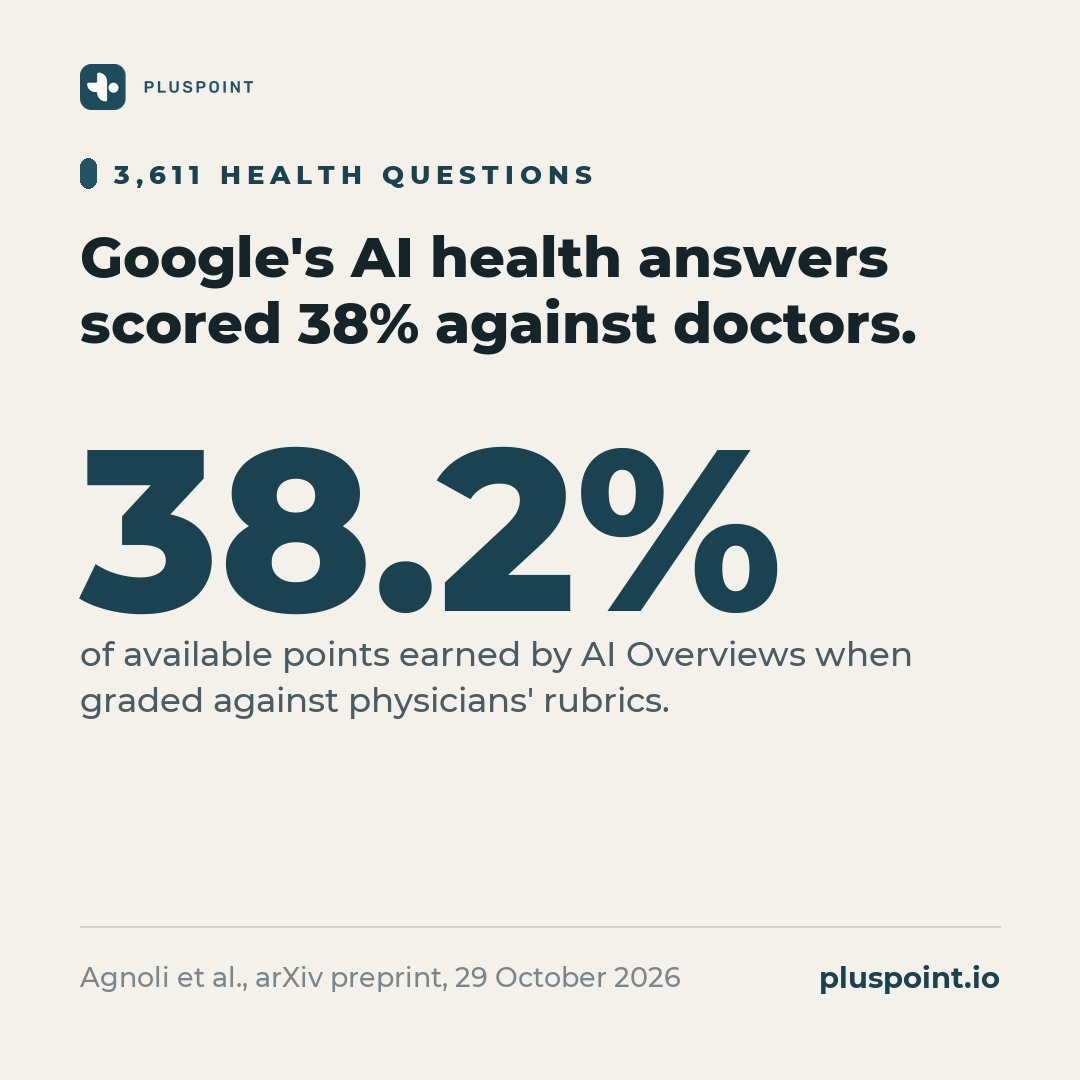
Health questions in Google: a new preprint graded AI Overviews on 3,611 questions against physicians' rubrics, and they earned 38.2% of the points. For dental and clinic groups, clear answers on each practice's own pages give patients and AI a better source.
Google AI Mode: Sundar Pichai says its queries run three times longer than classic searches. Longer questions ask about parking, late hours and dietary options. For a chain those are per-location facts, so check them at every site, not just the flagship.
Car dealers in California: under the CARS Act, Toyota of Riverside's GM says his team reworked CRM processes and automated messages so price disclosures go out in writing. In a dealer group one bad template repeats on every rooftop, so audit them all.
Google is expanding ads in AI Mode to 10 more countries, with Brazil, Mexico and the UK next this quarter, plus ads on follow-up questions in the US. Multi-location brands should record where each location shows up in AI answers now, before paid lines crowd them.