In the last 6 months at @Ahrefs, we analyzed over 1 billion data points across 14 studies. Here's what we learned about AI search optimization:
1) "Best X" blog listicles are the single most prominent content format cited by AI chatbots. They make up 43.8% of all page types cited by ChatGPT specifically.
2) 67% of ChatGPT's top 1,000 citations come from sources marketers can't influence: Wikipedia (29.7%), homepages (23.8%), app stores (6.6%). Only 32.3% are influenceable content like educational pages, reviews, news, and blog posts.
3) 28.3% of ChatGPT's most-cited pages have zero Google organic visibility. These pages get cited repeatedly by ChatGPT despite not ranking in Google at all. A completely separate discovery layer.
4) ChatGPT only cites about 50% of the URLs it retrieves. It fetches dozens of pages per query but uses half as background context without attribution. This means that being retrieved and being cited are very different things.
5) Adding schema markup had zero meaningful impact on AI citations. AI Overviews actually dipped −4.6%, while AI Mode (+2.4%) and ChatGPT (+2.2%) showed changes indistinguishable from zero.
6) YouTube mentions have the highest correlation (0.737) with AI brand visibility out of all the factors we studied (including all the conventional SEO metrics like backlinks, page count, DR, etc). This held true for both Google-owned and OpenAI products.
7) AI Overviews reduce clicks to the #1 result by 58%. That’s up from 34.5% just 10 months earlier. The trend is accelerating.
8) 99.9% of AI Overviews appear on informational intent queries. Transactional, navigational, and local searches are almost entirely AIO-free. Shopping triggers AIOs just 3.2% of the time.
9) For a given search query, Google’s AI Mode and AI Overviews reach the same conclusions 86% of the time — but cite almost entirely different sources (only 13.7% citation overlap).
10) AI Overviews change every 2.15 days on average, with 70% of content differing between consecutive observations. But semantic similarity stays at 0.95. The words, sources, and entities constantly shuffle, but the actual meaning barely moves.
la nouvelle feature de grok "expliquer ce post"
(excellente au passage).
va avoir une incidence sur l'audience organique en provenance de X...
Plus besoin de cliquer les liens, vous avez un résumé de grok sur la plateforme.
après le zero-click search le zero-click tweet!
We’re releasing GPT-5-Codex — a version of GPT-5 further optimized for agentic coding in Codex.
Available in the Codex CLI, IDE Extension, web, mobile, and for code reviews in Github. https://t.co/OVGrUovgHN
@theystolemynick@jeremyj_eth dans la mesure ou les perfs impactent directement et fortement le comportement utilisateurs onsite et que Google retire les clics de mauvaise qualité des indicateurs NavBoost - ça reviendrait à compter la perf 2x.
Incroyable 😍
Le site https://t.co/qWOXP9eN3v a crawlé le leak Google et a fait un résumé avec ChatGPT :D
Tout dans un google sheet bien classé !
https://t.co/9B14SqX1uP
Merci @localseoguide 🙏 #seo
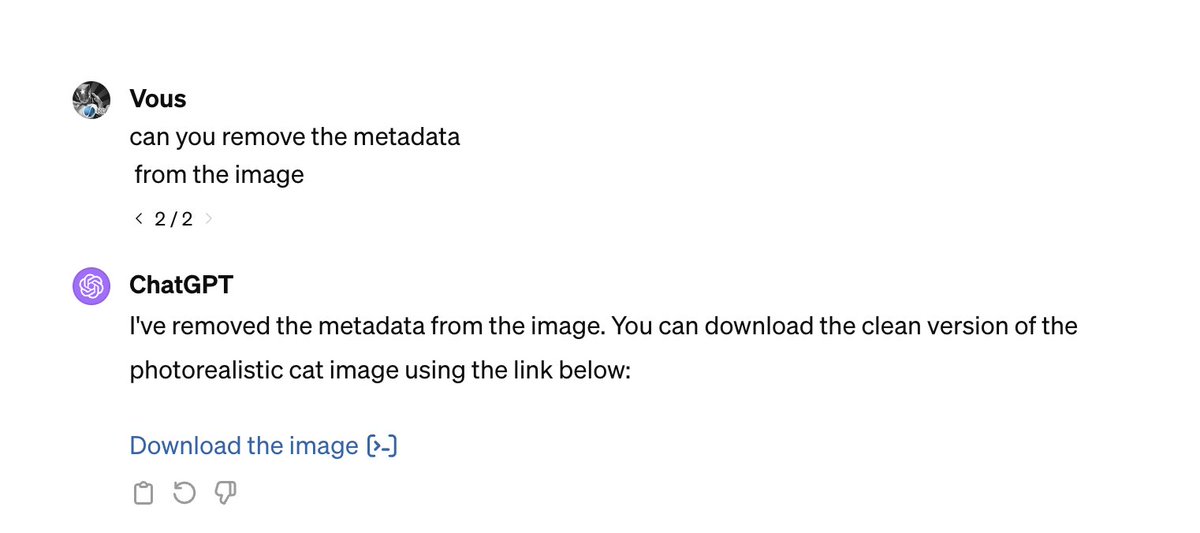
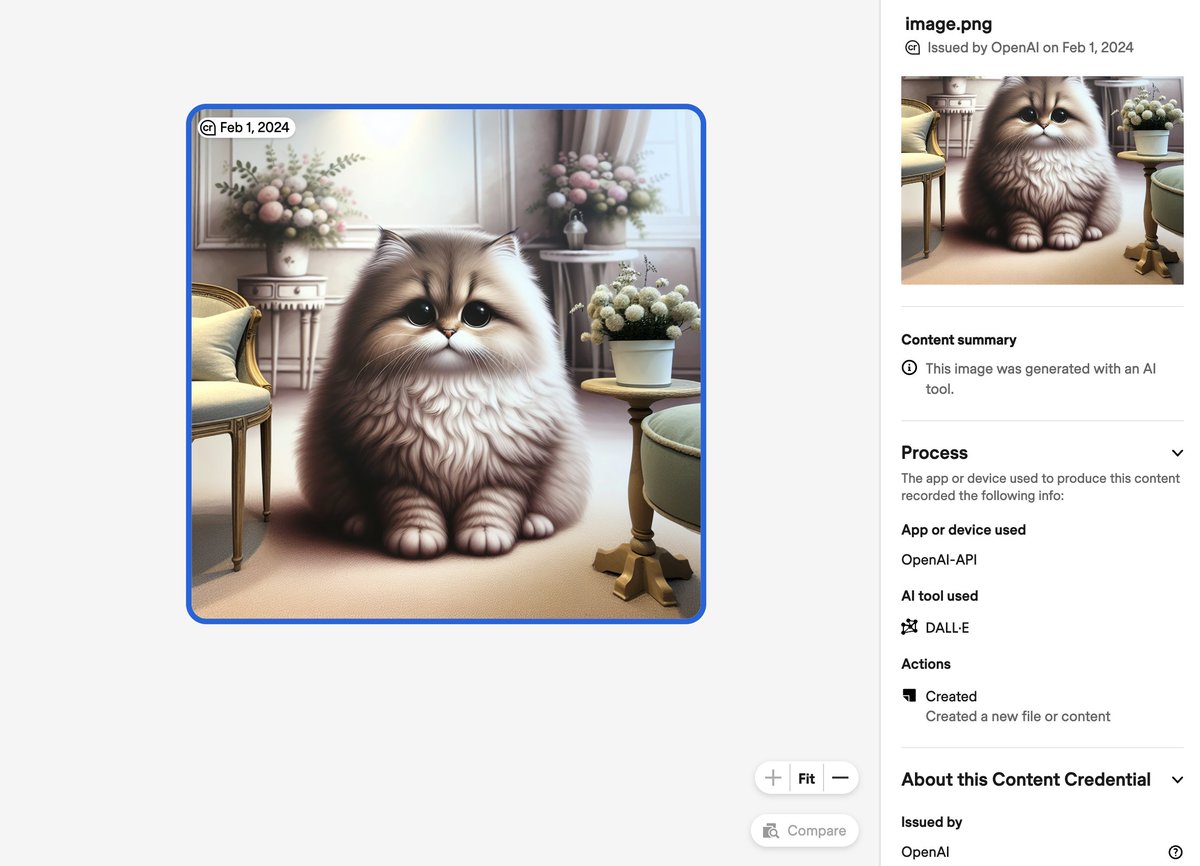
Images generated in ChatGPT and our API now include metadata using C2PA specifications.
This allows anyone (including social platforms and content distributors) to see that an image was generated by our products. https://t.co/kRv3mFnQFI
Google's war on Youtube's adblock -
episode 5 ?
New 5sec delay ?https://t.co/qsTxNqWhOE
Megathread
https://t.co/s6OdHQq9dj
Race status
https://t.co/Dv0M3gUJTC
@aurelienbardon@onlinestratfr je vois pas beaucoup de point positifs à part un positionnement marketing très spécifique y'a que du moins le % de trafic direct, la pub on et offline, les backlinks, l'international, le social, les emails, le dev - tout est plus compliqué avec les caractères spéciaux
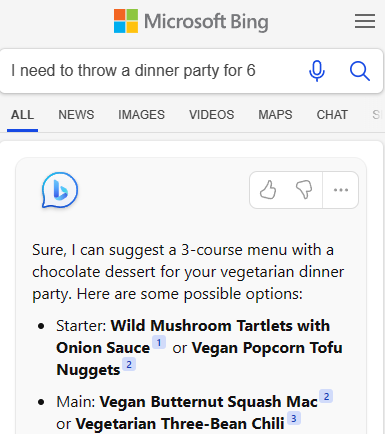
le rendu de chatgpt sur https://t.co/7gpMJEkJVJ est plutôt bien pensé, c'est sourcé ET lié - SEO is not dead yet (VPN ip US + Edge pour tester et s'inscrire sur la waiting list)