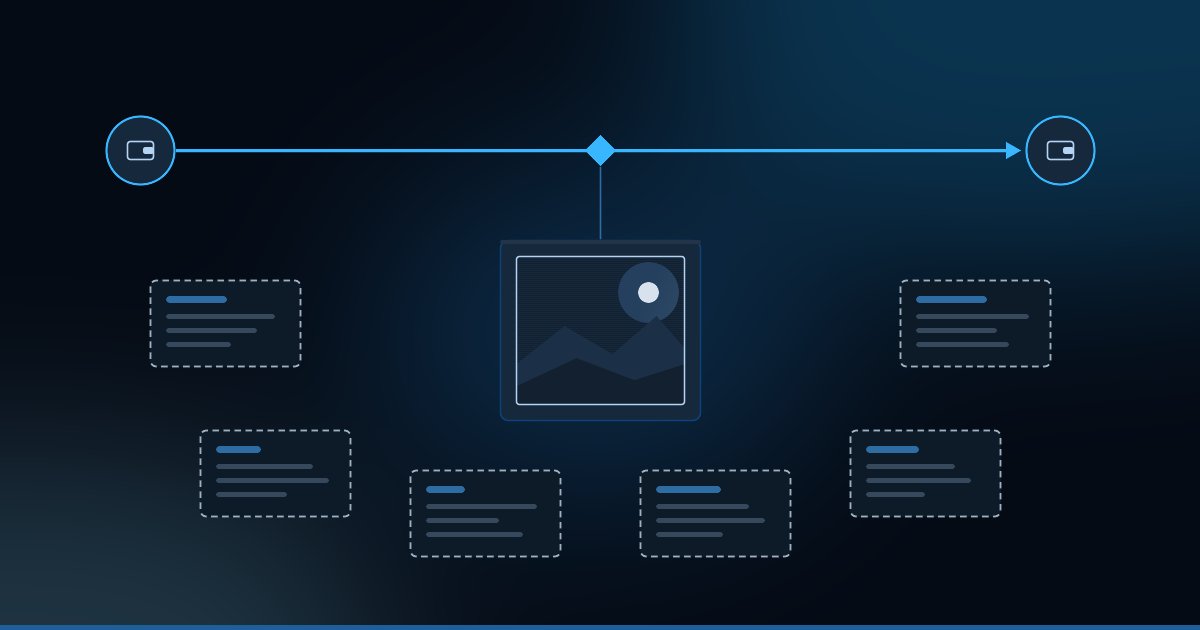
A better instrument will not fix that. What is missing is a shared record that everything else points back to. That is the part I work on now. The full piece: https://t.co/sDTpeyXbsH
None of it was technically difficult; the problem was economic. The same pattern is now being applied to real-world assets, where the record of what is traded still sits in separate files with separate people, and the fee is still in the transfer.
Provenance asks where a work came from and where it has been. The blockchain handled the second question well. The first, which decides whether a work is genuine, was left largely unresolved.
That market ran on trading, not on art. The fees came when something changed hands, and knowing what a piece was, who made it, what rights came with it, and where it was located earned nothing. That work was left to whoever needed the information next.
A typical token held a title, a brief description, and the address of the wallet that minted it. The wallet was read as the artist, even when a gallery minted on the artist's behalf, and buyers assumed they owned the image rights when they almost never did.
I built a platform for artists there. It gathered a body of work in one place and kept each piece's images, story, and documents together, with minting as an optional last step. It did not survive when that market thinned out.
Episode 1 of DeadBear is OFFICIALLY LIVE🔴
Join @TyrantBroken as he sits down with @kavancane from @coinfund to talk about all things golf, venture capitalism and day to day life as a New Yorker!
☠️🧸
we’re back szn 2 is here. June 11
and we’re giving away a @solanamobile SAGA + 30M @bonk_inu to a lucky attendee. ❗️❗️❗️
Register Below. ⬇️
More Giveaways announced s00n 💀🐻