Are you a human rights law scholar interested in applied and interdisciplinary work? If so, we would be delighted to receive an application from you for the following vacancy, to be based in the Centre for Applied Human Rights at the University of York.
https://t.co/LCEh3dV3k5
@abdulkazad Glad to hear that you are settling in! Drop me an email if you'd like to meet up for lunch or coffee. Contact details on: https://t.co/qMdOa0W5kh
How does judicial review relate to administrative justice? And what does Mary Douglas's cultural theory have to do with either? Find out by reading the chapter @lindsaystirton, Simon Halliday, and I wrote for the Oxford Handbook of Administrative Justice. https://t.co/Azv0L0N07D
🚨 PhD studentship 🚨
Working with Alan Thomas @UoYPhilosophy and @ttarvind@UoYLaw on Ethical, Legal and Social Norms for Resilient Autonomous Systems.
Full details and how to apply:
https://t.co/vMXFlIWXrq
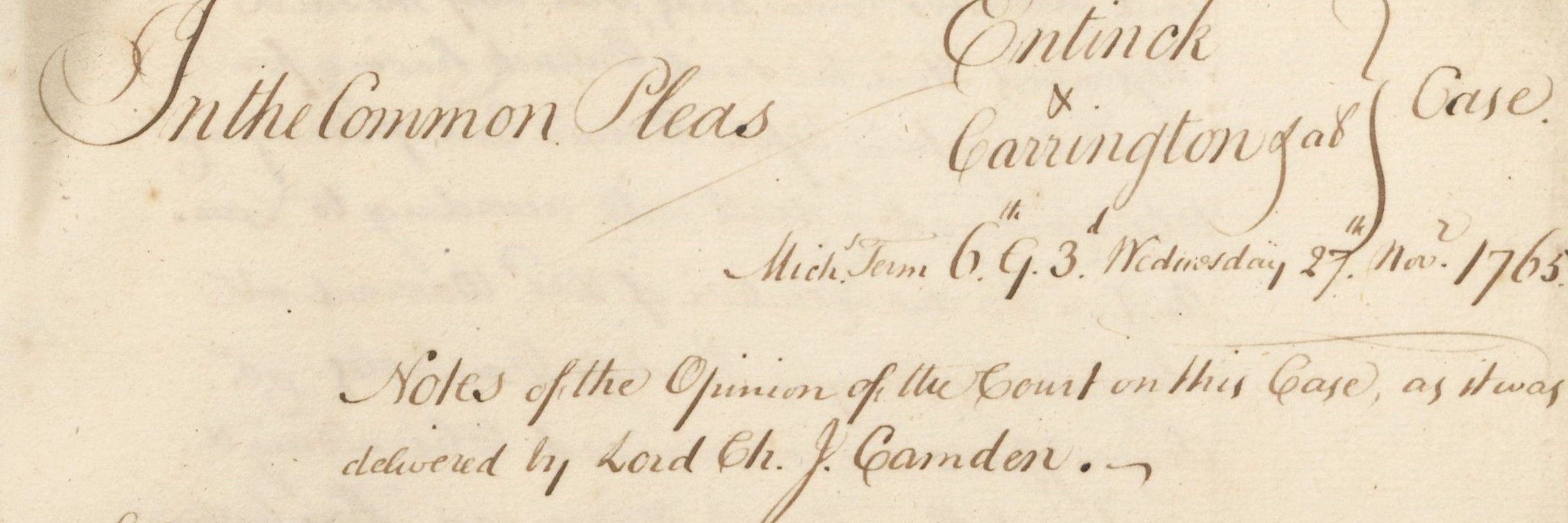
Always nice to see one of your edited collections in print. Co-edited with @lindsaystirton, @macsithigh, and @rmkirkham1, and including a raft of top-notch contributors, we use judicial review's formative moment in the 60s as a lens to re-examine and rethink modern debates.
Now published: 'Executive Decision-Making and the Courts: Revisiting the Origins of Modern Judicial Review' edited by TT Arvind, Richard Kirkham, Daithí Mac Síthigh and Lindsay Stirton #JudicialReview#AdministrativeLaw https://t.co/sHeMuj5jb6
An early paper of mine (ultimately published in OJLS) was initially rejected as 'inherently silly'. Another (ultimately published in Med LR) was initially rejected as 'wholly misconceived'. Peer reviewers can be wrong. Trust your ability and trust your work, ECRs!
(Said it before but) What became my second article (on concurring judgments) was rejected at initial editorial review stage for being “banal and stating the obvious”
@israblack@Dr_Joe_McIntyre@Fergal_Davis I have an older A4-sized model (the Boox Max2). It's done wonders for my eyestrain, and I'm very happy with it. The annotation features are very good. Obviously, it comes with the downsides of an e-ink screen as well as the benefits.
If you have an interest in AI / autonomous systems and a background in law or philosophy, we have a postdoctoral post at York to work with me and Alan Thomas on an EPSRC-funded project on the socio-technical resilience of autonomous systems.
https://t.co/Aq1S1FMhcN
An internal roundtable on Social Science and History at York: What can historical thinking and methods contribute to the social sciences? What role do we see for historical social science at York? Join the conversation tomorrow to discuss these questions.
https://t.co/LuKvpkRR5E
Key takeways from Panopto's automatic captioning for my pure economic loss lectures:
a. God Denning said that the climate could not recover
b. Using cat grease helps the courts reason
c. The thought of defeat enables recovery for pure economic loss
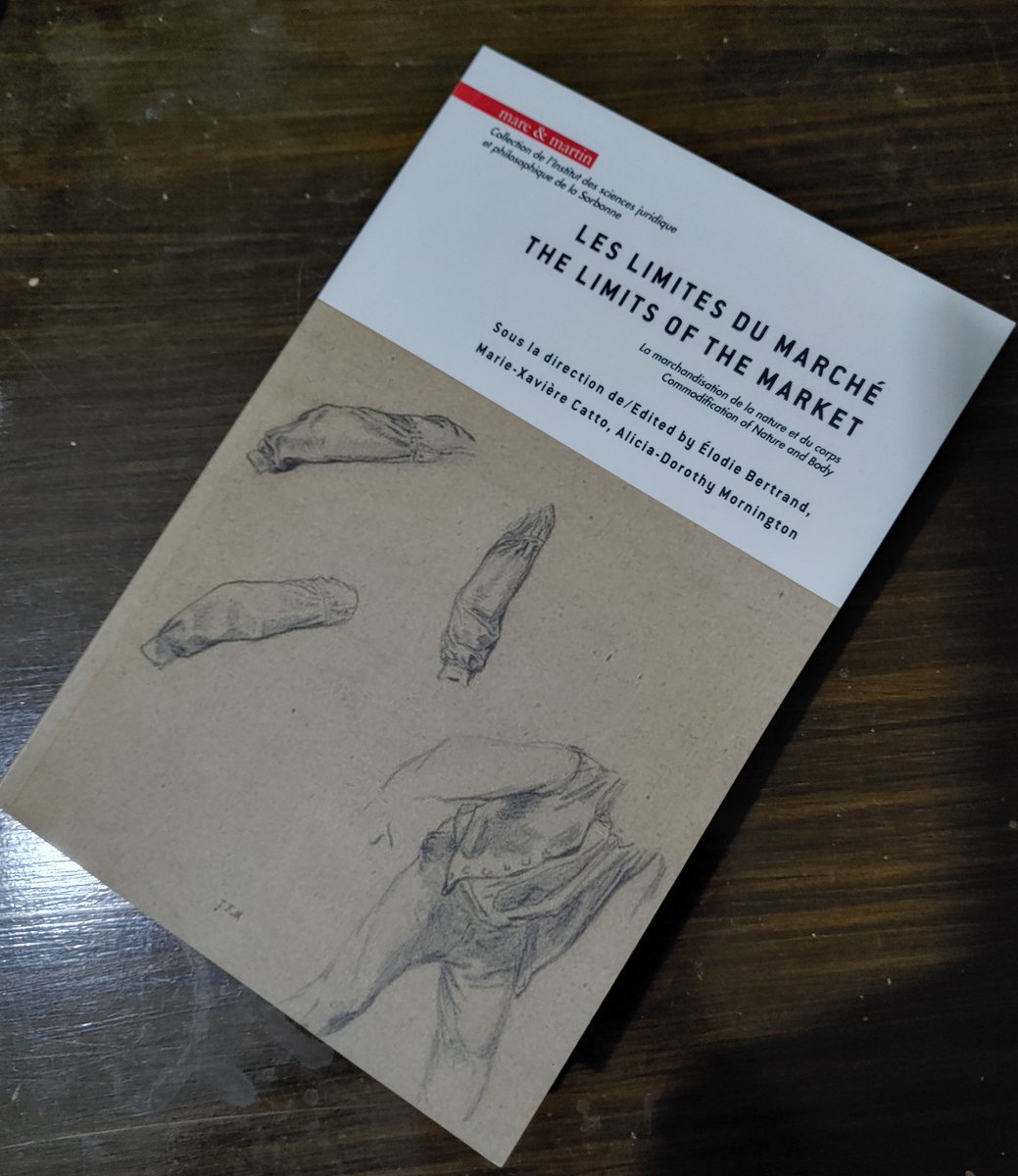
Just received this volume in the post, with a chapter by @AislingMMcMahon and me on contact's role in commodification. It's heartening to see publishers still publishing bilingual French / English books. There are many excellent contributions in both languages in this volume.
@CR_OBrien It does that to English law as well. "Wagon Mound" became "Dragon Mount". "Polemis test" became "Paula misted". "Anglia Television v Reed" was "Angry television agreed".
It has been both amusing and instructive to see the sheer number of ways in which Panopto mistranscribes "but for test" - which in today's lecture became, variously, "butter test", "bought for test", "Bot Four test" and (my favourite) "Halibut fortress".