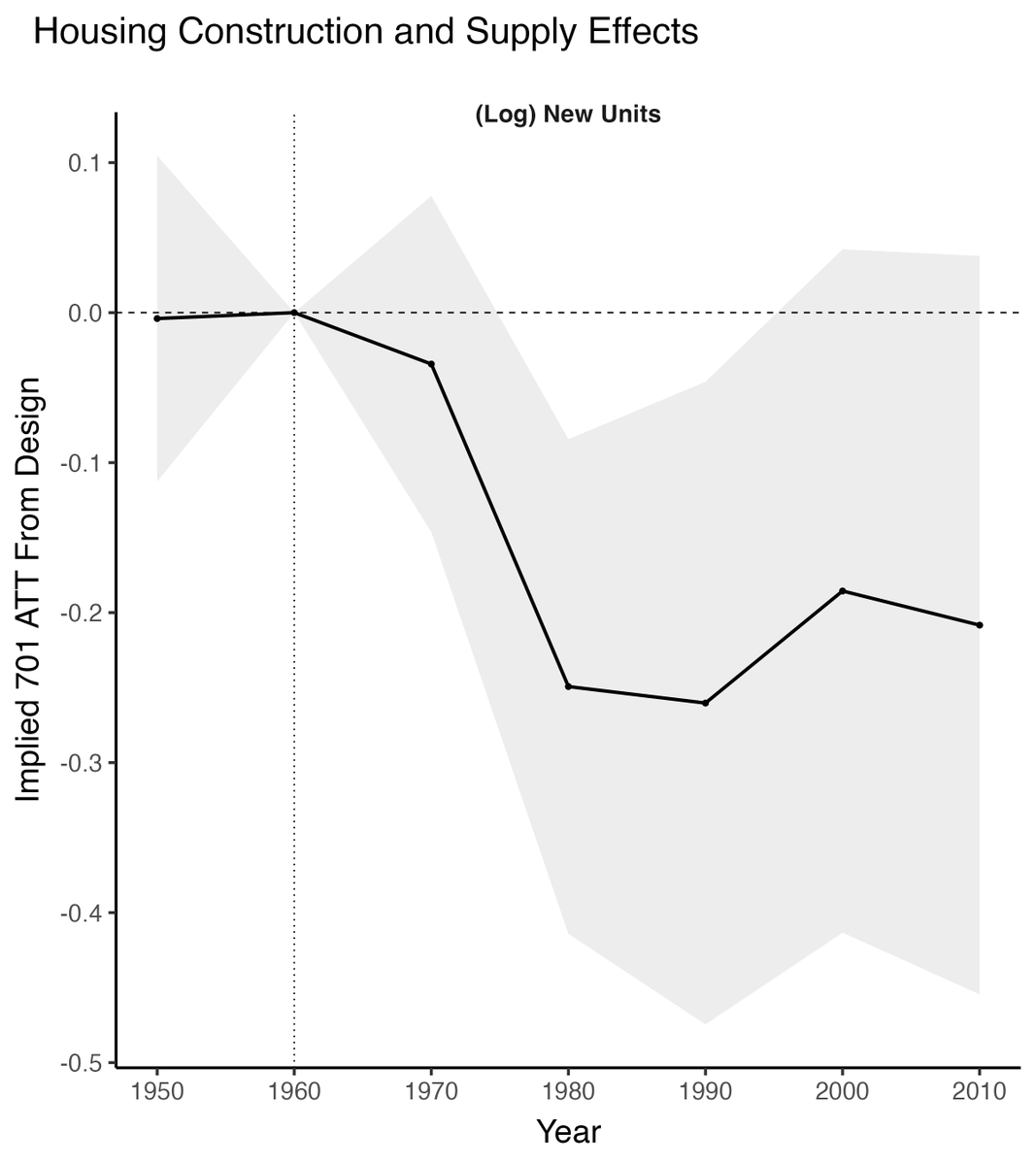
Why are many U.S. cities building less? Why have they insisted on a "thicket" of regulations that make housing hard to build?
In a new #jobmarketpaper with @beau_bressler , I study how much of the answer lies with a forgotten federal program that taught cities to restrict growth
@ElliscbIV Turns out it's not hard to query the CA SoS's results to make this map. Barack D. Obama Shaw is leading over Swalwell in 4 counties!
https://t.co/P3fKoZ5ZQg
Here is a somewhat different way to look at the data (not perfect because I adjusted the DKs crudely)
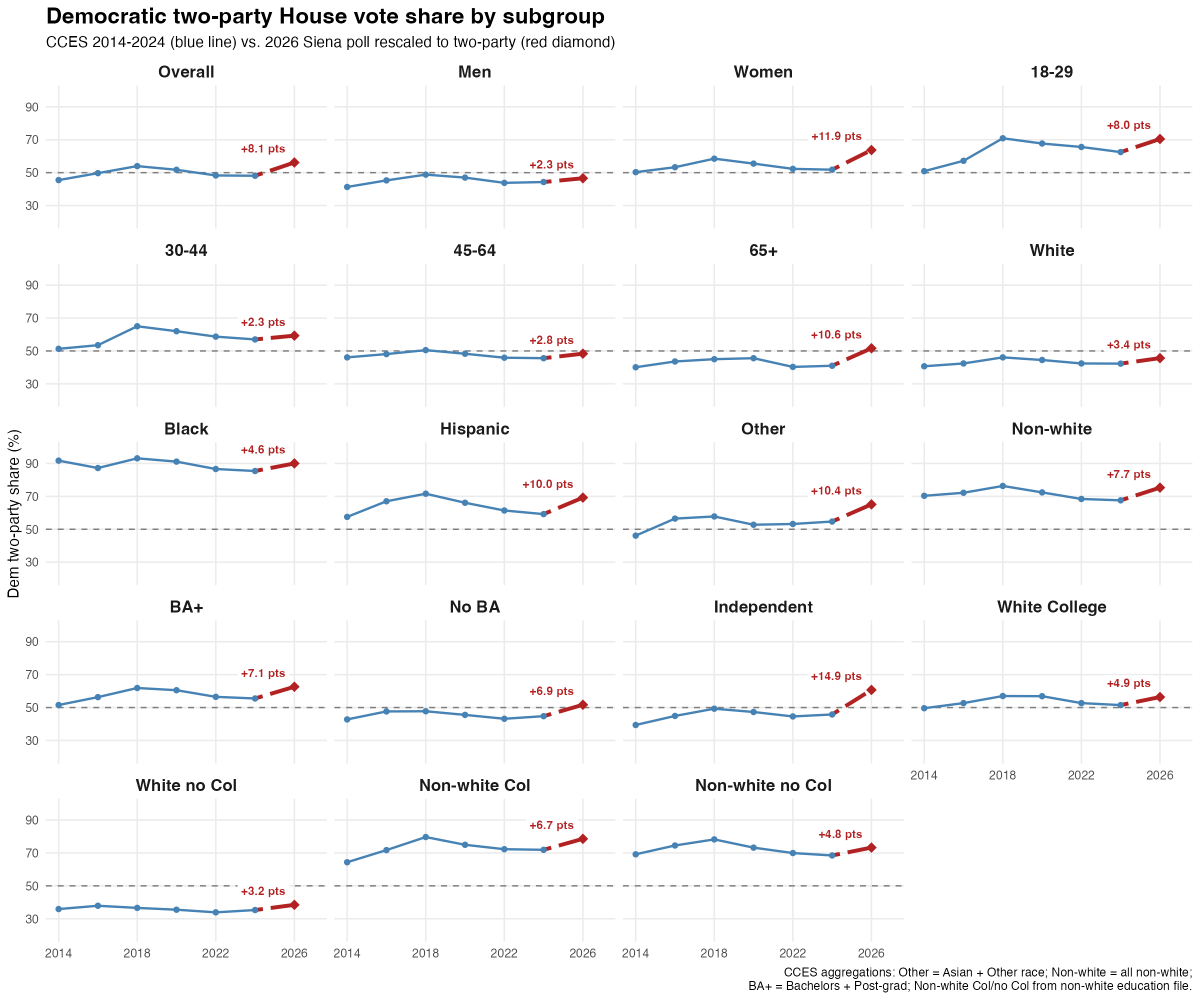
This graph deemphasizes Trump a bit and is more about: "how unprecedented is this midterm backlash, especially against 2018?"
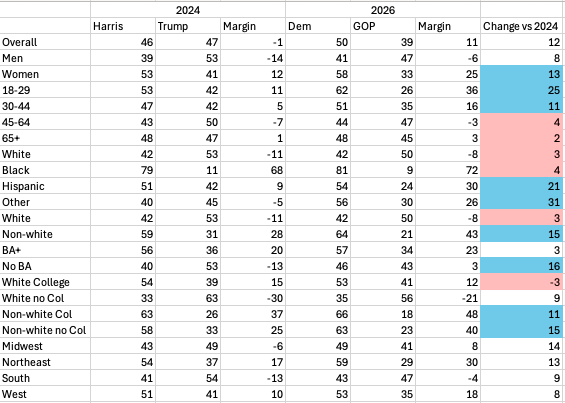
In these data, white college voters do swing back
Comparing Trump/Harris results in the final 2024 NYT/Siena Poll with today's generic ballot, the only group that hasn't swung towards Dems is white college grads (probably because their 2024 voting preferences were never about gas prices/inflation):
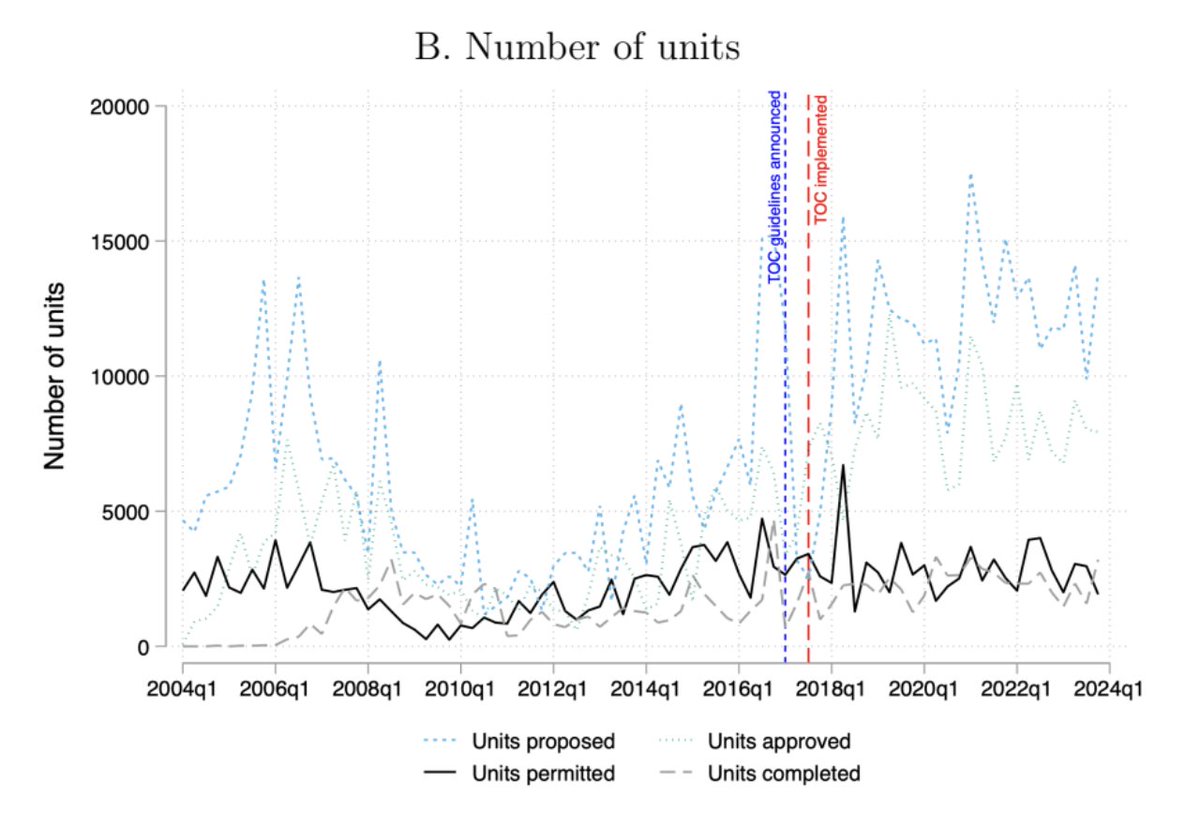
There was a really interesting paper on LA's TOC program published by Stephanie Kestelman at Harvard in December that has completely flown under the radar.
It found that, while the program increased entitlements, it didn't actually increase the number of units that got built
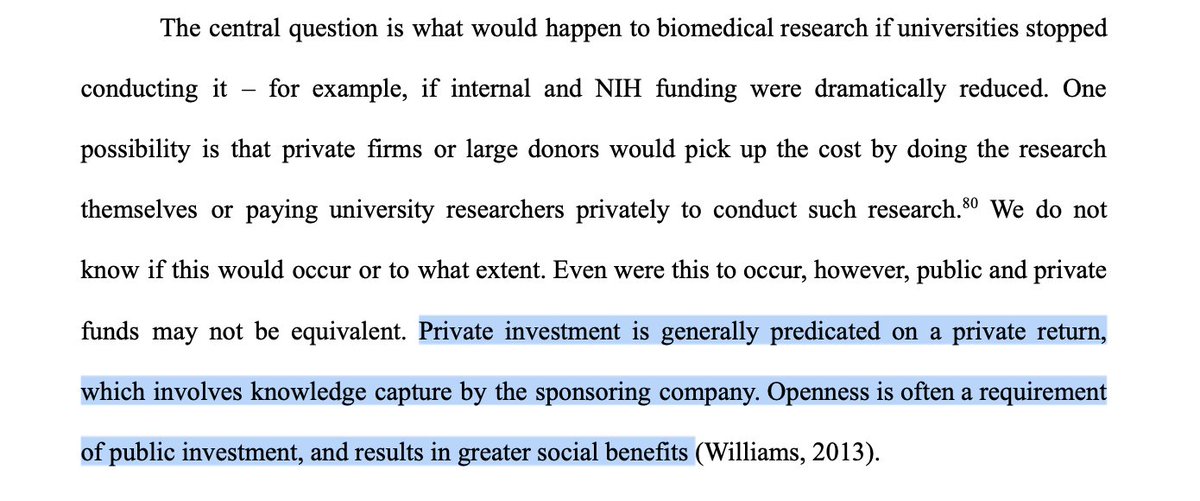
Then there's an argument that universities should let go of all their "AI talent," or be more willing to fire football coaches asking for too much of a raise, but also ensure the close link between universities and NIH funding isn't broken.
This is a great paper! It is currently a bit scattered, but it is also readable in a way you can't say for the most polished econ papers.
An interpretation I have of the paper is that it sketches out the "two faces" of universities
schools trying to recruit and bid for "superstar" researchers.
There's no inherent reason why superstar faculty need to be in a university and not an AI lab or industry, if they're offered high-powered incentives that exceed how their work complements other university services
North America has an elevator problem. Elevators are more expensive to install and maintain in the United States and Canada than elsewhere in the developed world.
@zyudhishthu Wisconsin's program is rising fast and you'll be pleasantly surprised at how big the econ community is there. Excited to follow what ideas you'll have in the years to come!
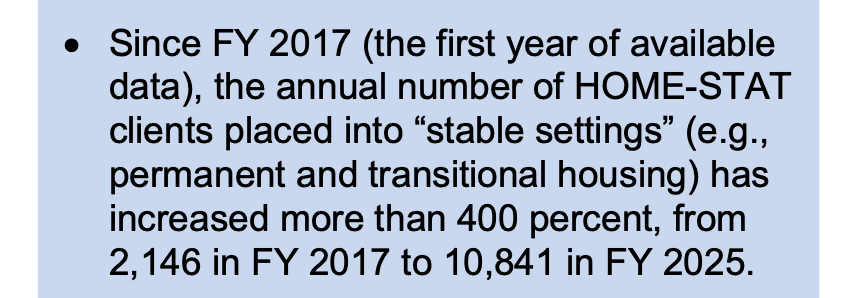
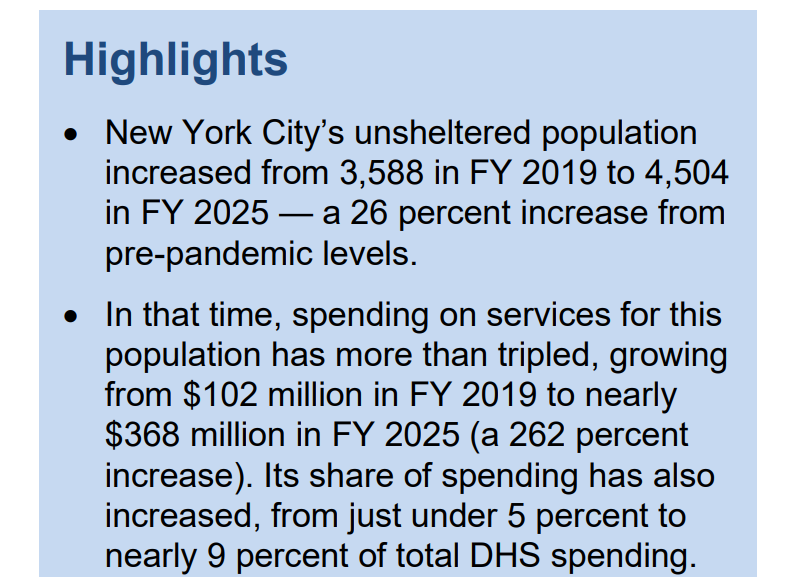
I think the calculation in this tweet is wrong, but let me explain my reasoning. While both numbers could be accurate, taking the ratio of them for a "spending per capita" doesn't make sense.
Absolutely astounding figures from the NY state comptroller: spending on services for the NYC street homeless population ran to $81,705 per person last year, up from $28,428 pp 6yrs ago. Figures do not include all kinds of other spending, supportive housing, policing costs etc.
a modest rise in spending does suggest lower productivity.
But let's say 200000 additional immigrants sought shelter and were all successfully helped. That would also blow up the budget by 400%, but shouldn't increase the unsheltered population by 400%.