The real question is not whether Nigeria needs a census, but whether it can deliver a successful one with figures we can count on.
Nigeria's census counts, and I explain why on @republicjournal https://t.co/6grvD8lnxE
#census2023#Nigeria
As a first step, we are launching NaijaCivicTech, an open source platform where Nigerian in tech curate and build tiny tools that solve specific Nigerian problems together
this is not a startup, not a pitch deck, just working software in the open, built for Nigeria for ease.
The current goal is to achieve two things:
1. Community to curate all existing tools that have attempted to solve a problem but are not well known.
2. Community to suggest problems, tools and project that solves a specific problem
It's day 1, let's see how far we can go.
Every year we produce thousands of graduates, masters, PhDs and thousands of journal papers.
Many professors have 30–50 papers, yet none of those papers has produced a real technology, company, or national solution. And the problem is not unique to Nigeria.
To be promoted, lecturers are required by the system to publish papers in foreign journals but the publishers of foreign journals are rarely interested in Africa's problems.
Most structured research funding are foreign but these entities are rarely interested in finding non-exploitative solutions to Africa's problems.
Paucity of functional facilities like laboratories, workshops and support infrastructures.
Poor or non-existent linkages between industry and academia.
Low perception of the relevance of research and development by the Nigerian or African societies.
How do we make our educational system and institutions relevant to the needs of our society?
We need a structured system that moves ideas seamlessly from research to discovery, from discovery to invention, and from invention to viable products or services, ultimately leading to commercialization.
At each stage, the quality of research should be critically evaluated based on its ability to address real-world problems.
Equally important is a focused discussion on research funding, as the level and allocation of funding significantly influence the depth, rigor, and overall quality of research outcomes.
The Notes app on your iPhone is one of the most powerful tools available.
But 99% of people don’t know its true potential.
Here are 15 amazing features you must know:
SheFi is further expanding in the metaverse! 🚀
As part of @decentraland's Community Jumpstart Program, we're building another home for you in Decentraland!
Join our weekly event, the SheFi Salon, starting October 2nd. Tour the new Art Week installations and earn cool wearables & a DCL name! Here's how to secure your free goodies:
✨ Create a Decentraland account.
✨ Register for the SheFi Salon event.
✨ Join the SheFi community on the platform (see the lefthand sidebar).
✨ Post on X, tagging @decentraland, @shefiorg, and our community lead, @msjoedor!
Register at the link below 👇
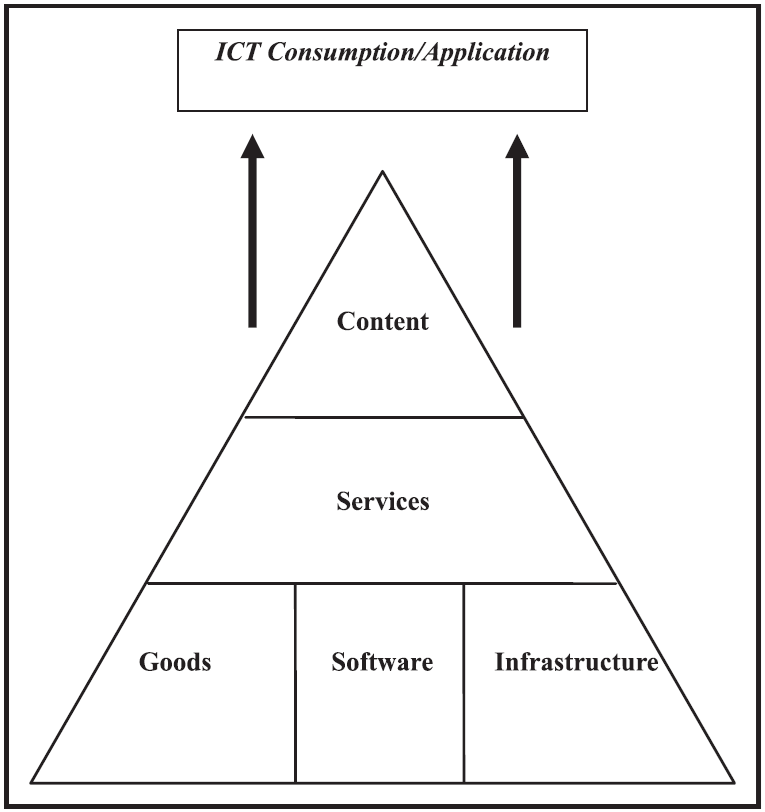
📢 Why do some countries succeed in building strong digital industries while others fall behind?
💡 This paper applies Porter’s competitive advantage theory to offer key insights for policymakers, researchers & #ICT4D strategists.
📖 Read it: https://t.co/JYbcGh1k6F
Web3 isn't always total transparency, and turns out there are good reasons why. @MidnightNtwrk runs on the idea of rational privacy, making sure sensitive data (like health records, personal information or contracts) aren't fully public on-chain. Its quite interesting
@shefiorg