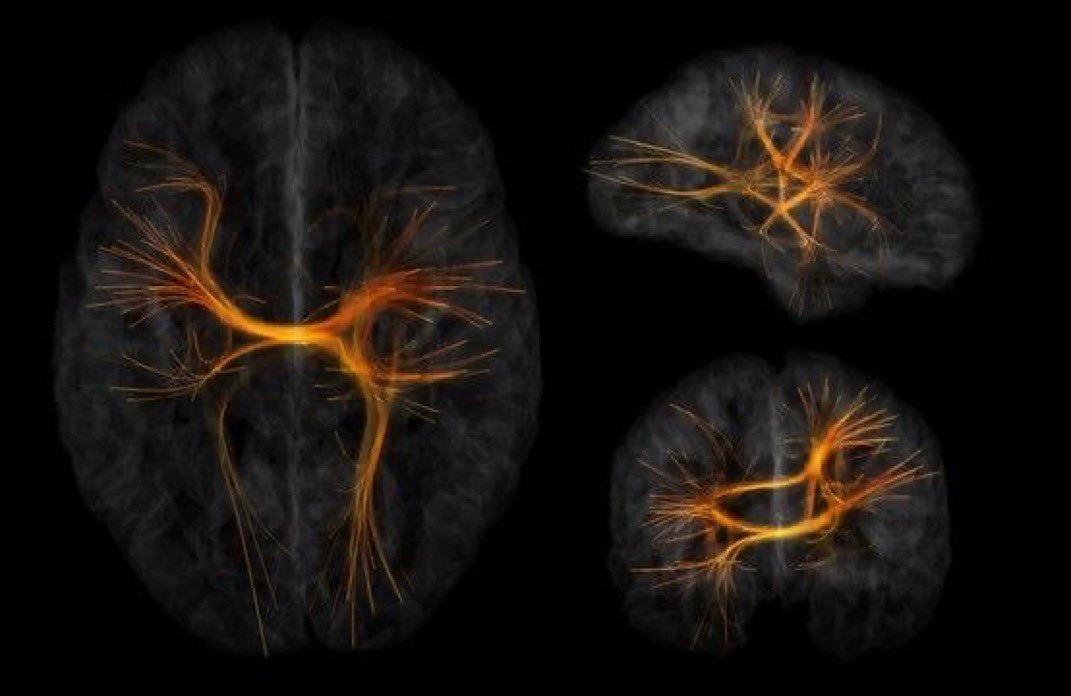
Araştırma: Psikiyatrik tanıların neredeyse yarısı maalesef yanlış tanı.
Buna göre ciddi psikiyatrik bozukluğu olan hastaların üçte birinden fazlasına (%39,16) yanlış tanı konulduğunu ortaya koymuş.
En sık yanlış tanı konulan bozukluğun şizoaffektif bozukluk (%75) olduğu; bunu sırasıyla majör depresif bozukluk (%54,72), şizofreni (%23,71) ve bipolar bozukluğun (%17,78) izlediği saptanmış.
Kabul edilebilir bir şey değil.
What do the happiest, healthiest and longest living people have in common?
It’s not fame, fortune or status. Academic research gives us the definitive answer.
The main conclusion of Harvard's nearly 87-year-long Study of Adult Development (one of the longest studies of adult life ever conducted) is that strong, meaningful relationships are the single most important predictor of long-term happiness, health, and a long life. It’s not wealth, fame, social class, IQ, or even genes that determine well-being as we age—it's the quality of our connections.
Harvard Study of Adult Development started in 1938 and it is the longest-running scientific study of happiness and health in history.
For over 85 years, researchers have tracked the lives of 724 men and their families (now including more than 1,300 descendants) to determine what actually makes a "good life."
The "One Word" Finding: Relationships
The current director of the study, Dr. Robert Waldinger, famously summarizes the decades of data with one clear message: "Good relationships keep us happier and healthier. Period."
The study’s findings can be broken down into three major lessons:
• Social Connection is Vital: People who are more socially connected to family, friends, and community are happier, physically healthier, and live longer than people who are less well-connected.
• Quality Over Quantity: It’s not just the number of friends you have or whether you’re in a committed relationship; it’s the quality of your close relationships. Living in the midst of conflict is actually worse for your health than getting a divorce.
• Relationships Protect the Brain: Being in a securely attached relationship in your 80s is neuroprotective. People who feel they can count on their partner in times of need keep their memories sharper for longer.
SON DAKİKA: Sürekli şikayet etmenin, beyninizi daha fazla olumsuzluğu fark etmeye alıştırabileceğini biliyor musunuz? Ve zamanla sizi daha fazla hasta edebileceğini?
Beynimiz verimliliği sever ve sık tekrarlanan davranışları kalıcı hale getirir. Her şikayet ettiğinde, beyindeki nöronlar sinir hücreleri “birlikte ateşlenen nöronlar, birlikte bağlanır” kuralına göre (Hebb Yasası) yeni ve daha güçlü bağlantılar kurar.
Sonuç:
Şikayet etmek kolaylaşır ve alışkanlık halini alır.
Beyin, negatif şeyleri fark etmeye daha yatkın hale gelir (negatiflik önyargısı güçlenir).
Zamanla pozitif şeyleri görmek zorlaşır; şikayet “varsayılan mod” olur.
Bilimsel Etkileri
Hipokampus küçülür: Stanford Üniversitesi araştırmalarına göre sürekli şikayet, problem çözme, hafıza ve akıllı düşünme merkezi olan hipokampusu küçültür (Alzheimer’da da en çok etkilenen bölgedir).
Kortizol yani stres hormonu artar: Savaş-kaç tepkisini tetikler, kan basıncını yükseltir, bağışıklığı zayıflatır. Uzun vadede diyabet, kalp hastalığı, obezite ve felç riskini artırır.
Başkalarını da etkiler: Beyinler “nöronal ayna” sistemiyle birbirini taklit eder. Sürekli şikayet eden biriyle vakit geçirmek, sanki ikinci el sigara içmek gibi negatif etki yaratır.
Kısaca: Şikayet etmek “zevkli” gelse de, beynini fiziksel olarak yeniden kablolayarak seni daha mutsuz, stresli ve sorun odaklı biri yapar.
Nasıl Düzelir?
Şükür pratiği yap: Şikayet etme isteği geldiğinde “Şu an şükrettiğim 3 şey nedir?” diye sor. Kaliforniya Üniversitesi araştırmasına göre bu, kortizolu %23 azaltır, ruh halini ve enerjini yükseltir.
Çözüm odaklı şikayet et (eğer gerçekten gerekirse):
Net bir amacın olsun.
Önce olumlu bir şey söyle.
Sadece mevcut sorunu belirt.
Pozitif bitir.
Bu makale ve benzer bilimsel içerikler (nöroplastisite üzerine), şikayetin sadece “kötü bir alışkanlık” olmadığını, beyni kalıcı olarak değiştiren bir davranış olduğunu gösteriyor.
Özetle: Şikayet etme, beynini “negatif avcı” moduna geçiriyor. Dur ve şükretmek için kendine 3 sebep bul!
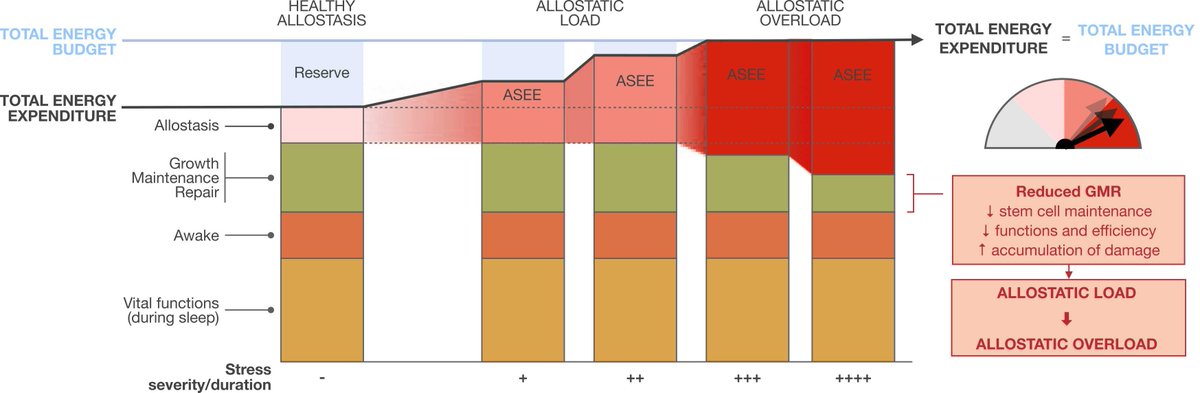
Chronic stress and serious mental illnesses age us quickly likely because of energy constraints.
It costs energy to stress out: Faster heart rate, cortisol, neural activity, cellular stress response programs, sweating, etc.
Nothing is free in biology. And negative states of mind activate costly stress response pathways that cost energy.
Because we have a finite energy budget, that means that stress must steal energy from the things that sustain our health and keep us from aging too quickly.
https://t.co/DxPEWTRqKW
Addiction is not just about reward.
It reflects predictable dysfunction across brain systems governing behaviour, learning, and control.
Here are 5 core neurobiological processes underlying addiction and relapse: 🧵👇
(Click through to see all 5)
Among individuals with severe, treatment-resistant #Schizophrenia, #dementia was common and showed a distinct clinical and genetic profile not explained by #Alzheimer disease, cardiovascular risk, or medication effects.
https://t.co/hkz7MoIENa
Sıkılmayı öğren, bazen hiçbir şey yapmadan oturmayı normalleştir. Sabretmeyi öğren, tek başına da hayattan keyif almayı ve oyalanmayı öğren. Hayat, sürekli havai fişeklerinin patladığı bir eğlence alanı değil.
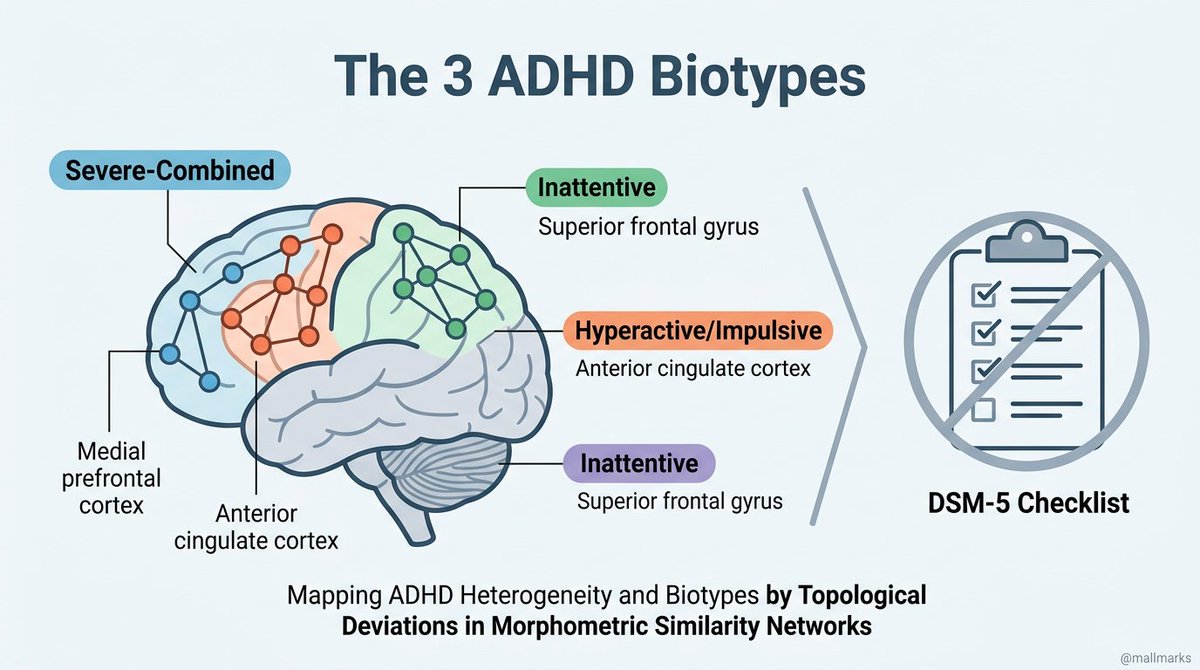
🚨 ADHD isn't one thing - it's THREE
A massive neuroimaging study just identified 3 neurological "biotypes" of ADHD.
DSM-5 behavioral categories fit into brain-based subtypes - just in time for the new DSM.
Could this explain the huge heterogeneity seen across patients? 🧵