Associate Professor @ucdavis
Protein Engineering, Cancer Immunotherapy
“The harder you work, the harder it is to surrender” Vince Lombardi
Scientist & Farmer
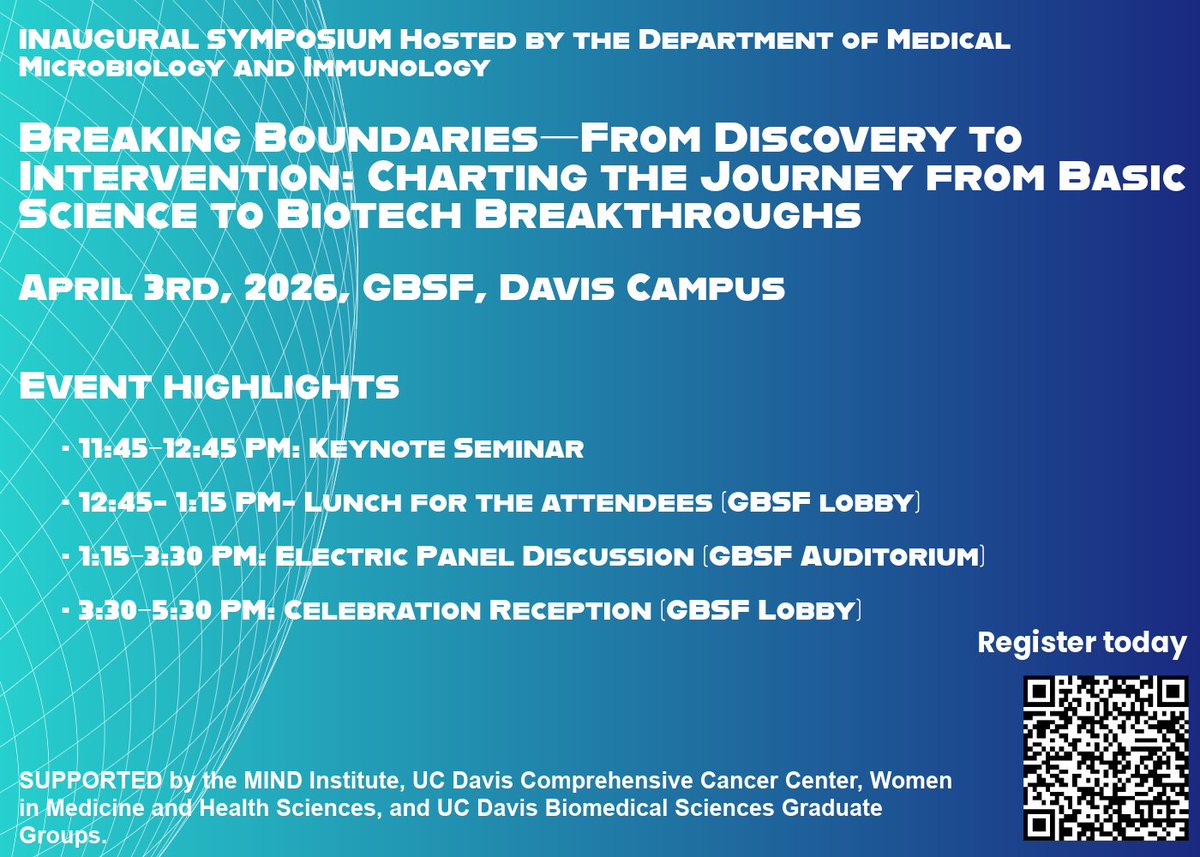
Please join us on April 3 for our inaugural symposium entitled "Breaking Boundaries - From Discovery to Intervention: Charting the Journey from Basic Science to Biotech Breakthroughs"! Register now: https://t.co/m2va2GNqoT
A shot in the dark by our lab to potentially explain species-specific differences and the complexity of the TIGIT signaling pathway, and the colossal clinical failure of TIGIT antibodies.
This work was led by two UCDAVIS Undergrads, NOT by PhDs or Postdocs
https://t.co/NqdSZfR85x
A gene therapy targeting X chromosome silencing has shown potential to reactivate healthy MECP2 genes in #RettSyndrome models, improving symptoms and offering hope for X-linked disorders. @NatureComms https://t.co/CrHVvjjbpr https://t.co/jnJAsqXK9a
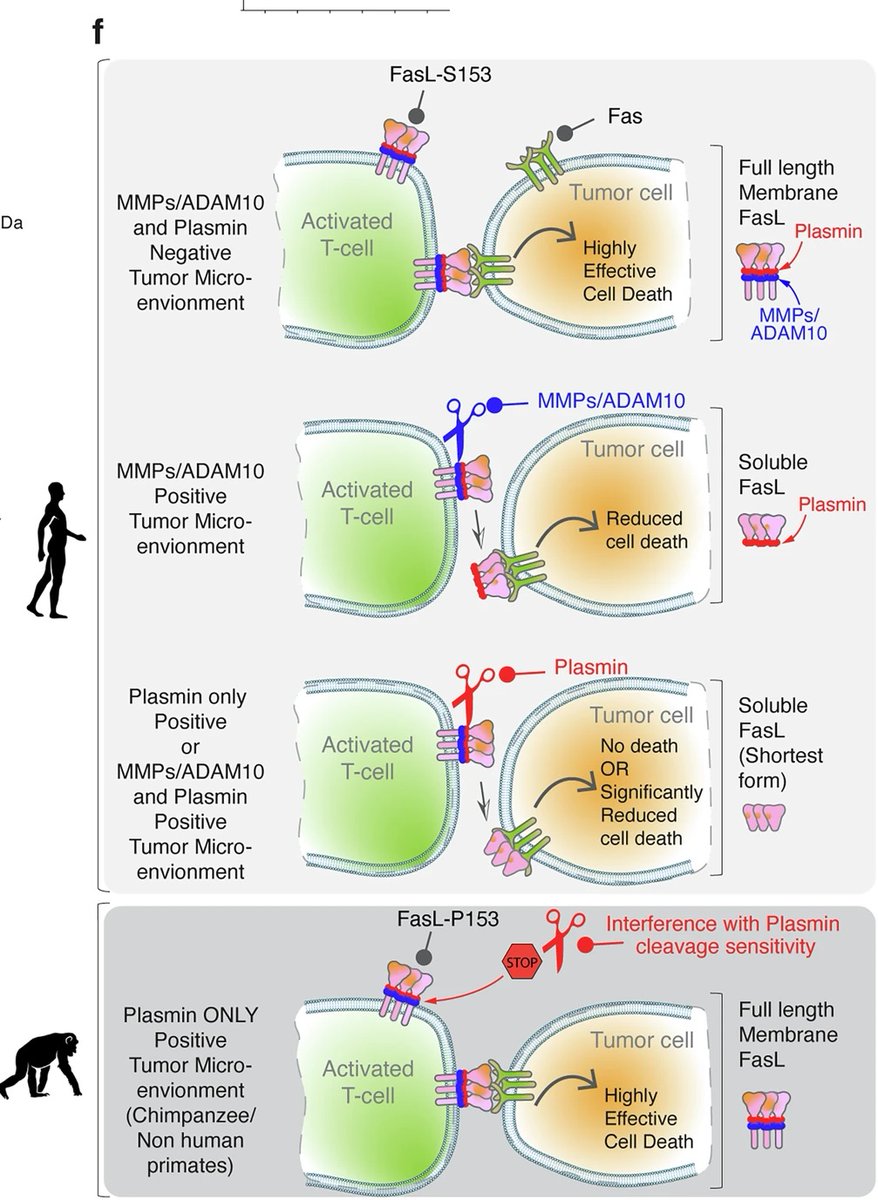
Humans are more cancer-prone than primates despite over 98% genomic similarity. A FasL mutation unique to humans allows plasmin in solid tumors to weaken immune attack @NatureComms * .
Could blocking it boost immunotherapy?
*NEW Paper ALERT*
Our new work in @NatureComms on FasL-mediated cancer cell death regulation has revealed that evolutionary substitutions (humans vs. primates) in the FasL extracellular domain render human FasL differentially susceptible to plasmin protease cleavage, a key metastatic protease involved in the metastasis of almost all solid tumors including ovarian cancer ascites, etc. Our findings explain the lower cancer incidence in primates (vs. humans) and also the deep mechanistic reasoning behind the potentially less successful outcome of T and CAR-T based immunotherapies against metastatic solid tumors (vs. leukemia, etc).
Congratulations to Wamba E, Mondal et al., and all other authors and collaborators @plegembre@carterra_bio (Dan Bedinger) @UCDavisMedCntr@UCD_Cancer@UCD_MMI
The manuscript can be found here:
https://t.co/wjOFgA1PdX
Check out our new collaboration with @RoseEDixon1 from @ucd_physiology in @PNAS (https://t.co/Z5QrzOA668). We observed two modalities of beat-to-beat ATP fluctuations in ventricular myocytes based on SR-mitochondrial coupling strength. (1/2)
Love ovarian cancer? Hate ovarian cancer? You’re not alone! Submit your abstracts to the Biennial Rivkin-AACR Ovarian Cancer Research symposium! This will be a fantastic meeting with the latest and greatest in ovarian cancer research. https://t.co/bwp66bp0qO